234,680. That’s how many new melanoma cases—the deadliest form of skin cancer—are projected in the U.S. this year alone, a 10.6 percent jump from last year, according to the American Cancer Society's 2026 Facts & Figures report.
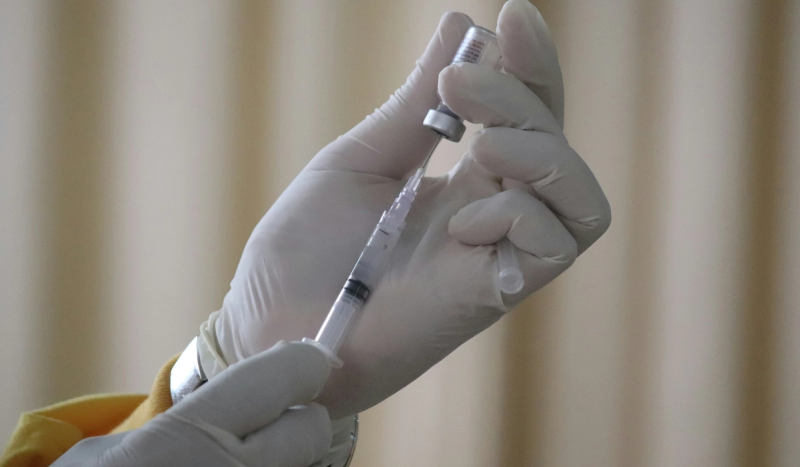
This week, though, brought some rare good news. Moderna and Merck announced that their new personalized vaccine passed a major clinical trial, helping prevent melanoma from coming back or spreading in patients who’d already had surgery to remove their tumors. It’s the first time a treatment like this has succeeded at this stage of testing—researchers call it a late-stage, or Phase 3, trial, the final and most rigorous round before a treatment can be considered for approval.
“Today’s results represent a landmark moment for adjuvant melanoma treatment,” said Georgina Long, the trial’s principal investigator and medical director of the Melanoma Institute Australia, in the companies’ announcement.
This isn’t the first sign of promise, either. Back in January, an earlier version of the trial showed the vaccine reduced the risk of melanoma recurrence or death by 49 percent over five years. By June, the full dataset was presented at ASCO’s annual meeting and published in a leading oncology journal. This week’s results build directly on that momentum, and mark the treatment's biggest milestone yet.
It’s a story worth telling with the same urgency we give the hard numbers. As we reported in our spring 2026 issue, roughly 5.4 million nonmelanoma skin cancers are diagnosed in the U.S. every year, and melanoma alone is expected to claim 8,510 lives this year. It’s a smaller slice of skin-cancer diagnoses overall, but it accounts for the vast majority of skin-cancer deaths—largely because of how often it resurfaces after treatment.
That’s exactly where this vaccine could help. In the trial, patients who received it alongside Keytruda were significantly less likely to see their melanoma come back than those on Keytruda alone. If those results hold up, it could change what a melanoma diagnosis actually means for the people living with it.
So, what’s next? Moderna and Merck haven’t named a specific event yet, but they’ve said they plan to share the full trial results with regulators and present them at an upcoming medical meeting. The vaccine isn’t available to patients yet, but if it clears those next steps, it could mark one of the biggest advances in melanoma care in years.
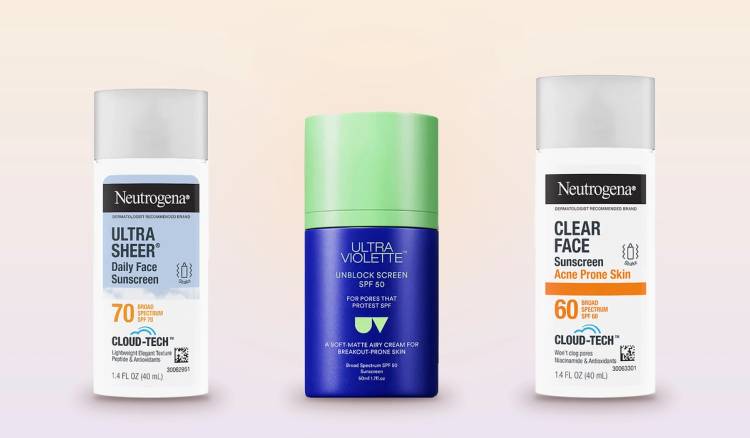
In the meantime, prevention remains the best defense, and it’s getting smarter, too. Wearables like The90 Gem, a necklace-style UV sensor, now track real-time UVA and UVB exposure and send reminders to reapply sunscreen or seek shade. And there are always the basics: broad-spectrum SPF 30 or higher, reapplied every two hours, along with UPF clothing, shade and sunglasses as extra layers of protection. A newly FDA-approved sunscreen filter, bemotrizinol, is also expected to hit U.S. shelves by the end of the year, offering broader, more photostable protection than many current formulas.
Don’t forget to keep up with annual skin checks and know your own skin well enough to catch anything that looks new, changing or unusual. None of it’s a cure, but together, it’s progress. And that’s worth paying attention to.