I am, by nature, bad at doing nothing. My weekends are pretty much scheduled around catching up on emails. I bring my phone into bed. I check email from the dinner table. So, when anyone promises “restoration,” I usually hear a polite way of saying “you’re going to sit here and think about everything in a nicer room.” Mirbeau’s new Hudson Valley outpost is the first place in a long time that got me to reconsider.
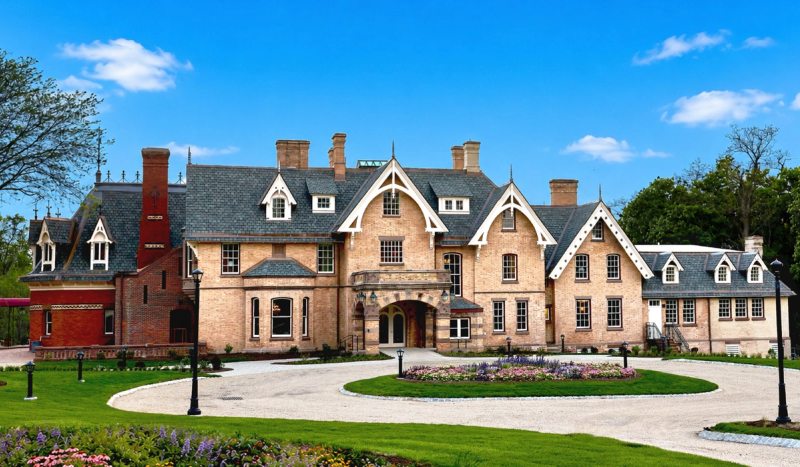
Beyond the personal issues (there’s a longer list if you want it) listed above, the spa history is the real story. Every property wants you to feel like you’re standing somewhere sacred, and most of the time it’s a plaque near the front desk and a candle scent doing the lifting. Mirbeau Inn & Spa Beacon, which opened this past May on the 64-acre Tioronda estate in Beacon, NY, is the rare one where the history holds up once you start researching it.
The estate belonged to Civil War general Joseph Howland and his wife Eliza. Its name, Tioronda, comes from an Iroquois phrase meaning “meeting of the waters,” a nod to the spot where Fishkill Creek runs into the Hudson. The Gothic Revival mansion went up in 1859.
In 1915, it became The Craig House, a psychiatric retreat. The director, Dr. Clarence Slocum, called the people who stayed there “guests,” not patients, and built the whole model around fine dining, art, tennis and time outdoors. (You probably already heard that Marilyn Monroe spent some time here.) The retreat ran for more than 80 years before the property closed and eventually found its way to Mirbeau.
Catherine Sinclair, the brand’s VP of Spa and the daughter of founders Linda and Gary Dower, is in charge now—and it’s clear it’s not a job she takes lightly. “This land has been a place of healing for more than 150 years, long before anyone called it ‘wellness.’ Joseph and Eliza Howland built Tioronda as a sanctuary, and later, as The Craig House, it became a renowned retreat for mental health, where nature, art and quiet were central to care,” she shares. “We didn’t have to invent Tioronda as a sanctuary. We just had to be worthy stewards of that legacy.”
You can feel that intention the moment you’re inside (which you can get to in under 1.5 hours from New York). The spa is 25,000 square feet, the largest in Mirbeau’s five-property portfolio, with 21 treatment rooms that each have their own fireplace and sound system. There’s a Reflection Room and a Resting Area, both phone-free by design. A eucalyptus steam room and sauna round out the wet areas, along with an aqua terrace with hot pools and Monet-inspired gardens meant to be wandered slowly rather than photographed and left.
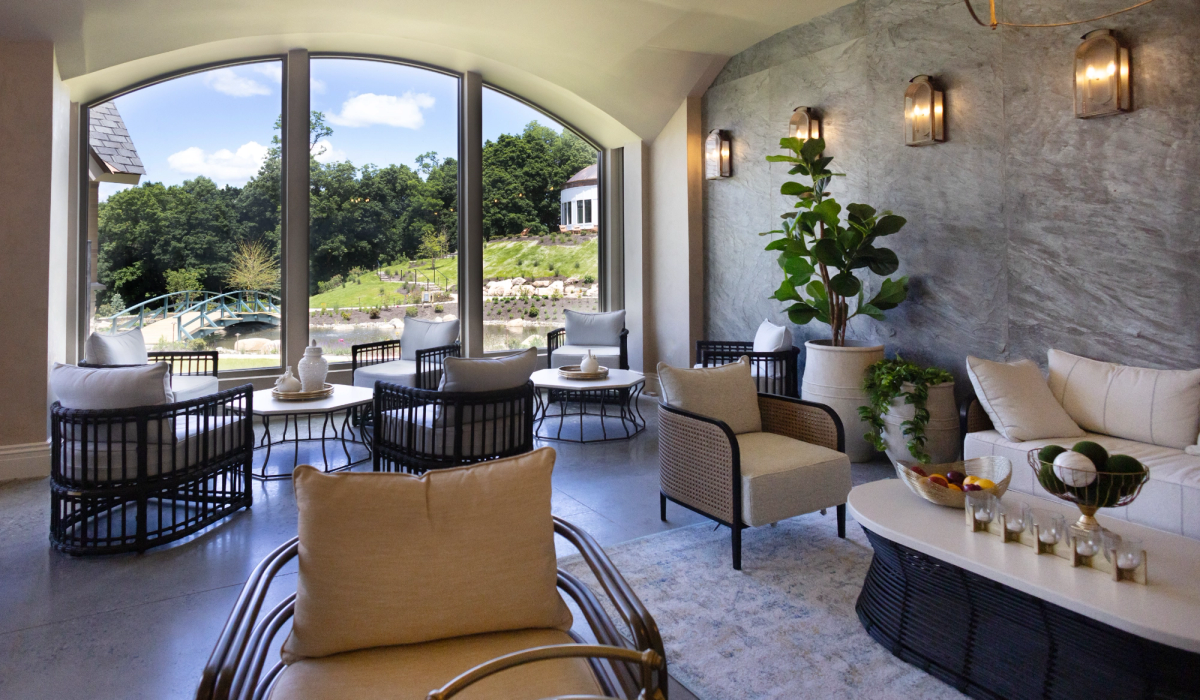
Sinclair describes self-care at Mirbeau as “not another thing to optimize, but genuine permission to pause,” and for once the space gives you room to do that instead of just saying so.
What I booked was the Autumn Restore, the current seasonal treatment, and it turned out to be a good window into how deliberate this whole operation is. Sinclair starts to shape the seasonal menu roughly six months out. “I typically begin by sketching out what I want the coming season to feel like—or the mood I want our guests to experience—rather than starting with specific products or ingredients,” she shares. For fall, she wanted something “warming without feeling heavy,” built specifically around “tight shoulders, tired feet and that particular sense of fatigue that accompanies change.” I arrived with a laptop bag and in desperate need of sleep, so that description landed a little too accurately.
The treatment is a Swedish massage layered with a bergamot, lavender and rose geranium oil, smooth heated mineral stones worked into the muscles, and a shea butter finish on the feet I would have booked on its own if I’d known that was allowed.
Sinclair walked me through the reasoning behind the blend afterward, and it’s more considered than most spa menus bother to explain. Lavender is “an anchor, helping to slow a racing mind and prepare the body for deep, restorative rest,” bergamot is “bottled sunshine” without overstimulating an already-tired nervous system and rose geranium there to quietly address seasonally dry skin while grounding the whole experience. I couldn’t have named any of that halfway through the massage.
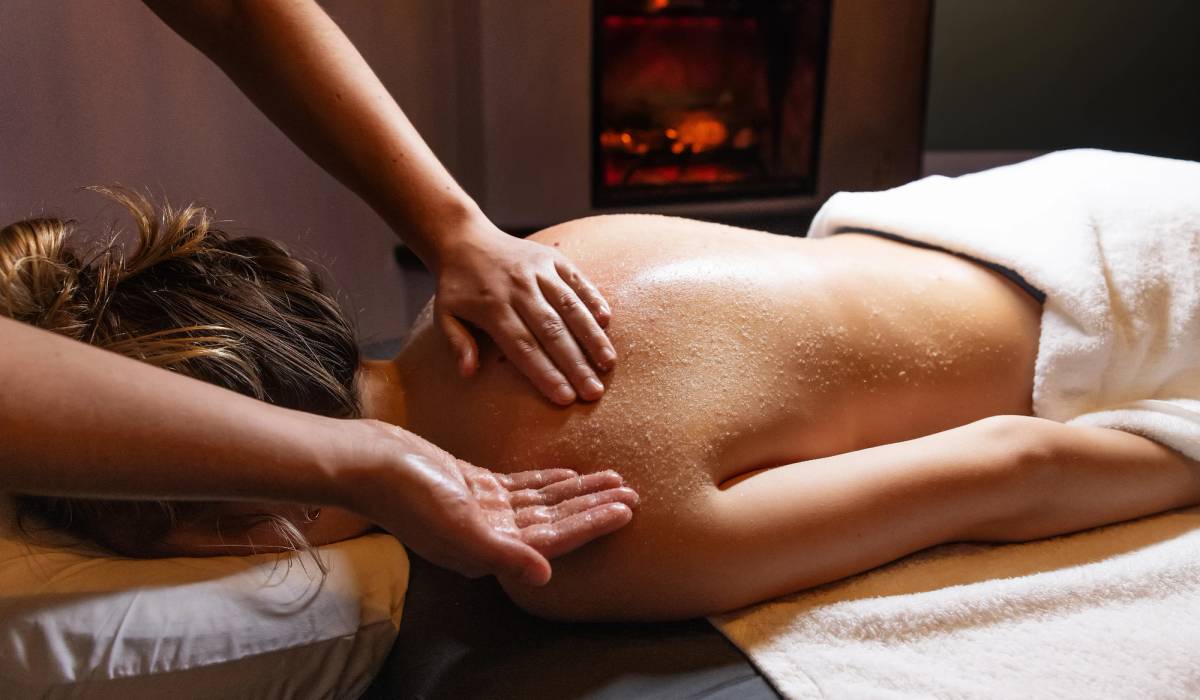
They send you home with the same body oil to keep the ritual going, which is the kind of gesture I usually clock as marketing and then never open. Full disclosure: This is currently being used in my bathroom almost on the daily, half gone.
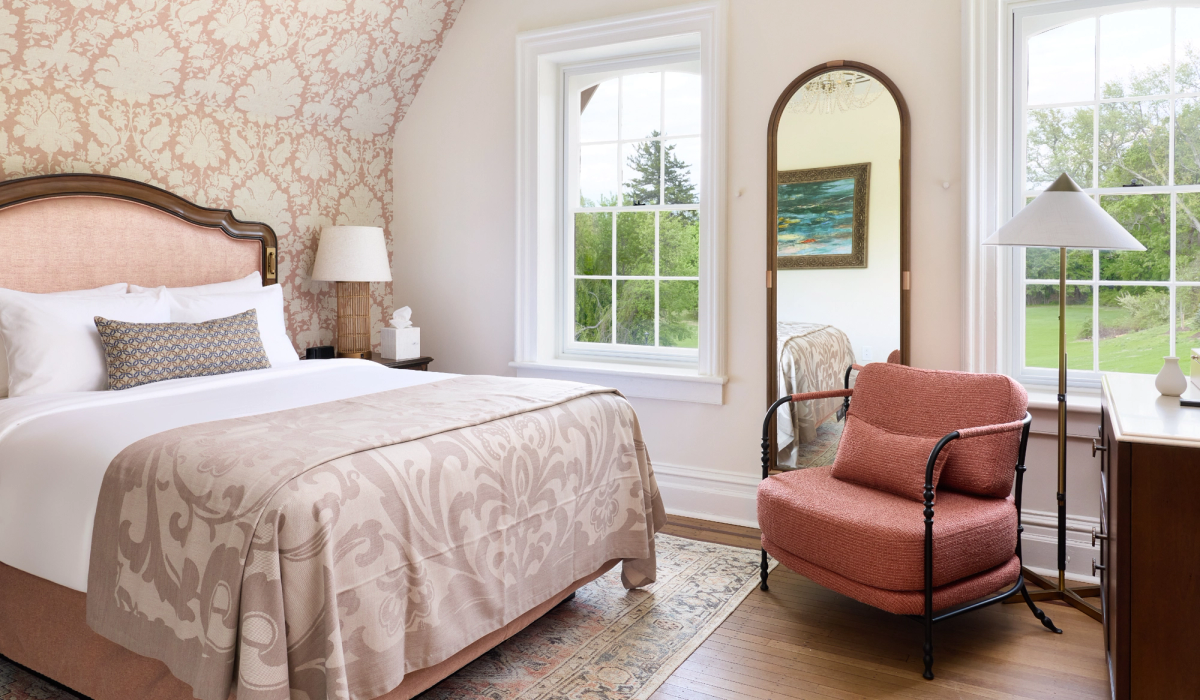
What sealed it, though, was how little the experience ended when I left the treatment room. The Spa Château rooms sit directly above the spa, so you can go from the table to your own bed still in a robe, and the Mansion rooms, in the original 19th-century Howland building, carry the same feeling in a quieter, older register. Either way, you get in-room fireplaces, Frette linens, custom Mirbeau Estate mattresses and a bathroom stocked with the spa’s own eucalyptus products, including a shower mist built to recreate the steam room at home. “The entire stay is part of the wellness experience,” Sinclair says. “The spa is simply the heart of it.”
A simple line but, by the second night of a 10-hour sleep, I believed her.
The habit I’ve kept since coming home is smaller than the oil or the massage. Sinclair calls it a “transition ritual,” using a sensory cue to mark the shift from one mode into another, the way the spa moves you from the locker room into the dim, quiet Resting Area. At home that’s dim lights, the phone in another room, some music playing. It sounds like nothing, but it’s also the only thing from a spa trip I’ve kept doing days later without being reminded, which is more than I can say for any other relaxation routine I’ve attempted this year.
If you’re only adding one thing beyond the seasonal treatment, make it a facial. Mirbeau’s spa uses Yon-Ka throughout, the French line built around plant extracts and aromatic oils rather than anything that reads as clinical. Mine leaned more on technique than product, long, unhurried pressure-point work across the jaw and temples, which tracked with everything else about the place.
Rooms start at $499 midweek and $659 on weekends, so this is a splurge, not a casual getaway, and it rewards a two-night stay over a quick treatment visit. Dining is French-inspired at the Bistro & Wine Bar, with a Champagne Terrace looking out over the gardens if you want a reason to linger past dinner. The appeal of Beacon needs to be mentioned, too. It is 70 miles up the Hudson Line from Manhattan (most of the staff is local, and they are, rightfully, proud of that), walkable, arts-heavy and small enough that the property doesn’t have to be the only reason you came. I’d pair a stay with an afternoon at Dia Beacon or Hudson Beach Glass and call it a full 48 hours of checking out.