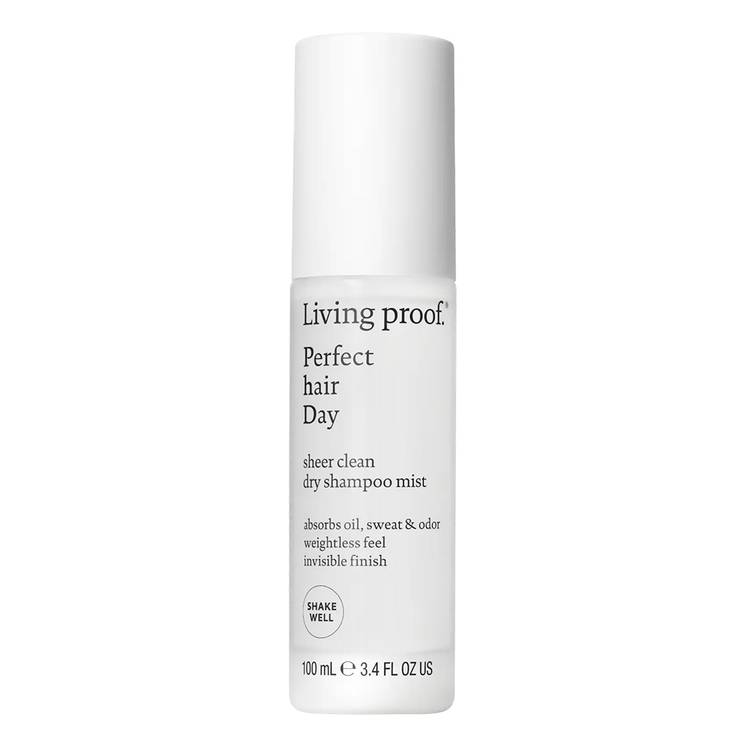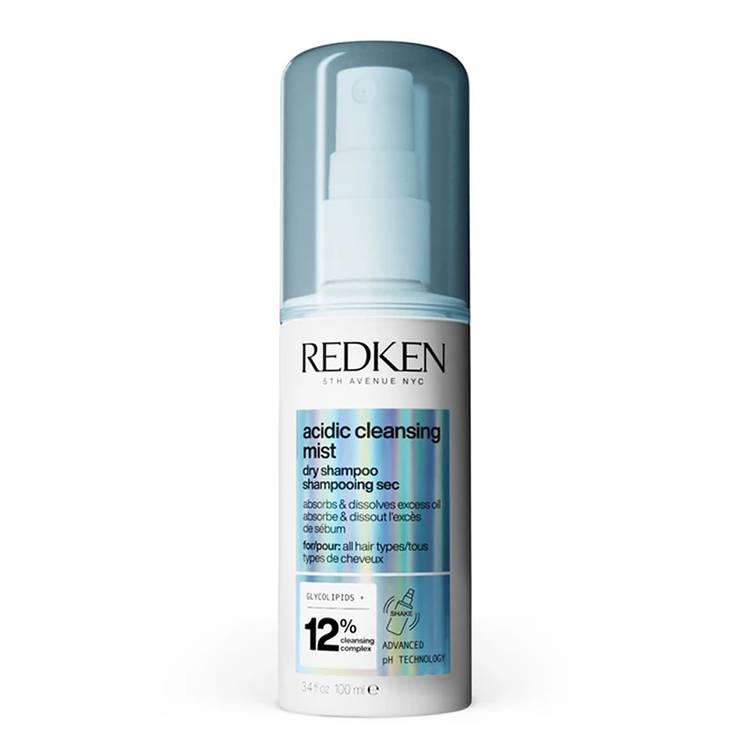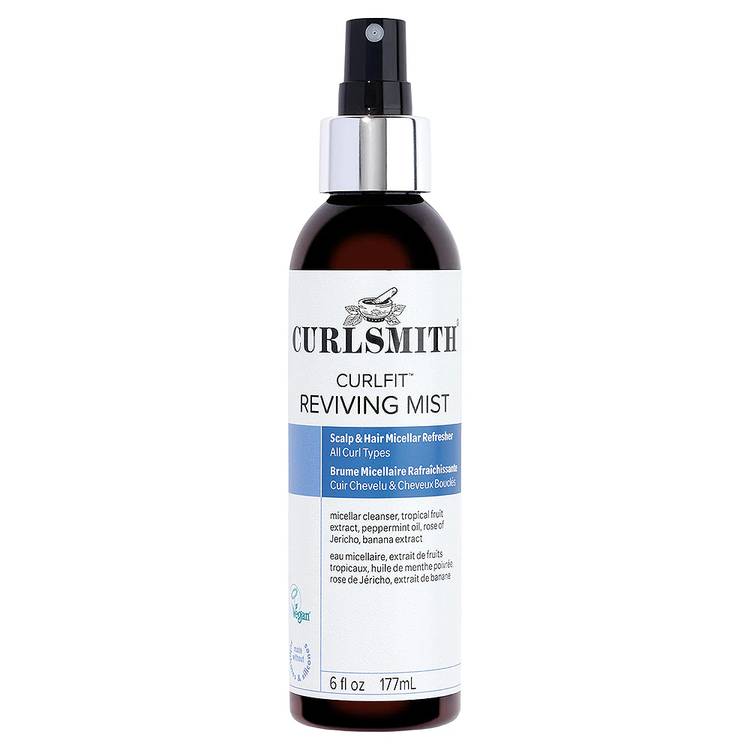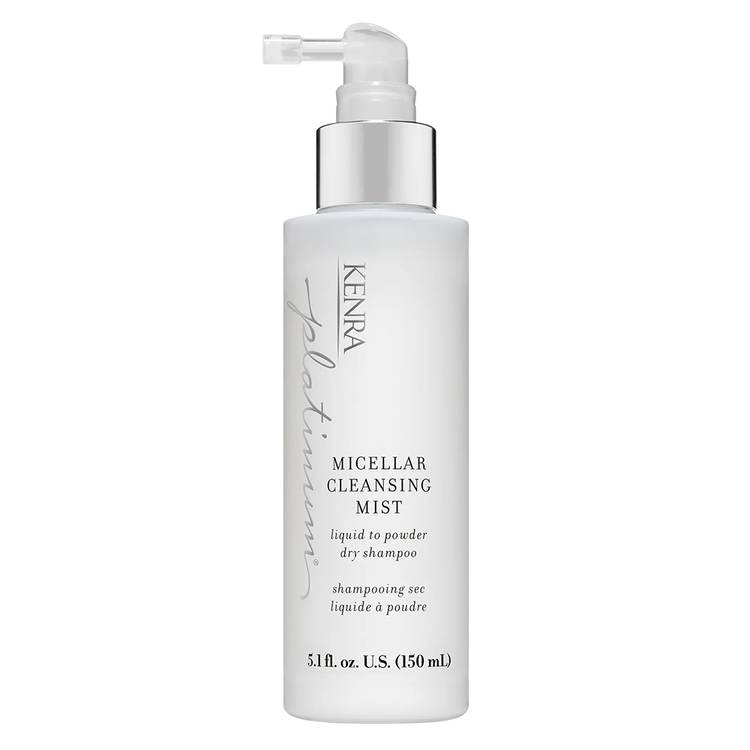
The dry shampoo ritual of shake, spray and wait for the powder cloud to settle has a new challenger: the non-aerosol micellar mist. Borrowing micellar technology from skin care (we knew this hack would spark a new product category), this new wave of sprays works to refresh roots without the chalky residue, or, of course, aerosol. To understand how these new formulas work, and why they’re shaping up to be one of the biggest hair product trends this year, we asked cosmetic chemist Ramya Viswanathan, founder of CMPRESSD Beauty.
How Micellar Dry Shampoo Works
Aerosol dry shampoos work through powder. “Traditional aerosols contain a high powder load—starches and sometimes silica—suspended in volatile propellant gases, commonly butane,” Viswanathan explains. “When sprayed, the volatile gases lift the hair, flash off and leave behind the starches to minimize grease by way of adsorption, meaning the oil sticks to the surface of the powder particles.”
The new mists take a different route. “The new non-aerosol mists have a much lower powder load, and as a result, are less likely to leave a residue,” says Viswanathan. “Instead of fully relying on adsorbents—starches or silica—they rely on volatile solvents, like denatured alcohol or isododecane, paired with mild surfactants.”
The trade-off with micellar mists is a little extra effort. “These do require some mechanical action like massaging the product on the scalp so that the micellar portion can redistribute scalp sebum and sweat,” Viswanathan says. “Because there isn’t a rinsing action, it’s important to note that these don’t thoroughly clean hair. They can, however, improve the greasy sensation by spreading oils and sebum throughout the scalp.”
Why They Are Trending Right Now
The timing may trace back to the benzene concerns that rattled the aerosol category a few years ago. “In a way, it created opportunity for innovation,” says Viswanathan. The micellar element is also a real functional upgrade for active types and gym goers. “Most of the aerosol formats rely solely on adsorption, whereas having a micellar element in these newer formats can be helpful between sweaty workouts if someone isn't quite ready to wash their hair yet. Because sweat is made up mostly of water and salt, a liquid micellar solution can help dissolve it better than a dry starch powder can.”
Micellar Water for Hair vs. Micellar Water for Skin
If you’ve ever used micellar water on your face, the concept will sound familiar, but Viswanathan says the experience isn’t identical. “While the technology is similar, the way they're used is what makes them different,” she explains. “When you use micellar water on your skin, you put it on a cotton pad and wipe it off. The product grabs the oil and makeup, and the cotton pad physically carries that dirt away from your face to actually remove.”
There’s no pad required for our hair. “With micellar dry shampoos, there is no wipe-off or rinse step,” Viswanathan says. “When you spray it and massage your scalp, sebum isn’t quite removed. The mild surfactants and volatile liquids help break up grease at the roots and spread it out thinly down hair strands.”
4 Micellar Dry Shampoo Mists to Try