Creatine has become one of those dietary supplements that is everywhere. Once mostly associated with bodybuilders and gym bros, it is now a women’s health darling, promising support for everything from muscle to brain health.
But beneath all the new attention is a supplement that has actually been studied for decades. So, should all women in their 30s, 40s and 50s start taking it? “Creatine is an effective supplement across the lifespan in both men and women,” says exercise science professor Scott Forbes, PhD.
Ahead, Dr. Forbes and holistic nutritionist Jennifer Hanway break down what creatine does, whether it helps with brain fog and how to choose the right one.
Featured Experts
- Scott Forbes, PhD is a professor in the Department of Physical Education Studies at Brandon University
- Jennifer Hanway is a board-certified holistic nutritionist
What Does Creatine Actually Do?
Creatine is naturally produced in the body and also comes from foods like red meat and seafood. Most of it is stored in our muscles, where it helps the body quickly make the energy needed for short bursts of activity. “The most consistent and reproducible benefits are improvements in strength, power, training capacity and lean mass, particularly when creatine is combined with resistance training,” says holistic nutritionist Jennifer Hanway.
And while brain health and other benefits are getting more attention now, muscle is still where we have the most evidence. “The strongest research is for creatine to support strength training, including gains in muscle mass, strength and improved functionality,” says Dr. Forbes.
Why Are Women Talking About It Now?
For women in their 40s and 50s, the timing makes sense. We are talking much more about perimenopause, protein needs and protecting muscle as we age. “There are numerous hormonal and physiological changes that occur during perimenopause and menopause which could benefit from creatine, particularly to help maintain muscle mass and strength,” says Dr. Forbes.
There is research specifically in postmenopausal women, too. “Current evidence suggests that creatine, particularly when combined with resistance training, can support lean mass and strength in postmenopausal women,” says Hanway. That has helped move creatine into the same midlife health conversation as muscle loss and menopause supplements.
Do I Have to Lift Weights for It to Work?
If you are taking it for muscle, Dr. Forbes says exercise matters. “To get the muscle benefits, it appears like strength training is necessary,” he says. He makes a distinction with the possible brain benefits, which may not depend on whether you work out.
There is some research showing benefits without exercise. Hanway points to a recent 12-week study of adults ages 45 to 65 who took 10 grams of creatine monohydrate a day without following a structured exercise program and still increased lean tissue mass, strength and muscular endurance. Still, “If muscle preservation and body composition are the goal, creatine should be viewed as an adjunct to resistance training, adequate protein and overall nutrition, not a replacement for them,” she says.
Does Creatine Help With Brain Fog?
The brain-health claims are harder to pin down. Dr. Forbes says researchers are seeing potential benefits when the brain is under stress, including sleep deprivation and mental fatigue. “There is emerging literature that creatine can benefit the brain, particularly when stressed,” he says. He also notes that these potential benefits may show up even in people who do not strength train.
That does not mean we can call creatine a brain fog supplement just yet. Studies have looked at memory and cognitive performance, particularly during sleep deprivation, but the results in healthy adults have been mixed. “Cognition should currently be considered an emerging area of research rather than an established benefit,” says Hanway.
Will Creatine Make Me Bloated or Gain Weight?
A little water weight is possible, particularly when you first start taking it. Hanway says that may show up as a small change on the scale, but “this is not the same thing as gaining body fat.” The water is associated with increased creatine stores in the muscle.
Dr. Forbes says side effects in general are rare. He points to a recent review of 685 published studies that found no increase in side effects with creatine compared with placebo. “There is a very small increase in water retention, however, this water stimulates muscles to grow and goes away over time,” he says. He recommends that anyone with pre-existing kidney disease and pregnant women check with their doctors before taking it.
What Kind of Creatine Should I Buy?
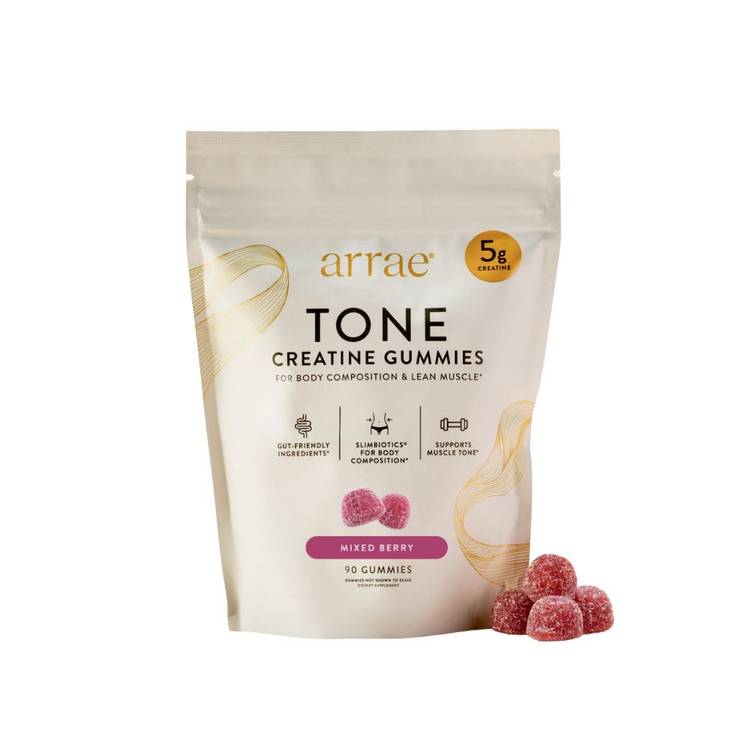
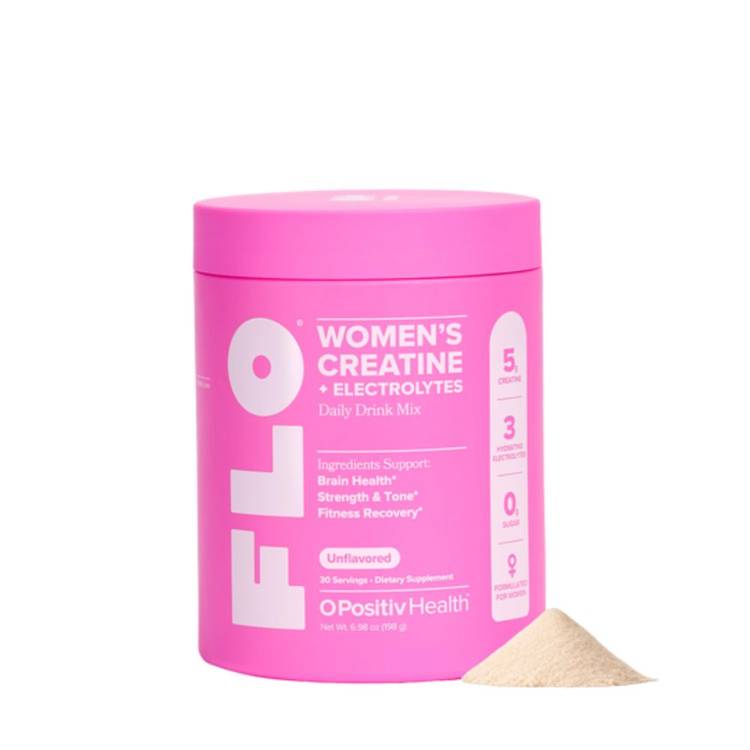
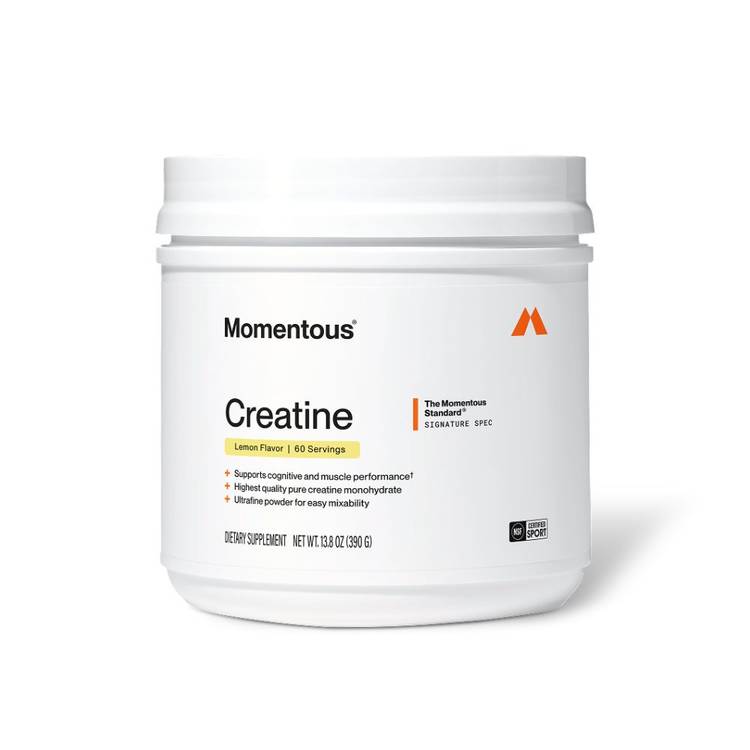
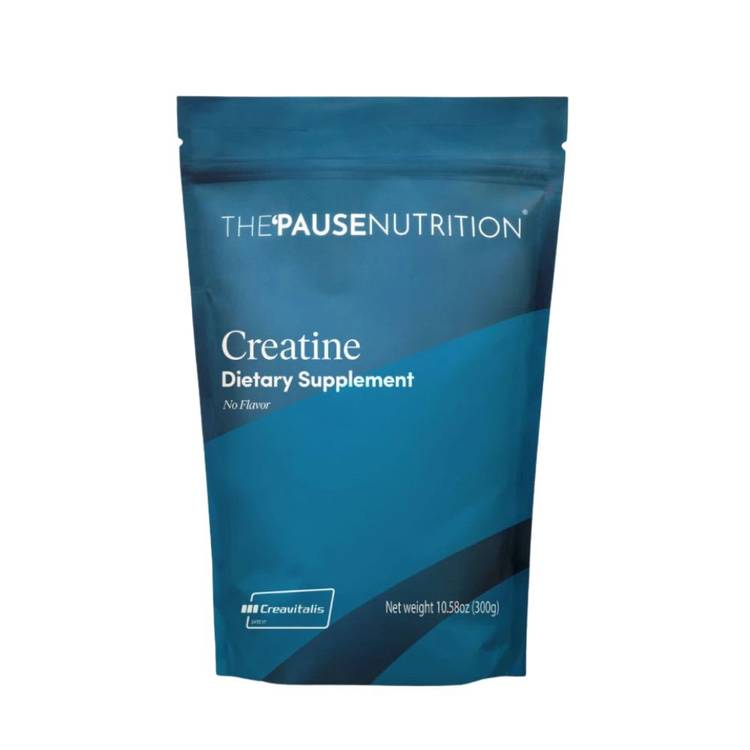
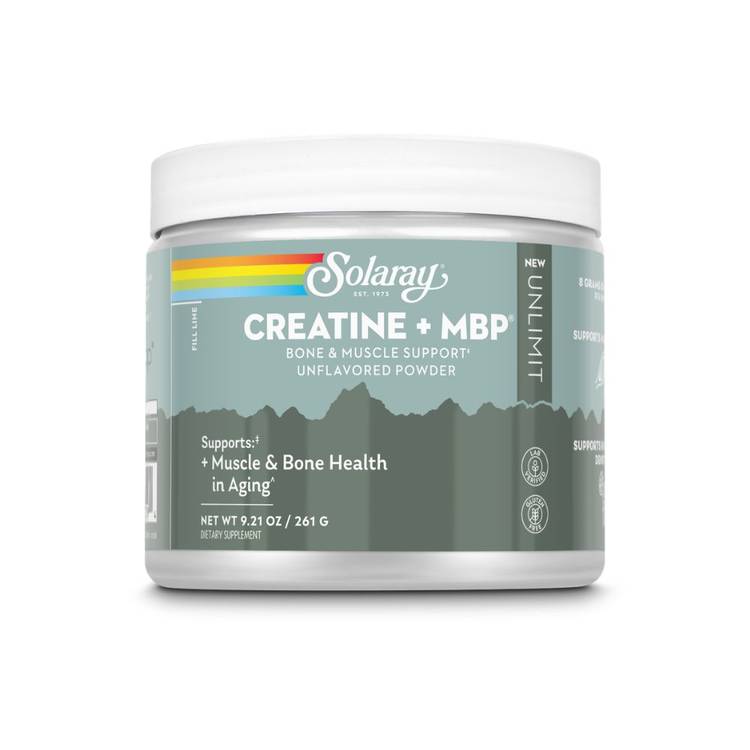
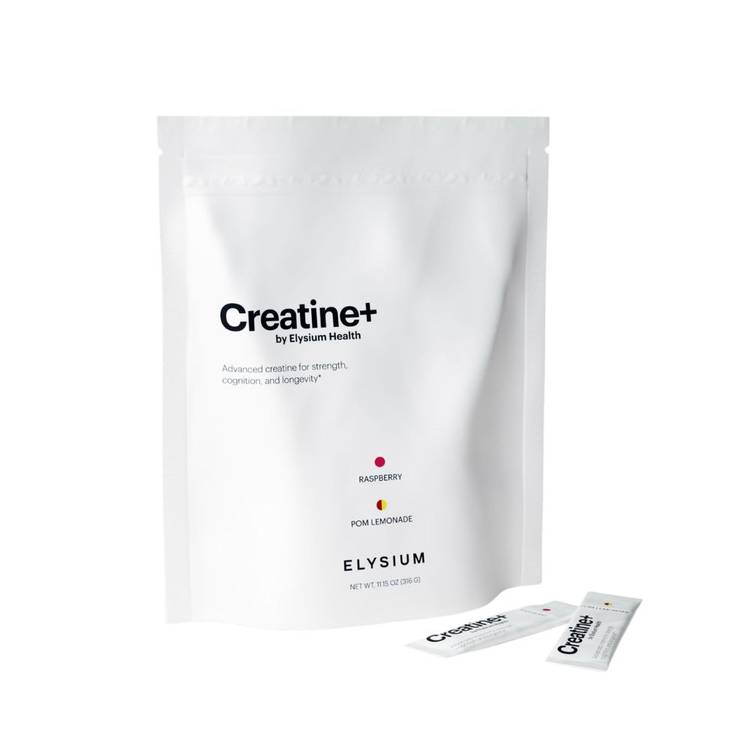
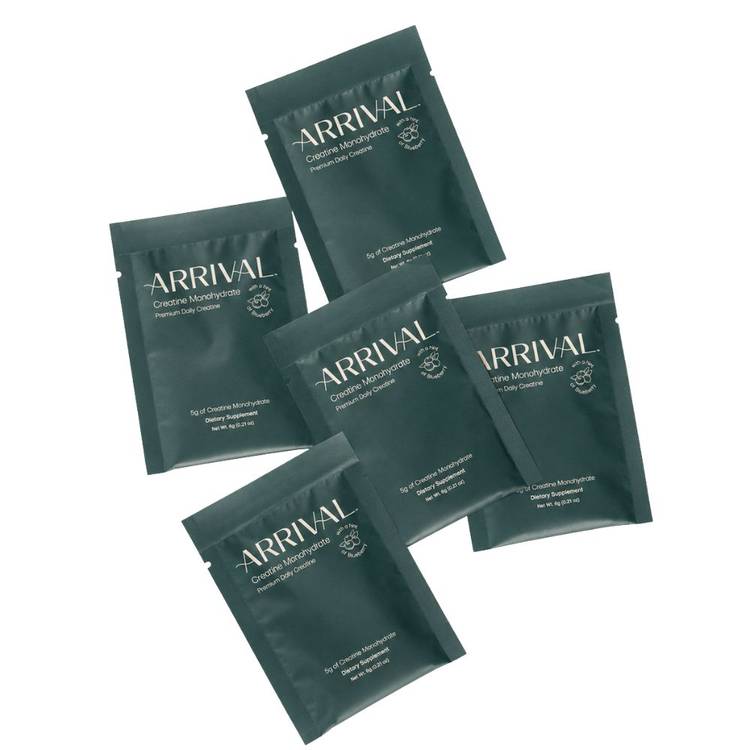
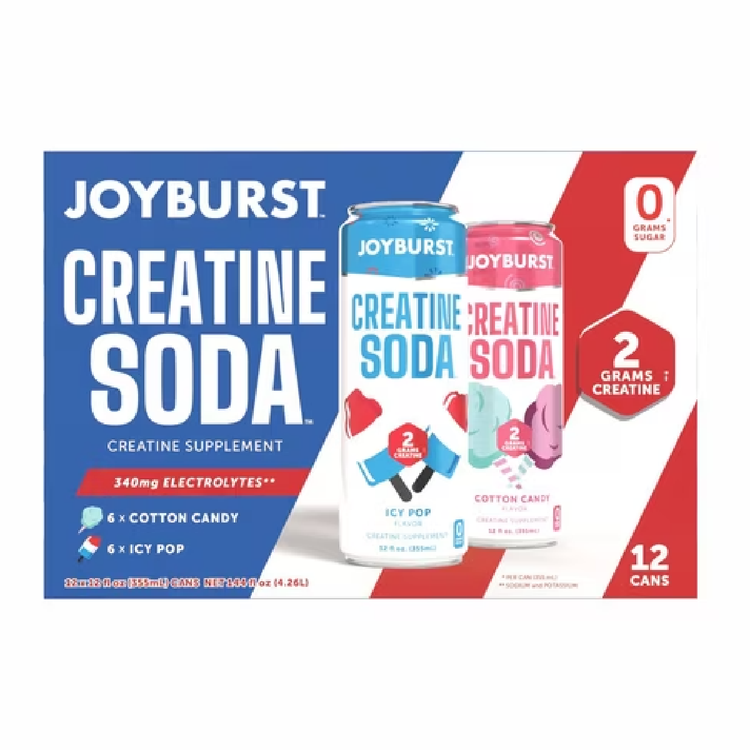
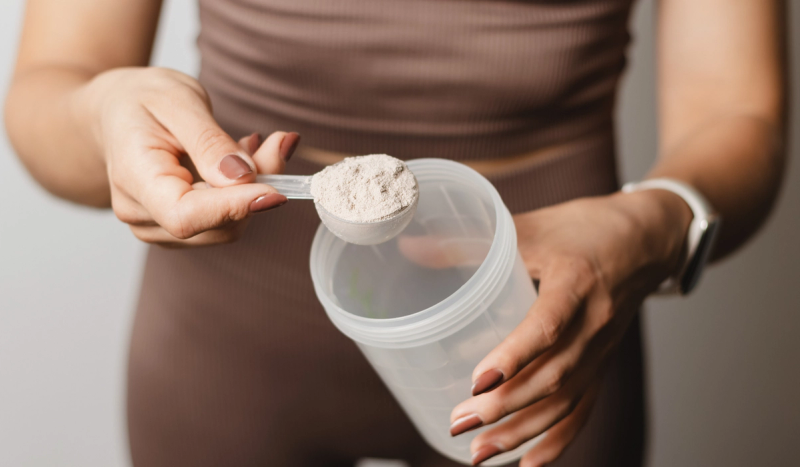
For all the new creatine products on the market, Hanway says you do not need a fancy version. “Plain creatine monohydrate is the standard choice. It is the most extensively studied form, generally inexpensive, and alternative forms have not demonstrated sufficiently superior outcomes to justify paying substantially more.” For most people, she recommends 3 to 5 grams once a day, and loading is optional.
Dr. Forbes favors a more individualized dose of 0.1 grams per kilogram of body weight per day and suggests taking it close to your workout on exercise days. He also recommends looking for NSF certification or independent testing. “It typically takes two to four weeks before your muscle will be filled with creatine and it might take another two to four weeks before you notice the benefits from a muscle perspective,” he says. Keep that timeline in mind as you compare supplements for women over 50 and wonder when you should expect to feel a difference.
Best Creatine Supplements for Women