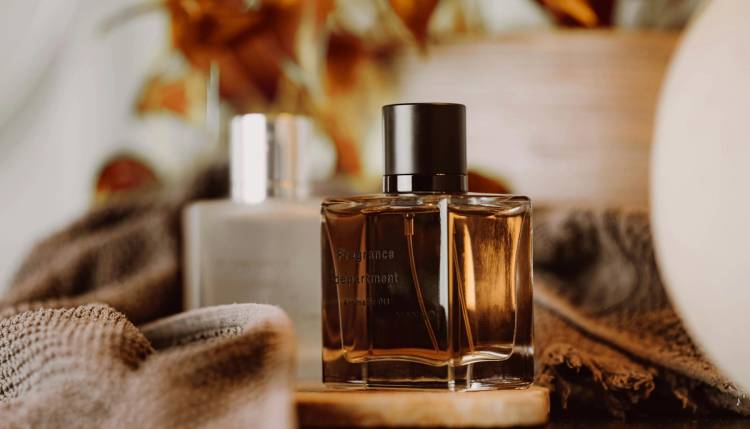
For decades, fragrance has followed the same formula: a blend of scent oils suspended in alcohol, designed to evaporate quickly and project outward. It’s a system that works, but it’s not without drawbacks, especially as consumers become more focused on skin health and ingredient transparency.
Now, a new wave of water-based fragrances is starting to challenge that long-standing standard. And with Uni’s debut Eau Fraîche collection launching today, the category is getting fresh attention.
Why Traditional Fragrances Rely on Alcohol
Alcohol has long been the default carrier in fragrance because of how effectively it performs. It dissolves fragrance oils, helps them disperse evenly and evaporates quickly—creating that immediate burst of scent and strong projection many people associate with perfume.
But that fast evaporation is also what can make fragrance feel sharp on first application. For some, especially those with dry or sensitive skin, repeated use can also contribute to irritation or dehydration.
What Makes Water-Based Fragrances Different
Water-based fragrances flip that model. Instead of alcohol, they rely on a base of water combined with humectants like glycerin and other skin-conditioning ingredients. Because water doesn’t evaporate as quickly, the scent releases more gradually—resulting in a softer, more diffused wear.
The tradeoff has traditionally been performance. Water and oil don’t naturally mix, which has made it difficult to create formulas that are both stable and long-lasting. That’s why many earlier versions of water-based fragrance felt more like body mists than true perfumes.
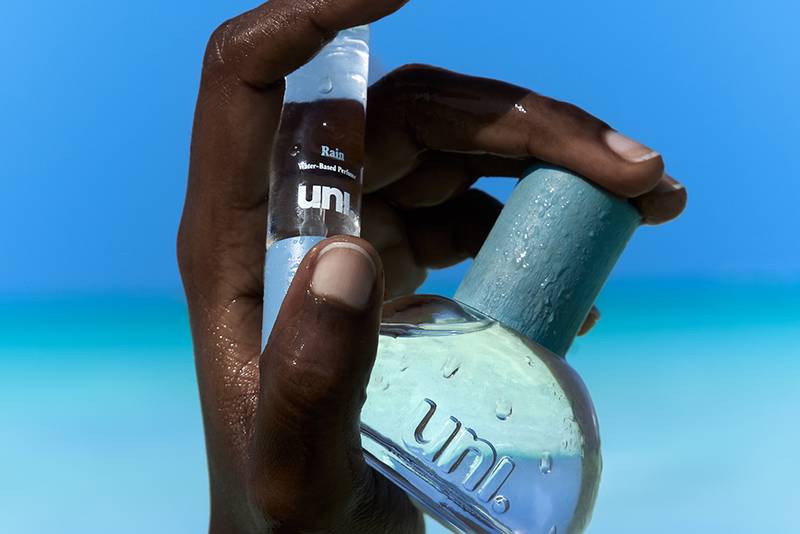
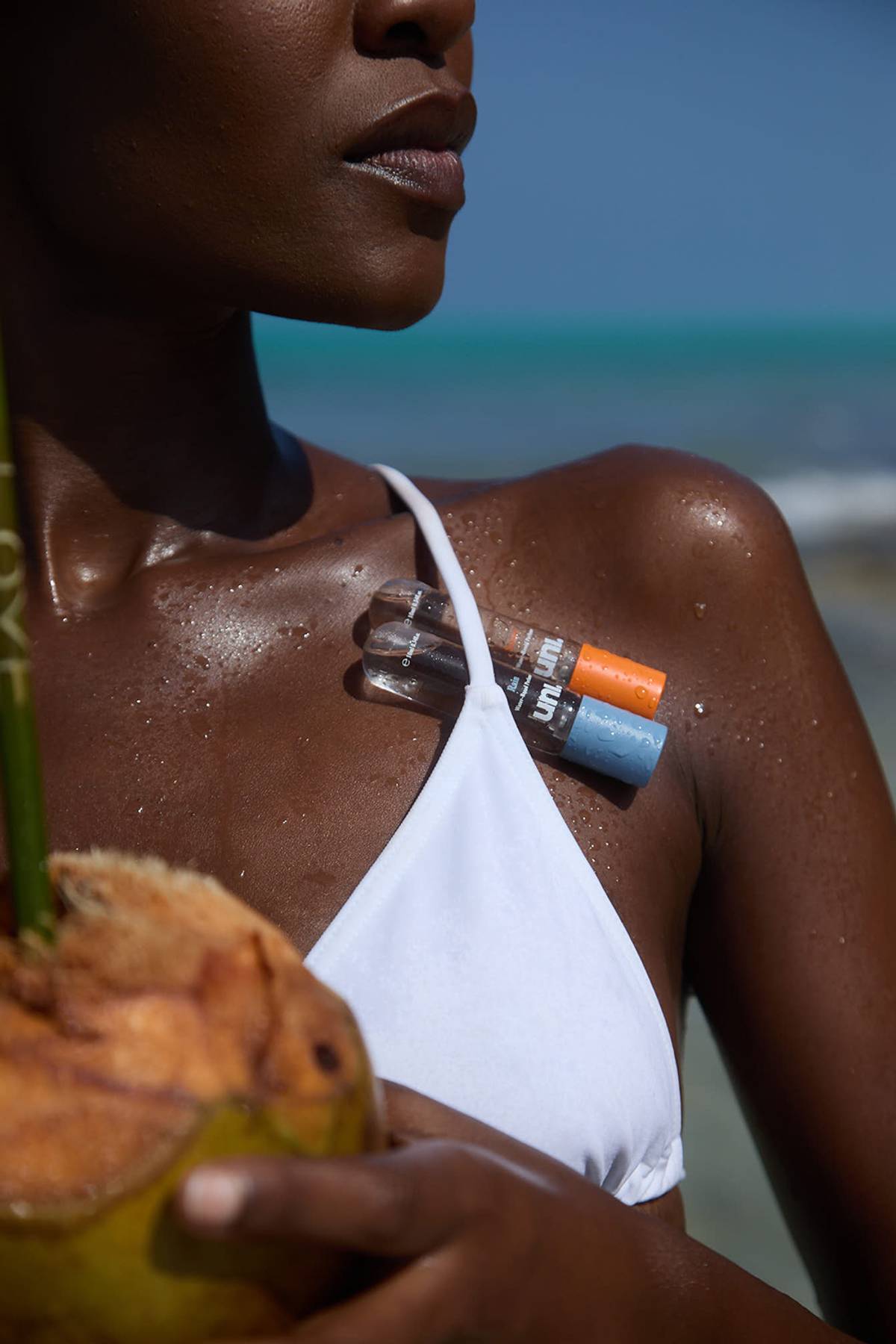
Newer formulations, however, are starting to address that limitation. One of the latest brands to push this category forward is Uni, which is entering fragrance with its new Eau Fraîche collection. Instead of alcohol, the formulas use purified water, glycerin and plant-derived humectants, along with PEG-free, plant-based solubilizers to keep fragrance oils evenly dispersed—an approach designed to deliver longer wear with a softer, more skin-like finish. (The debut includes two scents—Ischia Sunset, the signature scent from the brand’s 24-Hour Body Serum and Rain, inspired by its marine roots.)
The Shift Toward Skin-First Fragrance
This evolution reflects a broader shift in the beauty industry: fragrance is no longer treated as separate from skin care.
Instead of prioritizing projection alone, newer formulas are designed to work with the skin—layering in ingredients like humectants, marine extracts and barrier-supporting compounds. In Uni’s case, that includes a proprietary Marine Complex meant to help maintain hydration and support the skin barrier while delivering scent.
It’s part of a growing “skin-first fragrance” movement, where how a product feels is just as important as how it smells.
Who Water-Based Fragrance Is Best For
Because they’re typically gentler and more hydrating, water-based fragrances may appeal to those with sensitive or dry skin, or anyone who finds traditional perfumes too harsh. They also tend to wear closer to the skin, making them a good option for people who prefer a more subtle, intimate scent rather than something that fills a room.
That said, the experience is intentionally different. Alcohol-based fragrances still offer stronger projection and more immediate impact, so choosing between the two often comes down to personal preference.
The Bottom Line
Water-based fragrance isn’t necessarily replacing traditional perfume—but it is expanding what fragrance can be.
As formulations improve, the category is moving beyond the tradeoff between performance and skin comfort, offering an alternative that aligns more closely with today’s ingredient-conscious approach to beauty.
And with more brands beginning to explore the space, it’s likely this shift is only just getting started.