Melasma is notorious for being challenging to fade. As someone who has it and struggles with it during the warm summer months, I can attest to this. With numerous treatments available, including lasers, chemical peels, skin-care actives and prescription topicals and oral medication, sometimes the best approach can be throwing the kitchen sink at the situation.
Wearing sunscreen daily is non-negotiable for everyone, but especially for those with melasma. Ahead, we break down the causes of melasma, treatment and prevention options and why certain sunscreens can help minimize its effects.
Featured experts
- Dr. Shereen Teymour is a board-certified dermatologist in New York
- Connie Yang, MD is a board-certified dermatologist in New York
What is melasma?
“Melasma is a chronic pigmentary disorder that causes symmetrical brown or gray-brown patches on the skin, most commonly on the cheeks, forehead, upper lip and chin,” explains New York dermatologist Dr. Shereene Teymour. These patches sometimes look like they have hazy, moth-eaten borders. Melasma is not harmful, but it can be difficult to treat because it tends to recur.
“It’s triggered by a combination of factors, including UV exposure, visible light, hormones, genetics and even heat. It’s especially common during pregnancy, which is why it’s sometimes called the ‘mask of pregnancy,’ and it can also be triggered or worsened by hormonal contraceptives and hormone replacement therapy,” explains New York dermatologist Connie Yang, MD.
Melasma occurs when melanocytes, the pigment-producing cells in the skin, become overactive and produce excess melanin. Though it can affect anyone, those most prone to melasma are women, individuals with darker skin tones and those with a genetic predisposition.
Melasma vs. hyperpigmentation
Melasma is a type of hyperpigmentation, which is considered an umbrella term that refers to any area of the skin that becomes darker due to excess pigment production. As dermatologists say, all melasma is hyperpigmentation, but not all hyperpigmentation is melasma. What differentiates melasma from other types of hyperpigmentation is its triggers and tendency to recur, making it one of the more challenging pigmentary conditions to treat. “Unlike post-inflammatory hyperpigmentation, which develops after skin injury or inflammation caused by acne, eczema or a rash, melasma tends to appear symmetrically on the face in larger patchy areas and is strongly influenced by hormones, UV exposure, visible light and heat,” says Dr. Yang.
What is the best way to prevent and treat melasma?
The most effective approach to treating melasma, according to dermatologists, is a combination of prevention and treatment, but the most important part of the equation is sun protection. “Many patients focus on finding the perfect cream, laser, peel or prescription, but the reality is you can spend thousands of dollars on the best treatments available and still struggle with melasma if you’re not diligent about sun protection,” Dr. Teymour says. She further explains that melanocytes, the pigment-producing cells in our skin, have memory. “Once they’ve been activated, they’re much quicker to produce pigment again in response to triggers.”
Dr. Yang likes to combine topical lightening agents, such as hydroquinone and retinoids, with oral tranexamic acid and a series of gentle laser treatments. “Over-the-counter topical pigment suppressors like tranexamic acid, cysteamine, azelaic acid and vitamin C can also be helpful but better used as a preventative measure for milder cases.” Since melasma is considered a chronic condition, the best treatment plan is focused on long-term management.
Tinted sunscreen is better for melasma
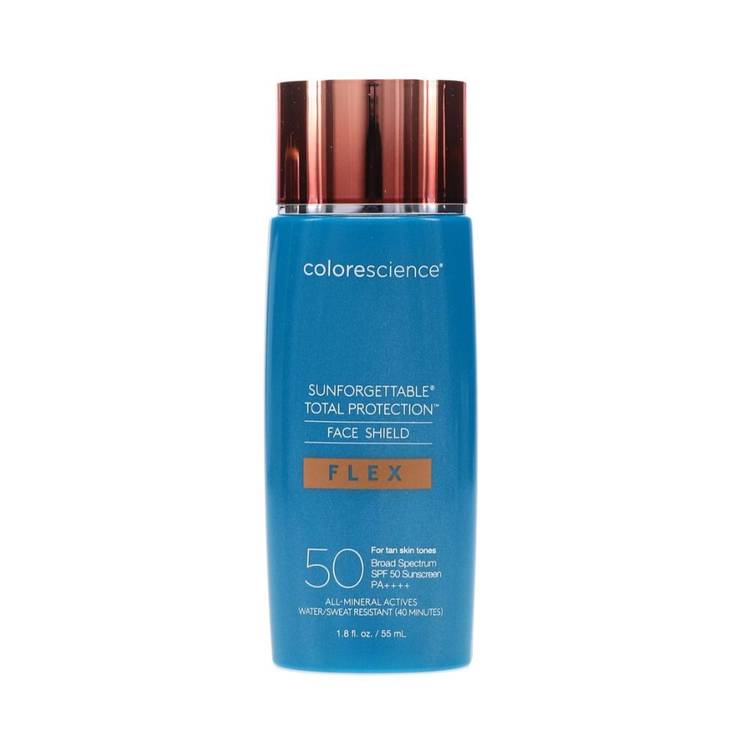
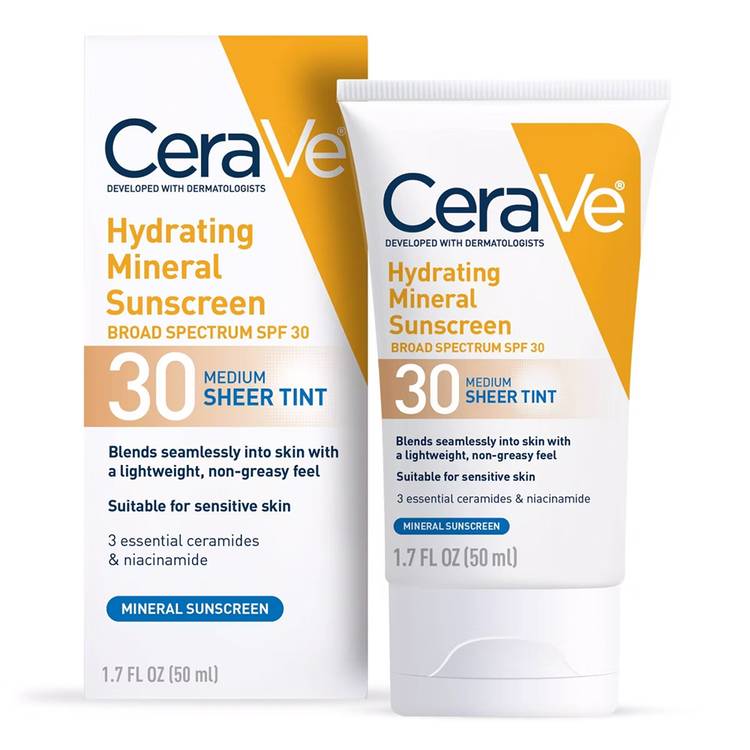
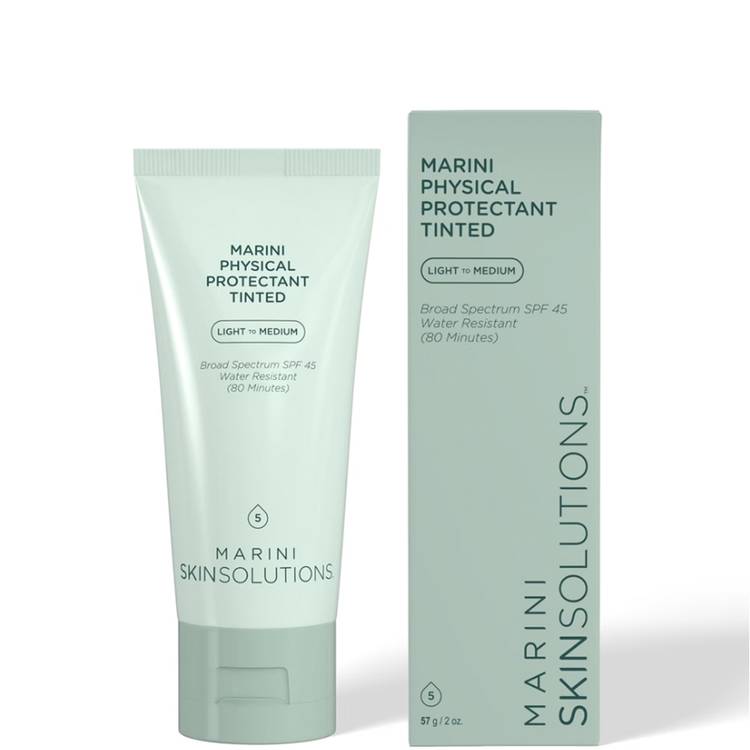
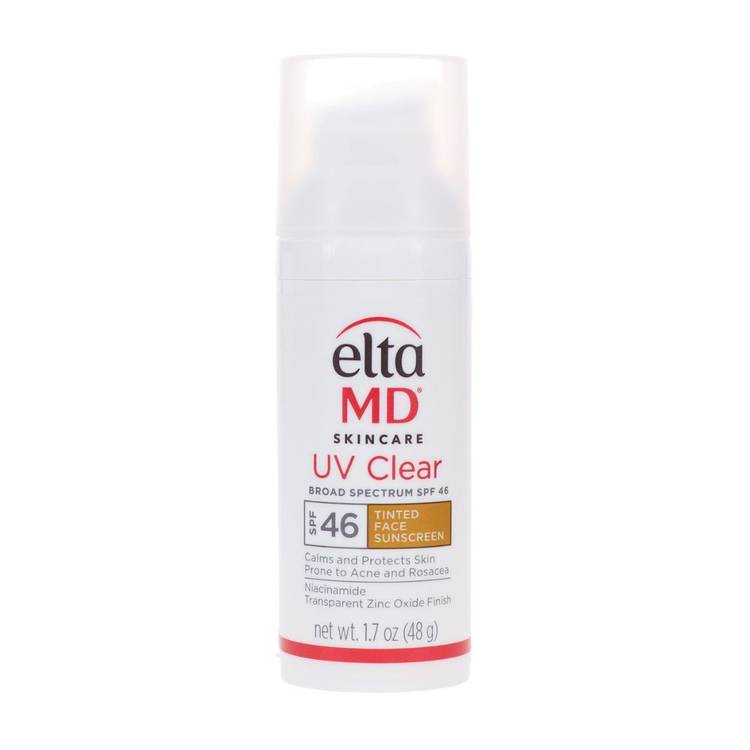
Sunscreen is a must—melasma or no melasma. However, dermatologists specifically recommend tinted sunscreens because they offer something extra to help keep annoying melasma patches at bay. “Tinted sunscreens contain iron oxides, which provide additional protection from visible light (specifically high-energy blue light), which can worsen pigmentation,” explains Dr. Yang.
Dr. Teymour says that while we have a standardized way to measure UV protection with SPF, we don’t currently have a universally accepted way to measure protection against visible or blue light. “This is particularly important for melasma patients because visible light is known to trigger pigmentation and SPFs that contain iron oxides are known to offer protection from this.” She cautions that, though they offer protection, the degree of protection can vary across formulas due to a lack of standardization.
Tinted sunscreen recommendations
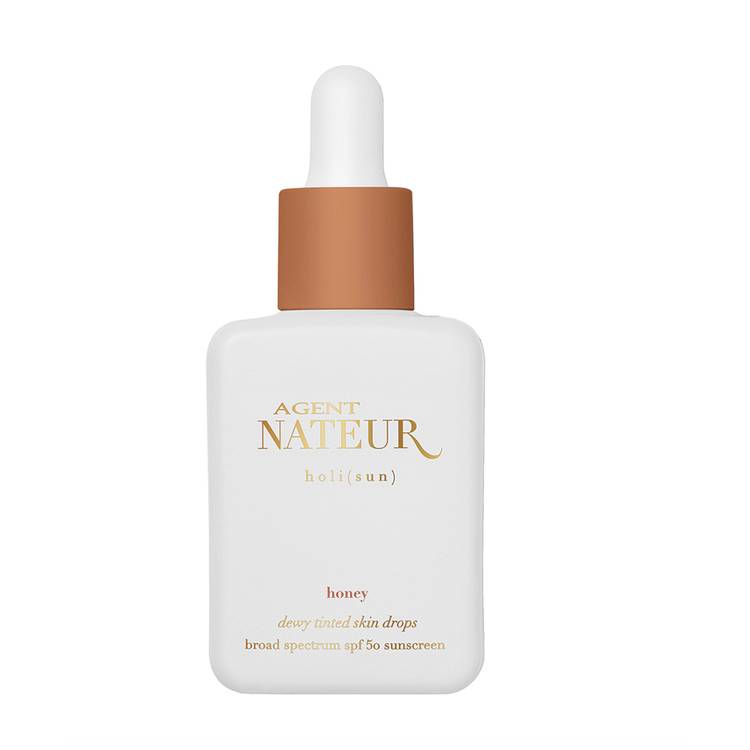
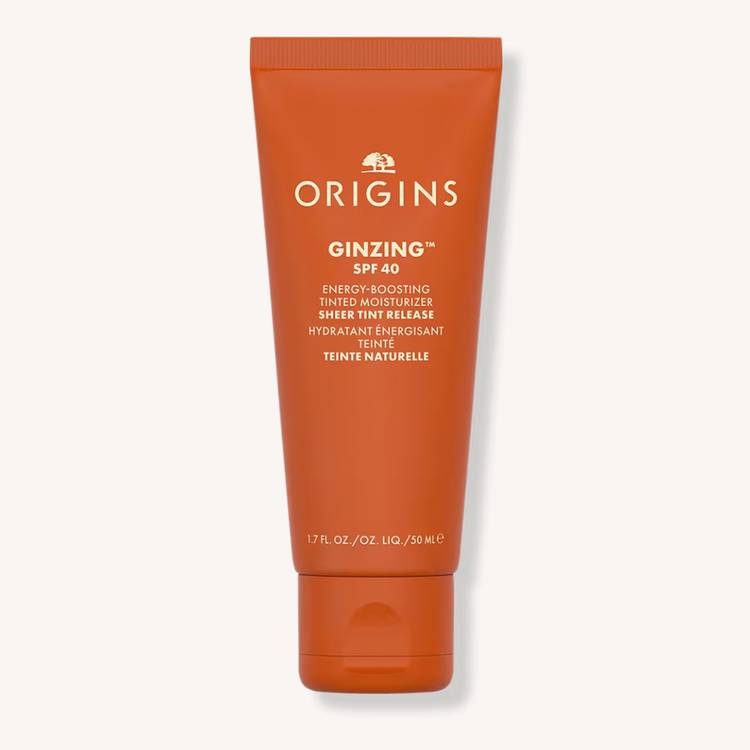
Agent Nateur holi (sun) spf 50 dewy tinted skin drops