Tretinoin is a prescribed skin-care ingredient known for its wrinkle-diminishing prowess and credited as a gold standard for acne care, but even among the healthiest of skin, side effects like dryness and irritation persist if you use it incorrectly or don't account for it in your skin-care routine. "The way tretinoin is being used today is often more aggressive than it should be," says New York dermatologist Julie Russak, MD. She explains the tendency nowadays (largely driven by social media) is to apply it nightly, combine it with multiple active ingredients and push through any irritation as if that is part of the process. But just because something is "stronger" doesn't automatically mean it’s "better."
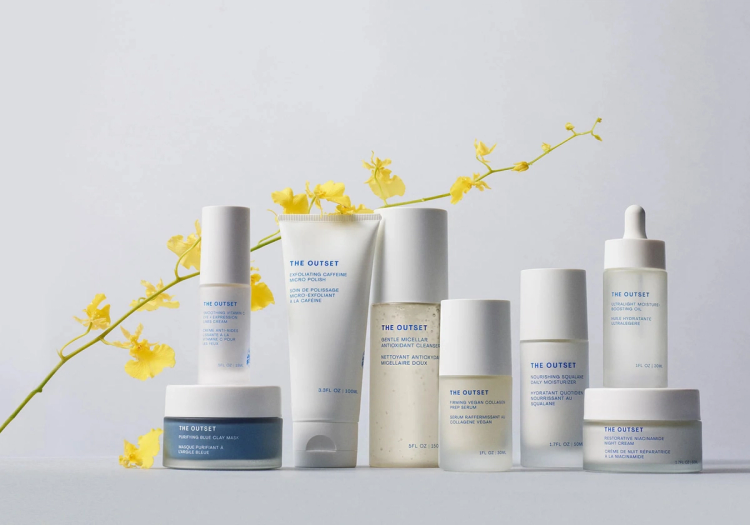
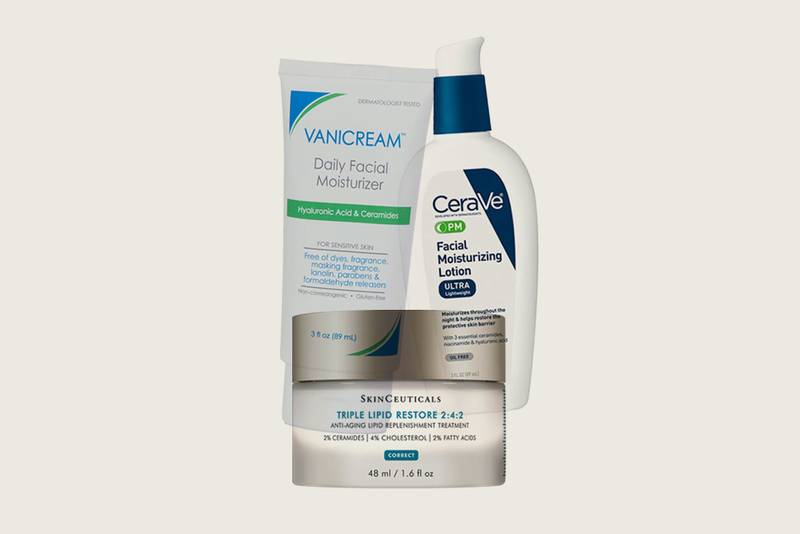
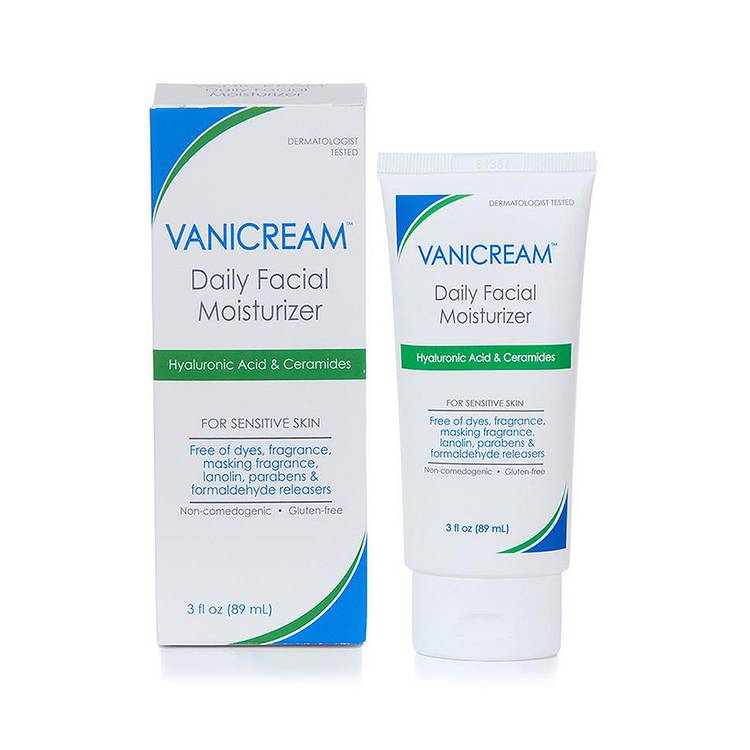
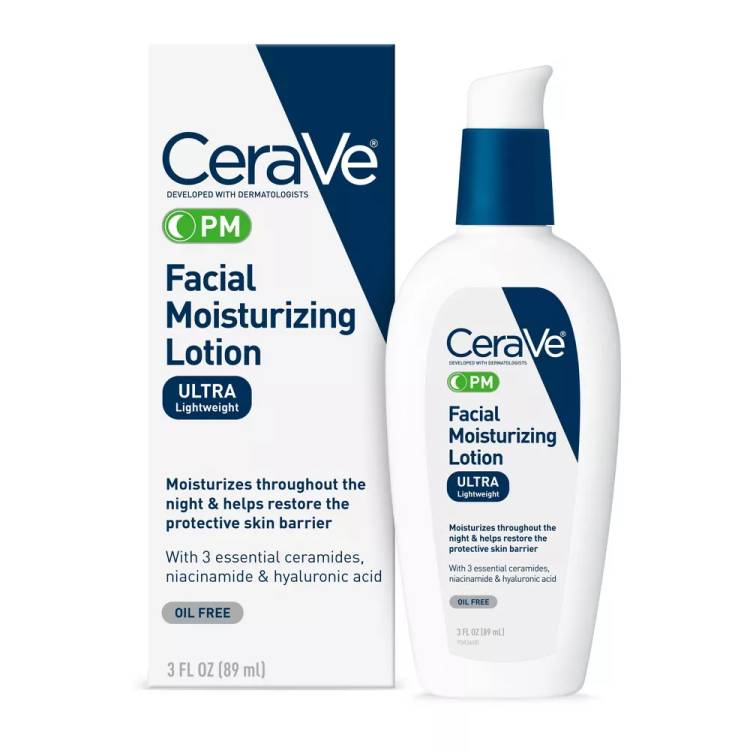
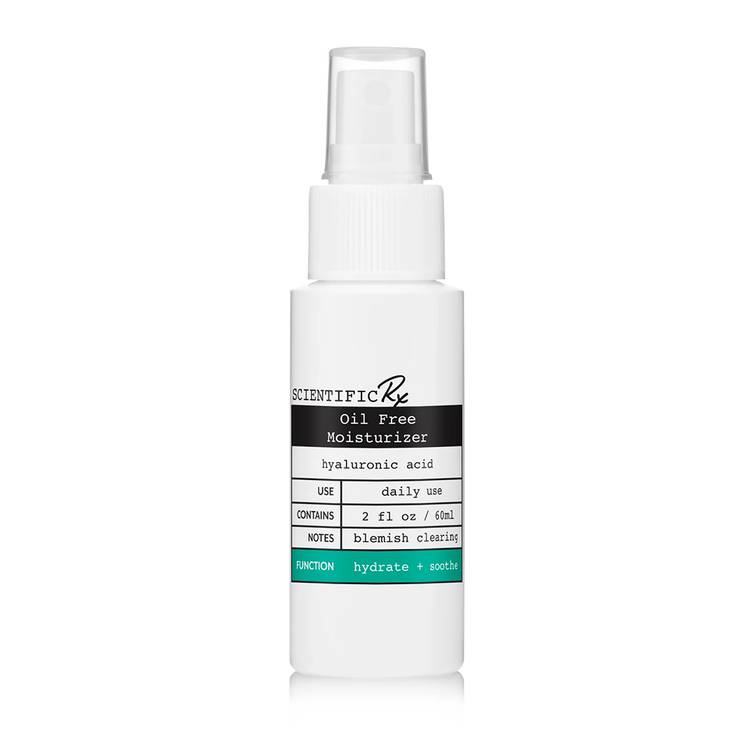
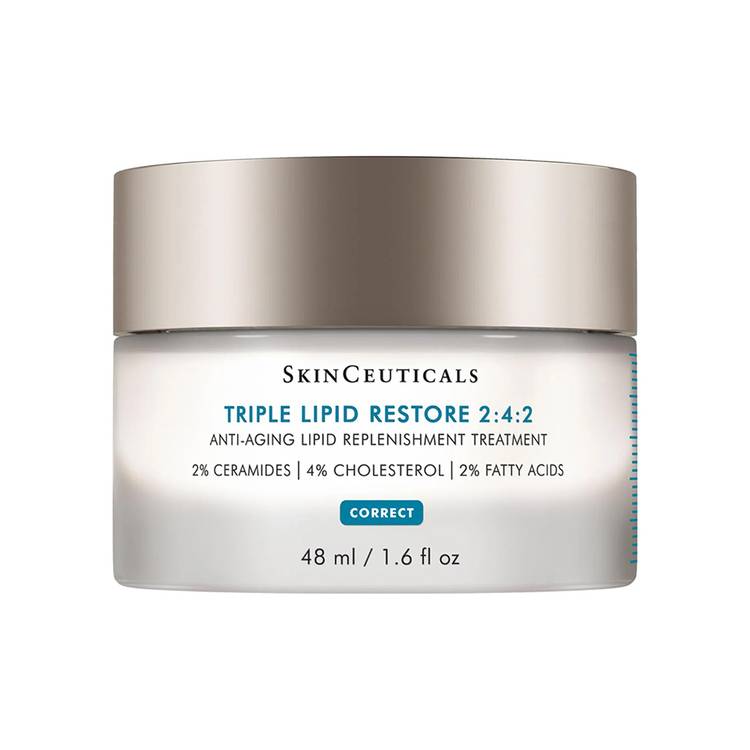
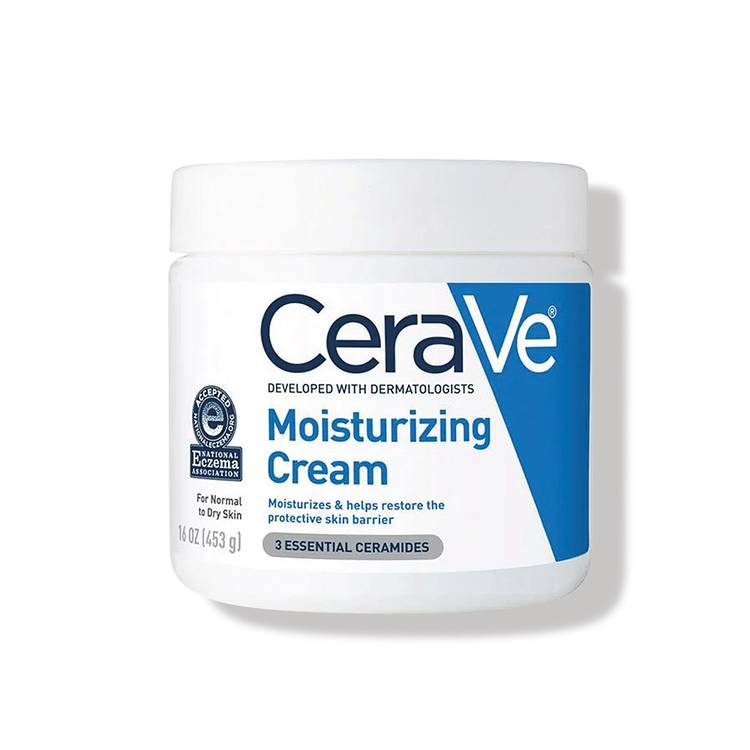
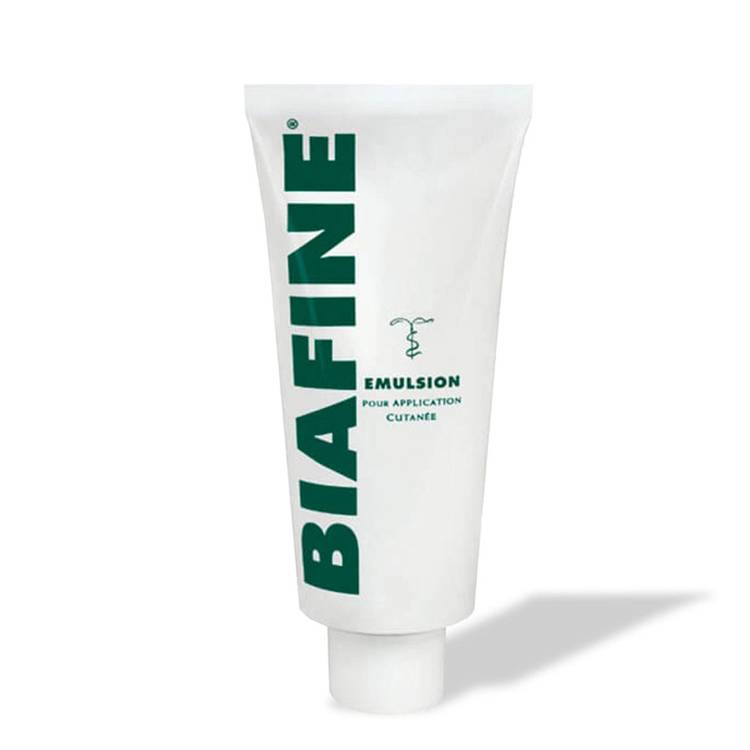
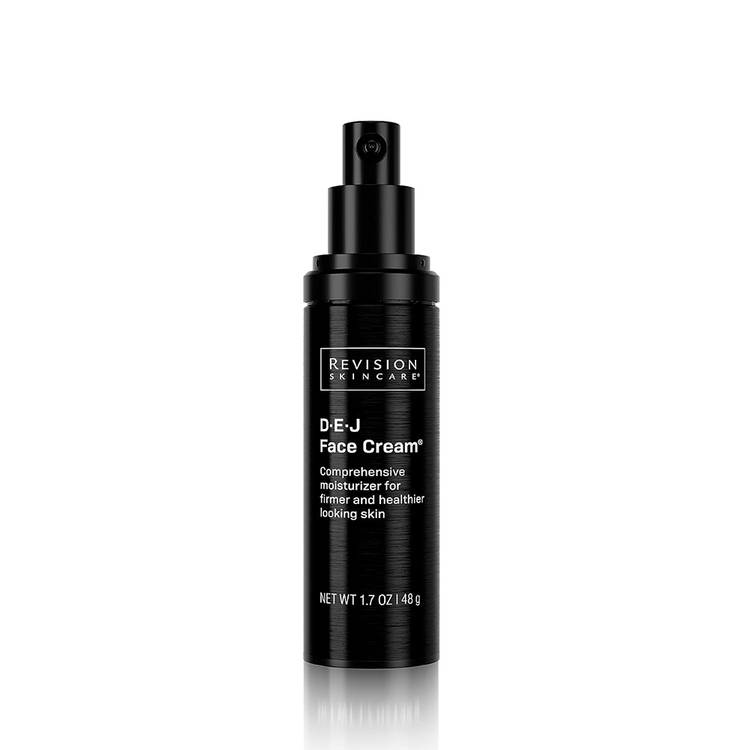
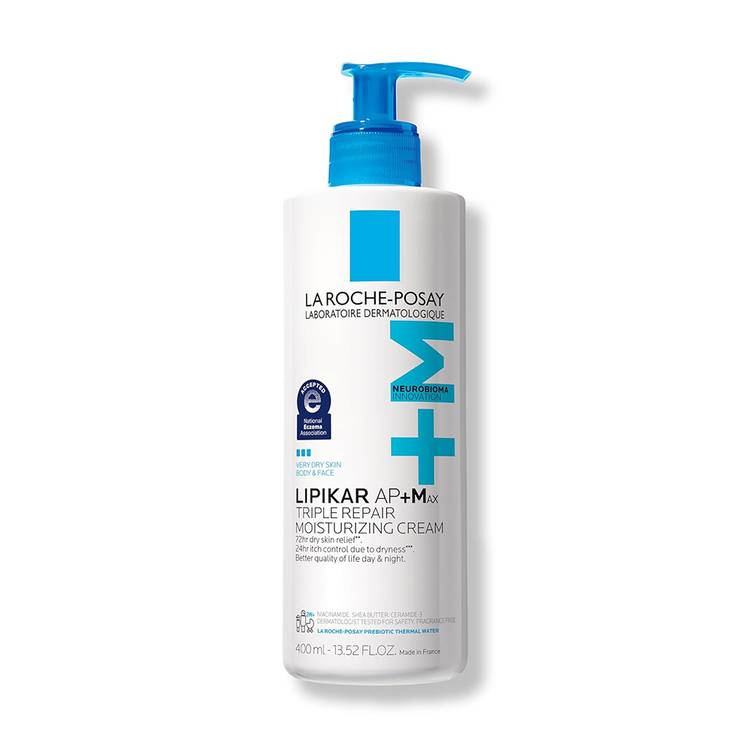
When using tretinoin, the moisturizer you're using needs to replenish the lipid matrix that becomes depleted with retinoid use, especially in more mature or already dry skin. Ingredients like ceramides, cholesterol and fatty acids are "essential," says Dr. Russak, and niacinamide and panthenol are also great to reduce inflammation and soothe skin, respectively. West Palm Beach dermatologist Kenneth Beer, MD, adds that humectants like hyaluronic acid and glycerol/glycerin should also be on your radar, and highly recommends that your skin care be fragrance- and preservative-free.
For results that are worth the effort of getting prescribed skin care like tretinoin, a good place to start is upgrading your moisturizer. Keep reading to see Dr. Beer and Dr. Russak's top moisturizer picks to pair with tretinoin, plus a deeper dive into what tretinoin actually is, how it works, how to use it, who should avoid it and more.
Featured Experts
- Julie Russak, MD is a board-certified dermatologist in New York
- Kenneth Beer, MD is a board-certified dermatologist in West Palm Beach, FL
Dermatologist-Recommended Moisturizers to Pair With Tretinoin
What Is Tretinoin?
"Tretinoin is a prescription-strength retinoid, a derivative of vitamin A that directly interacts with skin cell receptors to normalize cell turnover, stimulate collagen production and improve overall skin function," explains Dr. Russak. "Unlike over-the-counter options, it is biologically active in its applied form, which is why it delivers more predictable and clinically meaningful results."
What Is the Difference Between Tretinoin and Retinol?
"Tretinoin is the active form of vitamin A as opposed to retinol which is a precursor molecule that becomes tretinoin," says Dr. Beer. "This difference is what makes tretinoin more effective but also more disruptive to the skin barrier, especially early in use," adds Dr. Russak. "Retinol is generally less strong that tretinoin and causes less irritation," notes Dr. Beer.
What are the Benefits of Tretinoin?
"From a longevity perspective, [tretinoin] is one of the few topicals that meaningfully influences how skin behaves, not just how it looks," says Dr. Russak. That's because tretinoin, when used appropriately, improves the way the skin functions at a cellular level—leading to smoother texture and improved overall skin quality. Tretinoin also stimulates collagen production, which supports firmness and helps maintain structural integrity as the skin ages, and improves uneven skin pigmentation.
If you struggle with acne, tretinoin can help normalize oil and sebum production, too. "It is typically used to treat acne because this increased turnover helps clear comedones or clogged hair follicles and provides anti-inflammatory effects," explains Dr. Beer.
Who Is Tretinoin Best For? Who Should Avoid It?
"Tretinoin is best suited for patients looking to address poor skin quality, acne and uneven pigmentation," says Dr. Russak, but "barrier status matters more than age when determining whether tretinoin or retinol is appropriate," so always consult with your board-certified dermatologist before using.
If you are pregnant, suffer from inflammatory conditions like eczema or rosacea, have a compromised skin barrier, are not diligent about sun protection, have an active sunburn or generally have sensitive skin, Dr. Beer advises tretinoin should be avoided.
How to Use Tretinoin
"Tretinoin works best when it is introduced slowly," stresses Dr. Russak. Use it at night (UVA can degrade traditional tretinoin, says Dr. Beer), starting only a few times per week (he recommends two to three nights), and apply a very small amount to clean, moisturized and completely dry skin, focusing on the cheeks, forehead, nose and chin. (Dr. Beer's pro tip: wait 30 minutes after applying moisturizer.) "With tretinoin, more isn’t necessarily better and a very small amount is plenty for the face," says Dr. Beer. "Frequency can be increased gradually, but only if the skin is tolerating it without ongoing irritation," adds Dr. Russak. "The goal is not to tolerate tretinoin at all costs. The goal is to use it in a way that the skin can adapt so that improvement is steady rather than reactive."
In fact, there are many people for whom nightly tretinoin is "simply not appropriate," says Dr. Russak. "Thinner, more mature or lipid-depleted skin often benefits from spacing applications or cycling use rather than continuous exposure. In some cases, focusing on barrier restoration first leads to better long-term results than starting with a strong retinoid."
Building a Skin-Care Routine With Tretinoin
Equally important is the skin care you pair with tretinoin. Overuse of exfoliating acids, including salicylic acid, harsh cleansers, abrasive soaps and multiple actives can destabilize the skin and make tretinoin counterproductive. "Daily acid use, in particular, often keeps the skin in a constant state of low-grade inflammation, which interferes with repair," says Dr. Russak.
Tretinoin is beloved for the benefits it produces by increasing skin cell turnover but it can also, especially initially, disrupt the skin barrier and increase transepidermal water loss. "When that barrier is not supported, the result is not rejuvenation. It is inflammation, dehydration and a gradual decline in skin quality," cautions Dr. Russak. Thus, a hydrating, barrier-repairing moisturizer is crucial. "Without barrier repair, tretinoin becomes a chronic source of irritation rather than a tool for regeneration," cautions Dr. Russak.
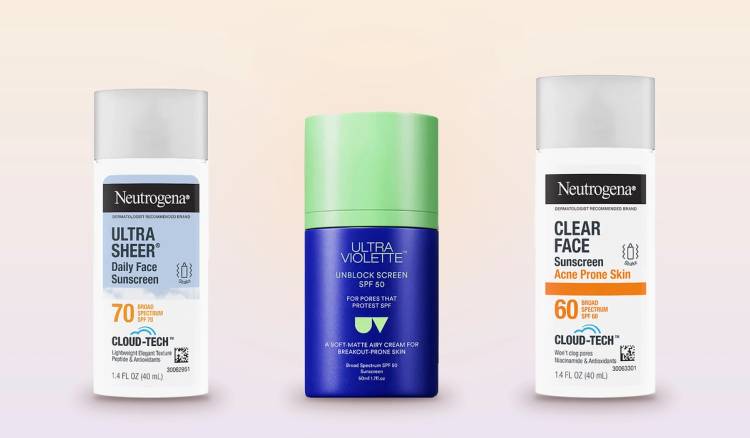
And it's not just PM care you should focus on when using tretinoin—sunscreen is vital everyday, but especially when using any form of vitamin A. Also, the combination of antioxidant protection plus a barrier-repairing moisturizer complements what tretinoin is doing at night, says Dr. Russak. The serum she recommends is shopper- and dermatologist-favorite, SkinCeuticals C E Ferulic ($185).