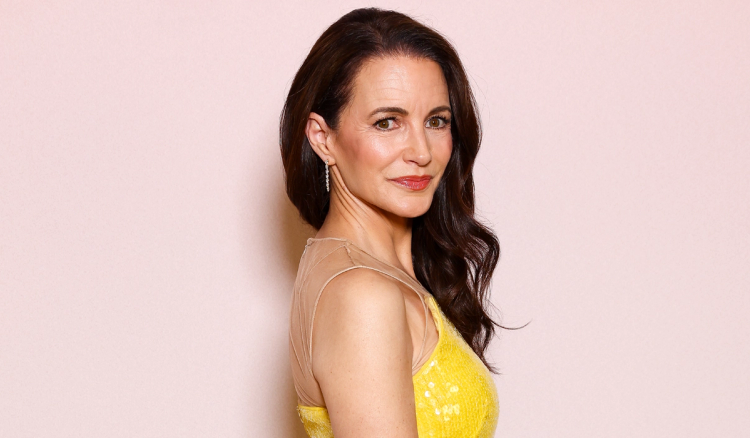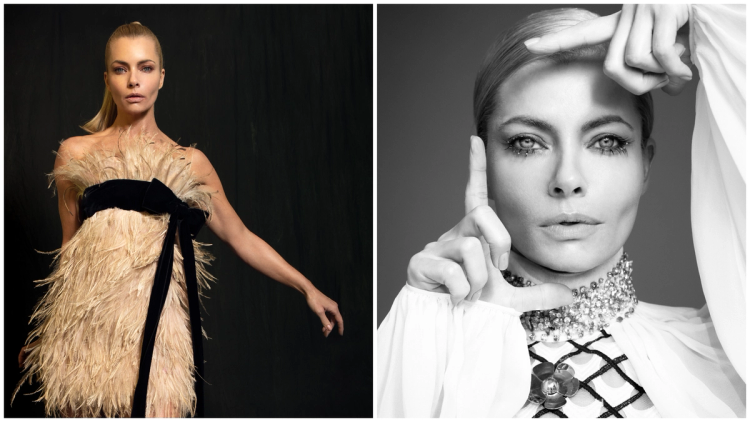
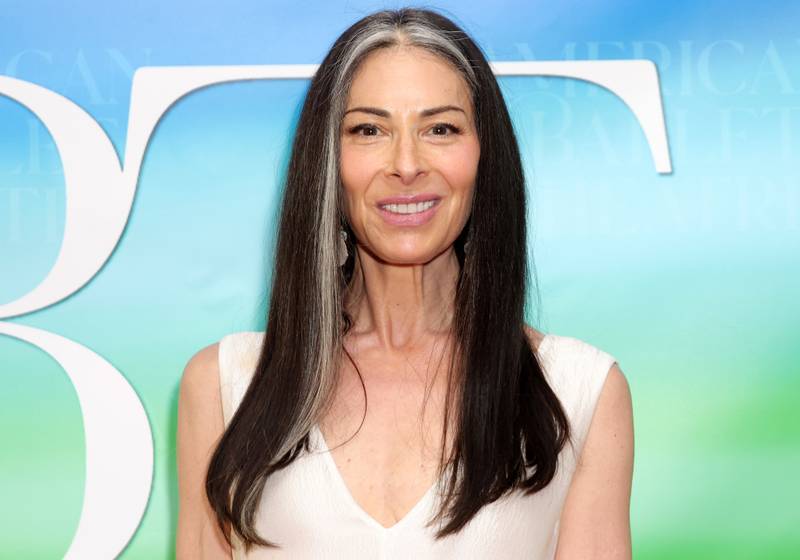
For Stacy London, fashion has always been part of the conversation, but so has plaque psoriasis—a chronic inflammatory skin condition—even if it wasn’t always discussed as openly. Best known for What Not to Wear (now revived as Wear Whatever the F You Want), the 56-year-old stylist has lived with it for most of her life, making it just as much a part of her story as her career.
Today, she’s speaking more candidly, most recently through her partnership with the AbbVie PSO Done campaign, which encourages people to speak with a dermatologist if symptoms are still affecting their daily life. It’s a conversation we need to be having for visibility and awareness, as more than 8 million people in the U.S. and an estimated 125 million worldwide live with psoriasis, according to the National Psoriasis Foundation.
In the conversation ahead, London gets into how psoriasis has played into her routine over the years, the misconceptions that come with visible skin conditions and what changed when she stopped working around her symptoms and started speaking up for herself.
You’re partnering with the AbbVie PSO Done campaign, which encourages people to check in if symptoms are affecting their daily life. What about this message felt especially personal or important for you to share right now?
"What I appreciate about the PSO Done campaign is that it reflects the reality of living with symptoms that aren’t always fully controlled and encourages people to check in with what they’re experiencing. For me, that’s about giving yourself permission to ask questions, advocate for better care and have a more informed conversation with your dermatologist.”
When you look back, how were you adjusting your routine around your psoriasis without really realizing it?
“When I was younger, I built my routine around my psoriasis without consciously acknowledging it. I wore white turtlenecks because of flaking from my scalp, avoided darker colors and leaned into long sleeves and certain fabrics that felt more comfortable.
At the time, it just felt like personal style choices, but looking back, I realize that I was adapting to what my skin was doing. That’s part of why checking in is so important, because sometimes those adjustments become second nature and you don’t realize how much your symptoms are influencing your day-to-day.”
You’ve built a career around how people present themselves. Did psoriasis ever change how you approached getting dressed or showing up on camera professionally?
“In a way, fashion became a tool. It allowed me to navigate what I was experiencing physically while still showing up as myself. That mindset carried into being on camera as well. I focused on fabrics, fit and color in a way that helped me feel good in my skin, even when I was managing flares or irritation.”
What’s something psoriasis has affected in your life that people might not expect?
“I think people might not expect how often you have to navigate misconceptions. Because psoriasis is visible, I’ve had moments where people assumed it was contagious or weren’t sure how to react, and those interactions can stay with you. Even though you see it on the skin, it’s a chronic, systemic inflammatory condition that goes beyond what’s visible. That shaped how I approached going out, what I wore and how I showed up in different settings. Over time, learning to talk about it and correct those misconceptions became part of building my confidence.”
Was there a specific moment when you thought, ‘This isn’t something I want to just live with anymore?’ What changed for you after that?
“There wasn’t one single moment, but more of an evolution. Over time, especially as I’ve gotten older and gone through different life stages, including menopause, I noticed my plaque psoriasis showing up differently. That prompted me to check in again and reassess. Each time I’ve done that, it reminds me that you don’t have to just live with symptoms affecting your daily life. You can ask questions, revisit your approach and work with your dermatologist to figure out what makes sense for you.”
Looking back, what would you tell someone who’s in the place you were when you were just trying to manage it day to day?
“I wish I had known I wasn’t alone. Growing up, I genuinely thought I was the only person dealing with this. I also wish I had understood the importance of talking openly and asking questions. The more you communicate with your dermatologist and pay attention to what you’re experiencing, the more options you can explore. That kind of awareness would have helped me feel more confident much earlier.”
How do you approach getting ready on days when your skin isn’t cooperating? What’s different about those days now?
“I look at a flare as a signal. When my skin isn’t cooperating, I become more intentional about what I wear. I gravitate toward softer fabrics, looser silhouettes, and colors that bring me joy. It’s also a moment to check in with what I’m noticing and how I’m feeling. Over time, my mindset has shifted from trying to hide it to responding thoughtfully and giving myself a little more care in that moment.”
How has psoriasis shaped your relationship with beauty products, whether that’s makeup, skin care, or even what you keep in your routine now?
“It’s made me much more mindful and intentional. Over time, skin care has become second nature for me, especially making sure my skin stays moisturized and paying attention to what feels comfortable day to day.
I’m more aware of how different products interact with my skin and adjust depending on what I’m noticing. It’s less about having a rigid routine and more about listening to what my skin needs in that moment. That awareness has shaped how I think about beauty overall. For me, it’s not just about appearance, it’s about feeling comfortable and confident in your own skin.”