Plastic surgery picked up pace in 2025, with cosmetic procedures growing 7 percent compared with just 1 percent in the previous year’s report. According to the American Society of Plastic Surgeons’ (ASPS) 2025 Procedural Statistics Report, lifts are up across the face and body, breast augmentation is growing alongside a shift toward smaller implants and older adults saw the biggest percentage increase in procedures.
“Plastic surgery in 2025 reflects a broader shift in how people think about aging, wellness and quality of life,” says Houston plastic surgeon and ASPS president C. Bob Basu, MD. “Many are looking to reverse physical changes that no longer reflect how they feel on the inside.”
Ahead, the biggest procedure trends, the GLP-1 connection surgeons are seeing and why older patients are leading the surge.
More Surgery After Weight Loss
The “Ozempic makeover” conversation has carried into another year, with 82 percent of ASPS member surgeons reporting consultation requests related to GLP-1 use. Those requests don’t necessarily translate into procedures, but they show how often weight-loss medications are coming up in plastic surgery offices.
For Houston plastic surgeon Olga Bachilo, MD the change is especially apparent in patients seeking skin removal after weight loss. “I recommend many more circumferential body lifts rather than tummy tuck alone due to weight loss,” she says. She’s also performing more arm lifts and breast lifts on younger patients, whose concerns extend beyond the abdomen.
New York plastic surgeon Elie Levine, MD, is also seeing a shift in how patients approach their consultations. “Many are coming in after significant weight loss saying, ‘I’ve done the work, I’ve lost the weight, and now I want to tighten and refine the result.’ That shifts the conversation from choosing a procedure to looking at the patient as a whole and determining what combination of surgical and non-surgical treatments will best address their concerns.”
Lifts Are Having a Moment
Browlifts increased 29 percent, while arm lifts and necklifts each rose 21 percent. Thigh lifts, facelifts and breast lifts also grew, while liposuction remained the most-performed cosmetic surgery despite a 1 percent dip. For patients who have already lost significant weight, loose skin and lost volume can become the next concerns to address.
Pittsburgh plastic surgeon Leo R. McCafferty, MD estimates that roughly a quarter to a third of his patients take a GLP-1. “This has certainly increased consultations regarding facial aging and body contouring,” he says. Facial fat grafting also increased 39 percent, the largest gain of any procedure tracked. Together, these findings show how much of the year’s growth involved lifting skin and restoring volume.
That work can also include nonsurgical treatments. “We’re doing a lot of combination treatments with Sculptra and AVAVA, both for patients after GLP-1 weight loss and for those looking for what I call ‘restoration, not transformation,’” says New York plastic surgeon Andrew Peredo, MD.
More Breast Surgeries, Just Smaller Implants
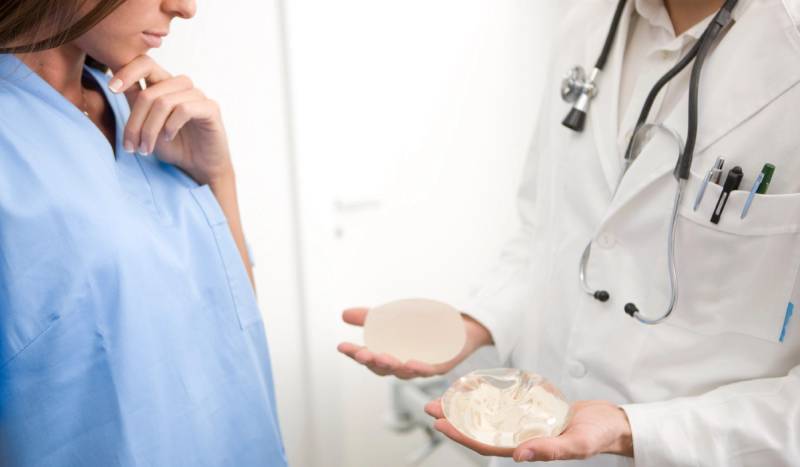
Breast augmentation grew 11 percent in 2025, but some patients are choosing smaller implants. Thirty-six percent of surgeons reported a trend toward smaller sizes, compared with 12 percent who reported larger sizes. Boston plastic surgeon Samuel Lin, MD, sees the appeal of a more measured change. “I think it's definitely an interesting trend. Not going bigger, basically, but still making a change or enhancement in terms of being more of a 'moderation' approach.”
More than half of surgeons said implant sizes remained consistent with previous years, and implant removal stayed essentially flat. Patients are still choosing augmentation, with some reconsidering how much added volume they want.
BBL Requests Are Cooling
Not every procedure shared in the year’s growth. Brazilian butt lifts and rhinoplasty each declined 5 percent, while male breast reduction surgery fell 8 percent. McCafferty has seen a similar pattern in his practice. “We have not noticed an increase in number of rhinoplasty or gynecomastia procedures, but have seen a dramatic decrease in request for BBL procedures.”
Louisville, KY plastic surgeon M. Bradley Calobrace, MD, reports fewer BBLs in his practice, too. “I am not surprised BBLs are down,” he says. “We do them for sure but much less than the past.” The decline comes alongside growing interest in reducing or reversing previous BBL results.
Older Patients Are Driving Growth
Adults 66 and older saw a 24 percent increase in cosmetic procedures, the largest percentage gain of any age group, while procedures declined among adults under 36. Patients ages 36 to 55 still accounted for nearly half of all cosmetic surgery, but older adults are becoming a bigger part of the picture. “Americans are living longer, remaining active and redefining what healthy aging looks like,” says Dr. Basu.