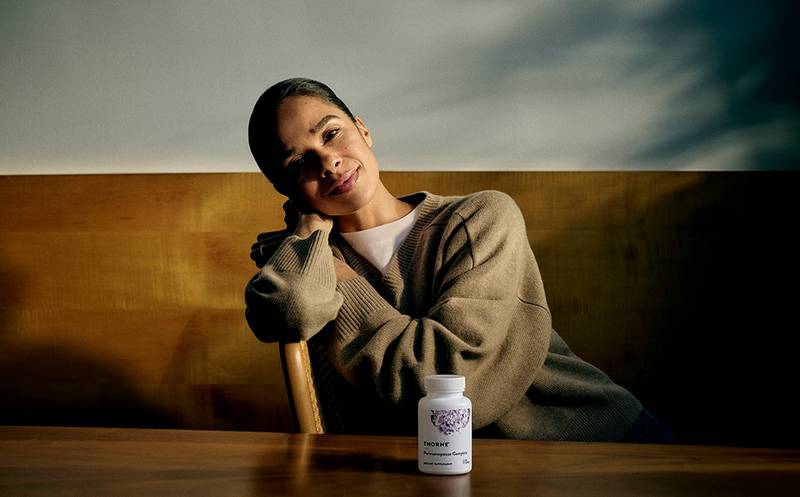
For Misty Copeland, a life built on precision and performance has long been grounded in wellness. After a historic 25-year career with American Ballet Theatre, the iconic dancer is stepping into a new chapter—one defined less by curtain calls and more by an evolving understanding of her body.
As part of Thorne’s newly launched women’s health campaign (alongside Lana Condor), Copeland is helping bring visibility to two of the most searched, yet often under-discussed, aspects of women’s health: perimenopause and libido.
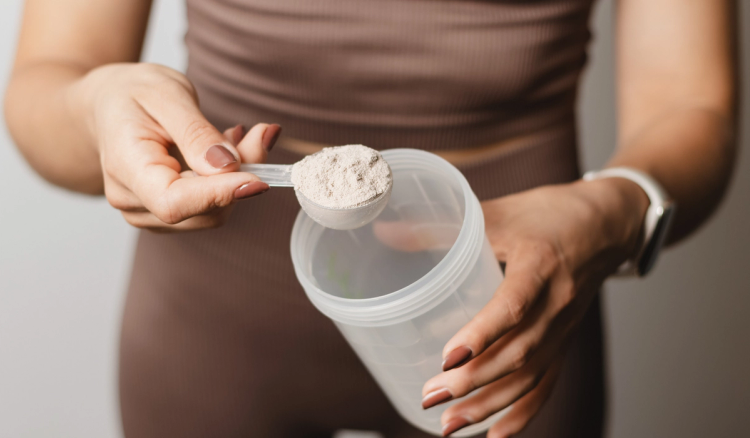
Introduced to the brand through her husband—who she describes as “an avid researcher of all things health and fitness”—Copeland had already incorporated Thorne’s creatine supplements into her routine long before any formal collaboration began. But it was the brand’s focus on women’s health, and specifically its clinically formulated Perimenopause Complete ($52), that made the partnership feel especially timely.
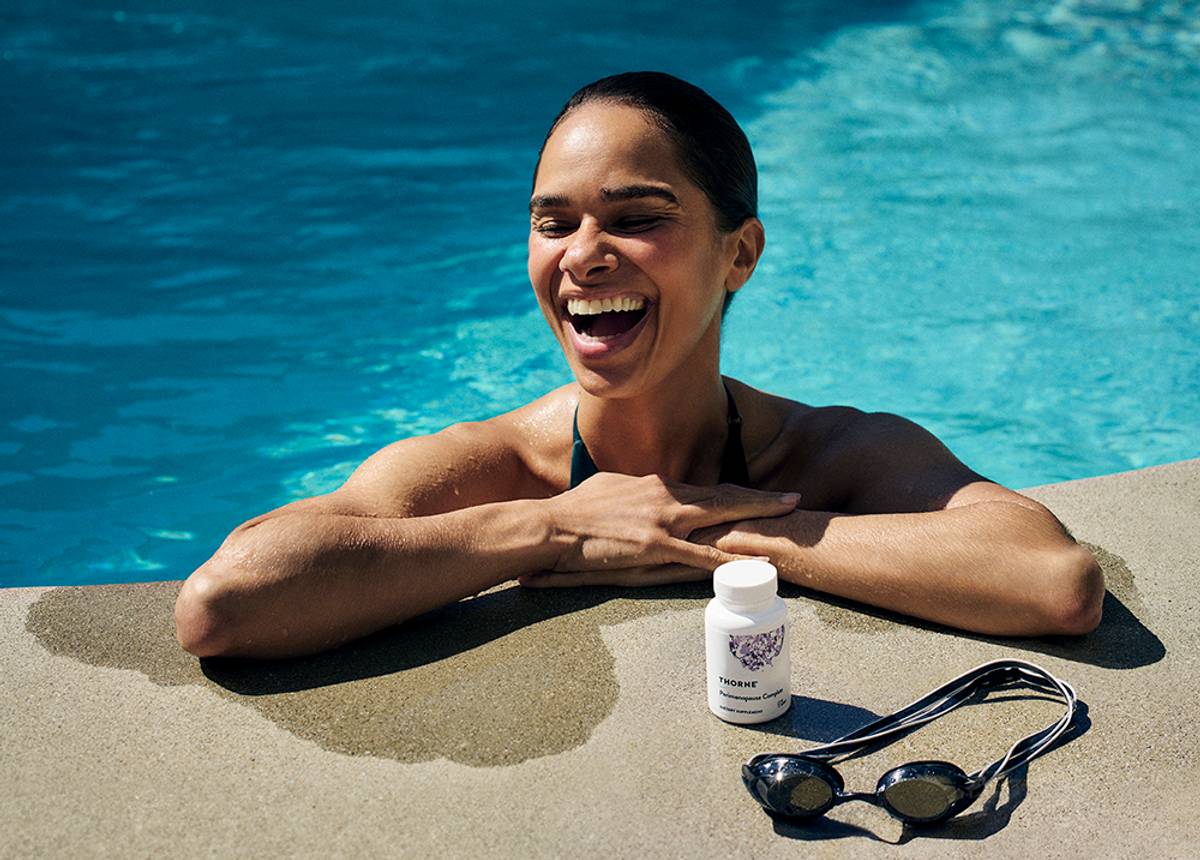
Now 43, Copeland is candid about the changes she’s experiencing and how long it took her to fully acknowledge them.
“I was in denial for a while,” she admits. “It was actually my husband who said, ‘I think you might be in perimenopause.’ And that opened the door to deeper conversations…not just with him, but with my friends.”
What she discovered was both surprising and empowering. “None of the things my friends and I were experiencing was the same,” she says. “We’re not a monolith as women. We don’t all have the same hormones or experience these transitions in the same way. That was really eye-opening for me.”
That realization sits at the heart of Thorne’s campaign, which aims to translate complex biology into clear, science-backed solutions. With products like Perimenopause Complete, designed by female doctors and scientists to support mood, sleep and hormonal balance, the brand is working to replace confusion with confidence.
“Women are increasingly seeking transparency and real answers about what’s happening in their bodies,” says Thorne Chief Growth Officer Mary Beech in the campaign announcement. “This is about delivering support that women can truly trust.”
For Copeland, that trust is deeply personal. “I’ve experienced a lot of change in the past year,” she says. “As I navigate this next phase of life, my top priority is having tools that help me feel steady and supported. Understanding what’s happening in my body, as well as having science-backed solutions, makes all the difference.”
Of course, maintaining that sense of balance isn’t always easy, especially with a schedule that still includes frequent travel, appearances and the demands of motherhood. Her son just turned four, a milestone she marks with both pride and perspective. “It’s actually his birthday today! I’m a big-boy mom now,” she says with a smile.
But if ballet taught her anything, it’s the power of consistency. “I’ve trained myself to stay disciplined, no matter where I am. Being part of a touring company for so many years, you learn how to create structure and routine in any environment.”
That structure, however, looks different these days. Less rigid, more intuitive and shaped by the rhythms of family life.
“My mornings are really centered around my son,” she says. “But I’ve found ways to weave in moments for myself. Usually, I start the day with a cup of tea. It’s such a small thing, but it’s incredibly grounding. It’s my time to connect with myself before the day really begins.”
From there, Copeland’s routine unfolds in a fluid choreography of wellness—taking supplements, preparing breakfast, even sneaking in an ice bath facial—all while getting her son ready for the day.
“My schedule is not as regimented as it used to be,” she says. “There’s more freedom within the structure now. And, honestly, that’s been really beautiful.”
That shift—from strict discipline to a more compassionate, adaptable approach—mirrors the larger conversation she hopes to encourage around women’s health.
“Perimenopause isn’t something that’s happening to us,” she says. “It’s a natural transition. And we have more control than we think over how we support our bodies through it. And just talking about it helps. The more open and informed we are, the more supported we all can feel.”