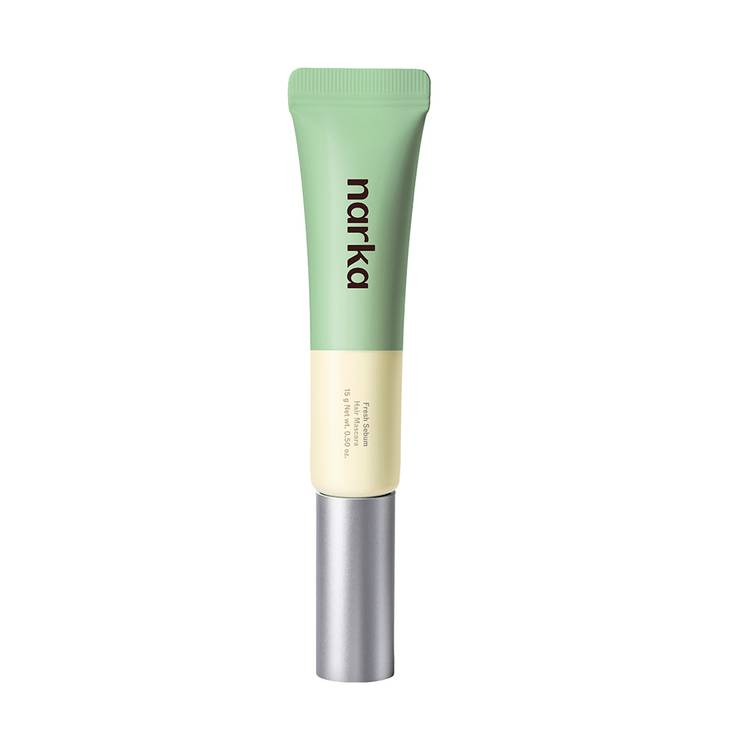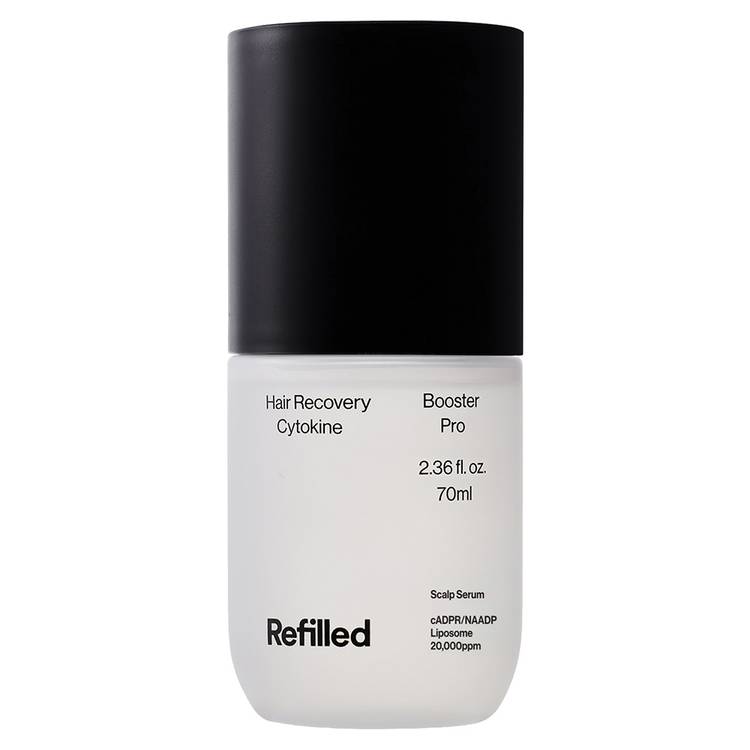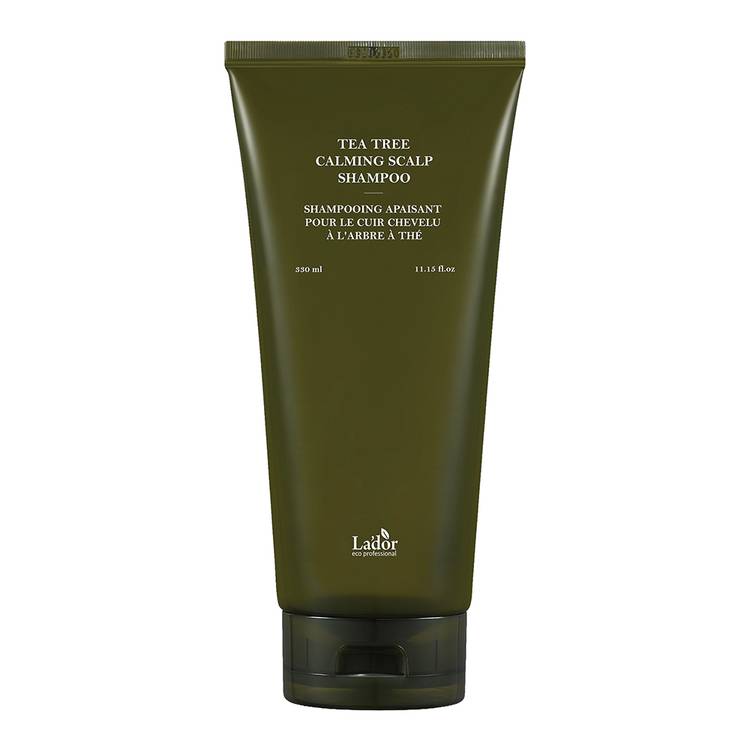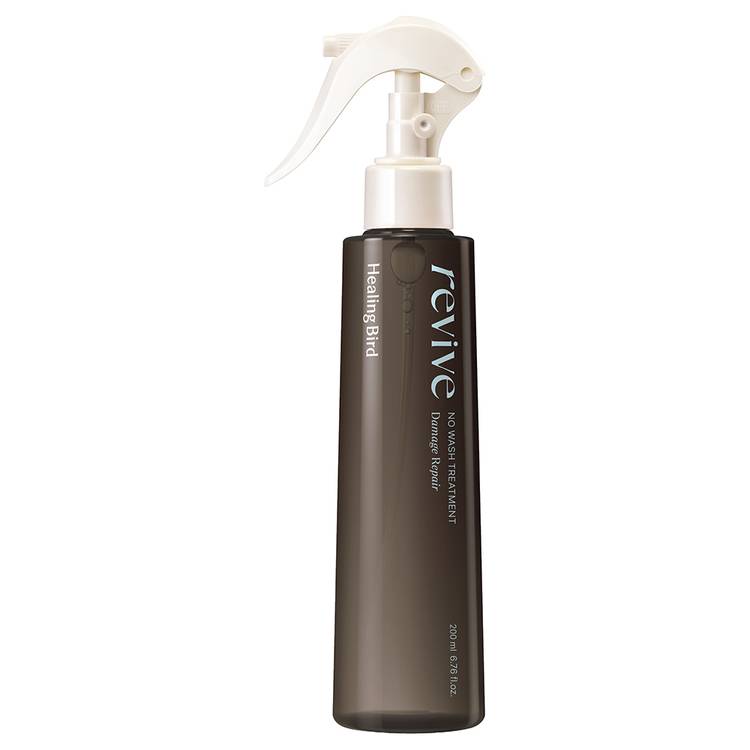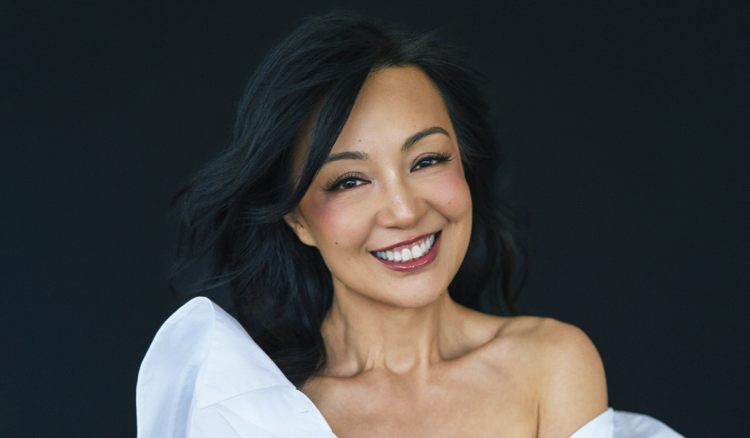

“K-beauty hair care is having its moment, and I think what makes it so exciting is that it’s bringing real innovation to a category that has been relatively stagnant for a long time,” says Sarah Chung Park, creator of K-Beauty World. “We’ve seen what K-beauty did for skin care over the past decade: It completely changed the way people think about their skin and their routines.
Hair care is next, and the results are genuinely remarkable.” Chung Park notes that one of the best parts is how accessible K-beauty hair products are. “Whether you’re looking for a $15 shampoo or a $45 exosome serum, there’s something for every budget and every hair type.”
The K-Beauty Advantage
What gives K-beauty hair products a leg up? Their commitment to skin care. “K-beauty hair care treats the scalp as skin,” says Chung Park. “Conventional hair products tend to focus on how hair looks on the surface, but K-beauty starts with scalp health because healthy hair begins at the root.” Cosmetic chemists Victoria Fu and Gloria Lu, founders of Chemist Confessions, agree, noting that K-beauty hair brands prioritize the “skinification” of scalp care.
“Don’t sleep on scalp care,” Chung Park preaches. “Your scalp is skin: It deserves the same attention, the same active ingredients, the same care.” She feels strongly that once you start treating it that way, everything changes. “The formulations reflect that science, utilizing fermented ingredients, peptides, PDRN and exosomes. The biotechnology originally developed for skin care is now applied to hair with measurable results. The textures are also notably better: lightweight serums, silky oils and masks that absorb rather than sit on top of the hair.”
What’s Next
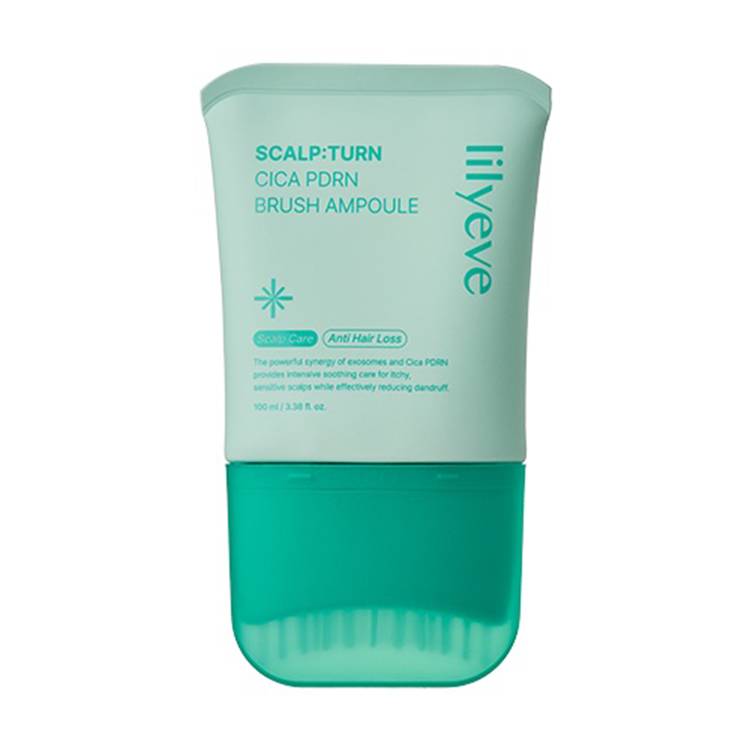
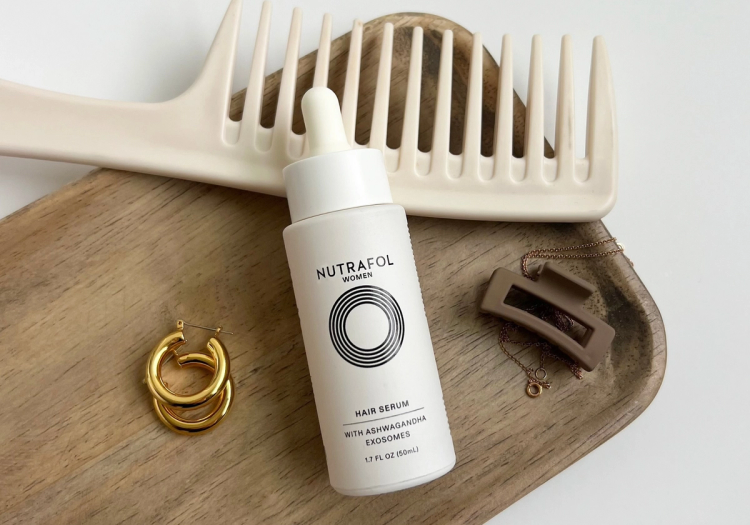
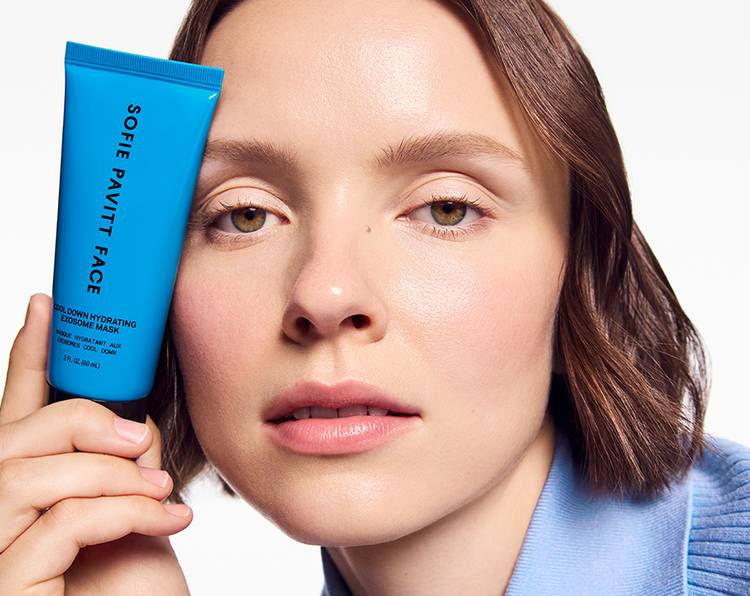
According to Chung Park, two ingredients to watch for right now in K-beauty hair care are PDRN and exosomes, both of which are borrowed from regenerative medicine. “PDRN, which was originally used in wound healing and skin rejuvenation, is now supporting follicle activation and scalp repair at a cellular level,” she says. “Exosomes are cell-signaling molecules that, when derived from heartleaf or other plant sources, help balance the scalp microbiome and support hair growth at the root.”
Fu and Lu say spicules will become prevalent in K-beauty hair care, too. “But, we’re still in the early stages of understanding their real-world benefits in hair care. It’s generally more effective to choose products based on how well the overall formula works for your hair and scalp, rather than focusing too heavily on a single trending ingredient.”
For example, those with oilier scalps might find some of the richer, hydration-focused formulas (common in K-beauty) to be too heavy for their hair. “Ultimately, it’s important to choose hair products that make your scalp happy,” say Fu and Lu. “Don’t force your scalp to like a product because of the buzz or claimed active ingredient.”
Exciting Innovations
One of K-beauty’s biggest draws is its sensorial, innovative textures, and Chung Park says there are some exciting breakthroughs in the space right now. “K-beauty is bringing scalp-first essences and toners to market that work hard without adding weight, and hair masks with the sensorial quality of a skin-care treatment.” These five new launches have grabbed our full attention.