On a recent Zoom call, one of our directors shared a surprising discovery: on a whim, she started running a humidifier at night to combat skin dryness. Within just a few days, she noticed not only a boost in hydration, but skin that looked noticeably plumper. She admitted with a laugh that she couldn’t stop catching her reflection in the mirror—and she’s far from alone in being impressed by the results.
Ahead, we’re breaking down everything you need to know about the benefits of humidifiers for skin, from barrier support to glow-boosting hydration.
What Is a Humidifier?
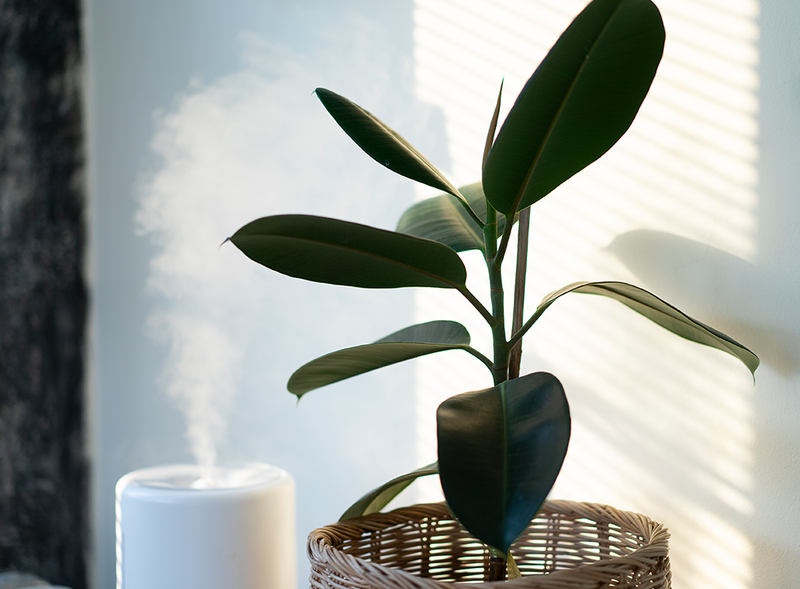
Let’s start with the basics. Humidifiers are devices that turn water into vapor or steam to increase moisture in the air (aka humidity). By adding moisture back into dry indoor air—especially during winter or in air-conditioned spaces—they can help support skin hydration and barrier function.
They’re often confused with air purifiers, which clean the air by removing pollutants but don’t add any moisture.
Why Dermatologists Recommend Humidifiers
Humidifiers can be beneficial year-round, but they’re especially helpful during the winter months, when indoor air tends to be drier. (Blasting air conditioning in the summer can have a similar effect, FYI.) “Dry air can cause moisture to evaporate from the skin, leading to dry, cracked skin, the worsening of eczema and chapped lips,” says Miami dermatologist Annie Gonzalez, MD. “Adding moisture to the air can counteract these problems."
Because of this, dry and dehydrated skin types tend to benefit most from added humidity, as well as "patients who suffer from atopy, including atopic dermatitis (eczema) or seasonal respiratory allergies (hay fever), which can be related," she adds.
How Humidity Supports Skin Health
New York dermatologist Dendy Engelman, MD says there are two main ways optimal humidity levels support skin health. One is through our skin’s barrier function: “Think of your skin like a brick wall, where the skin cells are bricks and the mortar—ceramides, lipids and cholesterol—is what holds the cells together,” she explains. “The job of our skin barrier is to keep harmful pathogens out while retaining cell moisture. If you don’t have optimal humidity, then your environment is actually pulling moisture out of your skin. Using a humidifier supports your body in maintaining a healthy skin barrier, and in turn, you will notice less dryness, flaking, redness and even breakouts.”
The other way humidity impacts skin is through reducing transepidermal water loss as we sleep. “It is a little-known fact that our body temperature fluctuates as we sleep—it’s why you find yourself kicking off the covers in the middle of the night—and we lose water trying to regulate our body temperature,” Dr. Engelman says. “In sub-optimal humidity environments, we can experience major transepidermal water loss because the environment is pulling moisture from our skin. But, while we’re sleeping, the body’s hydration rebalances, encouraging skin metabolism and cell turnover and repair, so it is critical to support skin during this time, and humidifiers are a great tool to do that.”
How to Use a Humidifier (and Why Many Don't)
Though humidifiers can be great skin-care tools, it’s important to understand that they’re meant to complement topical products—not replace them. “Dry skin seems to benefit from humidifiers, but they are no substitute for a good emollient or moisturizer, which is best applied after a bath or shower,” says Charlotte, NC dermatologist Gilly Munavalli, MD.
Maintenance, however, is where many people fall off entirely. Miami dermatologist Annie Gonzalez, MD says that if you’ve committed to keeping your skin dewy with the help of a humidifier, keeping it clean is essential. “If the water or the device is dirty, so will the vapor that you inhale and let penetrate your skin. A dirty humidifier also fosters mildew, mold and other germs, but regular cleaning and frequent replacement of filters can prevent this from happening.”
That drop-off is something New York dermatologist Dendy Engelman, MD sees often in her own practice. “For years, I have recommended humidifiers to my clients who suffer from skin disorders such as eczema and psoriasis. I’d ask them if they had a humidifier, and they’d say yes. But then I’d ask, ‘Do you use it?’ and they’d say no. And I know why. My son has eczema, and my husband and I used to fight over who had to clean it.”
To make upkeep easier, newer humidifier designs are focusing on low-maintenance features. Munavalli recommends using distilled water “to avoid any collection of hardness in the machine or any aerosolization of other compounds that may be present in tap or well water,” and notes that models designed for thorough, regular cleaning tend to work best long-term.
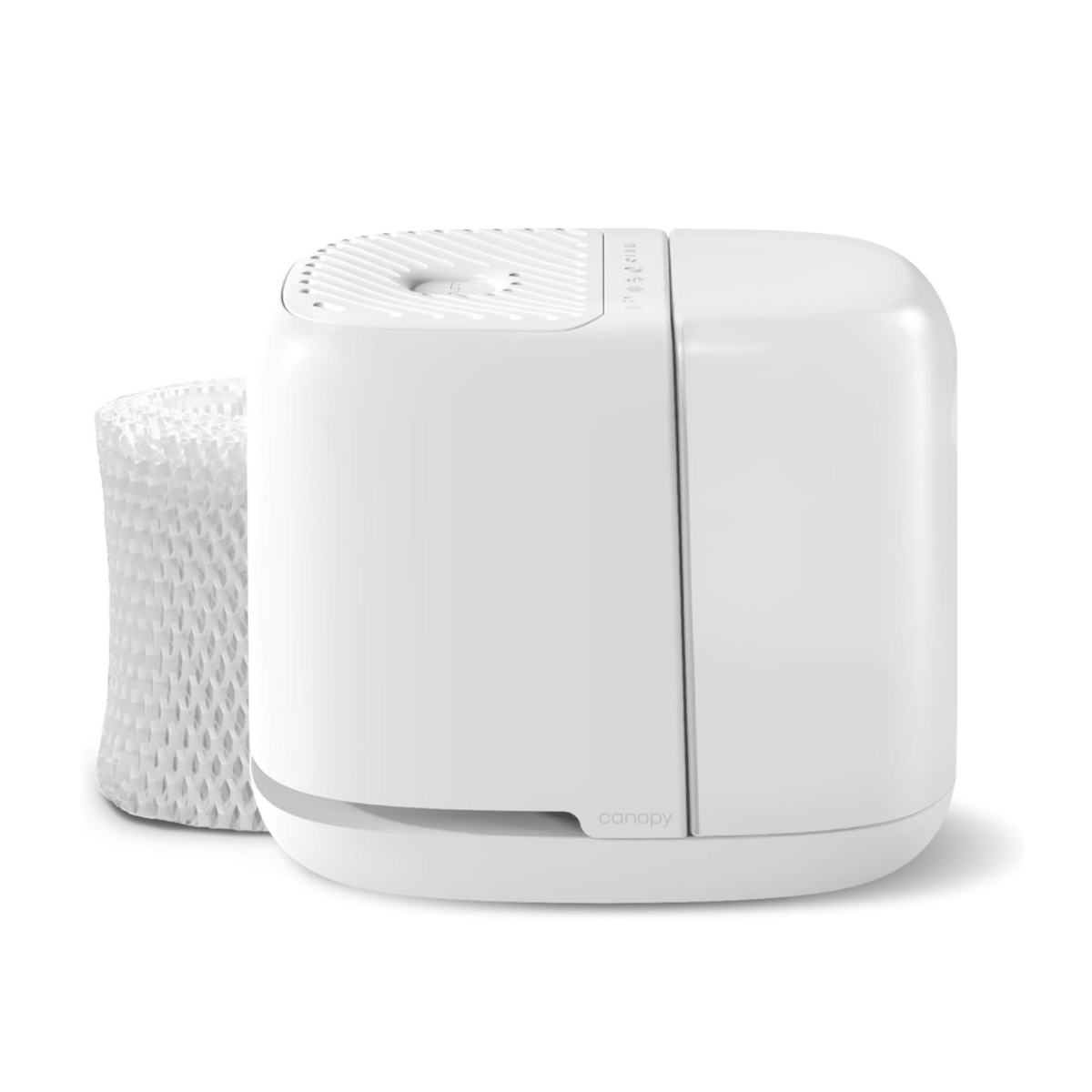
Engelman points to Canopy as an example of how the category has evolved. “They had completely redesigned the humidifier and the consumer’s experience with it,” she says. “It’s easy to clean, it’s not an eyesore and its evaporative technology makes it a great tool for supporting skin health and overall wellness.”
What to Consider Before Getting a Humidifier
Not Everyone Needs One
According to New York dermatologist Doris Day, MD, those who naturally sweat a lot may not need one. “Your sweat makes natural moisturizing factor (NMF), and that helps keep your skin well-hydrated.”
More Isn’t Always Better
“Like anything, even humidity in excess can cause some harm,” says Miami dermatologist Annie Gonzalez, MD. “Excessive moisture levels indoors can make breathing difficult and worsen allergy symptoms because common allergens like dust mites and mold thrive in damp environments. A humidity meter can measure the levels in your home or space—aim for 30 to 50 percent.”
Alternatives to Using a Humidifier
If you’re not ready to get a humidifier, or you want to experiment with the impact of humidity levels on your skin before purchasing a device, Dr. Day says, “you can place a glass bowl or pot with room temperature water on a heater or shelf. The water will naturally evaporate, adding moisture to the air. I would boil the water for 10 minutes or so, and then let it cool to room temperature before using it for this purpose.”