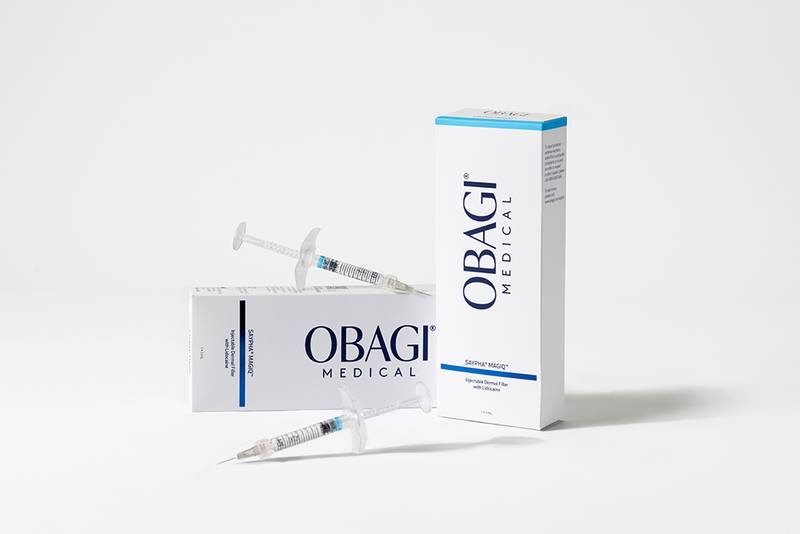
Obagi Medical, long associated with medical-grade skin-care, is officially entering the injectable arena with the FDA approval of its first hyaluronic acid filler, Saypha MagIQ. This new filler marks a significant expansion for the skin-care brand and is designed to help bridge the gap between topical skin care and in-office treatments.
Over the weekend, Suzan Obagi, MD, board-certified dermatologist and chief medical director of Obagi Medical, was at the American Academy of Dermatology’s annual meeting in Denver, an event featuring top dermatology experts and industry leaders discussing innovations, trends and meaningful strides in the space. Speaking at a fireside chat, she discussed the new MagIQ filler and why she believes so strongly in bringing it to the U.S. market now.
“You might think, okay, the market is saturated. Why do you need to bring another filler onto the market?” she said. That’s a fair question: With other fillers out there already, what sets MagIQ apart?
Though the filler is new to the U.S. market, it’s not new to Dr. Obagi or to other parts of the world. “I have used it for many years,” she said. “Actually, prior to Obagi bringing it into the larger family, I had the opportunity to train a lot of doctors overseas. And the filler that we had used for our training was called Princess, which is now MagIQ in the U.S.”
Dr. Obagi says she saw consistently strong, long-lasting results. “I would come back after one year to see patients and to treat them again, and they would still look so good,” she said. “I would always say, ‘I wish we had this filler in the U.S.’”
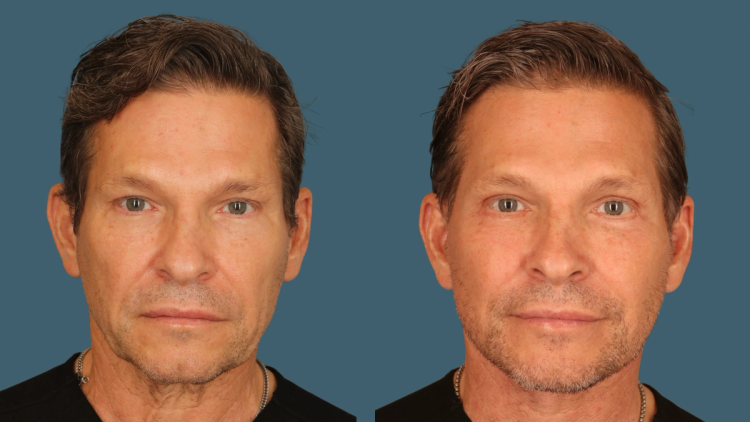
MagIQ is designed to complement a patient’s existing skin-care regimen while maintaining a natural-looking result. “It’s very nice because it incorporates everything we do with skin,” said Dr. Obagi. “We want everything to look natural, youthful, better, but no one should know what you’ve been doing.”
“MagIQ gives us that opportunity because it’s a very soft filler that will help give very nice improvement in the dynamic lines around the mouth without looking like you have a lump of filler there, without looking like you have had anything altered on your face,” she said.
Dr. Obagi also wanted to ensure that MagIQ works well across all patients, including varying ages, skin tones and skin concerns. “How many of you have seen all the pictures from advertisements, advertising injectables, and they always take a beautiful model and they inject them and make them look more beautiful?” said Dr. Obagi. “That’s not the real world. Our patients come in from every different age group, every different racial group, every different phototype,” she said.
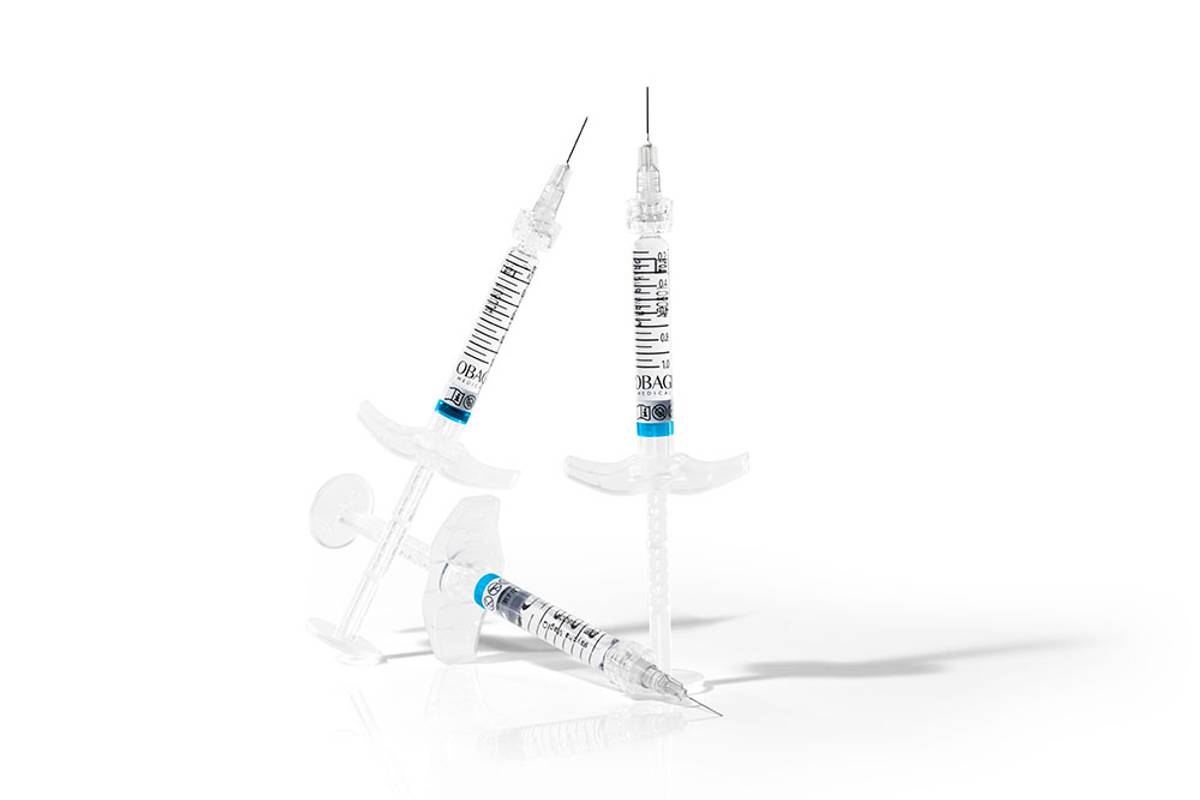
It’s not just innovative for patients—it also offers benefits for providers. The filler features an ergonomic syringe that makes injections more comfortable and controlled. According to the brand, it also has a highly consistent particle size with a narrow distribution range, allowing for more precise placement and a smoother, more predictable result. It is also made with a high amount of usable hyaluronic acid, which may contribute to more natural-looking, longer-lasting results.
For anyone unsure about trying a new filler, Dr. Obagi notes that it comes to the U.S. with rigorous testing and a long track record. “Yes, it’s new to the U.S., but it’s been around for a very long time, and it is being brought to you by a company that has a 35-year history of really being the gold standard in skin rejuvenation,” said Dr. Obagi.
As Dr. Obagi has emphasized, MagIQ is just one (albeit very important) part of healthy skin aging. Some patients “are so sun-damaged that if you look at them, you think, ‘if I just inject filler, it’s not going to look that much better,’” she said. Instead, she says to first enhance the skin and then inject a natural filler such as MagIQ. This makes it much harder to tell where filler has been placed, resulting in a more natural-looking finish.