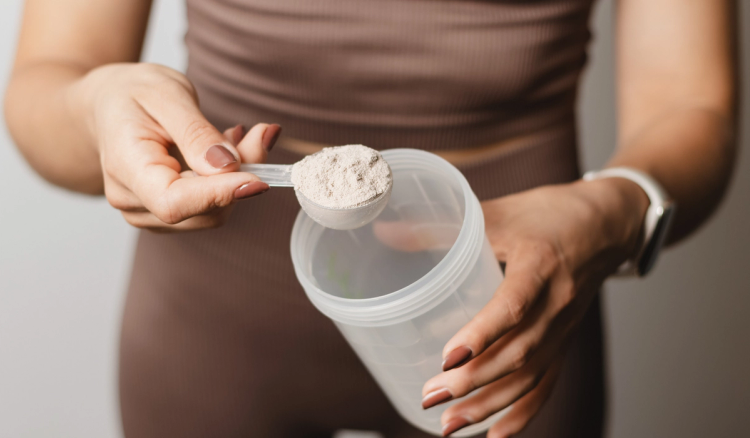
As GLP-1 medications continue to dominate weight-loss conversations among physicians and everyday people alike, an influx of new trends, buzzwords and even products has followed. We’re seeing restaurant menus built around higher-protein needs and smaller appetites, supplements meant to support muscle mass and, more recently, skin-care products claiming to help firm up loose skin.
That’s where things start to get murky. When it comes to skin laxity, experts say there’s a clear difference between what a cream can realistically do and what usually requires an in-office treatment. With that in mind, I spoke with four experts—three board-certified dermatologists and a facial plastic surgeon—to find out whether GLP-1 firming skin care is actually a smart addition to your skin-care routine or just smart marketing.
Featured Experts
- Paul S. Nassif, MD is a board-certified facial plastic surgeon in Beverly Hills, CA
- Dr. Deborah Longwill is a board-certified dermatologist in Miami
- Kristina Collins, MD is a board-certified dermatologist in Austin, TX
- Dr. Karan Lal is a board-certified dermatologist in Scottsdale, AZ
Why GLP-1 Weight Loss Can Cause Loose Skin
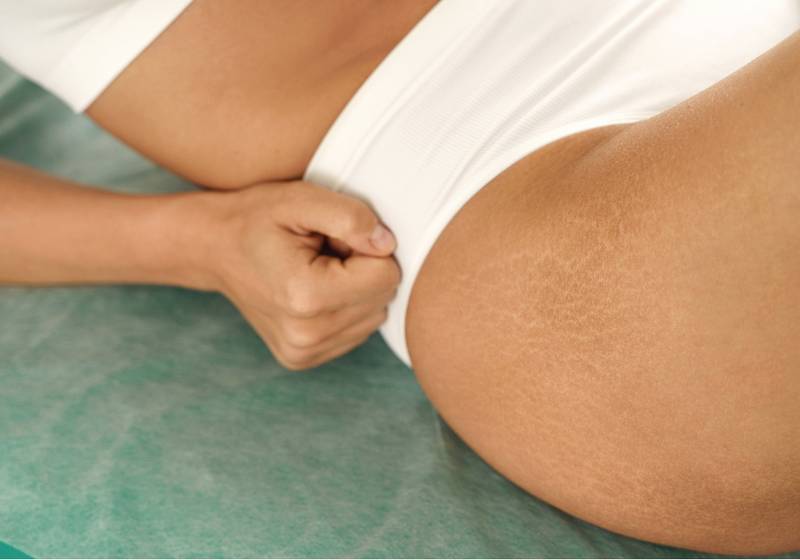
Rapid or significant weight loss can bring noticeable changes to the skin. "When someone loses weight quickly on a GLP-1, the skin may look looser because you’ve lost underlying volume and support," explains Beverly Hills facial plastic surgeon Paul Nassif, MD. "A cream cannot replace that structural support the way collagen, fat and ligaments do."
Austin, TX dermatologist Kristina Collins, MD says how the skin responds after weight loss can vary widely. “Skin can tighten on its own to a certain degree, but it depends on factors like age, genetics, how quickly the weight was lost and how long the skin was stretched. Younger skin with healthy collagen and elastin tends to rebound better, especially when weight loss is gradual and muscle mass is maintained.”
“However, when weight loss is significant or rapid, the collagen and elastin fibers that give skin its structure can become overstretched and damaged," Dr. Collins continues. "In those cases, the skin may not fully retract on its own. Mild laxity can improve over time, but moderate to severe loose skin often requires treatment." Scottsdale, AZ dermatologist Karan Lal, DO, adds that these structural changes can even be seen under the microscope.
What Skin Care Can (and Can’t) Do for Skin Laxity
Dr. Collins says the recent wave of products marketed for “GLP-1 skin” doesn’t reflect how the medications actually work in the body. "Most ‘GLP-1 skin care’ is more of a marketing concept than a new scientific category," she says. "GLP-1 medications work internally by affecting hormones and metabolism, so a topical product cannot replicate those systemic effects.”
Instead, products labeled for “GLP-1 skin” are typically marketed as addressing visible changes associated with rapid weight loss, such as dryness, laxity and the appearance of facial volume loss. Ultimately, she says, their effectiveness comes down to the ingredient list.
Ingredients That Can Help Skin Look Firmer
Some ingredients do have evidence behind their ability to support skin quality. "For firmer-looking skin, I look for ingredients that support collagen production, improve elasticity and strengthen the skin barrier," Dr. Nassif says. "Retinoids are proven to improve the appearance of fine lines and support collagen production over time."
He says peptides can also help improve skin function and hydration, while niacinamide supports moisture levels and strengthens the skin’s structural proteins. "Other collagen-producing ingredients include vitamin C and epidermal growth factor, which signals cells to increase collagen and elastin production," he adds. Hydration matters, too. “Hyaluronic acid is one that plumps the skin and smooths wrinkles because it pulls water into the dermis."
What Skin Care Can’t Do for Skin Laxity
Even the most effective topical ingredients have limits when it comes to structural skin changes. "Topical products can improve skin quality, hydration and overall appearance, but they cannot significantly tighten skin that has lost structural support after rapid weight loss,” adds Miami dermatologist Dr. Deborah Longwill.
Skin care has its place, but in-office treatments including fillers, injectables and fat grafting can also play a role, adds Dr. Nassif. “If there is a significant amount of extra skin, that is more structural and you would need more than just skin care.”
Oftentimes, the most effective strategy involves both topicals and treatments. "When you combine skin care and in-office procedures, you get the best outcome because even if you do a treatment, you still want that skin barrier strong, hydrated and supported so results look smoother and more refined,” Dr. Nassif says.
The Best Firming Skin-Care Products
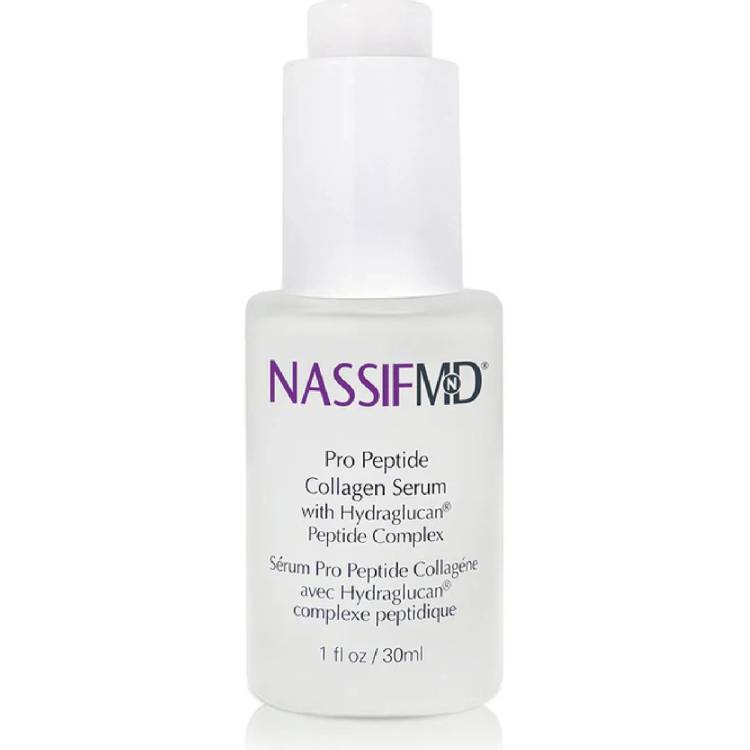
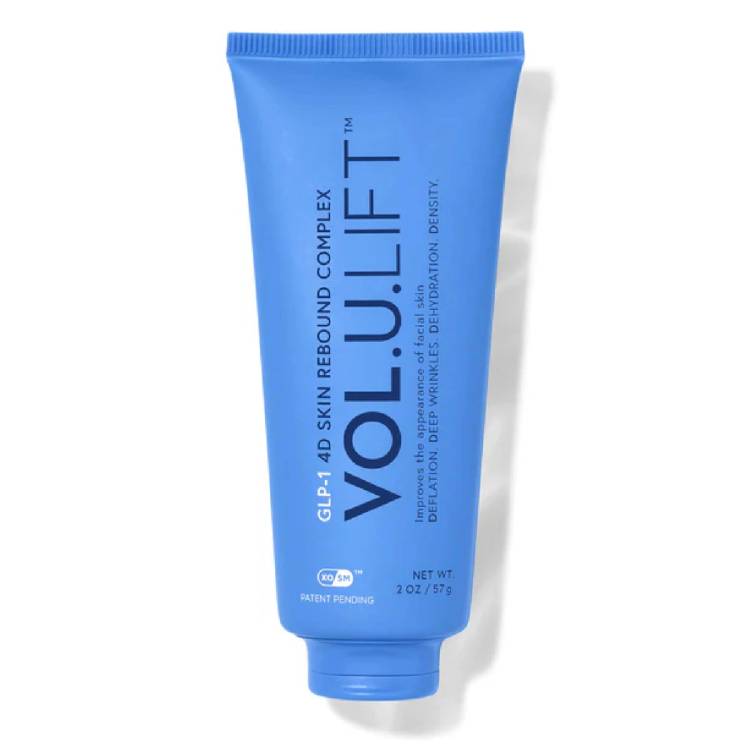
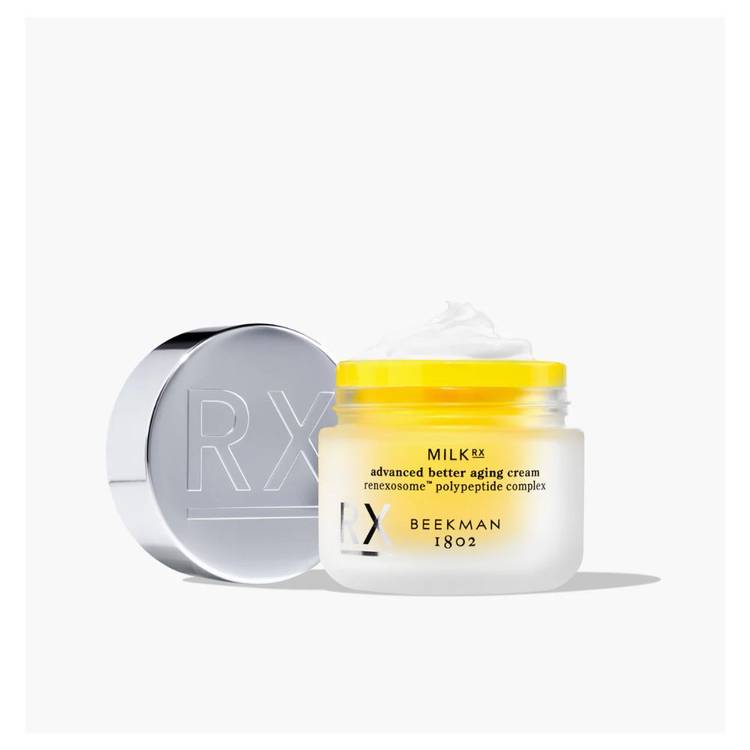
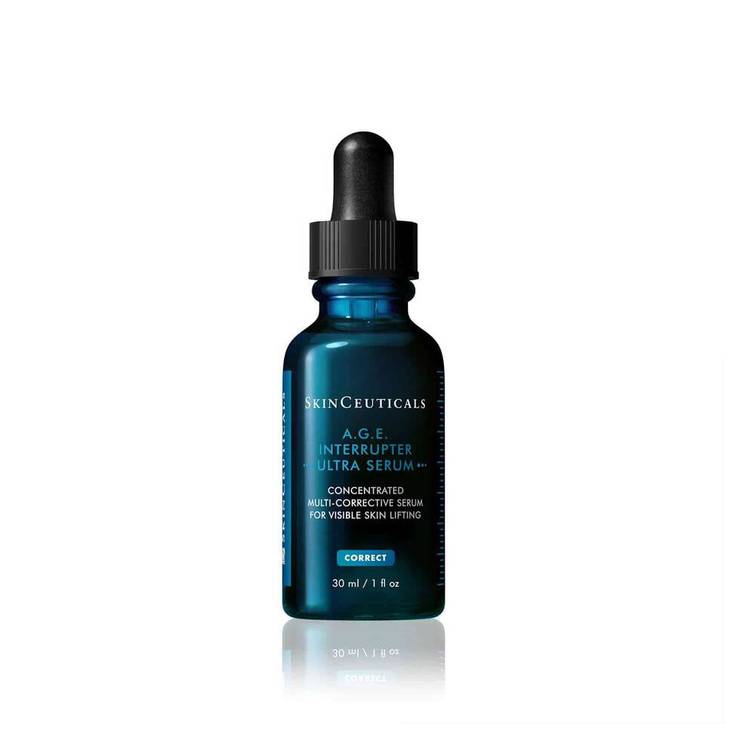
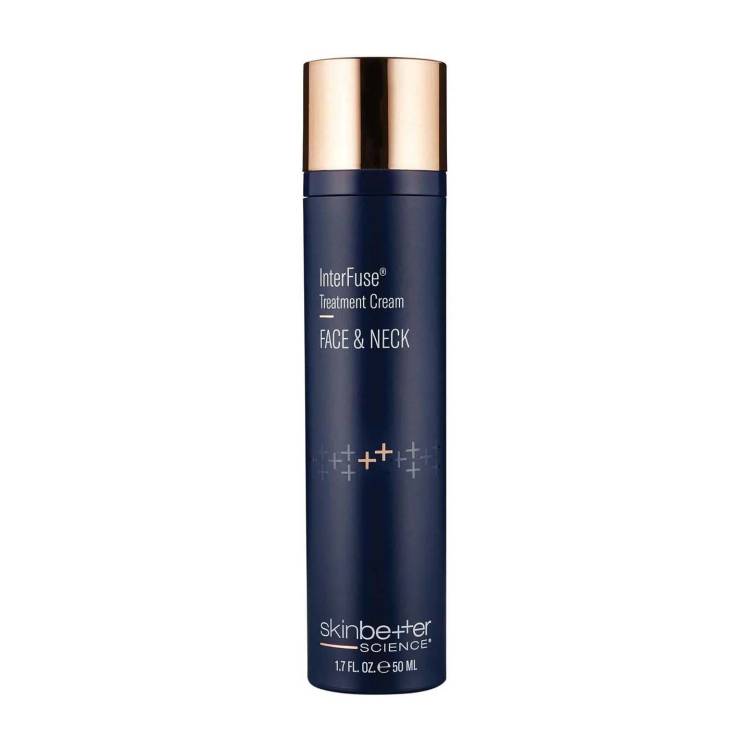
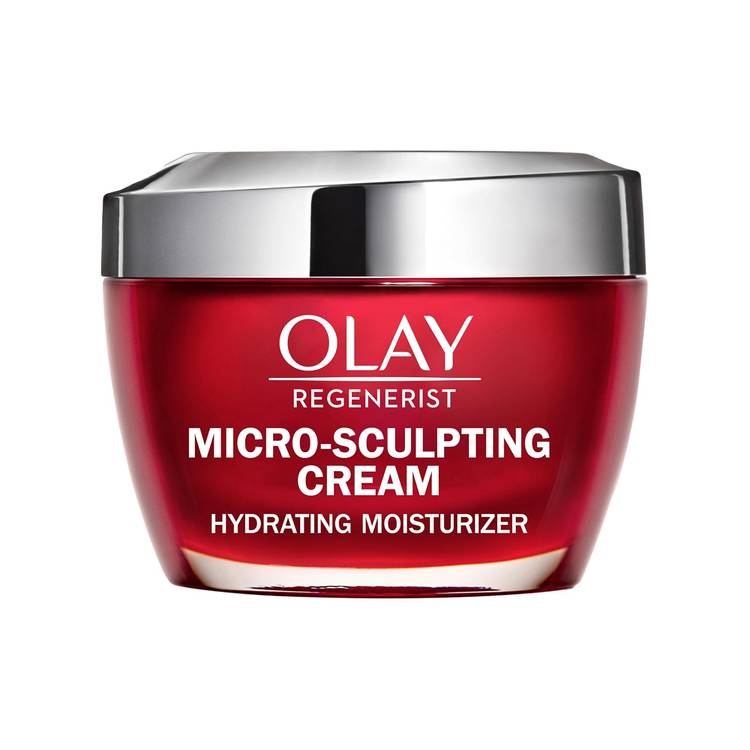
As a reminder, topical formulas can’t replace lost structural support or tighten excess skin. That said, the products below contain ingredients experts often recommend for improving the appearance of firmness, such as retinoids, peptides and vitamin C, which help support collagen production over time. Paired with hydrators like hyaluronic acid and barrier-supporting ingredients like niacinamide, they can help skin appear smoother, plumper and more refreshed with regular use.