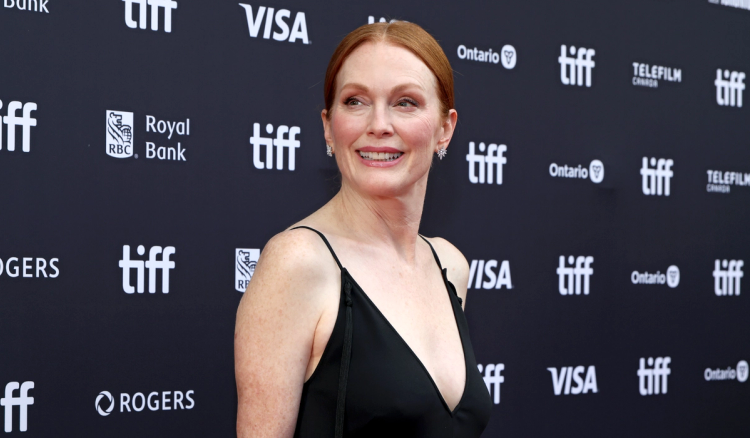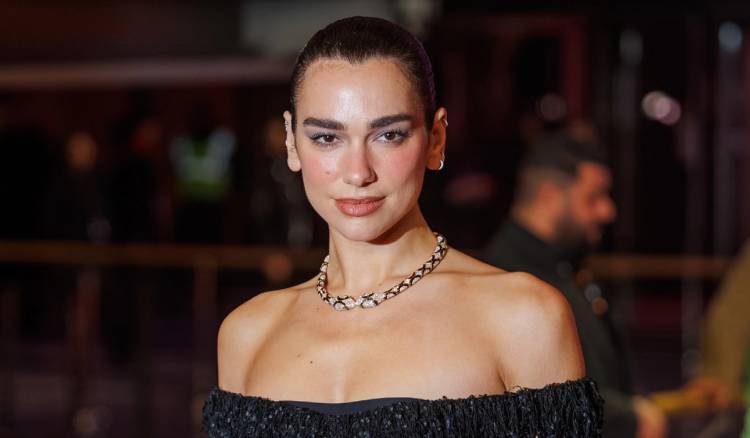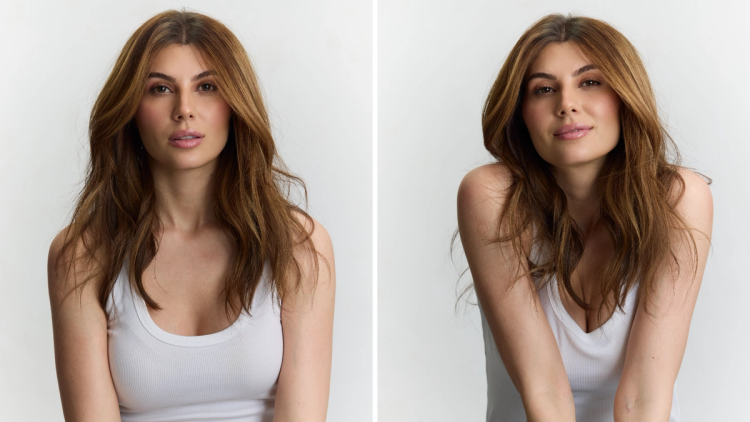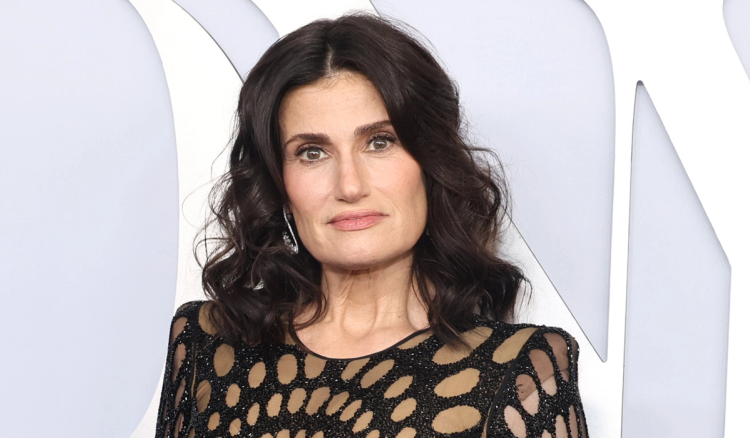

Sydney Sweeney’s latest ad was supposed to be about sports—or was it? Late last week, sports prediction platform Novig posted a new campaign featuring the actress nude or nearly nude, posing strategically with balls and other sports gear covering certain parts of her body. And no shocker here: It’s amassed more than 39 million views in five days.
Now, what seems like the entire internet, including several key athletes, is in an uproar about the 42-second commercial, which has sparked a much bigger conversation about women’s bodies, sexuality and what it really means to celebrate the female form.
Where the Backlash Is Coming From
Sweeney, who is a strategic partner of and equity holder in Novig, describes the campaign as “a very simple and playful idea” about sports. But some female athletes don’t see it that way. For many, the issue isn’t the nudity itself, but rather the longstanding tendency to use women’s bodies to sell or attract attention to sports while the women who actually compete are still fighting to have their strength, skill and accomplishments recognized.
And rather than simply criticize the actress, several athletes have responded by turning the conversation back toward their own bodies, and what those bodies have accomplished.
The Athletes Clapping Back
One of the most widely shared responses comes from British sprinter Amy Hunt, who addressed the campaign after competing in the World Athletics Ultimate Championship in Budapest. “Sydney Sweeney, this is what women in sport look like,” Hunt said, pointing to the physical reality behind elite athletic performance.
Three-time All-American gymnast Gracie Kramer made a similar statement on social media, sharing footage of herself competing alongside the caption: “Idk what Sydney Sweeney was doing, but this is what a woman in sports looks like.” Yesterday, she wrote on her Instagram Stories: “You guys, I think I just started a trend…actually I started a whole f**king movement. I am so hyped to see all my female athletes showing off their badass abilities. LFG!!!”
Australian Olympic sprinter Bree Masters also joined in, posting images of herself as an athlete and writing, “Respectfully Sydney Sweeney…This is what women in sports really look like.”
Australian four-time Olympic swimmer Ariarne Titmus posted a response to the campaign on her Instagram Stories. “I wasn’t going to share this as I didn’t want to give this any more attention. But I can’t keep my mouth shut. I can’t describe how infuriated I feel when I watch this. Not only is this a kick in the face to every woman who has dedicated her life to perfecting her craft, but every woman who enjoys sports for what it really is—teamwork, friendship, dedication, excellence, unity…the list goes on.”
The posts are becoming something bigger than a critique of one advertisement. Athletes are sharing videos and photos of themselves training, competing, sweating and celebrating, clapping back in the way you’d expect a professional athlete to do so. These reactions get at the heart of the body-confidence conversation.
For decades, women have been encouraged to think about their bodies primarily in terms of how they look. In athletics, that attention can feel particularly pronounced: the same muscles, shoulders and strong physiques that make a woman exceptional at her sport can also become something she’s judged for aesthetically.
And yes, female athletes have posed nude before, but again, that’s not the issue being raised here (and Sweeney is not an athlete). The distinction at the center of the backlash is that a photograph celebrating an athlete’s body, power and physical accomplishments is a different proposition from using a conventionally sexy female body as the visual hook for a sports-betting campaign.
How the Backlash Goes Beyond Athletes
Daniel Hong, a fitness professional and father of two girls, posted an Instagram reel to share his perspective, which extends beyond the professional athlete space. “Seeing this whole Sydney Sweeney controversy just confirms what I already knew I have to teach my daughters sooner than later, and it actually has very little to do with [this] ad. My girls are gonna grow up in a world where they’re going to learn really quick that attention has value, especially for girls. Appearance can get you attention: likes, comments, followers, money, opportunities. What I want them to understand is that attention and value are not the same thing. I believe my responsibility as their dad is to help them build so much evidence of everything else they are, that their appearance never has to be the main thing that gives them their self-worth.”