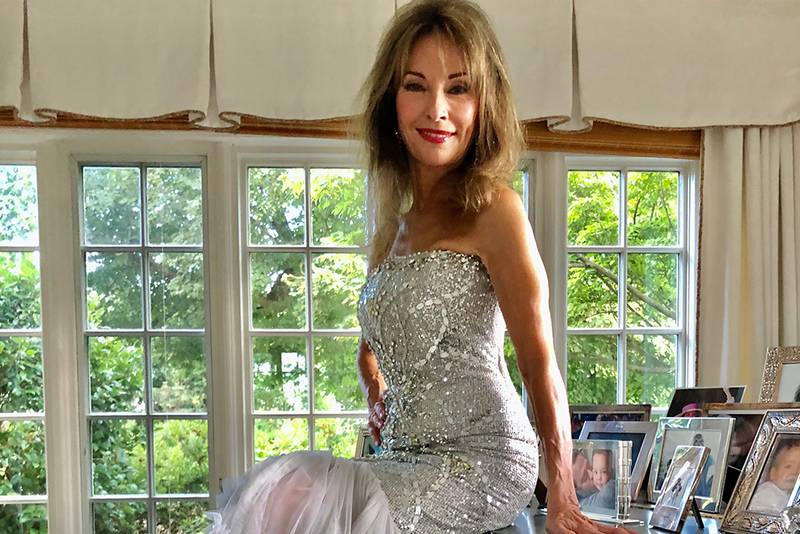
Few actresses embody grace and resilience quite like Emmy Award–winning actress Susan Lucci. Known to generations as the indelible face of daytime television—and lovingly dubbed “La Lucci” since her early days playing Erica Kane (for an impressive 1,755 episodes) on All My Children—the legendary star is stepping into a powerful new chapter with her second memoir, La Lucci, releasing this week.
Following her 2011 New York Times bestseller All My Life, Lucci returns with a deeply personal reflection on “the art of moving forward.” Written with her signature warmth and candor, La Lucci weaves together pivotal moments from her extraordinary career and personal life, offering heartfelt (and humorous) insight into embracing life’s unexpected turns. In addition to offering a deep dive into the great love and great loss of her husband, the memoir also features a special fan-driven chapter, “Thank You for Asking,” where Lucci answers the questions she’s been asked most throughout the years. The result is an inspiring celebration of inner beauty, paired with a powerful message about finding the courage to begin again.
I’d love to hear, pen to paper, how the book came to life.
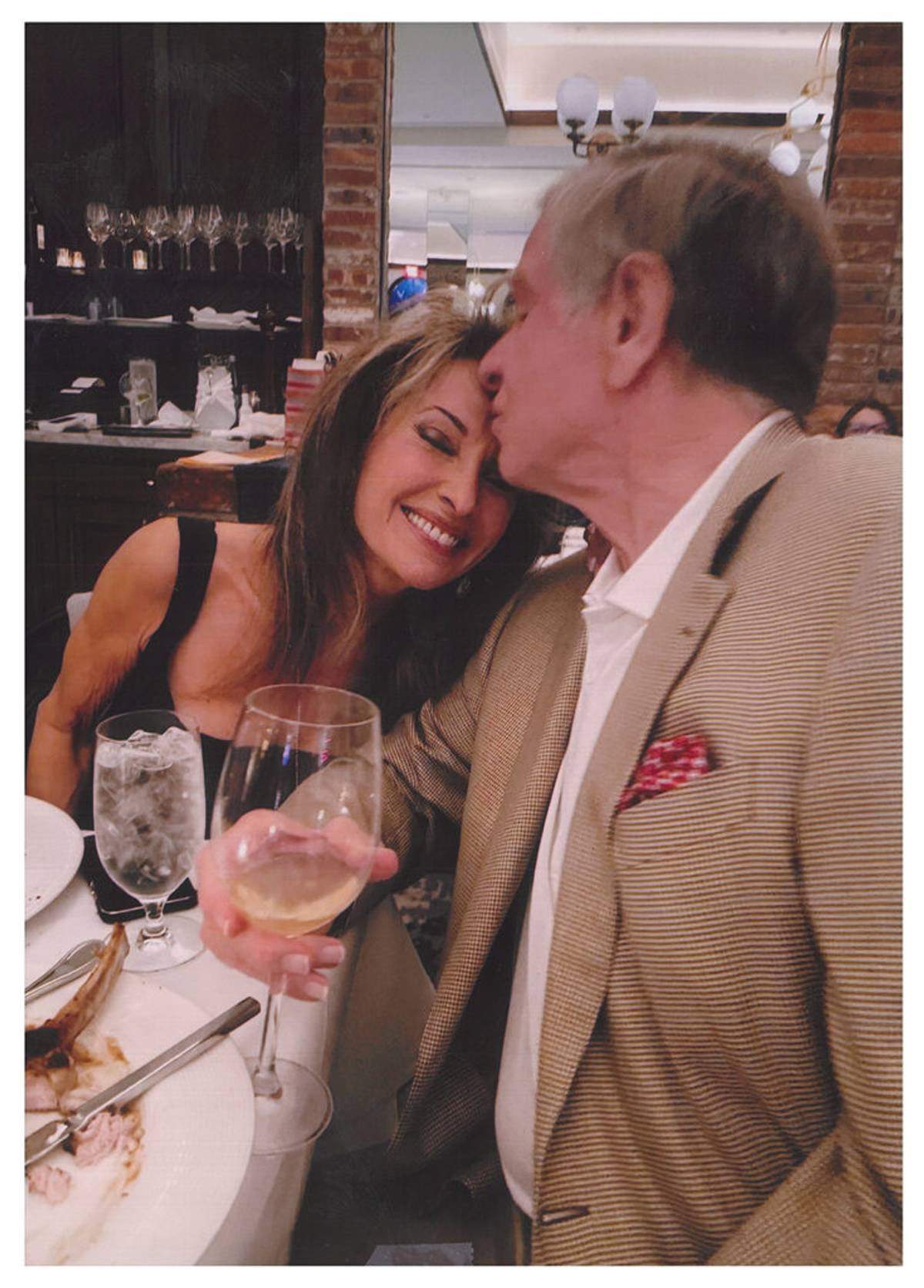
“After my husband passed away, I was waking up in the middle of the night a lot, and things were just pouring out of me. Certainly, a lot of that was focused on the love I had for him, but there was also a process I had to go through after his passing. I felt so grateful and so lucky to have had a month of days—the month of March in 2022, to be exact—to be with him in the hospital.
At the same time, our good friend Nelson DeMille, the national treasure of a writer, who’s a very good friend of ours, passed away last year as well. He was encouraging me to write another book.
Through Nelson, I was meeting people in his work. I was meeting publishers, and they were encouraging me, which was very flattering. I attended a dinner party during the holidays, and at the same table were two very well-known writers sitting next to me. All of a sudden, out of the blue, they leaned over and said, ‘Susan, you know, it’s really time for you to write another book.’ I didn’t even know they were aware of me as a writer at all.
Those things came together like a perfect—I’m not going to call it a storm—but it was a perfect start of the lining, I guess. I was supposed to write another book. Nelson was encouraging me. It worked so well, the collaboration with Laura Morton, who wrote my first book with me. I wanted her to write this one with me. My first one was called All My Life. That was 15 years ago. Certainly, the life experiences I had before that, between then and now, I realized were not all my life. I had lots that I wanted to say.”
It sounds like the words came out of you freely. What was the most difficult step to get it to the finish line?
“I can’t say anything was difficult. What I loved about working with Laura, collaborating with her, is that I remembered her process from writing the first book. That really helped me because she asks questions in a way that makes me open up.
What I was very privately happy about, and Laura noticed, is that in the ensuing 15 years, I have found a voice that is much more candid. I wanted to because I would see interviews with me. Although I answered the questions well and truthfully, and so on, I am naturally reserved. I knew, at the time I was doing those interviews, that my inside voice might be just jumping up and down, cheering and loving.
It was a goal of mine just for myself to reach a more candid way of speaking, being and expressing. I am at that place now. That makes me so happy and makes me really happy that Laura noticed it because it was all her meeting in person, her recording every meeting, so that she really did capture my candid voice.”
Grief is different for everyone. What do you hope readers facing it take away from your stories?
“I really think that when we share our stories in our own personal, specific detail, it connects us to our humanity. That’s what we do. We tell stories to each other. We let people in. I wanted to do that in the hopes that they won’t feel so alone, because it can make you feel so alone. It can make you feel like everything is lost.
I didn’t want any teachable moments in this book. I would say that to Laura: ‘No teachable moments!’ There are no bumper stickers here. I’m just going to tell my story, some of which I have never told before. The readers are smart enough. If there’s something for them to take away that can make them feel less alone and more hopeful, that’s what I would be after.
In a way, it’s like reading a novel. We read a story, whether it’s fiction or nonfiction. Part of us is reading it and enjoying it for what it is. Part of us is filling in our own blanks, the blanks with our own details, our own people in our lives or what we might aspire to or what we wouldn’t do.”
Thank you for sharing that. On a lighter note, you’re very into wellness, and you had to wear makeup so often while filming. Is there anything that you have used consistently over the years—the skin care, hair care and makeup holy grails?
“The holy grail for me is discipline! No matter how late I come home or how really over it I am, I do it. I don’t go to sleep with my makeup on. I take the time. I do the steps. All of the steps are connected. From doing Pilates, I know about the mind-body-spirit connection. It helps to take care from the outside. It also helps to take care from the inside.”
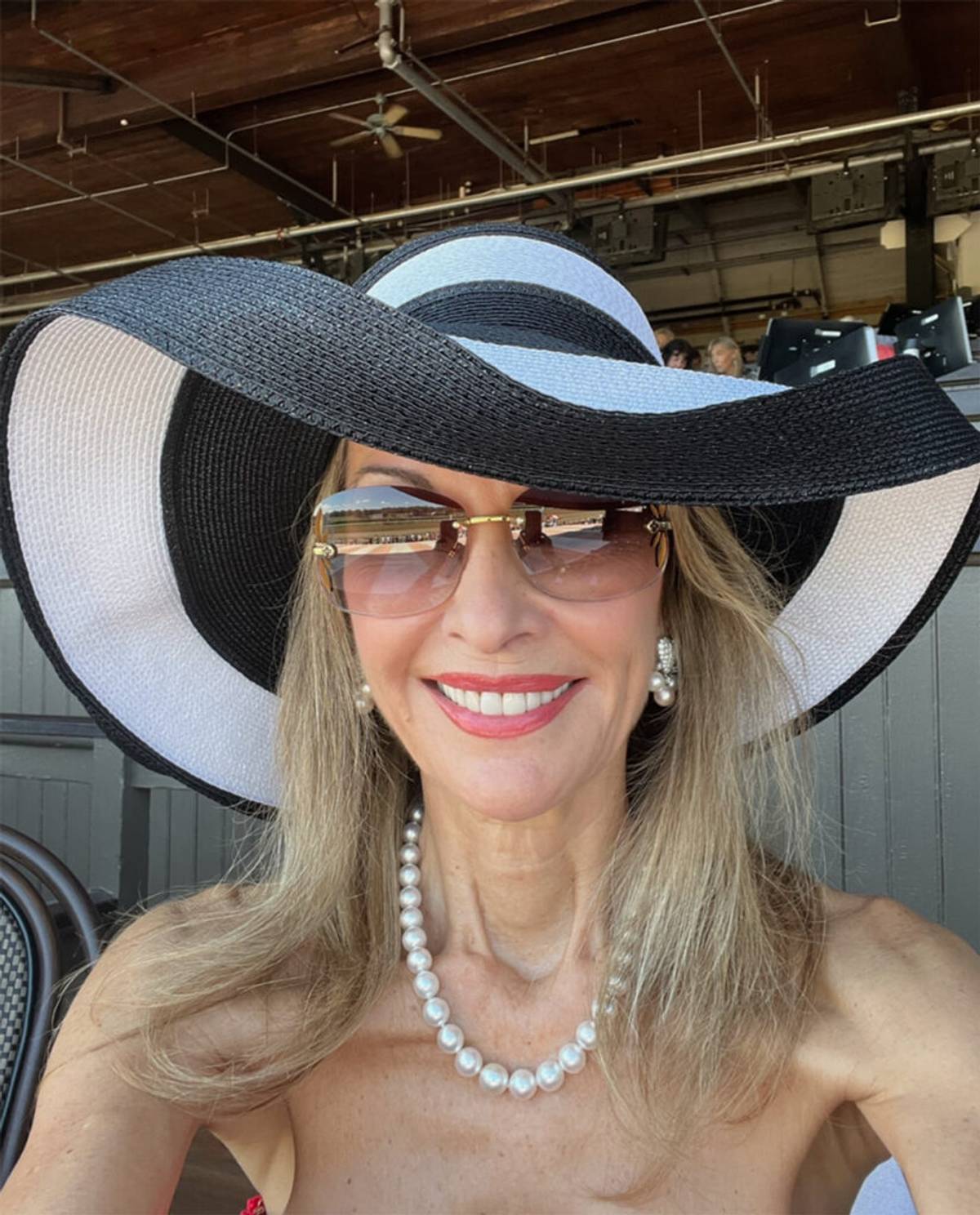
I love that too. Besides the book, I know that the year is just getting started and already getting us going. Is there anything you’re excited about this February?
“I’m so involved with the book, and I’m so happy for the interest there seems to be in it. Also, February is Heart Month. I’m involved as an ambassador for the American Heart Association, particularly Go Red for Women. What I learned from having my own heart event—which is what propelled me to be involved with the American Heart Association—is that they gave me the opportunity to get my story out there.
For example, after my heart incident in 2018, the husbands of our friends would say to me, ‘We know you, and we’ve eaten with you. We know you eat salmon. You even eat kale. We know you eat blueberries—but what about us? We smoke and drink scotch.’
We always laughed, but they all went and made appointments with the cardiologist and got their testing done, too. It’s very gratifying to know that I was able to get my story out there, and it seems to have helped women and men alike. I include two chapters in the book where I discuss women’s symptoms being different from men’s, as well as some of the heart health I have learned over time.
The takeaway is: number one for women, put yourself on your to-do list. We are so intent on taking care of our children, our spouses, who we love, our careers, our homes, and we are often not even on our to-do list.
The number two is, if your body is behaving in a way that is not normal for you, take action. We, as women, often say, ‘Oh, it’ll go away.’ No, take action. It may not go away. You might go away with it if you don’t pay attention.
The third thing is, don’t be afraid to bother the doctor! These are thoughts that we, as women, have, and they can cost you your life. Just take good care of yourself. It’s about self-care, and it’s important. It won’t be there to take care of your children and take them to a pediatrician if you don’t take care of yourself.”