It possesses a variety of skin-perfecting functions—think lightening discoloration, creating new, healthy collagen (for plumper-looking skin) and warding off free-radical damage, which is why vitamin C has made its mark as a mainstay skin care ingredient. Ranging in strength from light to potent, this active ingredient is a key component in the anti-aging puzzle. But not all vitamin C products are created equal. Those that contain too high of a concentration can potentially irritate the skin—on the flip side, if the formula is weak and unstable, no benefits will be rendered.
Vitamin C is an antioxidant, anti-inflammatory and collagen stimulator. “It controls oily skin, hydrates and shields against UV rays that sunscreen can’t,” says Miami aesthetician Isa Salvador. Miami and New York dermatologist Fredric S. Brandt, MD, says, “All types of vitamin C act similarly, the question is which are the most stable and can best penetrate the skin.” For vitamin C to be effective it can’t oxidize. Janel Luu, CEO and founder of Le Mieux Cosmetics, says, “unstable vitamin C may promote free-radical formation, causing damage.”
Not sure what to look for in vitamin C products?
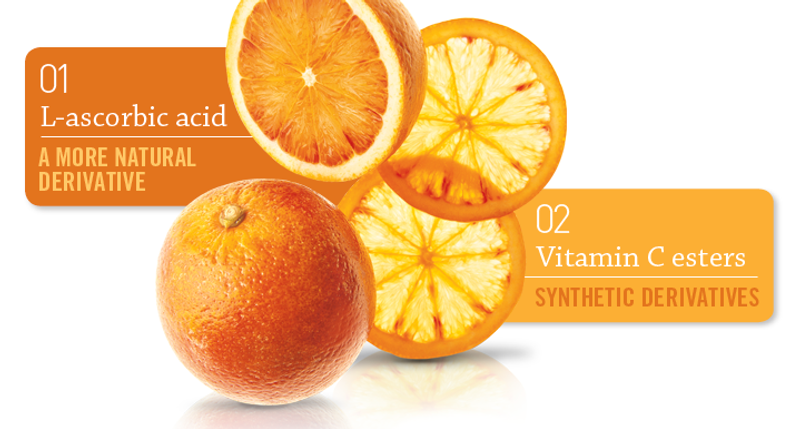
L-Ascorbic Acid: A more natural derivative
L-ascorbic acid is one form of vitamin C in skin care. “This is the version found in our diets,” says Meridian, CT, dermatologist Nicholas Perricone, MD. The downside to it: it’s not very stable. “Companies don’t start with vitamin C derived from fruits but rather from synthesized production in a manufacturing plant.”
Regardless of the source—be it extracted from an orange, plant or other natural element—all extracts of vitamin C need to be “processed” to some degree to make them applicable and usable in skin care. L-ascorbic acid is the closest to a natural form of vitamin C found in skin-care products today.
Vitamin C Esters: Synthetic derivatives
Some skin-care brands choose to use synthetic vitamin C ingredients because they may be more readily available, less expensive or more sustainable in the formula. Synthetic forms of vitamin C tend to break down at a slower rate.