Skip to main content Skip to main content
Advertisement

How to Know if a Mole is Skin Cancer

Warning: Graphic images ahead.

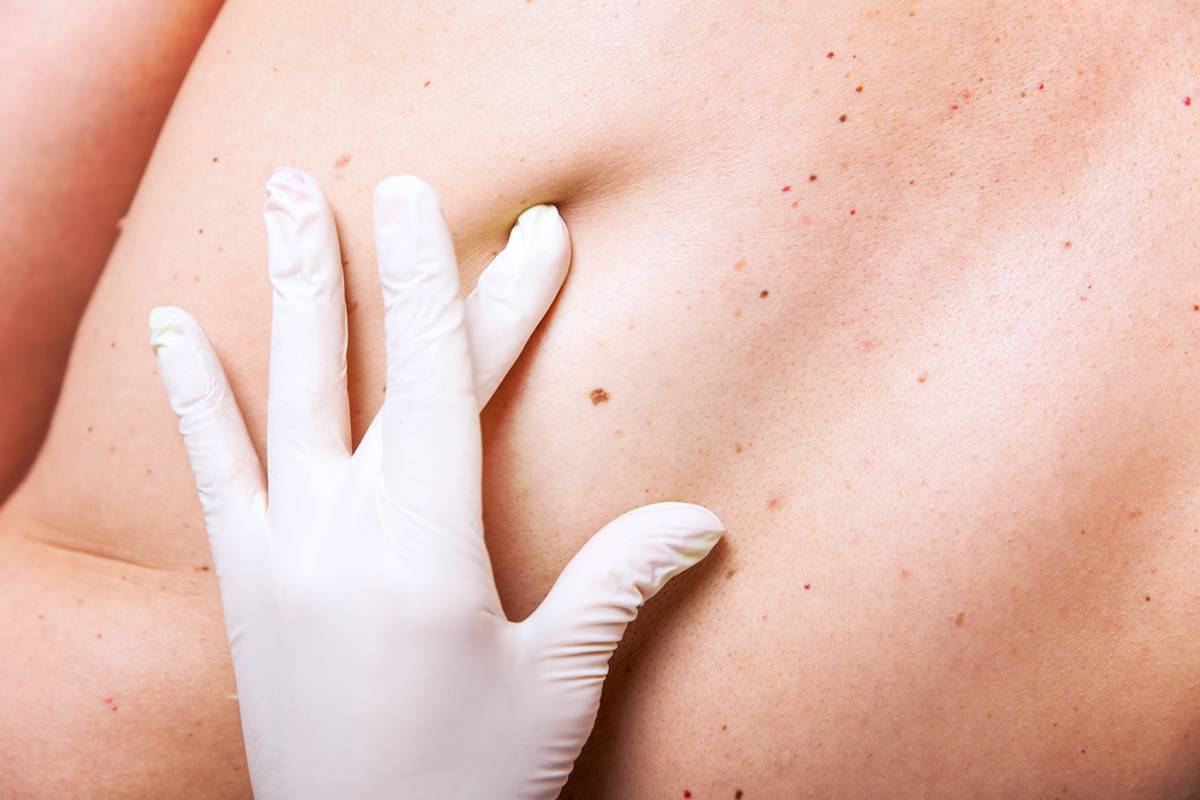
Photo Credits: Miriam Doerr Martin Frommherz/ Shutterstock | Image Used for Illustrative Purposes Only

This article first appeared in the Summer 2019 issue of NewBeauty. Click here to subscribe.

Yes, we agree: Moles aren’t the loveliest things, but knowing what to look for could save a life.

You May Also Like: New Study Finds Most Melanoma Cases Don’t Come From Existing Moles

1 / 9
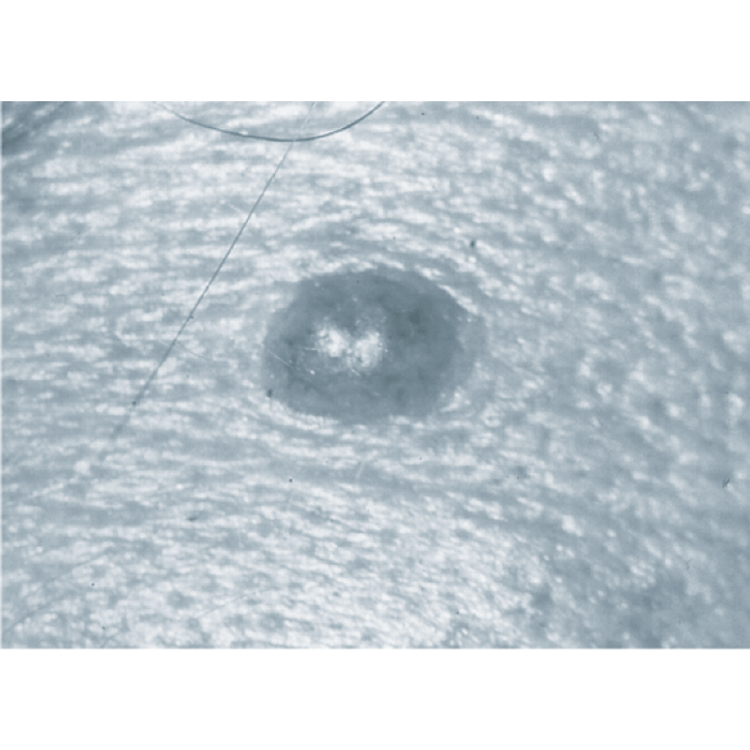
THINGS THAT GO BUMP

According to the Skin Cancer Foundation, it can be hard to tell the difference between an a typical mole and an early melanoma, but if you aren’t sure, get it checked (yearly skin checks are vital). Be particularly wary of any new spots that grow over time, bleed and do not heal.

Photo courtesy of the Skin Cancer Foundation

Slide 1
2 / 9

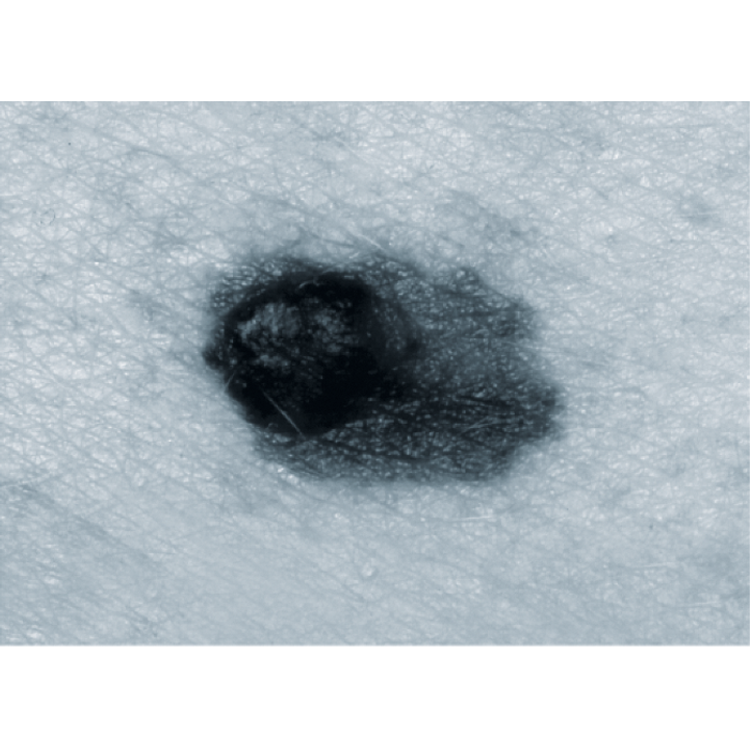
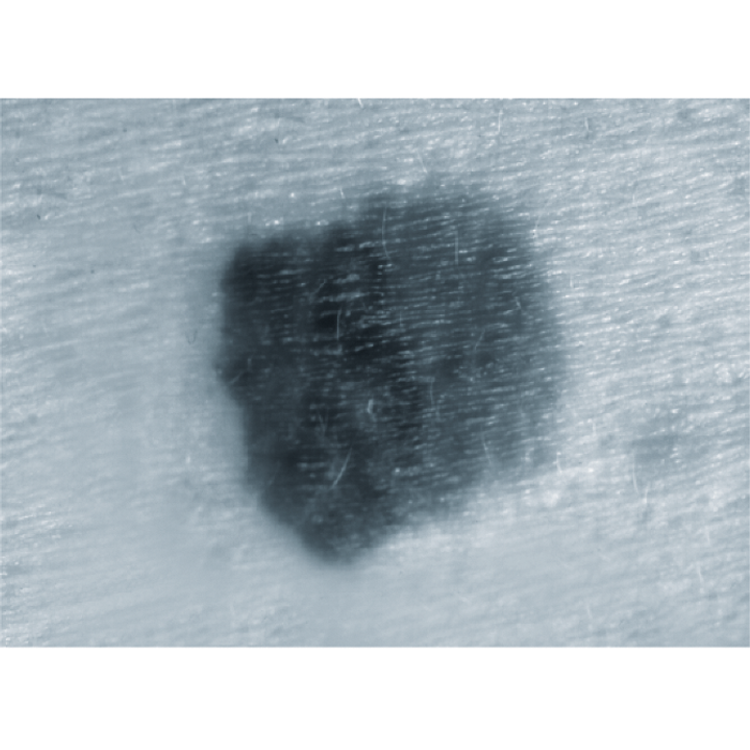
MELANOMA EXAMPLE

Asymmetry is a warning sign of melanoma. If you draw a line through the above mole, the two halves will not match.

Photo courtesy of the Skin Cancer Foundation

Slide 2
3 / 9

BENIGN SIGN

Benign moles equal non-cancerous moles, but anyone who has atypical moles is at an increased risk of developing melanoma.

Photo courtesy of the Skin Cancer Foundation

Slide 3
Advertisement
4 / 9

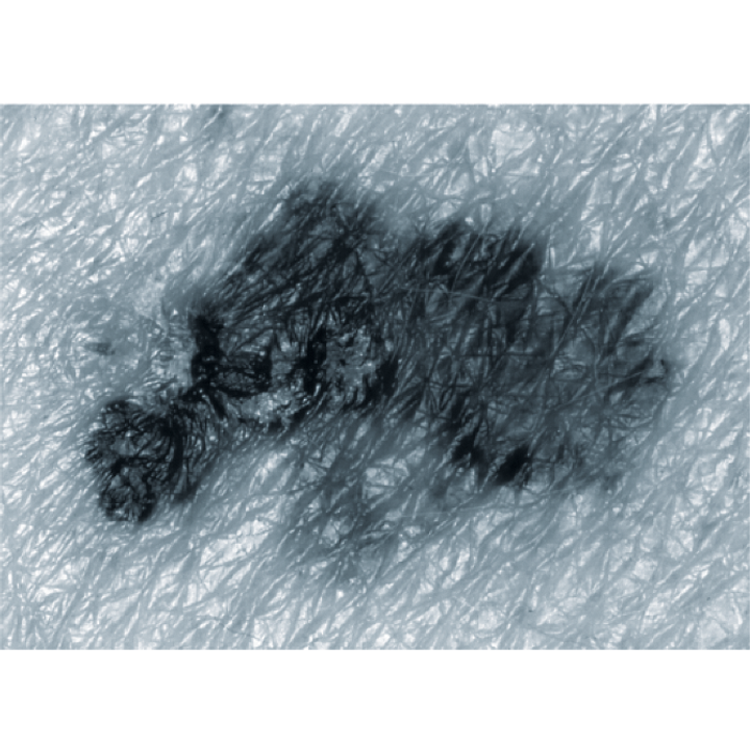
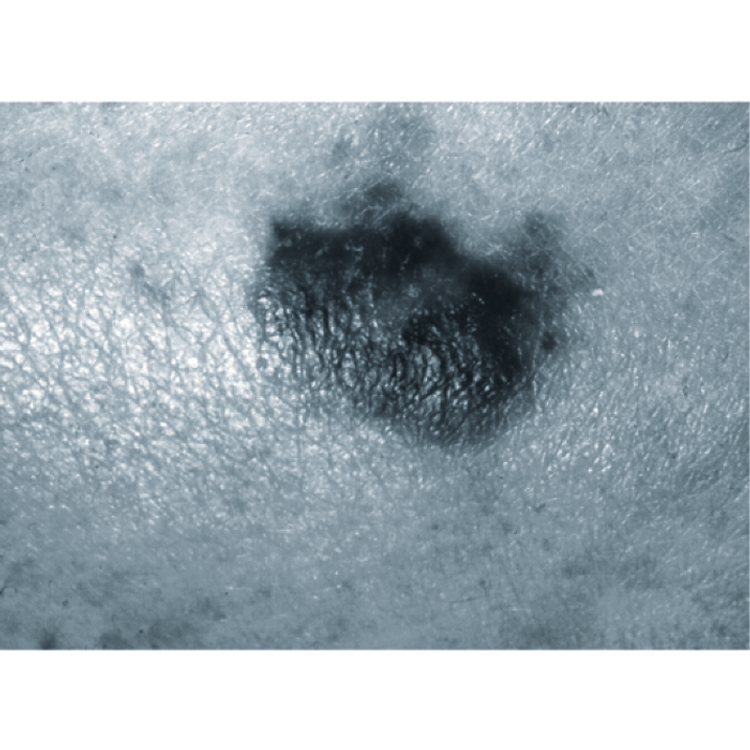
WAVY WAY

This is an example of a malignant mole. The borders of an early melanoma tend to be uneven and the edges may even become scalloped or notched.

Photo courtesy of the Skin Cancer Foundation

Slide 4
5 / 9

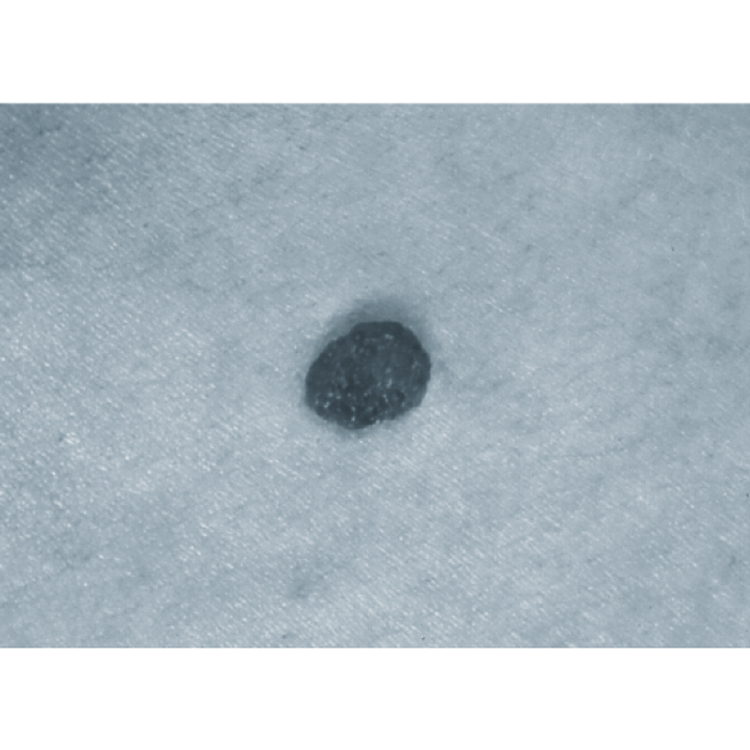
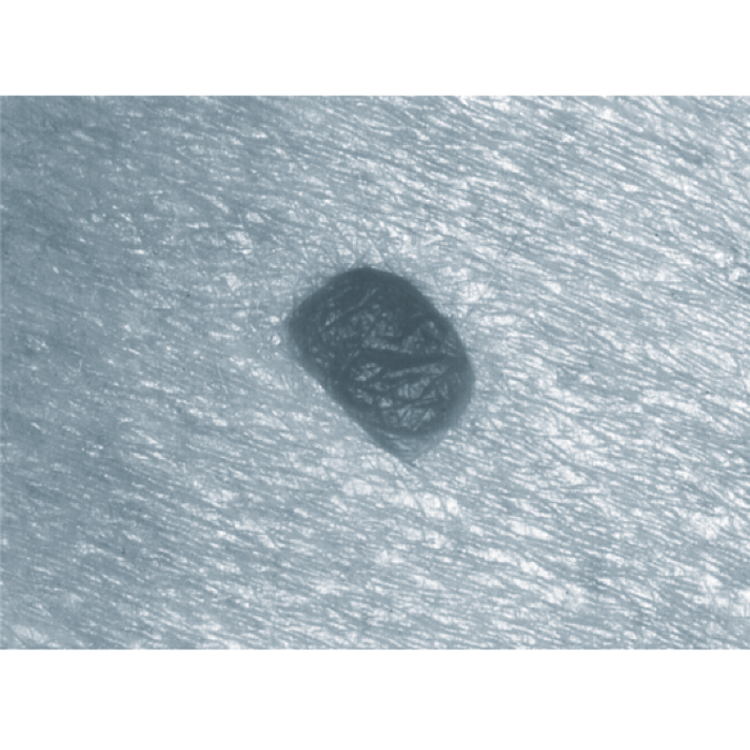
CIRCULAR MOTION

Most benign moles are all one color (often a single shade of brown). A benign mole also typically has smooth, even borders, unlike melanomas.

Photo courtesy of the Skin Cancer Foundation

Slide 5
Advertisement
6 / 9

SHADE CHECK

Moles with a variety of colors can be a warning sign. A number of shades of brown, tan or black could appear and melanoma may become red, white or blue.

Photo courtesy of the Skin Cancer Foundation

Slide 6
7 / 9

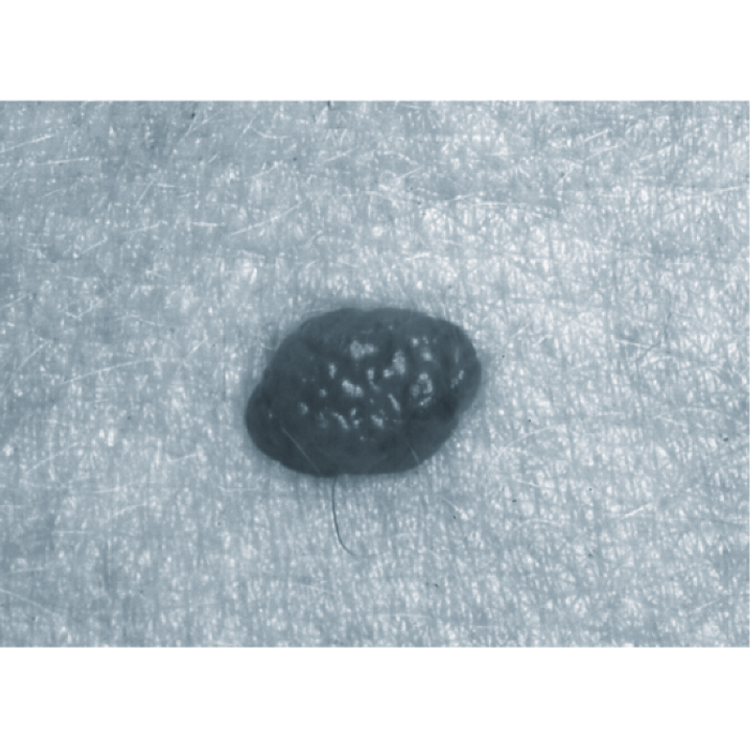
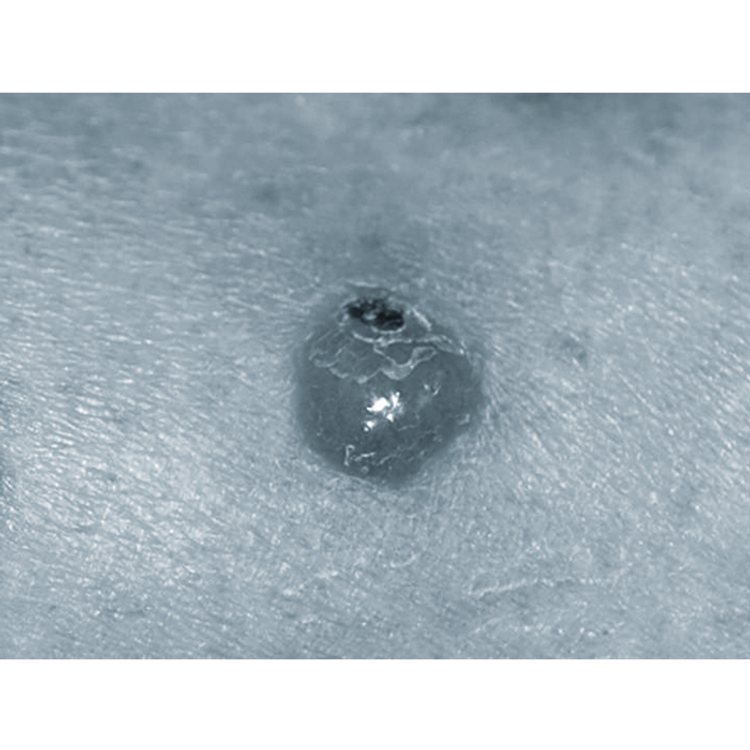
MEASURING STICK

This is an example of a benign mole. As a general rule, benign moles usually have a smaller diameter than malignant ones.

Photo courtesy of the Skin Cancer Foundation

Slide 7
Advertisement
8 / 9

ERASER HEAD

Melanomas are usually larger in diameter than the eraser on your pencil tip, but they may sometimes be smaller when first detected.

Photo courtesy of the Skin Cancer Foundation

Slide 8
9 / 9

EVOLVE + CHANGE

Any change in a mole—in size, shape, color, elevation, etc.— or any new symptom, such as bleeding, itching or crusting, can point to a problem.

Photo courtesy of the Skin Cancer Foundation

Slide 9
Advertisement
skincancermain

It's Personal

At NewBeauty, we get the most trusted information from the beauty authority delivered right to your inbox

FIND A DOCTOR

Find a NewBeauty "Top Beauty Doctor" Near you

Filter doctors by location and specialty
NewBeauty Magazine Cover
NEWBEAUTY

Give the Gift of Luxury

GIVE A SUBSCRIPTION