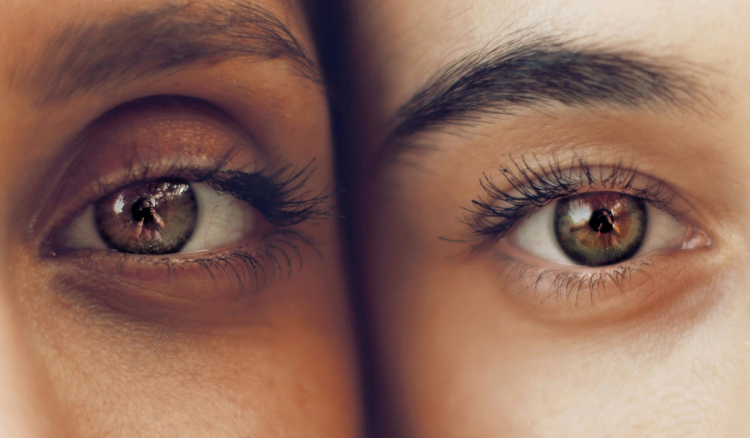
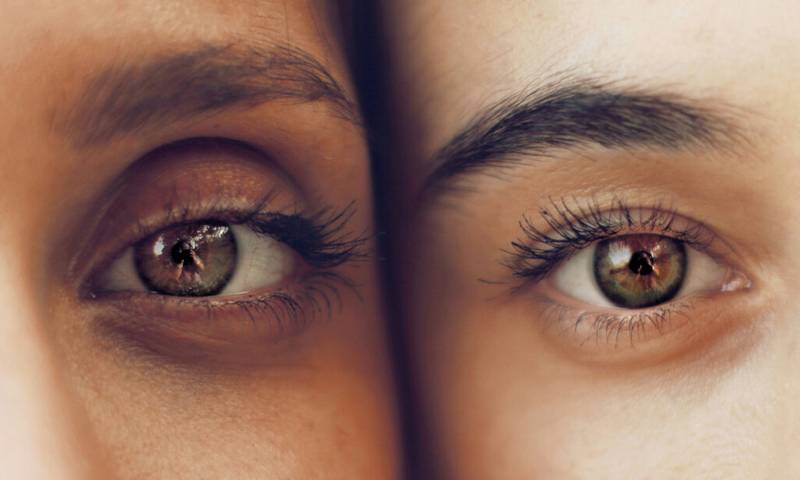
Weight-loss success is supposed to feel like a win until your under-eyes start telling a different story. For many patients celebrating progress on the scale, the area beneath the eyes may begin to look more pronounced. “Weight loss can significantly affect facial laxity and alter the volume and position of facial fat compartments,” says New York plastic surgeon Mokhtar Asaadi, MD. “However, the fat in the lower eyelids is generally not affected by weight loss.” It is not the eyes that change, experts say. It is the structure around them.
Featured Experts
- Mokhtar Asaadi, MD is a board-certified plastic surgeon in New York
- Elbert E. Vaca, MD is a board-certified plastic surgeon in Boca Raton, FL
What Makes Eye Bags Look Worse
Once facial volume starts to shift, the under-eye area loses its camouflage. Boca Raton, FL plastic surgeon Elbert E. Vaca, MD sees this frequently in patients using GLP-1 medications. “With significant weight loss related to GLP-1 medications, one of the main things I notice is overall facial volume loss,” he says.
That loss often occurs in the midface and cheek, which normally help soften the transition between the lower eyelid and the face. “When patients lose fat, especially in the midface and cheek region, which normally helps blend the junction between the lower eyelid and the cheek, it makes under-eye bags appear more prominent,” Dr. Vaca explains. “That loss of padding exaggerates the transition between the eyelid and the cheek, so the bags stand out more.”
Yes to Fillers, but Carefully
For some patients, the issue is not the lower eyelid itself but the loss of volume just beneath it. Rather than placing product directly under the eye, restoring volume in the cheek can help soften that transition. “Rather than just tightening underneath the eye, you often have to counterbalance the hollowing in the cheek structures by restoring volume,” says Dr. Vaca. “That helps blend the transitions between the eye and the cheek.”
Dr. Asaadi notes that any injectable approach depends on eyelid support. “When performed correctly by experienced specialists, dermal fillers can effectively improve hollowness in the lower eyelids,” he says. “Fillers are best indicated in patients who have good lower eyelid tone.”
When Surgery Makes Sense
For patients who have lost significant facial volume with GLP-1 medications, Dr. Vaca often looks beyond the under-eye area itself. “Deciding on surgery has to be a shared decision,” he says. “The concern has to bother the patient enough, and I have to feel that surgery can realistically address it.”
When eyelid tone is compromised, surgery becomes more than cosmetic refinement. It becomes structural correction. “In cases where the lower eyelids demonstrate decreased tone, surgical intervention is recommended to achieve optimal and long-lasting results,” adds Dr. Assadi.
Rather than focusing on skin removal, the priority is restoring support. “As a general rule, skin excess alone plays a relatively minor role in the appearance of the lower eyelids,” Dr. Asaadi explains. “Improving lower eyelid tone through canthopexy and tightening of the lower eyelid muscles provides the most reliable aesthetic outcomes.”
Adding Fat Back
In many cases, adding volume back is part of the solution. “In patients who have lost significant volume due to GLP-1 medications, I am more likely to recommend volume restoration with fat grafting,” says Dr. Vaca. “Rather than just tightening underneath the eye, you often have to counterbalance the hollowing in the cheek structures by restoring volume.”
He does not view the under-eye area in isolation. “It is not just about doing a lower blepharoplasty,” he says. “It is about adding and subtracting where it makes sense to recreate natural contours.”