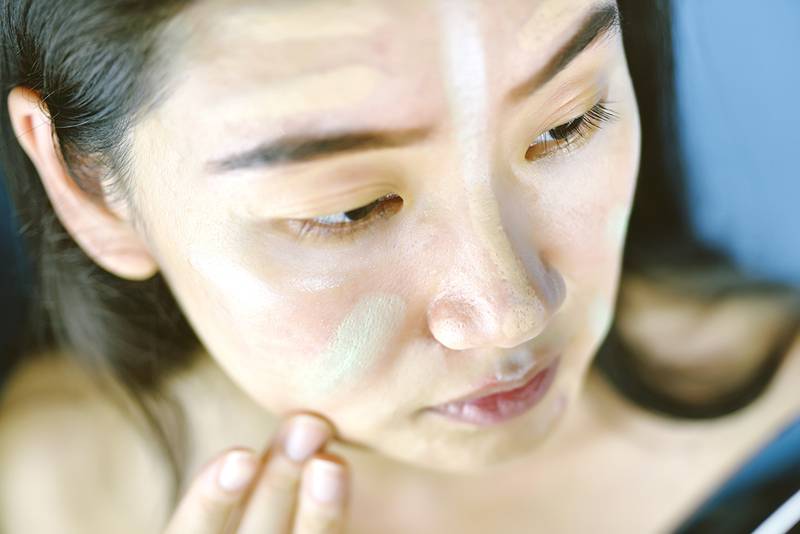
Ever since Hailey Bieber applied color corrector after concealer in a Vogue video, I’ve been determined to set the record straight on the right order for brightening the under-eye area and evening skin tone. Ahead, two professional makeup artists break down the definitive answer, along with the why, how and best techniques for color correcting and concealing.
Featured Experts
- Kasey Spickard is a celebrity makeup artist
- Judy Gabbay is a celebrity makeup artist
What Is the Difference Between Color Corrector and Concealer?
The simple answer: Color correctors neutralize imperfections and discoloration, while concealers cover them. Color correctors are specifically “designed based on color theory to neutralize dark circles, discoloration, sallowness or redness,” says celebrity makeup artist Kasey Spickard. Concealers, on the other hand, “match the skin tone and hide imperfections, while lighter shades are used to brighten, highlight and create dimension.”
Color Corrector or Concealer: Which Comes First?
Both Spickard and fellow celebrity makeup artist Judy Gabbay agree on the order: Color corrector always comes first. Applying it before concealer helps minimize how much product you need overall. It also allows everything to blend more seamlessly, avoiding gray or ashy tones so the skin looks cleaner, fresher and more natural.
When Should I Use Both?
“If you rely on concealer alone for stronger discoloration, you usually end up using too much, and that’s when it starts to look heavy, ashy and sometimes even worse than when you started,” says Gabbay. That said, if discoloration is minimal, color correcting isn’t necessary, she says.
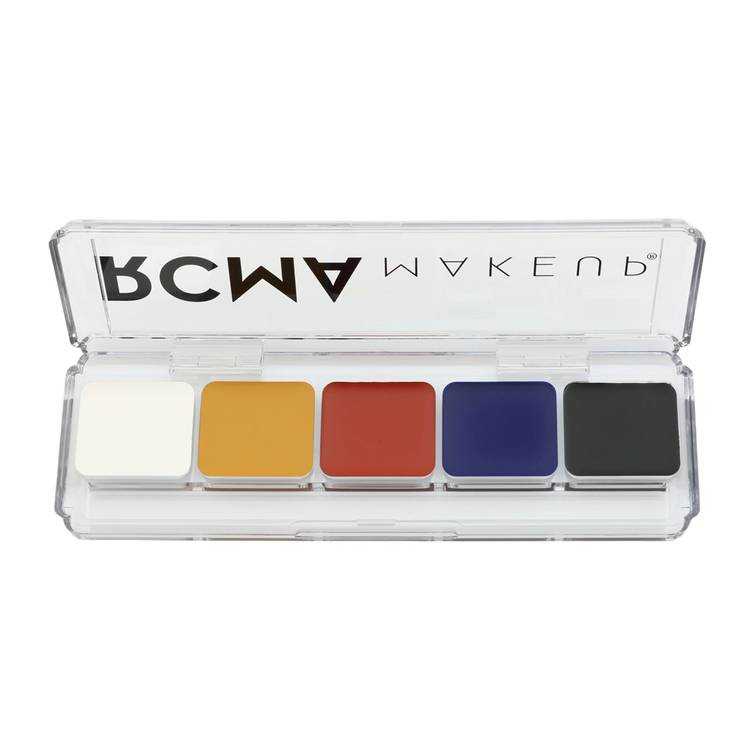
Color correctors also do more than neutralize. Gabbay notes they can be used to adjust your base. Instead of replacing your complexion products, you can tweak them as needed—whether your skin tone shifts over time or your foundation just isn’t quite right: A blue corrector can cool down a foundation that pulls too orange, orange can warm up a shade that feels too cool and white or yellow can add a subtle brightening effect to both foundation and concealer.
Breaking Down Color Corrector Shades
When it comes to color-correcting hues, here are the most common shades and what they do:
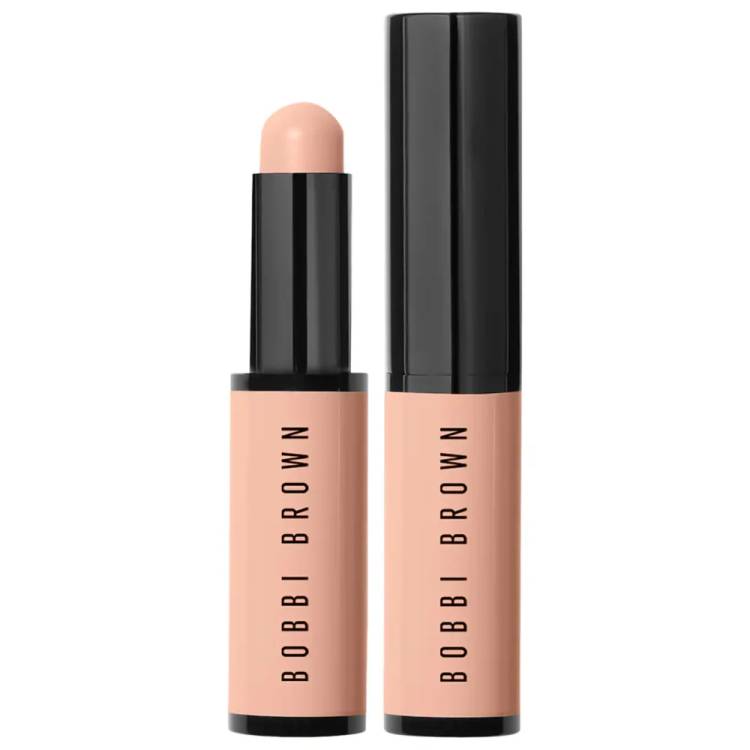
- Peach, Salmon, Orange: Cancel out blue and purple tones, making them ideal for neutralizing under-eye circles and hyperpigmentation. Peach and salmon typically work best on light to medium skin tones, while orange is better suited for deeper skin tones, says Gabbay.
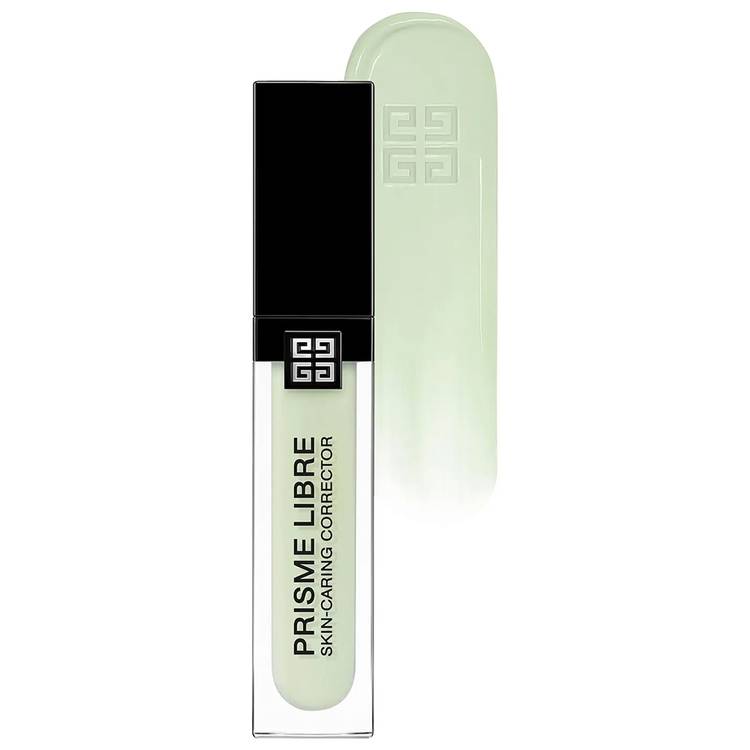
- Green: Neutralizes redness, including acne and broken capillaries.
- Yellow: Helps counteract purple undertones while brightening dull skin. “Yellow is great for correcting bruising, veins and especially purple under-eye circles,” says Kasey Spickard.
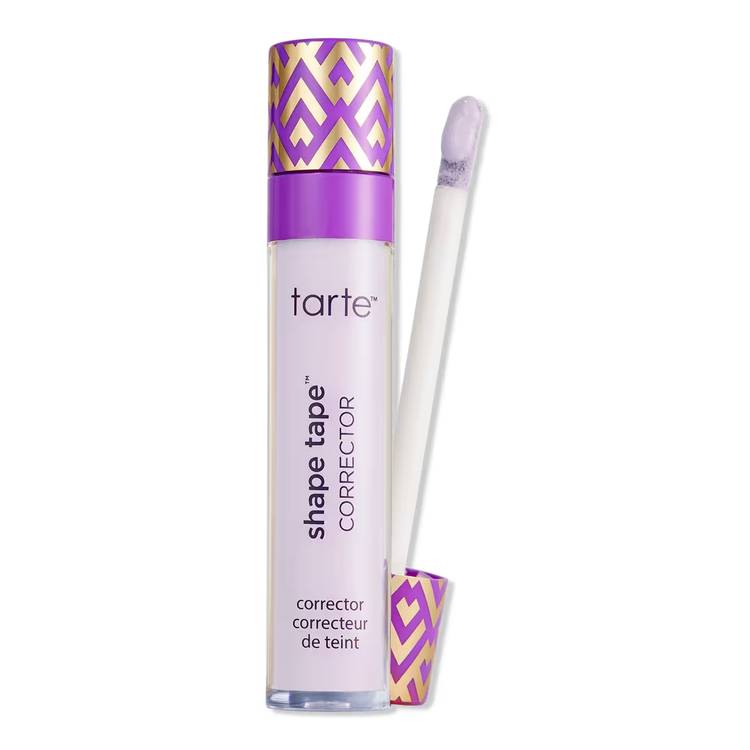
- Lavender, Pink: Correct sallow or yellow tones and add brightness to dull areas. Gabbay adds that pink can also be mixed into concealer—“I love this for a fade into pink blushes as well.”
Best Tips for Applying Color Corrector and Concealer
Before applying color corrector or concealer, Gabbay emphasizes the importance of properly hydrating the skin, especially the under-eye. “Using an eye cream like Kiehl’s Avocado Cream ($40) before application helps with a seamless finish,” she explains.
Next, “apply a tiny amount of corrector exactly where needed,” then blend it out. Gabbay also recommends lightly setting the corrected areas with a finely milled powder before going in with concealer. Setting first helps keep everything in place and prevents the corrector from mixing into the concealer. “The key is not disturbing the color correction,” she says. “Using a damp beauty blender to push and tap the concealer over the corrector helps keep everything airbrushed and seamless.”
If you’re still seeing grayness or discoloration after correcting and concealing, Spickard says that’s when a little corrector on top of complexion products is warranted. “You can apply [corrector] with a light hand and a fluffy brush, and tap corrector over your foundation and concealer to help neutralize anything that's showing through. You can do this with a light layer of cream corrector or with a powder corrector.”
Makeup Artist-Recommended Color Correctors and Concealers