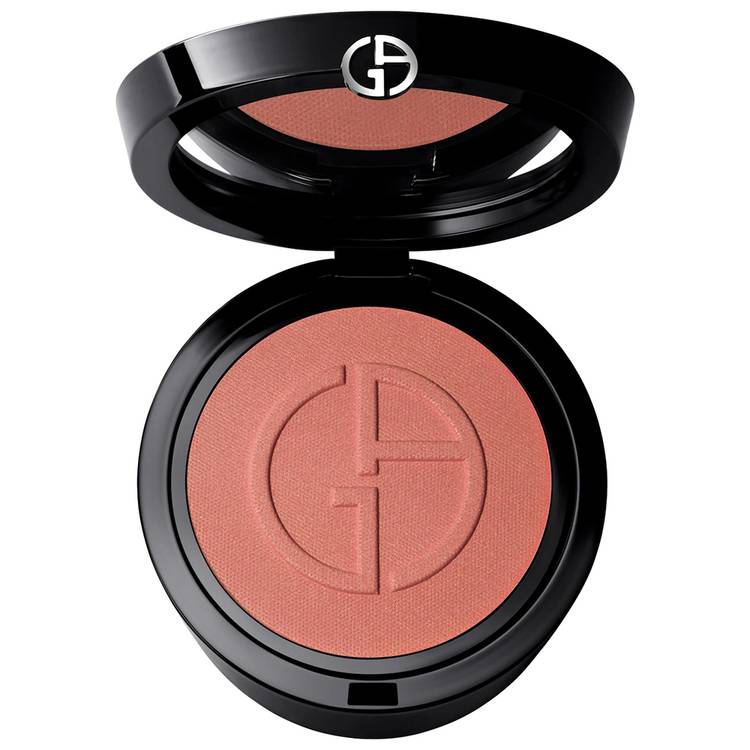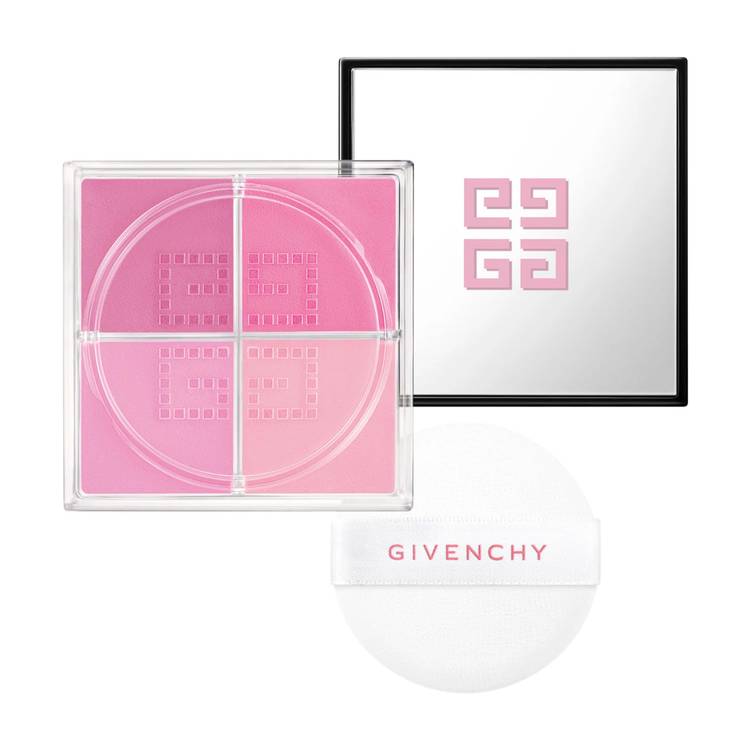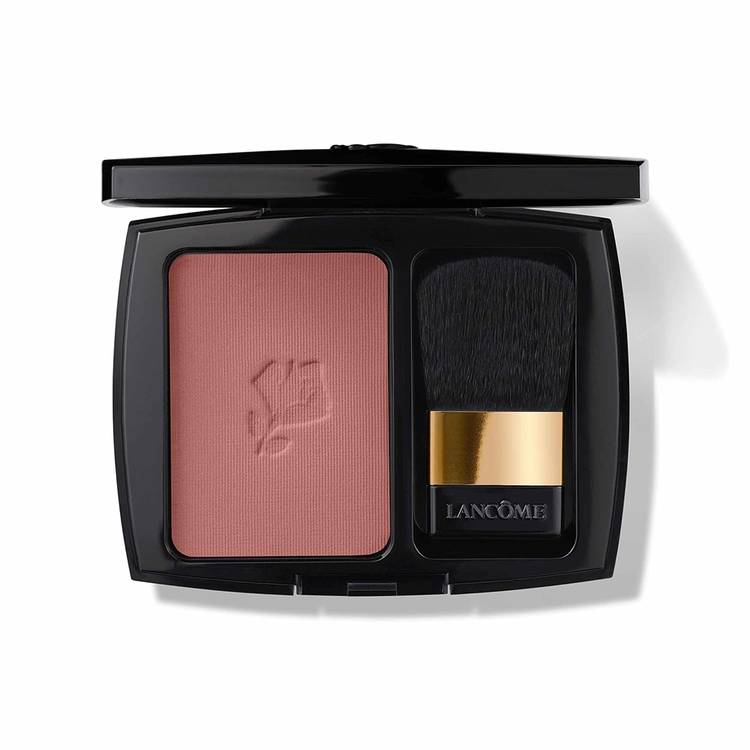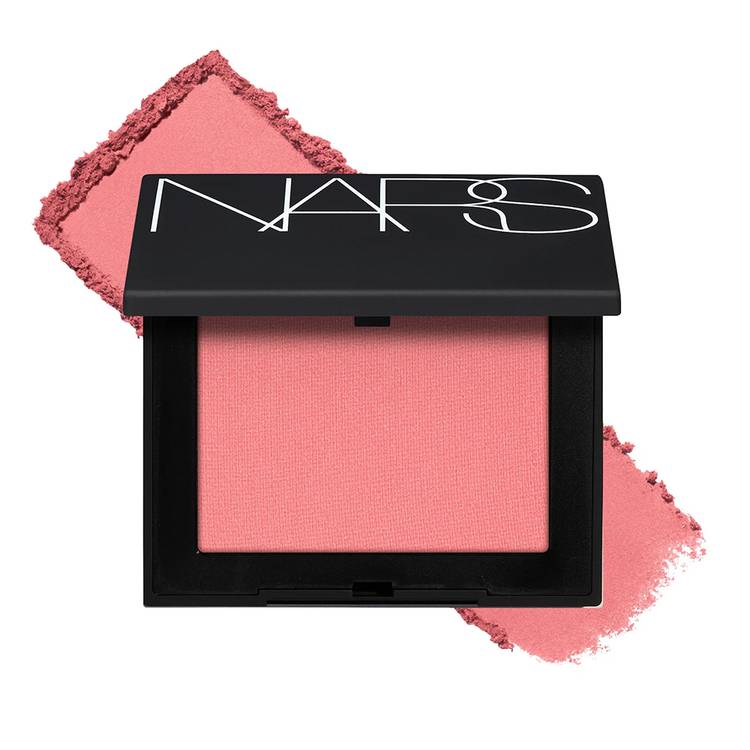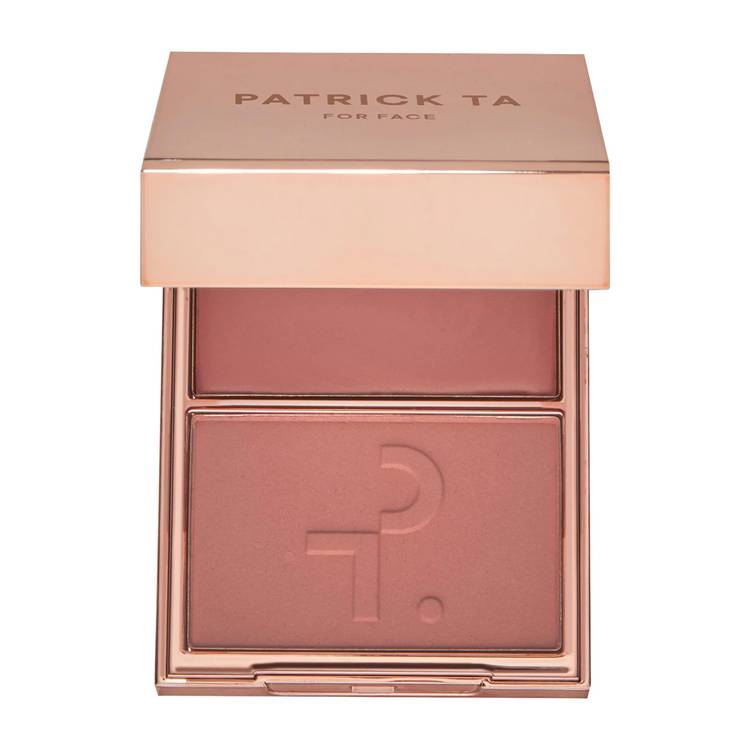
Cream, liquid, balm and jelly blushes may get all the hype, but as NewBeauty previously reported, powder blush remains one of the most popular formulas. In 2024, the Instagram account Data, But Make It Fashion analyzed 891 articles referencing blush types and ran a sentiment analysis comparing liquid and powder formulas. The results revealed that powder blush was 79 percent more popular than liquid blush that year.
Of course, just because a category of makeup is popular doesn’t mean it works equally well across age groups. Case in point: powder blush has developed something of a bad reputation for skin over 50, as it can settle into fine lines, accentuate uneven texture and cling to dry patches.
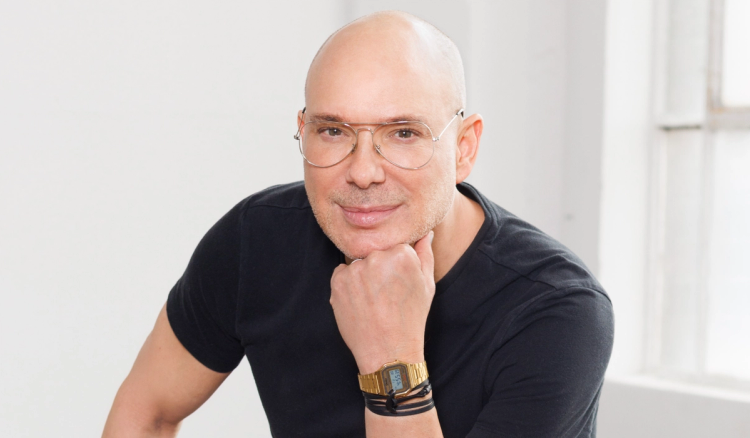
So, do you have to say goodbye to your favorite powder blush after a certain age? Not so fast, says celebrity makeup artist Kasey Spickard. Below, we chat all things powder blush for mature skin, including application tips and favorite products.
Skin Prep Is Key
"When prepping skin over 50 for powder blush, the focus should really be on hydration and creating a smooth base,” says Spickard. “Something that plumps and nourishes the skin will help powder products sit more beautifully and avoid emphasizing texture.”
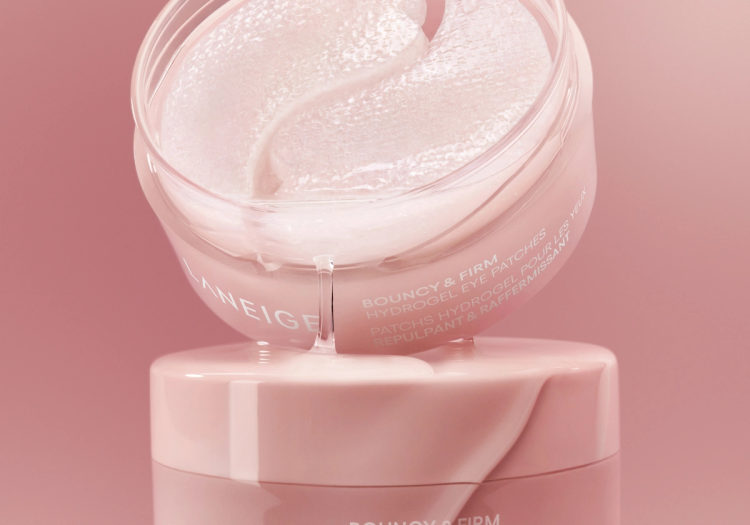
That prep starts with rich, hydrating skin care like Biologique Recherche Creme Vernix Mask ("It has a nice grip and luminosity that sits beautifully under makeup," notes Spickard) and eye masks like ClearStem's Eye Candy Eye Patches to "smooth and hydrate the under-eye area, where fine lines and wrinkles are more prominent."
The Right Finish
“For finishes, I always use a matte blush,” says Spickard. “Shimmer and overly reflective formulas highlight texture, whereas matte finishes give more of a blurred effect and help hide pores, fine lines, wrinkles and imperfections.”
Moreover, when it comes to powder blush formulas, Spickard advises avoiding ones that include mica because the ingredient can cause reflection, cling to texture and highlight fine lines, wrinkles and crepiness.
Blush Boost
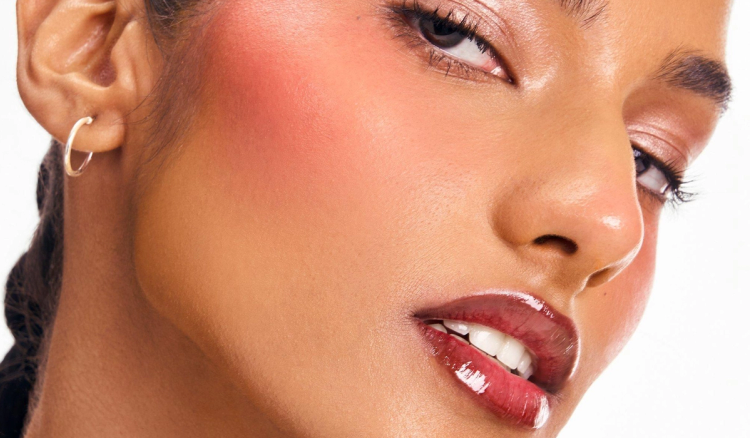
There has been much discourse in recent years about blush placement—boyfriend blush, chin blush, sunburn blush—and they all emphasize different areas of the face. For mature clients, Spickard focuses blush placement "almost underneath the eye, more toward the center of the face, then moving up toward the apple of the cheek and lightly dusting the tops of the cheekbones." This, according to Spickard, gives the midface a much-needed volume boost. "Adding blush in this area helps mimic volume and adds warmth and dimension where that volume loss occurs. It brings life back into the center of the face and helps create a more lifted, youthful appearance."
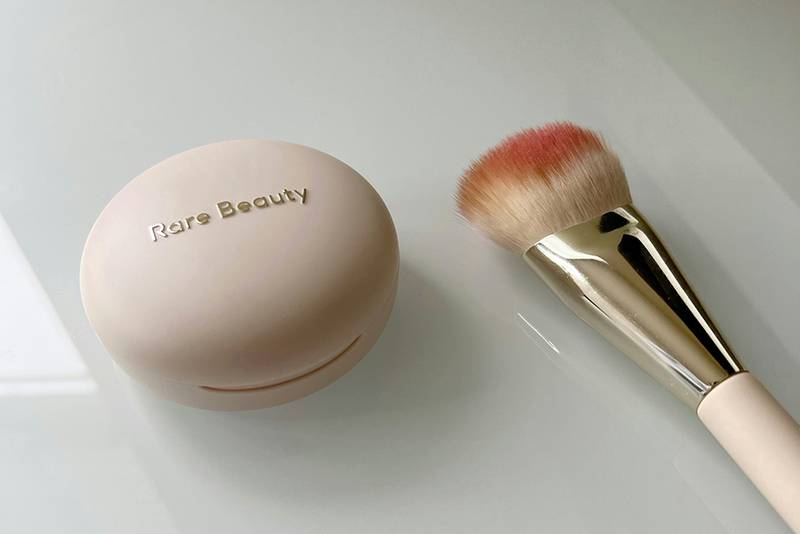
Another top tip: brush size matters. "Don’t use a brush that’s too big," warns Spickard. Why? "You lose control of the actual placement of the blush," meaning powder is unevenly distributed and ends up in areas you don't want it, bringing the whole look out of focus. "I like to use a medium-sized fluffy brush, medium to small, because it gives you a little bit more control."
When it comes to color, pick at least two. "I use a lighter shade of blush from the midface to the apple of the cheek, up the cheekbone, as my base color with a medium brush. Then, with a more intense pigment, I use a smaller brush and place it about three finger widths away from the nose out toward the cheek. You’re creating a hotspot or an epicenter of the blush, and it diffuses out into the lighter shade base color that you’ve placed. That gives a really nice blend, and you have the intensity and the pop of color that softly diffuses across the face."
Best Powder Blush for Mature Skin