Ballerinas manage to exude a soft, romantic look both effortlessly and constantly. Maybe it’s the slicked-back buns, or maybe it’s their makeup. Even while performing incredible acts of athleticism across the stage, they consistently look lifted, natural and fresh. The newest spring blush trend—ballet blush—draws inspiration from that aesthetic.
But what exactly is ballet blush, and how do you apply it to get that effortlessly chic look? We spoke to makeup experts to get their take. Read on for everything you need to know about ballet blush.
Featured Experts
- Shani Gailbreath is a hair and makeup artist in Nashville, TN
- Stephi Cohen is the cofounder & CCO of Blushington
What Is Ballet Blush?
Ballet blush is essentially meant to mimic the look a ballerina has after rehearsal. It is “all about that soft, romantic flush you’d imagine on a dancer: fresh, lifted and really natural-looking,” says Blushington cofounder and CCO Stephi Cohen. “It’s not overly placed or heavy. The goal is for the skin to look healthy and glowing, like the color is coming from within rather than sitting on top.”
It’s meant to look almost like you have no makeup on at all. “Ballet blush is akin to an effortless femininity,” says Nashville-based hair and makeup artist Shani Gailbreath. “It's a very real look as opposed to a dramatic, sculpted look.”
Why Is Ballet Blush Trending?
Ballet blush is likely trending for multiple reasons, starting with the fact that the aesthetic of ballet has been having a major moment both online and in real life. “Ballet as an aesthetic has had a massive resurgence across fashion, fitness and beauty, and blush is one of the easiest ways to participate in a trend without overhauling your entire routine,” says Gailbreath. It’s not the first time ballet-inspired makeup has taken hold (balletcore, anyone?).
The trend is also indicative of what people are asking of their beauty routines lately, namely low-effort, low-maintenance looks that still perform. “There’s a shift happening away from heavy, sculpted makeup and also away from that minimal, clean girl aesthetic,” says Gailbreath. “Makeup wearers are looking for something in the middle that leans toward skin that looks like it’s been taken care of but with some makeup on it.” Ballet blush falls right into that category, and Gailbreath notes that it’s what many of her clients are asking for. “They’re looking for that ‘me but enhanced’ style,” she explains.
As people continue to lean into soft, effortless beauty, ballet blush fits in seamlessly. It gives a feminine, lively and fresh look without being overdone. Simply put: “It’s pretty, but still wearable every day, which is why it resonates with so many people,” says Cohen.
Choosing a Blush
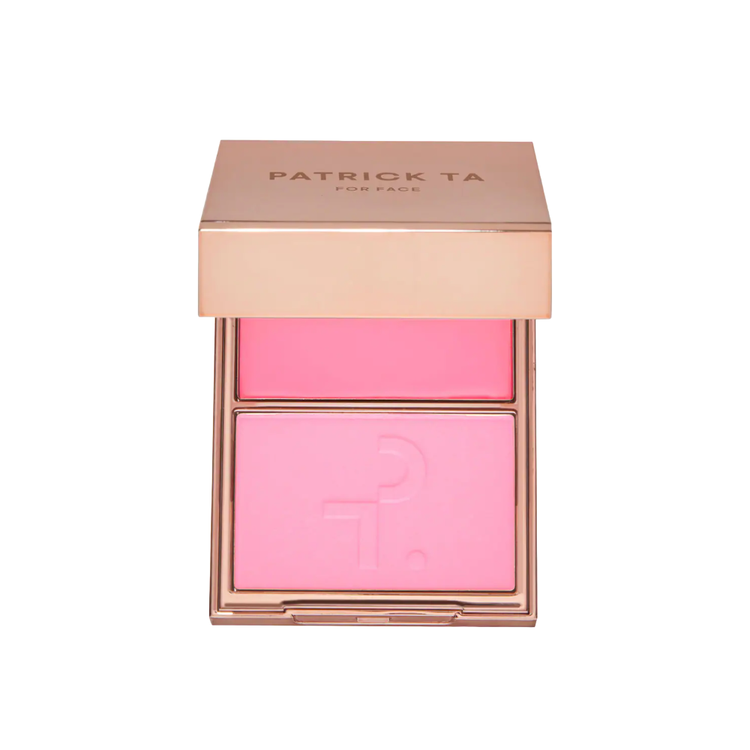
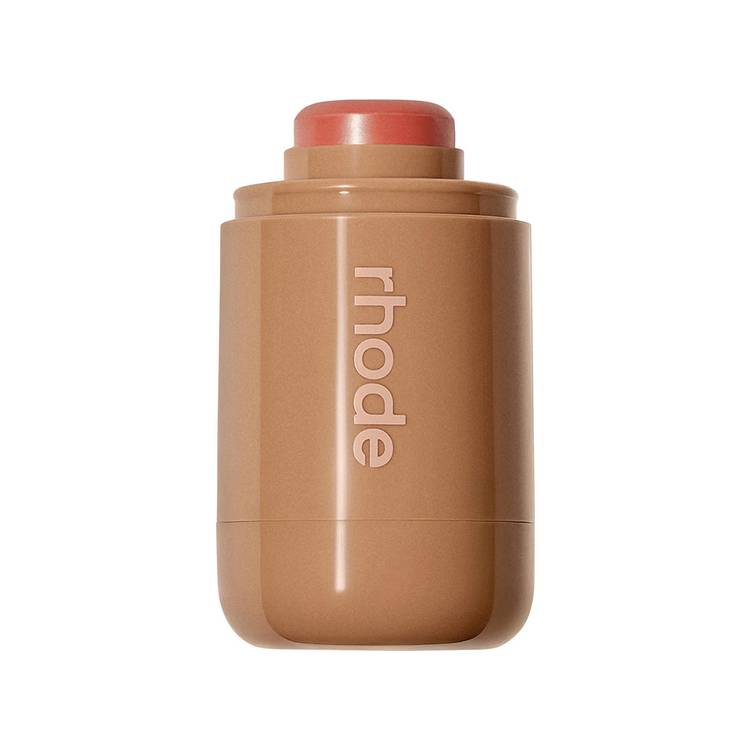
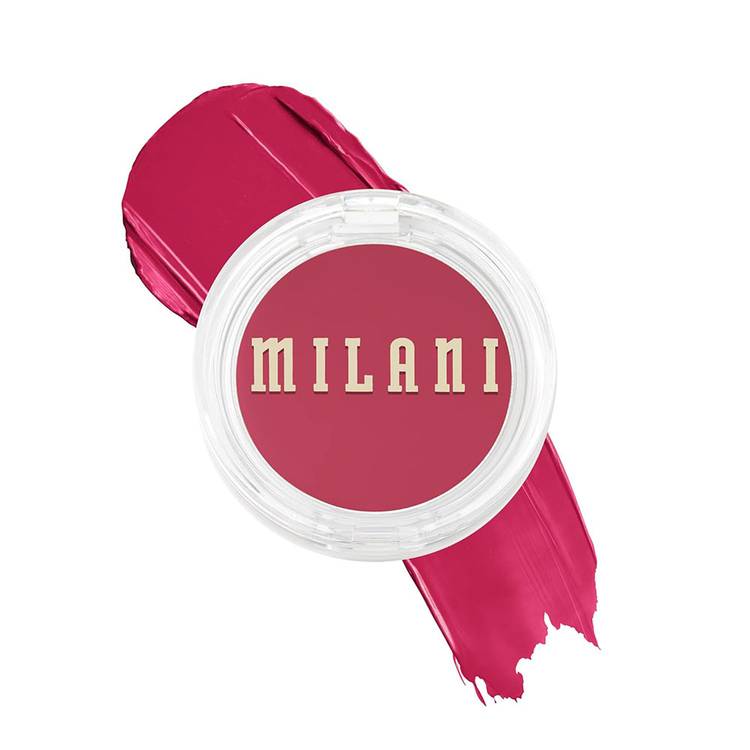
Before placing any blush on your skin, the first step is to choose the right formula for the best results. For this trend, you’ll want to consider reaching for a cream blush to start. “Cream blushes melt into the skin and mimic that real-life flush better than anything else,” says Gailbreath. “A satin-finish cream applied with a dense brush or a damp sponge gives you that lit-from-within look.” Once the cream blush is applied, you can “top with a powder blush layered on top to lock it in without killing the softness,” she adds.
When it comes to choosing a blush shade, think soft pinks, roses and muted peach tones, says Cohen. Here’s an insider tip: “The easiest way to pick your shade is to go off your natural flush—what your skin looks like when you’re a little warm or just worked out,” she says. In general, to get the ballet blush look, Cohen recommends shades like soft or baby pink for fair skin, warm rose or peachy pink for medium skin and rich rose or berry for tan to deep skin.
How to Get the Look
Blush placement is key, as it defines this ballet-inspired trend from the rest. “Instead of focusing on the apples of the cheeks, I like to place blush higher up on the cheekbones and blend it out toward the temples,” says Cohen. This gives an instantly lifted look that’s both natural and effortless.
Then, don’t be afraid to take the application a step further. Once you blend and diffuse it upward toward the temples, you can take it across the bridge of the nose, says Gailbreath. “I would even dust a smidge of the remaining product left on the brush onto the forehead,” she adds.
As you create the look yourself, keep in mind that it should "look like blood moving under the skin, not product sitting on top of it,” says Gailbreath. Put another way, “It should feel like an enhancement, not a statement,” adds Cohen.
The Best Products for Ballet Blush