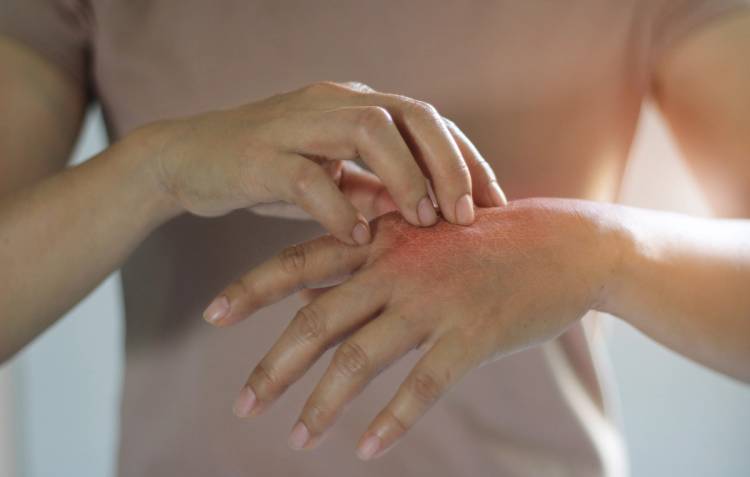
Steroid-free eczema options for babies have long been slim, leaving parents and pediatric dermatologists with few choices for their youngest patients. That may be changing. As reported by Dermatology Times, the FDA has accepted an application from Arcutis Biotherapeutics to expand the approval of roflumilast cream (Zoryve) to infants ages 3 months to under 2 years with mild to moderate eczema. If approved, it would give parents of very young children access to a nonsteroidal, once-daily topical option already used by older kids and adults.
What the Trial Showed
In the trial supporting the application, nearly half of treated infants achieved clear or almost clear skin by week four, and itch improved quickly too, with over a third of infants showing meaningful relief from itching in that same timeframe.
Why This Matters for the Youngest Patients
Dermatology Times editor-in-chief Christopher Bunick, MD, PhD, pointed to how few advanced options currently exist for this age group. “Children 3 to 24 months of age have very limited options when it comes to treating their atopic dermatitis with an FDA-approved advanced non-steroidal therapy, regardless of whether that therapy is topical or systemic,” Bunick said. “News that roflumilast 0.05% cream is on track at the FDA…for approval in this atopic dermatitis population is evidence that potent PDE4 inhibition is effective, safe and tolerable.”
Arcutis president and CEO Frank Watanabe called the FDA’s acceptance of the application a meaningful step forward. “Receiving FDA acceptance of this application is an important milestone toward addressing a significant unmet need for infants living with atopic dermatitis and their families,” Watanabe said.
What This Means for Parents
Side effects reported in the trial skewed mild, mostly stomach upset or cold-like symptoms, in line with what’s been seen in older kids using the cream. The cream isn’t approved for infants yet, and the FDA isn’t expected to make a decision until early 2027. In the meantime, parents managing a baby’s eczema can lean on gentle, barrier-supporting skin care while they wait to see whether this becomes the next nonsteroidal option their pediatric dermatologist can prescribe.