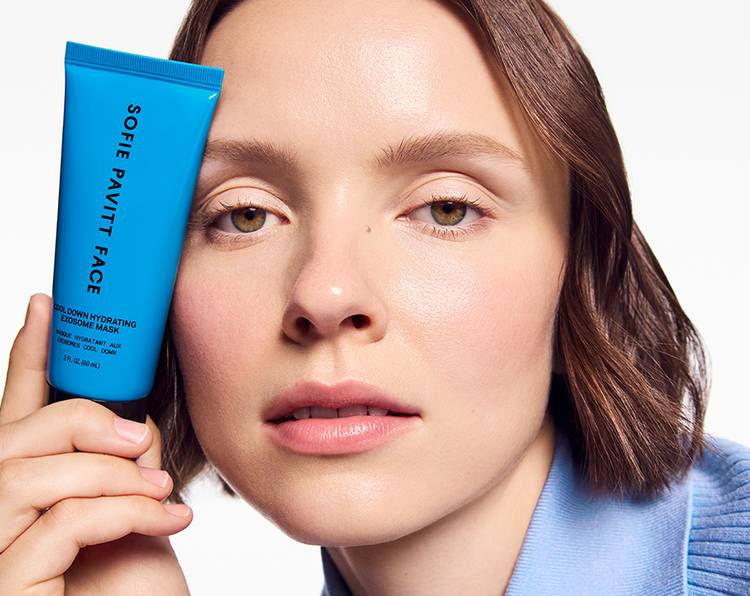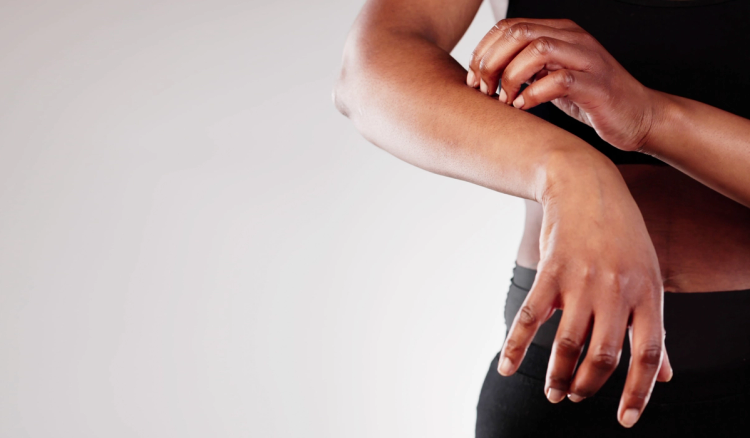

Eczema has spent most of its existence being decidedly unglamorous. Now, the inflammatory disease—marked by itching and dry, cracked skin—is having something of a rebrand, staking out space in the beauty aisle.
Brands are racing to develop formulas that feel less medicinal and more cosmetic. But, not everyone is convinced that shift is a good thing. As Houston dermatologist Jennifer Segal, MD puts it, “Beauty is not dermatology.” The two, she argues, serve fundamentally different purposes.
So where does supportive skin care end—and medical treatment begin?
The Clinical Reality
Eczema’s history runs deep. More than 3,000 years ago, the Ebers Papyrus—one of ancient Egypt’s oldest medical texts—recorded remedies for symptoms we’d now associate with the condition. Yet, it wouldn’t be formally named until the 19th century, and effective treatments lagged far behind.
The problem is that eczema is not merely dry skin behaving badly. A weakened barrier lets moisture out and irritants in, prompting an immune response that can damage the skin even further. The result is a maddening cycle of dryness, itching and inflammation—one that a good moisturizer alone cannot always break.
“We used to rely mostly on topical steroids and moisturizers, but today we have targeted therapies that treat the underlying inflammation more precisely,” explains Miami dermatologist Dr. Deborah Longwill. That evolution happened in stages: Nonsteroidal creams arrived in the early 2000s, followed by biologics in 2017, and more recently, JAK inhibitors, which interrupt the specific immune pathways involved in the disease.
Crucially, the beauty aisle can’t deliver what medical treatment can. Eczema-friendly products “can be excellent for supporting the skin barrier and helping maintain hydration between flares,” explains Dr. Longwill. “However, they don’t treat the underlying inflammation that causes eczema. They’re best used as part of an overall treatment plan, but not as a replacement for medical therapy when eczema is active.”
Still, the appetite is already there. Clinical brands now account for more than a third of prestige skin-care dollar sales, according to Circana, and Grand View Research expects the global sensitive skin-care market to reach a modest $81 billion by 2030. No serum is going to sweet-talk the immune system into submission. But if it makes daily care feel less like a chore—and looks good enough to stay out of the medicine cabinet. That’s progress, too.
From Rx to Retail
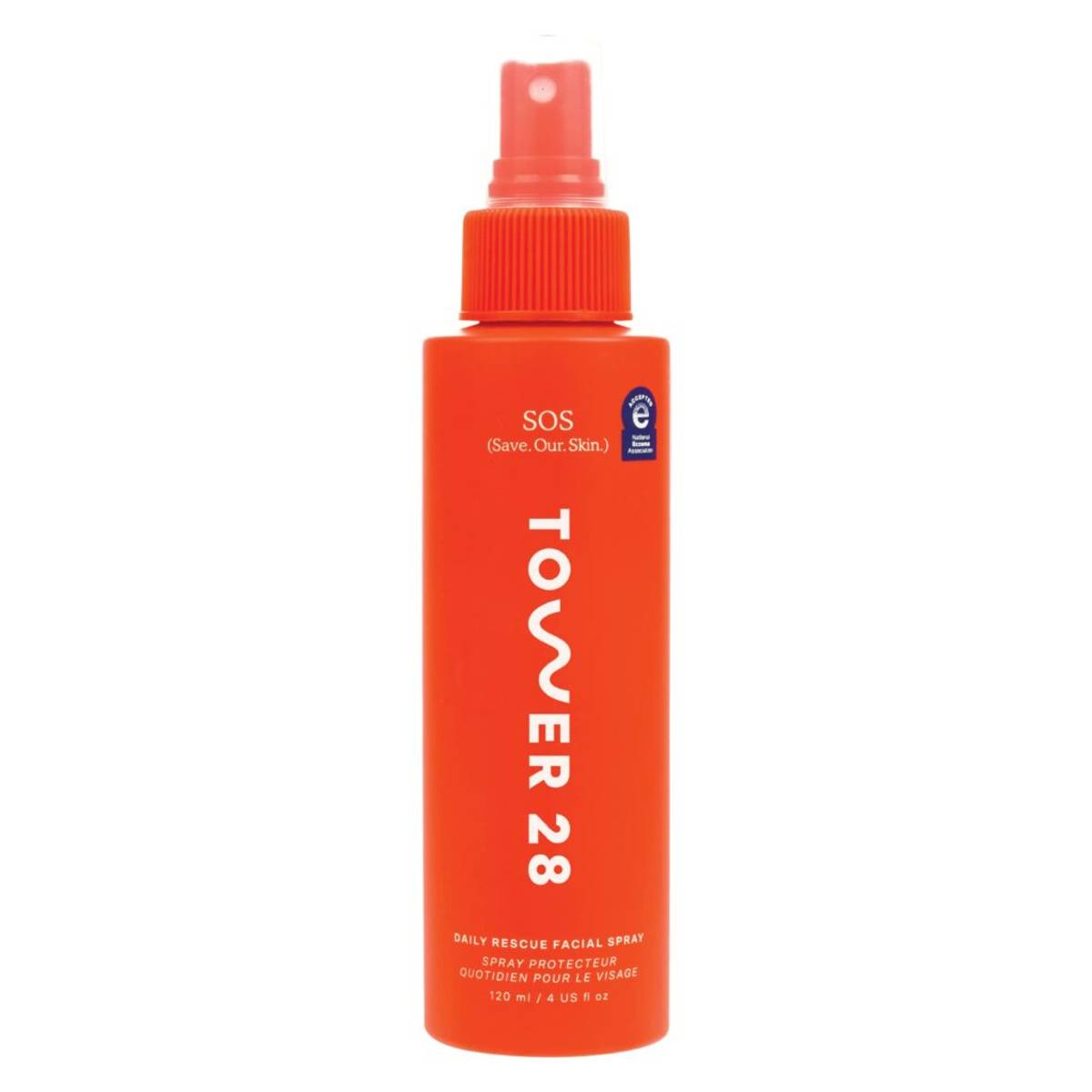
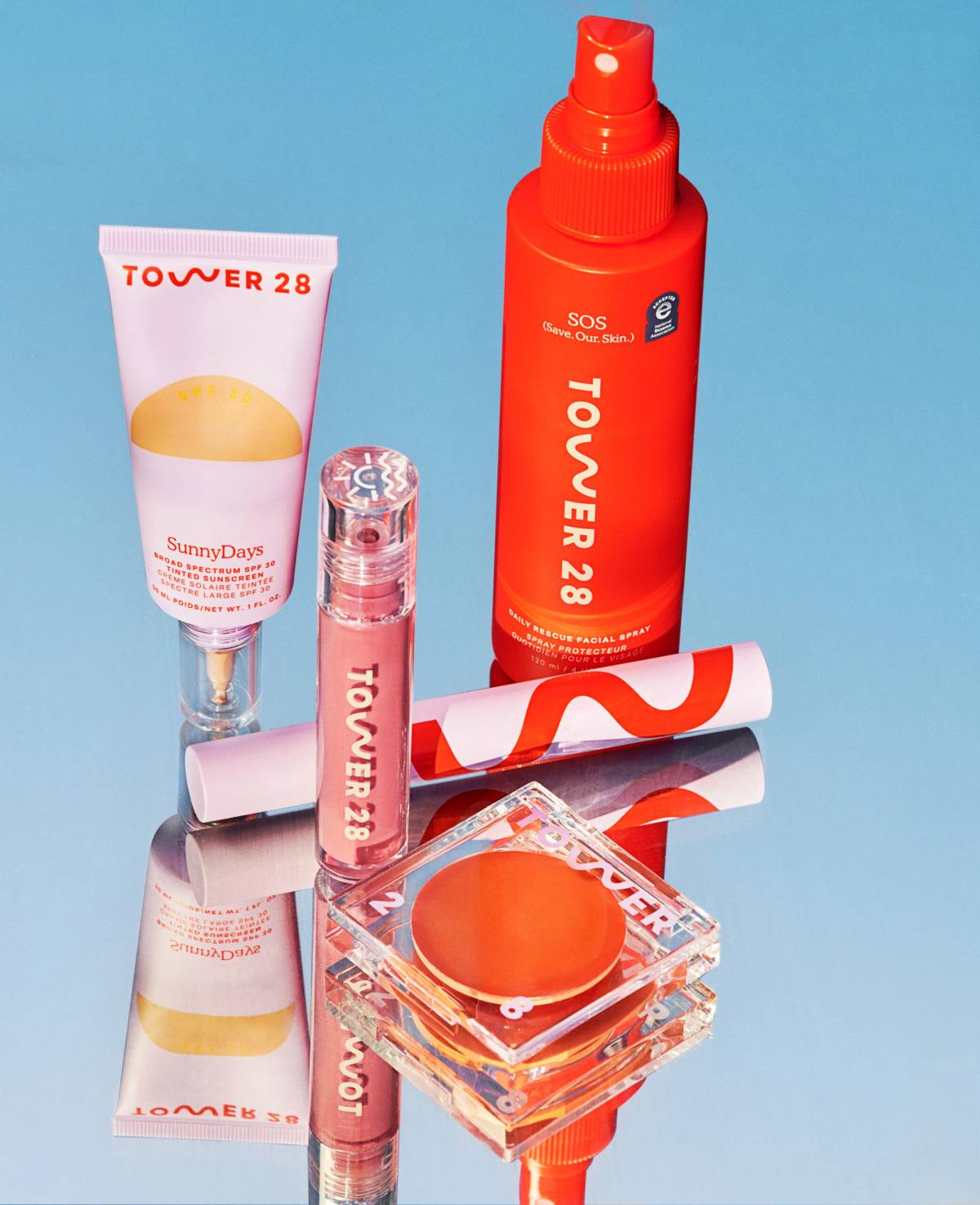
If beauty can support eczema without treating it, the next question is which products deserve a place in the routine. Tower 28 built a brand around answering it. Launched in Los Angeles in 2019, it filled a void created by decades of clinical, thoroughly unsexy eczema products. Its premise was simple: Having eczema doesn’t consign you to having a sad, beige routine.
Named after a Santa Monica lifeguard tower, the brand put safety right in its name. That promise extends to the formulas: Tower 28 is the first and only beauty brand whose entire lineup of skin care and makeup meets the National Eczema Association’s (NEA) Seal of Acceptance guidelines.
And those guidelines don’t mess around. To earn the NEA’s Seal of Acceptance, a formula must be free of fragrance and everything on the Ecz-clusion List, a running roster of known triggers. Then the real vetting begins: Samples are evaluated by dermatologists and put through multiple rounds of testing.
“‘Eczema-safe’ is not really a term,” says Kristin Belleson, president and CEO of the NEA. “It’s like ‘low-fat’ in the ’90s—what did that mean?” That doesn’t make every product without the seal suspect. It simply means the phrase alone says little about the standards or testing behind it, while the seal signals that a formula has undergone independent review.
For Tower 28 founder Amy Liu, those standards were personal. She has lived with eczema her entire life. “When I started the brand seven years ago, hardly anyone in beauty was looking to organizations like the NEA as a guide for how to formulate,” she recalls. “The few products that were considered eczema-safe felt super clinical and didn’t reflect the joy or self-expression that beauty should bring. There was nothing really fun, inclusive or aspirational, and definitely nothing like that on Sephora’s shelves. I wanted to change that.”
“Now, when you walk into a retailer like Sephora, you can really see how much that conversation has evolved in just a few years,” Liu continues. And it has: Sephora now dedicates shopping categories to eczema-friendly cleansers, moisturizers and even makeup, with brands like Tower 28, Dieux and First Aid Beauty filling the shelves. The category has learned how to look good on a vanity. Tower 28 helped make credibility part of the appeal.
Hype vs. Help
“Barrier care” is everywhere—splashed across milky toners, rich creams and increasingly expensive serums. Its job is decidedly less glamorous: helping skin hold on to moisture and keep irritants out. For anyone with eczema, that function matters.
Whether a formula lives up to the claim is another question. Ceramides and humectants, such as hyaluronic acid, can help replenish moisture, while fragrance, dyes and essential oils may provoke irritation. “Not every product that is marketed for sensitive skin actually has the ingredient list to back it up,” says Chapel Hill, NC dermatologist Payvand Kamrani, MD.
Dr. Segal suggests starting with fragrance- and essential oil–free formulas that avoid drying ingredients. Dr. Kamrani puts it more bluntly: “I tell my patients to ignore the front of the bottle and go straight to the back. That’s where the truth is.”
The limits of shopping become more consequential as eczema becomes more severe. “The beauty conversation centers on mild eczema, but moderate-to-severe eczema is a systemic inflammatory disease that impacts sleep, mental health and how you live your daily life,” Dr. Kamrani says. “That level of disease needs more than the right cream. We now have systemic therapies that have changed the lives of patients who have suffered for years.”
That is where the shopping narrative can become misleading. It suggests relief may be sitting one shelf over, waiting to be discovered. Sometimes the answer is on the back of the bottle; other times it requires the help of a dermatologist.
The New Standard of Care
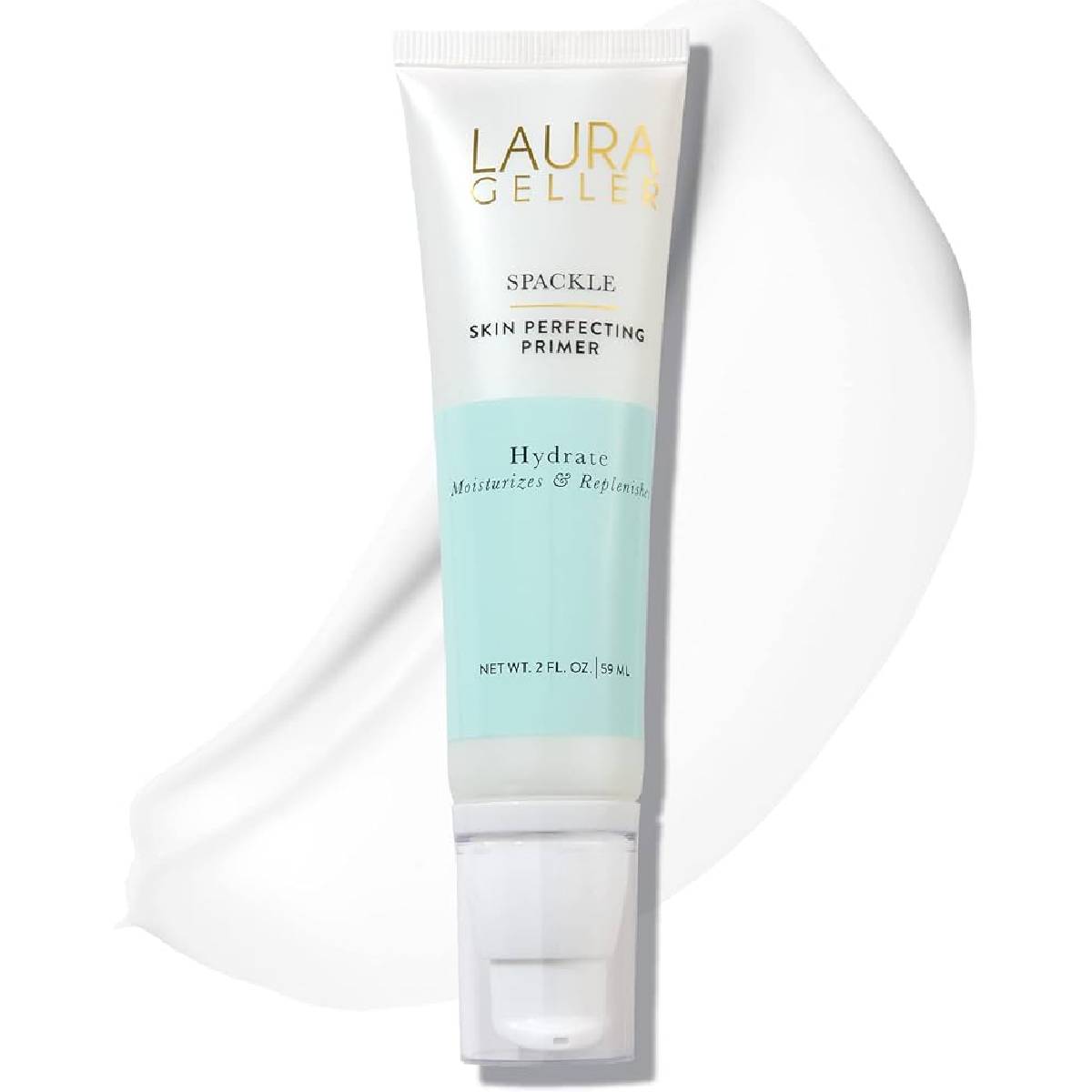
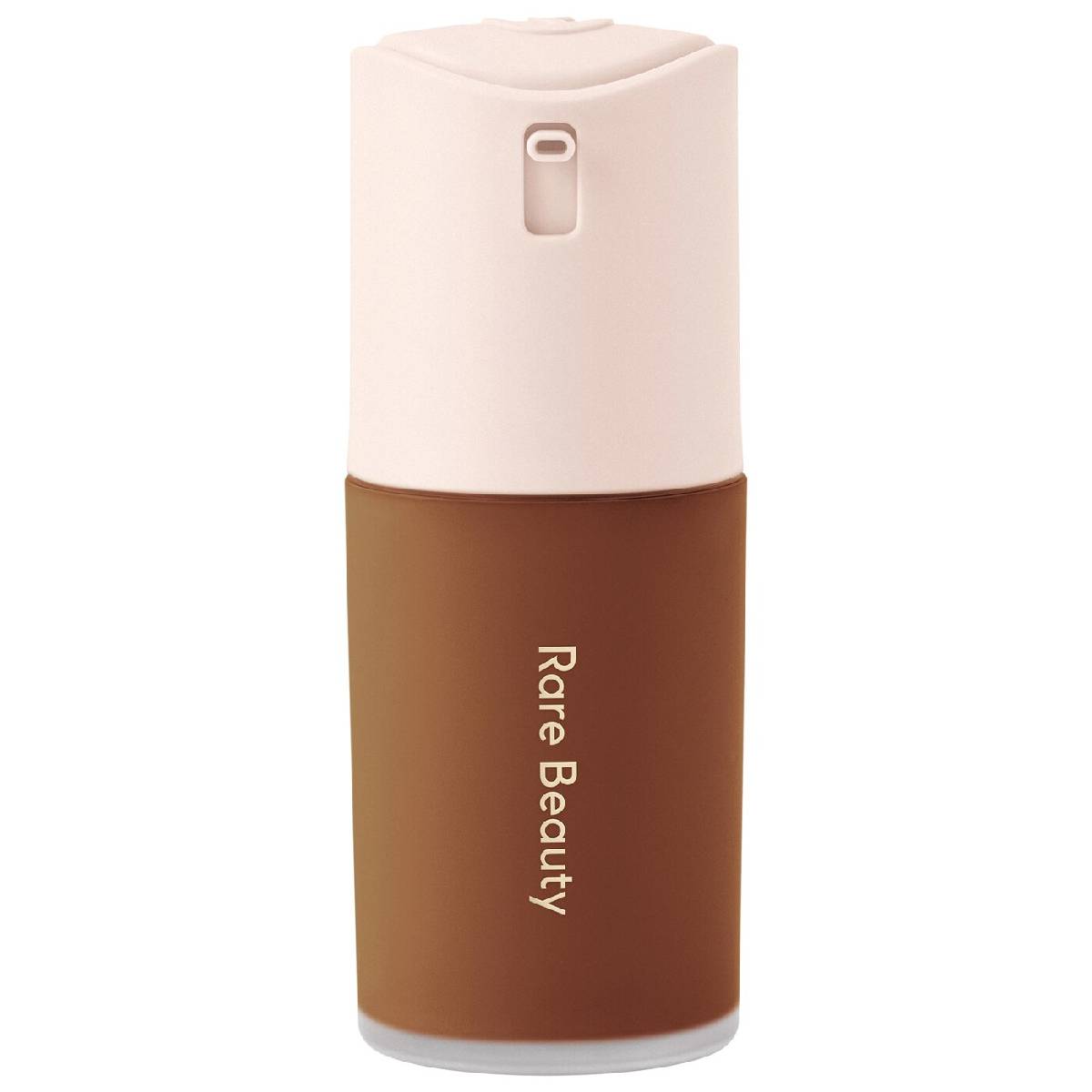
Eczema-friendly beauty is beginning to move beyond the medicine-cabinet basics, and the NEA is making it official. In September, the organization announced it is extending its Seal of Acceptance to makeup for the first time, with foundations and primers among the first products to earn it. IT Cosmetics, Laura Geller Beauty, Rare Beauty and Tower 28 Beauty are the first brands with Seal-accepted makeup.
The need for makeup that carries the NEA’s Seal of Acceptance is more practical than it may sound. Eczema does not politely stop at the parts of the face untouched by foundation or primer. For someone with eyelid eczema, a product that adds irritation can derail an entire routine; one designed with reactive skin in mind can restore a small piece of normalcy.
That may be the most promising version of eczema’s beauty era: not pretending a prettier product can cure a chronic disease, but recognizing that people living with one still want choices. The new standard is care that works with medical treatment, fits into real life and, every once in a while, comes in a shade other than beige.