To fight the effects of sun damage or other skin conditions, many of us turn to skin-rejuvenating procedures like dermabrasion, microdermabrasion, chemical peels or even medication to improve the look and texture of our skin. As you may suspect, once you’ve had one of these treatments, you don’t get a green light to go bake in the sun.
When your skin is exposed to UV rays for too long, the sun depletes collagen and elastin from within, which leads to dull, dehydrated skin that grows thinner and eventually develops wrinkles and dark spots. Once you’ve undergone a treatment to correct sun damage, it’s vital to keep your skin protected to preserve the treatment results and avoid further problems. Especially since your skin is more vulnerable post-treatment.
After a skin resurfacing treatment, whether it be a mild one like microdermabrasion or something more intense like a medium-strength TCA chemical peel or a fractional laser resurfacing treatment that causes your skin to blister or flake away, your skin will be subjected to some inflammation while it heals. It’s critical to avoid the sun for several weeks if not months, because UV rays also cause inflammation (like a sunburn). The fresh, new skin that is healing after a treatment is fragile and more susceptible to damage or complications, explains the American Society of Dermatological Surgery.
Many medications will make you more vulnerable to sunburns as well, including those you might take for skin problems like acne. Some topical treatments will do the same. Benzoyl peroxide, alpha hydroxy acid and retinoids fall into this category. Ask your doctor or pharmacist about increased photosensitivity when you’re prescribed an oral or topical medication.
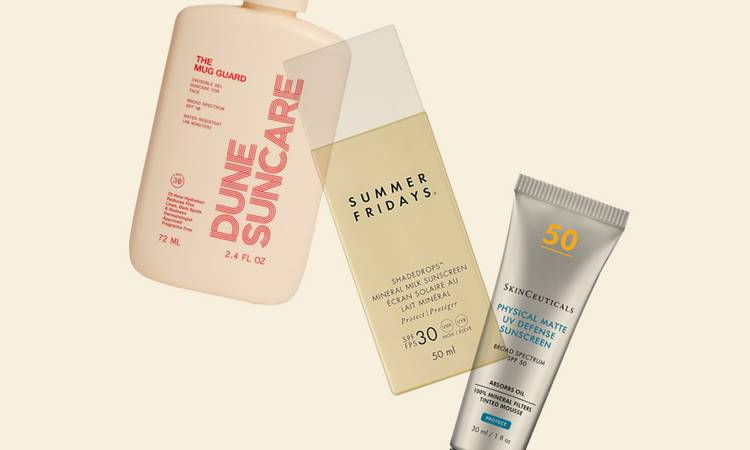
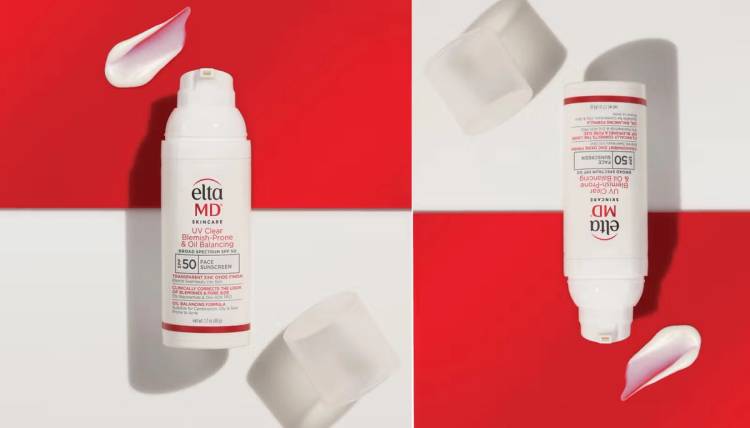
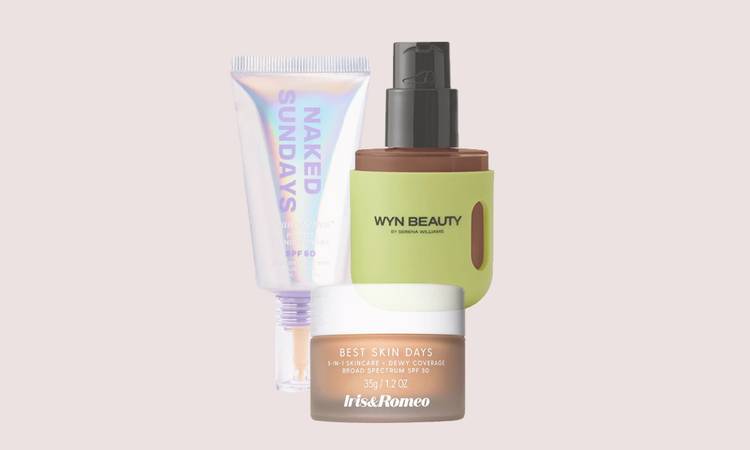
And, of course, be sure to wear a hat and slather on sunscreen if you absolutely have to go outside. For your face, opt for a non-comedogenic formula to avoid breakouts and use an SPF of 30 or higher to protect your treated, sensitive skin.