Consider this your PSA if gel manicures are your love language: The ingredient behind that glassy, durable finish was recently banned in the UK, nearly a year after the EU did the same over reproductive-health concerns.
That means that as of August 15, UK brands and manufacturers can no longer sell new products containing trimethylbenzoyl diphenylphosphine oxide—TPO, for short—the ingredient that cures gel polish under UV or LED light.
So, what does this mean for the United States, and is your gel manicure still safe?
Featured Experts
- Julie Russak, MD, is a board-certified dermatologist based in New York
- Kelly Dobos is a cosmetic chemist
- Jennifer Choe, MD, is a board-certified OBGYN at Montefiore Einstein Advanced Care
- Caroline Rainsford is the director of science at the UK’s Cosmetic, Toiletry and Perfumery Association (CTPA)
What Is TPO, Exactly?
“TPO is a photoinitiator, which means it’s the ingredient that starts the chemical reaction that turns a liquid gel polish into a hard, durable coating when it’s exposed to UV or LED light,” cosmetic chemist Kelly Dobos explains. “It became popular because it works efficiently, cures quickly, performs well under common salon lamps and doesn’t contribute much yellowing or discoloration in the finished product.”
Why Was TPO Banned in the EU and UK?
The EU and UK TPO ban traces back to a 2014 labeling decision under European chemical law, says Caroline Rainsford, director of science at the UK’s Cosmetic, Toiletry and Perfumery Association (CTPA). At the time, TPO was flagged as a reproductive toxicant based on extreme, high-dose lab exposure—not how it’s actually used on your nails. That’s an important distinction, Rainsford says. In her view, the classification reflects caution, not evidence that gel manicures with TPO are unsafe.
So how extreme is “extreme,” exactly? “The animal study involved a very high concentration of TPO fed directly to rodents, whereas a gel manicure involves a tiny, topical application on the nail with a much lower concentration,” says New York OBGYN Jennifer Choe, MD. “Most likely, very little to none of the TPO gets absorbed into your body with a gel manicure.”
Human data on TPO specifically is thin, but what does exist is concerning: “The only human data we have are epidemiological surveys and occupational health reports—state-level salon worker studies—[that] indicate nail technicians experience elevated rates of miscarriages, birth defects and reproductive health issues compared to the general public,” Dr. Choe says. That data comes from people with sustained, occupational exposure, though, not the occasional client. "There is no data available comparing gel manicure users vs. nail technicians," she adds.
TPO was actually cleared as safe for cosmetic use by an independent scientific panel—the EU’s Scientific Committee on Consumer Safety (SCCS)—in 2014, Rainsford says. But that same year, a separate classification required brands to file an extensive safety dossier just to keep using it, and proving there was no suitable alternative was a tough sell, so most didn’t bother. The result: TPO is now banned from new products across the EU and UK, though UK retailers get a grace period, with existing stock sellable through February 2027.
Wait, Is TPO the Reason My Skin Reacts to Gel Polish?
Gel manicures can leave some people red, itchy or irritated around the cuticles, but TPO probably isn’t the culprit, according to New York dermatologist Julie Russak, MD. “The ban and the rash are really two different conversations,” she says. “Europe removed TPO because it was reclassified as a reproductive toxicant, based on animal studies where the chemical was given orally at high doses. Allergic contact dermatitis is a separate question about what touches your skin during the appointment, and it’s the one I actually see in the office.”
The real culprit behind these skin reactions is usually acrylates—specifically HEMA (hydroxyethyl methacrylate), the resin that makes up the body of the gel. “In the North American Contact Dermatitis Group's review of 38,775 patch-tested patients, it was the most common nail-related allergen by a wide margin,” Dr. Russak says.
TPO is unlikely to be behind these reactions for another reason, too: it’s consumed in the curing process. As a photoinitiator, it absorbs the lamp’s light and gets used up hardening the gel, so very little remains on a properly cured nail. “Cured gel on the nail plate is an inert polymer,” Russak explains. The bigger risk is contact with the wet, uncured polish, which is also why reactions tend to show up around the cuticles and nail folds, not on the nail itself.
Will TPO Be Banned in the United States?
Not anytime soon, it seems. “There is an ongoing review by the Cosmetics Ingredient Review (CIR) panel in the US, but it hasn’t concluded, and we are not aware of any indications that TPO will be banned in the US,” Rainsford says.
That's partly because the two regions evaluate ingredient safety differently, according to Dobos. “The EU tends to follow a more precautionary framework, particularly for substances classified as carcinogenic, mutagenic or toxic to reproduction,” she explains. “Certain hazard classifications can trigger restrictions or bans even when consumer exposure is expected to be very low.”
“In the United States, safety evaluations focus on risk—both the inherent hazard of a substance and the amount, route and duration of consumer exposure. A hazard doesn’t automatically translate into real-world risk,” Dobos adds. That’s the crux of the whole TPO story: a lab result flagged a theoretical danger, but how TPO is actually used—applied topically, in small amounts, then cured—tells a different, much less alarming, story.
TPO-Free Gel Polish Alternatives
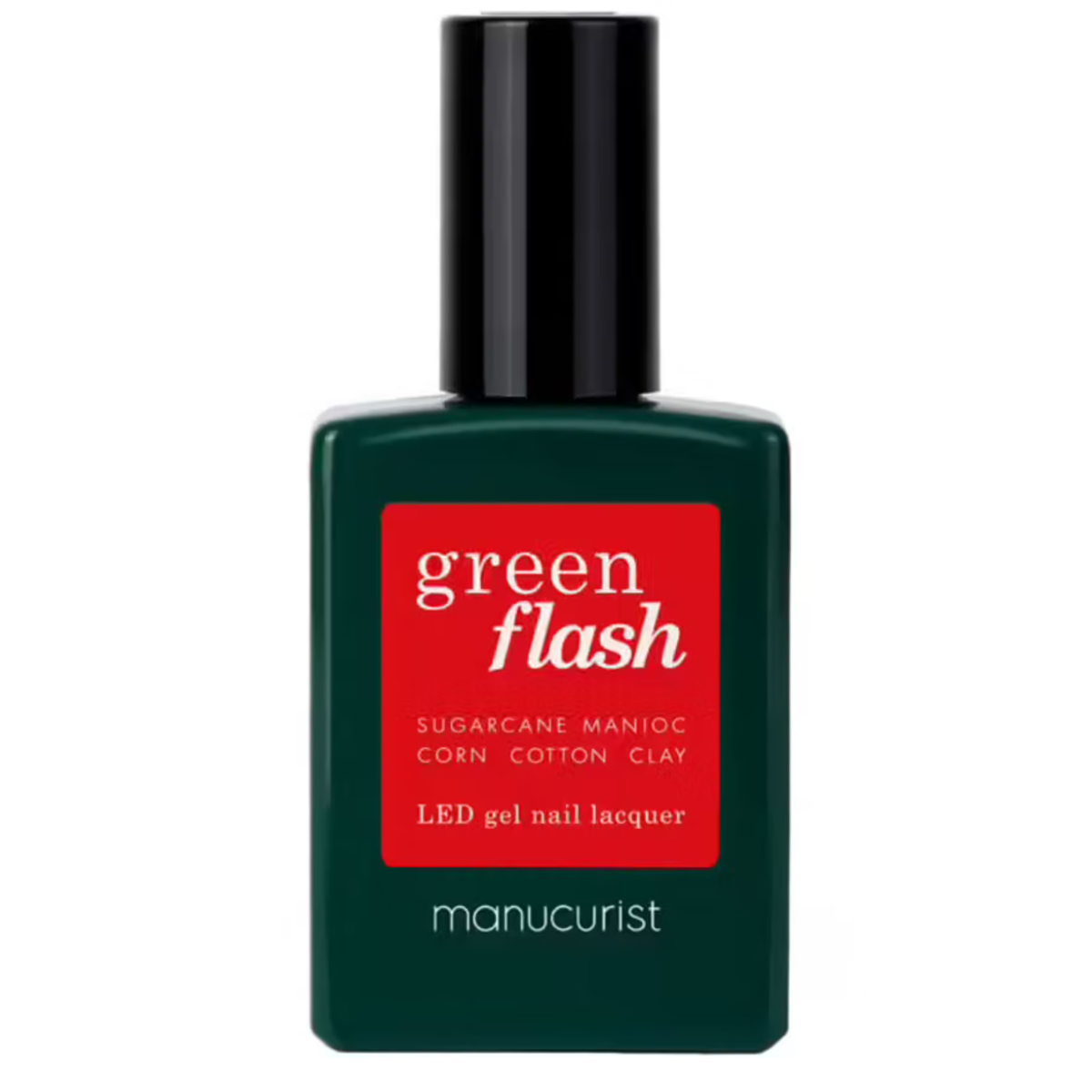
With TPO now off the table in the EU and UK, plenty of European gel polishes have already gone TPO-free—some well ahead of the deadline. Dobos says common TPO-free alternatives include Ethyl Trimethylbenzoyl Phenylphosphinate (often referred to as TPO-L), Bis-Trimethylbenzoyl Phenylphosphine Oxide (BAPO), Hydroxycyclohexyl Phenyl Ketone and Hydroxy-2-Methylpropiophenone. (You’ll already find it in Manucurist’s Green Flash line—TPO-free since it launched in 2019, years ahead of the ban.)
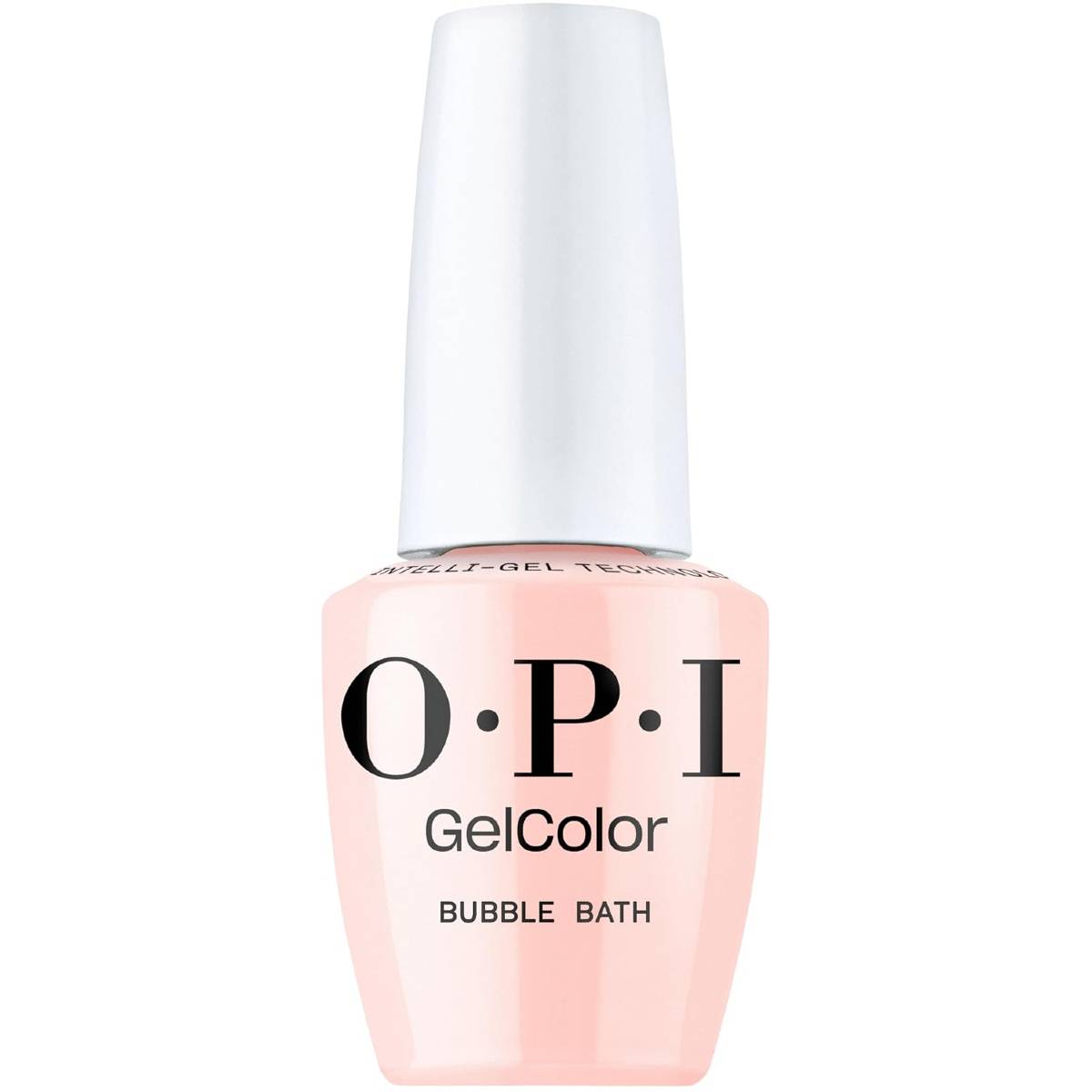
It’s not just European brands making the switch. OPI’s Intelli-Gel line—a reformulated version of its classic GelColor, launched in 2024—is confirmed TPO-free, and so is Aprés Nail's Gel Couleur collection.
All that reformulation effort seems to be paying off, too: as Dobos puts it, "many consumers might not even notice a difference."
Is TPO Banned in US Gel Polish?
So why are US brands reformulating their gel polishes anyway? Some prefer one consistent formula across every market they sell in, to simplify manufacturing, Dobos says. And even when caution drives a ban more than proven risk, headlines alone can be enough to nudge a brand toward change, if only to avoid being the one still using an ingredient that’s off-limits in Europe.
Either way, if TPO is still in your go-to gel polish, that’s likely nothing to stress about, at least according to the data and experts we spoke with. As Rainsford puts it: “TPO-containing cosmetics have always been safe to use and continue to be so despite the ban.” So go ahead and book that appointment. Dare we say the only thing left to fear is a bad shade choice?