If you’ve ever agonized over two nearly identical reds, you can blame Suzi Weiss-Fischmann, affectionately. The OPI cofounder left dental supplies for lacquer in the San Fernando Valley, then gave every bottle a name famous enough to precede the color itself. Nobody has out-named her since.
Ahead, how she went from a colorless childhood in Hungary to dental supplies to thousands of shades.
FROM GRAY TO GLITTER
Nobody loves color like someone who grew up without it, and Suzi’s childhood in communist Hungary had none to speak of. “The concept of self-expression, or purposely bringing attention to yourself, didn’t exist,” she says. Then came New York, one block of which held more color than her entire childhood. She’s been correcting the imbalance ever since, to the tune of thousands of shades. “When I get my nails done, I always have a smile on my face.”
MATERIAL GIRL
Before nails, Suzi worked in New York’s garment industry, which taught her that “color attracts.” In a store window or on the street, it can tip an impulse buy. It also trained her eye for color as something dimensional—texture, pattern, depth—an instinct she’d later channel into her signature lacquer work.

Suzi Weiss-Fischmann as a child with her parents and sister.
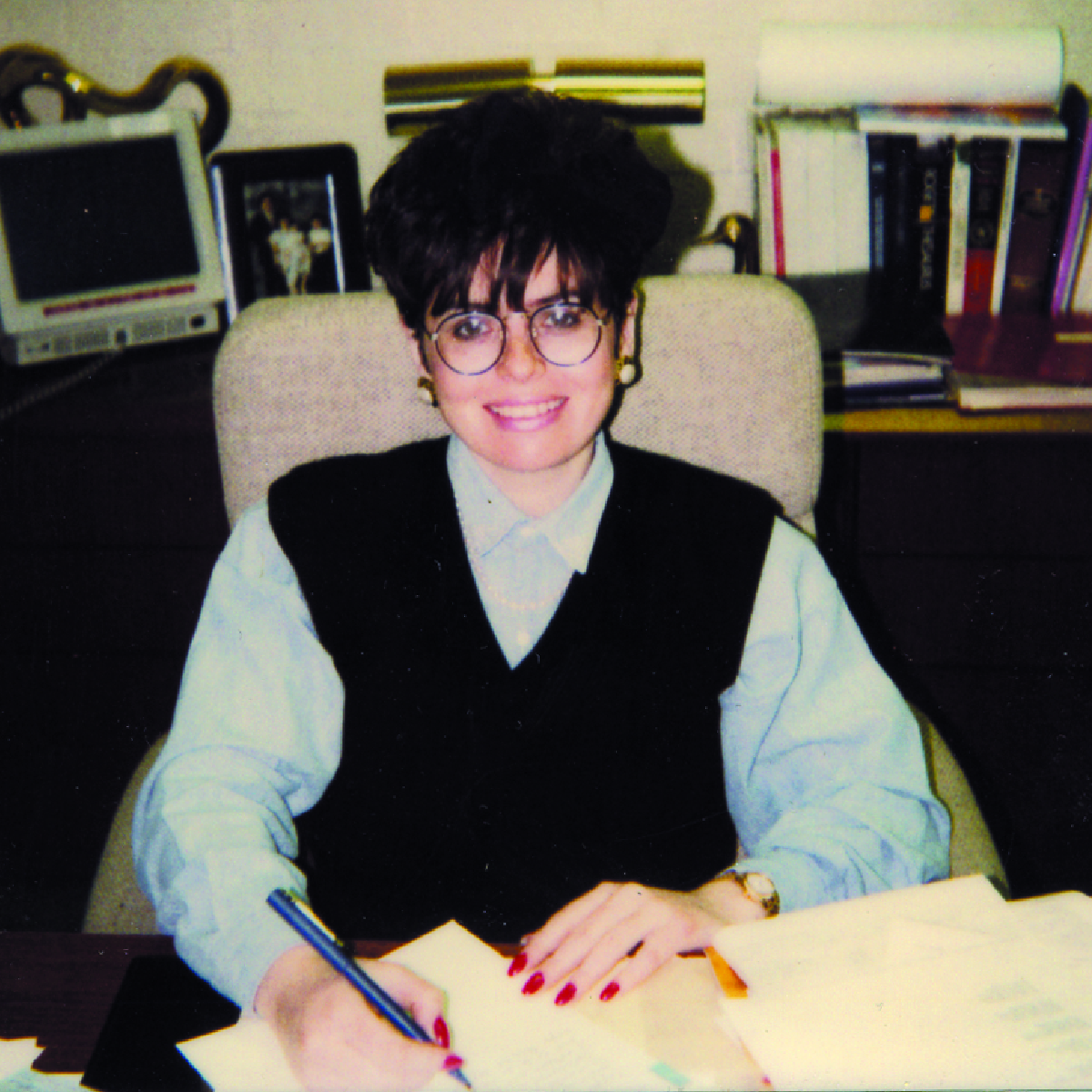
Suzi Weiss-Fischmann at her desk.
TOOTH AND NAIL
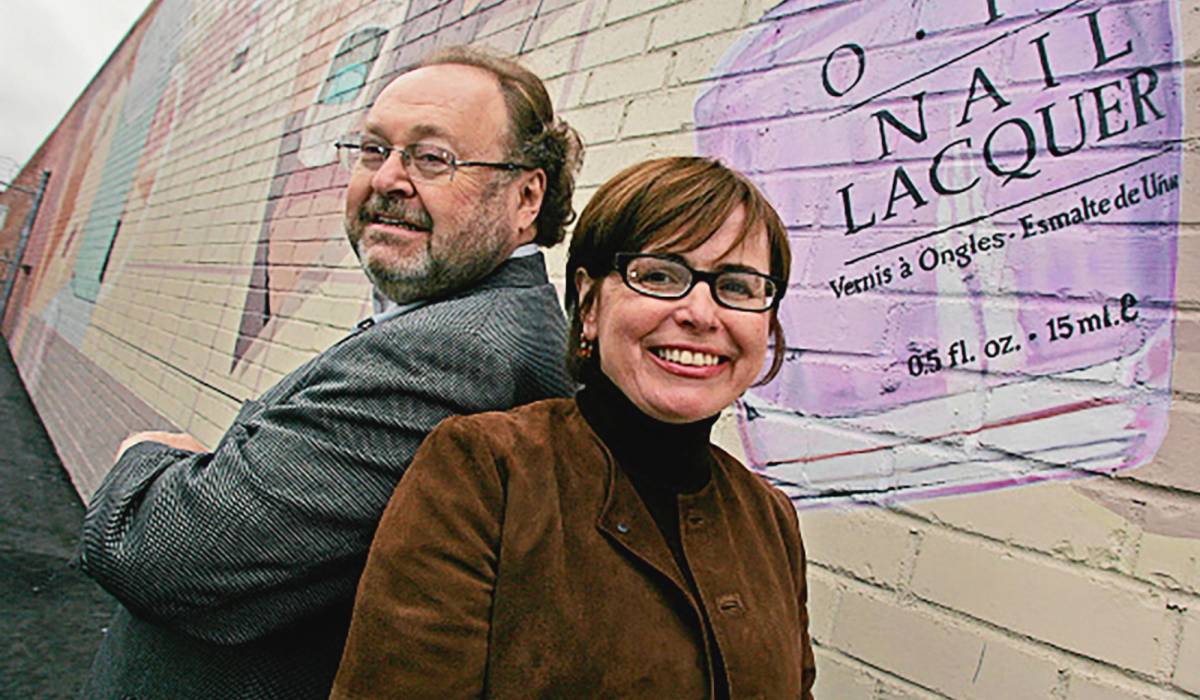
OPI began as Odontorium Products Inc., a dental supply company in Los Angeles that her brother-in-law and cofounder George Schaeffer bought in 1981. Nail technicians were already among its customers. (Nail extensions were built from the same acrylic dentists used for dentures, so a dental supplier was where you bought supplies.) Valley salons, meanwhile, were multiplying. “I was always passionate about fashion and color, so pivoting to nails and beauty was appealing,” says Suzi. “I saw an opportunity to tap into my creative side and seized it.”
CLASS OF ’89
By 1987, OPI sold acrylics to salons, but no color of its own. Suzi spent the next two years fixing that: 30 shades, launched in 1989, Malaga Wine ($12) and Kyoto Pearl ($12) among them. Both are still among the company’s most popular. “I wasn’t ready to put it out into the world until I felt that each shade was just right,” she says. When asked for a favorite, she won’t give one. “I thought every shade was perfect.”
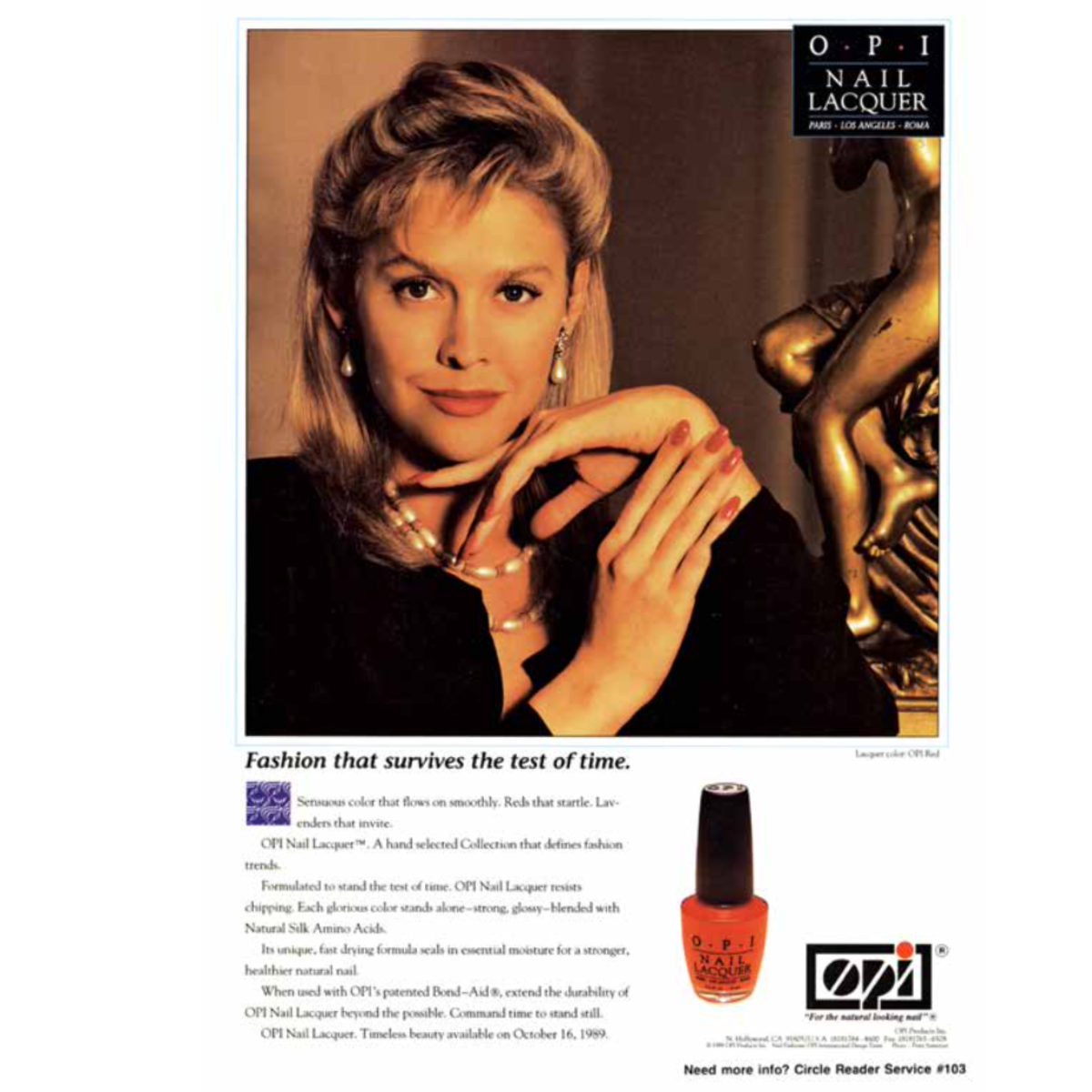
An OPI Nail Lacquer print ad promoting the brand's first color collection, 1989.
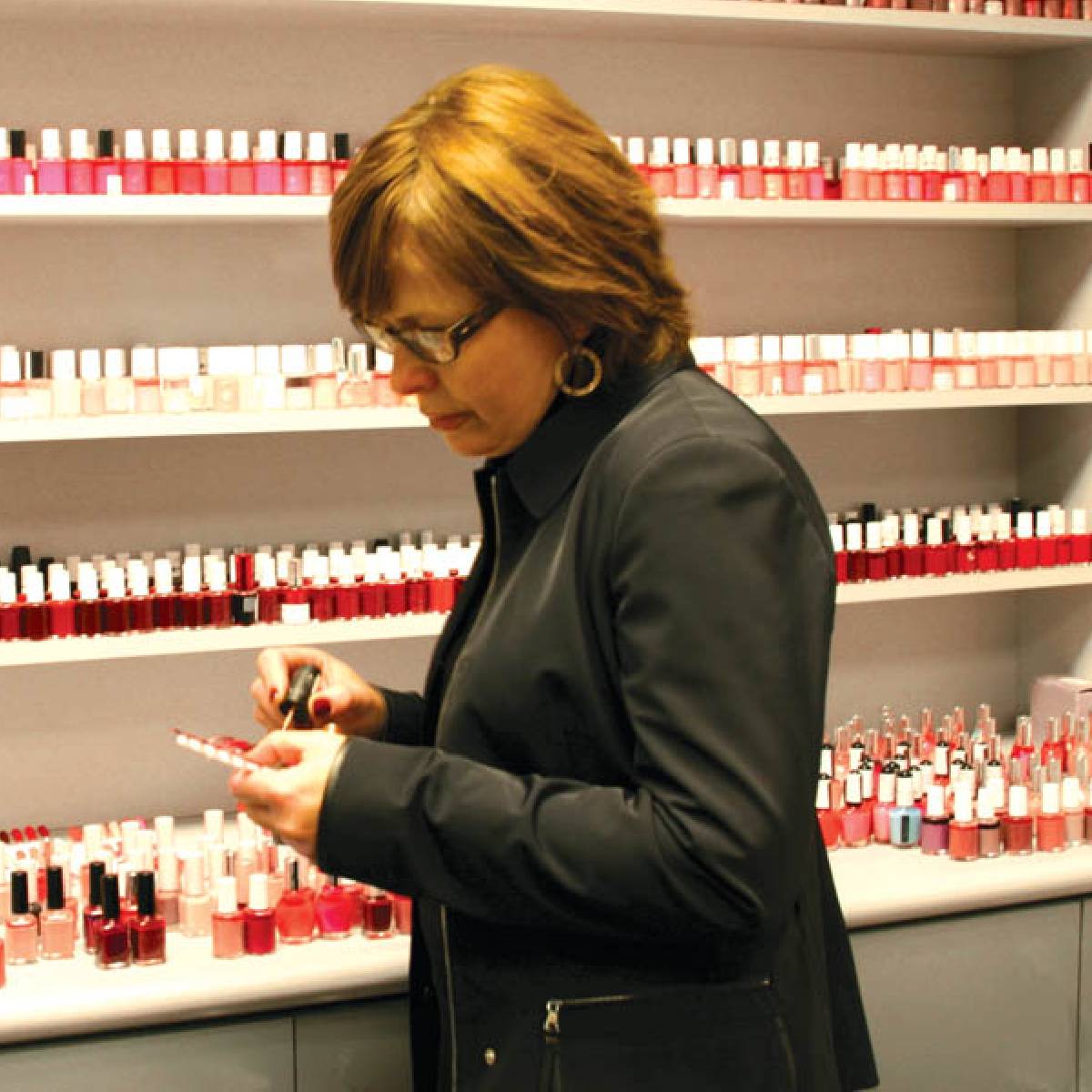
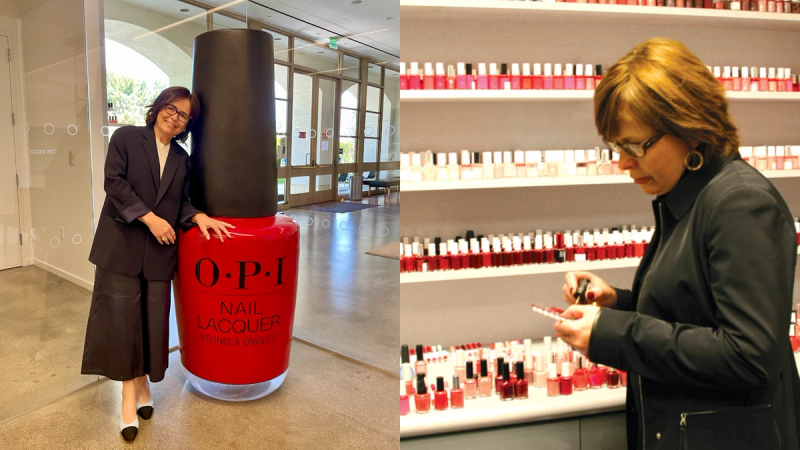
Suzi Weiss-Fischmann examining nail lacquer shades at OPI.
NAME GAME
“I’ve always felt that color is extremely personal,” the polish pioneer says—and in 1989, nothing on the market reflected that. “Many of the people running the industry at the time were men. I don’t think that establishing an emotional connection with nail color really occurred to them, while it was so obvious to me. I saw nail color as a form of self-expression, and I thought others would see it that way, too.”
TABLE MANNERS
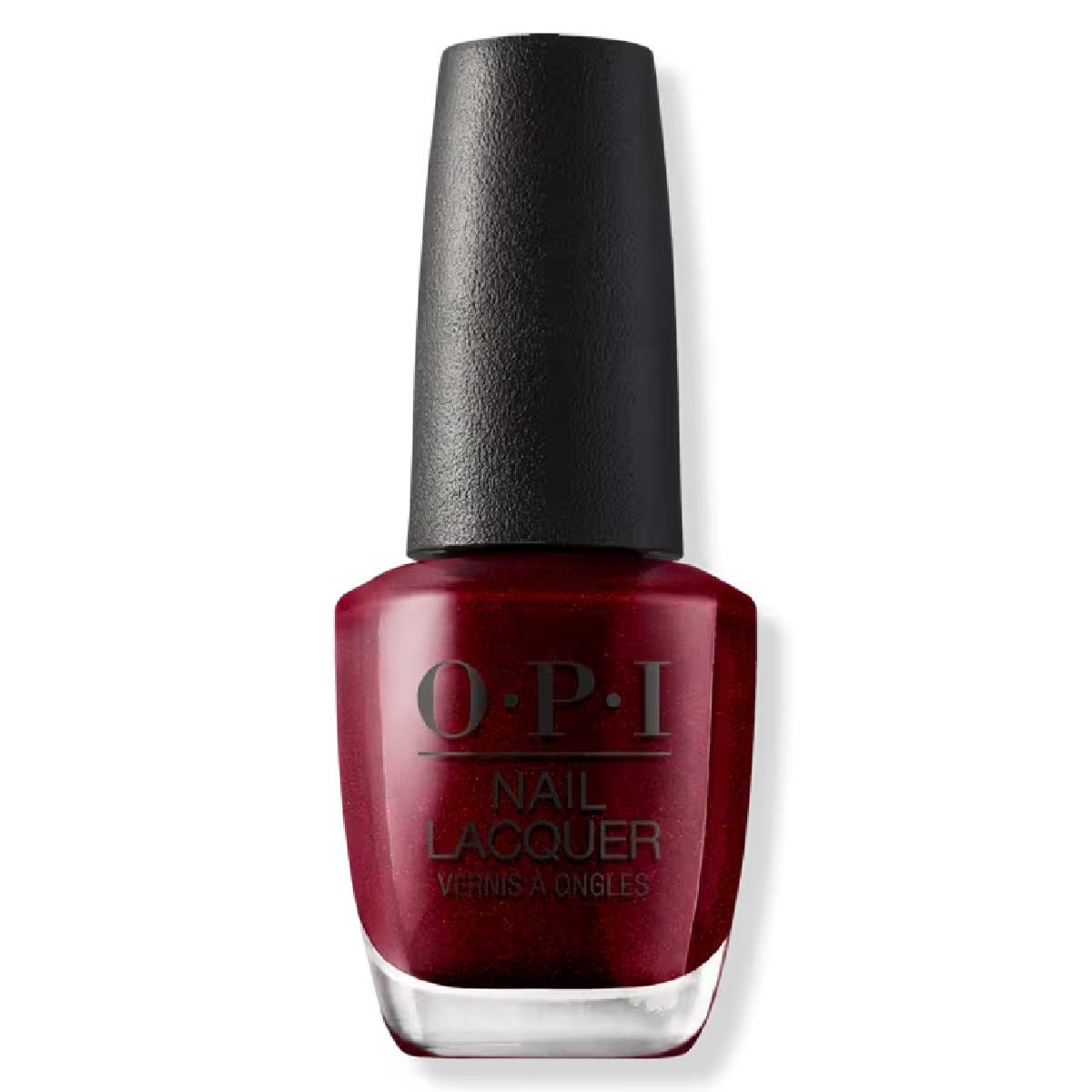
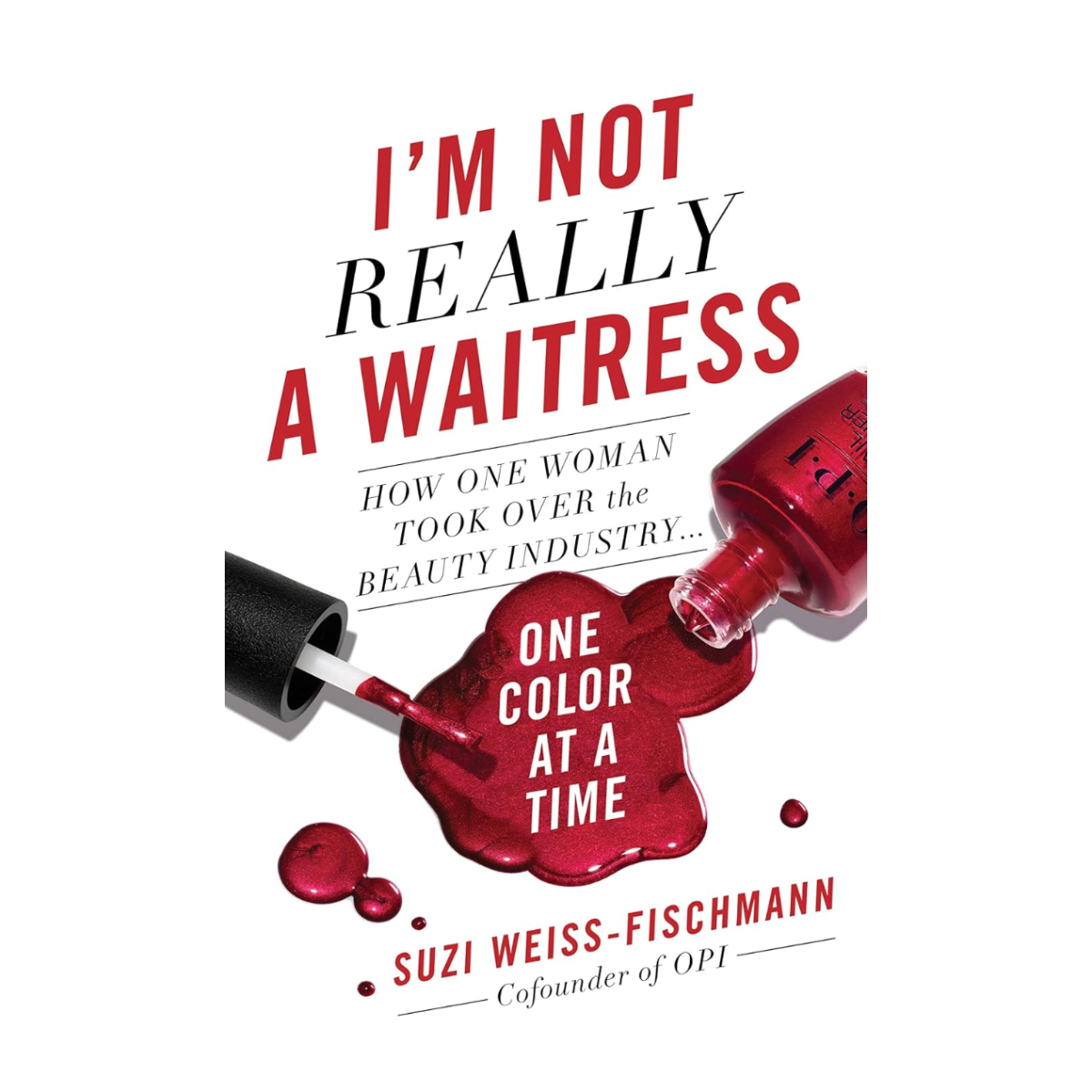
At a fancy wedding at Los Angeles’ Natural History Museum, a waitress offered Suzi a glass of wine. She declined. The waitress poured anyway, into her lap, then apologized: “I’m not really a waitress—I’m an actress.” In turn, beauty history was made: the red Suzi built from it in 1999—shimmering with micas, still novel then, so it flattered every skin tone—became the bestseller in OPI history and gave her 2019 memoir its title.
THE ‘UNWEARABLES’
Lincoln Park After Dark ($12), the near-black aubergine of 2005, was an attempt to bring goth mainstream, and not everyone was convinced. “I really wanted women to be able to ignore stereotypes about colors,” Suzi says. “Personally, I thought the shade was super chic, and it turns out that women around the world agreed.”
Three years later, the pushback came from inside the building, about You Don’t Know Jacques! ($12), the muddy gray-brown from the 2008 France collection: “Many thought the color was awful—unwearable—but I loved it,” Suzi says. “It went on to help start the greige nail trend, which was hugely impactful on the industry.”
The next fight wasn't about taste. In 2011, the shade Shatter met no resistance from consumers—only from accounting, which balked at the cost of 18K gold flakes in some limited-edition colors. Suzi did it anyway. “It really added to the glamour of some of our collaborations.”
KIDS THESE DAYS
Forty-five years in, Suzi has no complaints about what the next generation is doing with her products. “I love that Gen Z is not afraid to try new things,” she says.
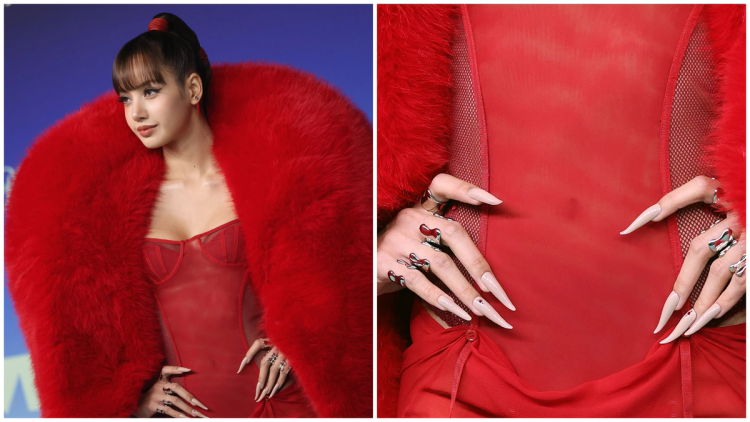
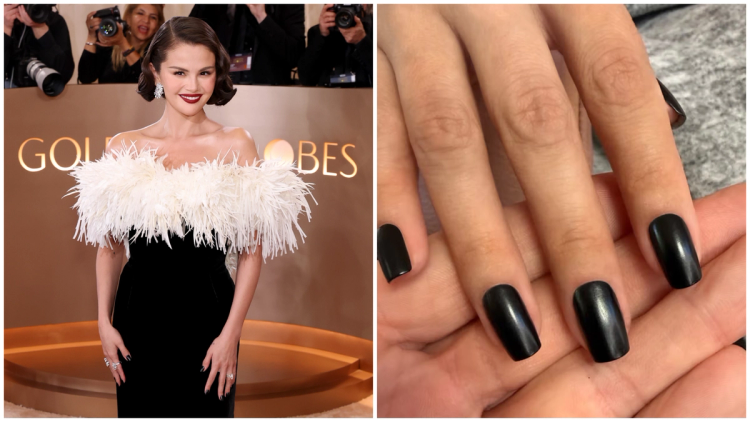
What she likes most is the reversal. The manicure used to be the finishing touch—now it comes first, and the outfit gets built around it. If this era were a shade, she’d name it Ring Optional. “Nails are the statement accessory!”