Retinol is widely known as one of the most effective skin-care products. It builds collagen, smooths fine lines, increases cell turnover, addresses dark spots and combats acne, yielding clear and impressive results. However, with great potency comes an increased risk of side effects. If used incorrectly, retinol can lead to dryness, redness and stinging. According to experts, when you’re using retinol in your regimen, there are a few things you should avoid to help prevent adverse reactions.
1 / 7
Exfoliating ingredients
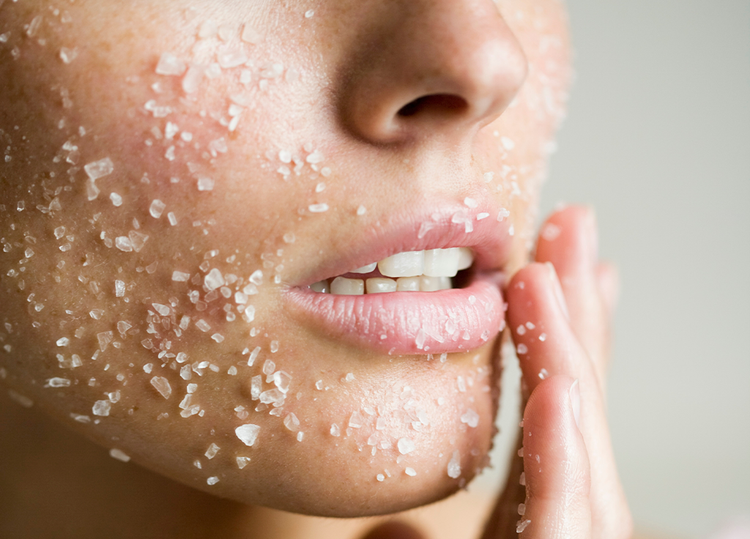
Omaha, NE dermatologist Joel Schlessinger, MD noted that the negative side effects of retinol can be exacerbated when you combine it with other exfoliating ingredients like alpha and beta hydroxy acids. “It’s best to let your skin acclimate to retinol and then alternate it with your alpha and beta hydroxy acid treatments as your skin’s tolerance allows,” advised Dr. Schlessinger.
2 / 7
Vitamin C
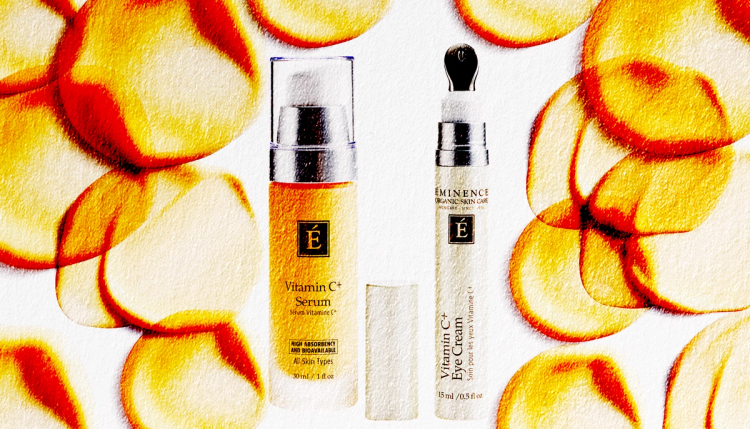
While you don’t have to completely remove vitamin C from your skin-care routine while using retinol, you should avoid using them at the same time. Dr. Schlessinger suggested that “Any topical vitamin C products should be used in the morning, opposite of nighttime retinol application.”
3 / 7
Professional skin-resurfacing treatments
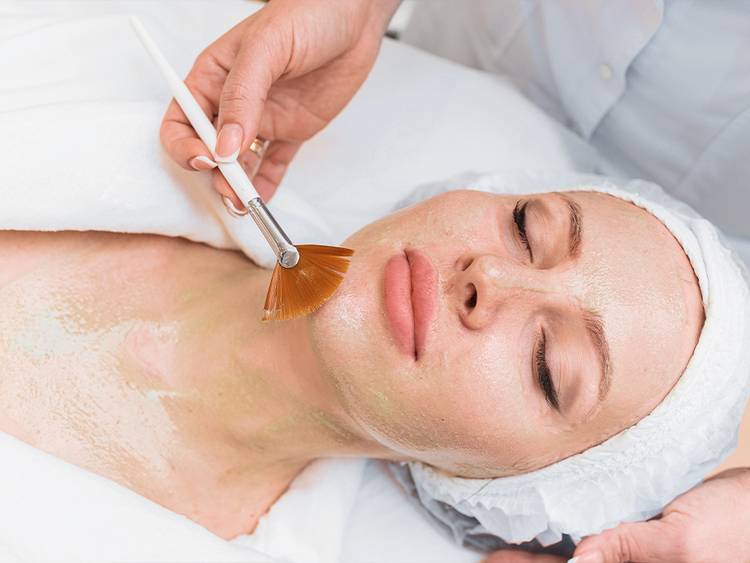
Any professional skin resurfacing treatments—such as chemical peels—that provide deep exfoliation should never be combined with retinol, Dr. Schlessinger said. “You should stop using any at-home exfoliating products (including retinol) at least 7-10 days prior to a chemical peel,” he advised.
4 / 7
Using retinol on damp skin
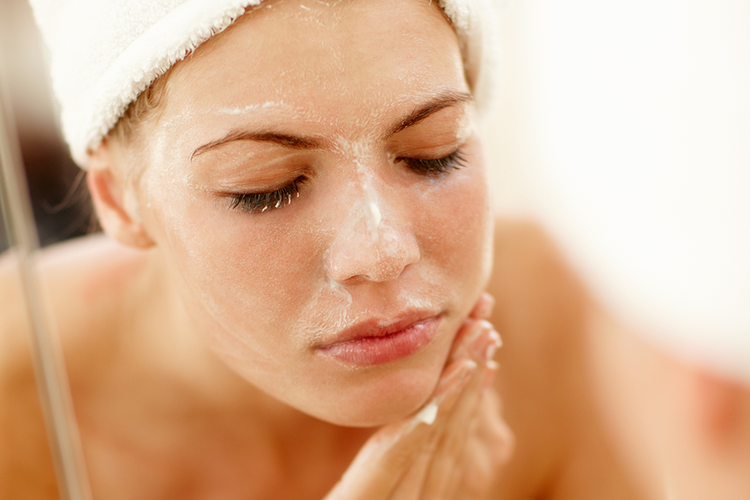
Many skin-care products work best when used on moist skin, but not retinol. West Palm Beach, FL dermatologist Kenneth Beer, MD said, “You should avoid putting retinol on when your skin is wet (e.g. for 20 minutes after a shower).” He explained that doing this will decrease the chance of irritation.
5 / 7
Using daily retinol as a beginner
If you’re hoping to see the best results as soon as possible, you may be inclined to kick off your retinol regimen with a daily product, but this is ill-advised. Dr. Beer said you should avoid starting off with a strong retinol daily. “Try instead to work up to it gradually, using it every other night for a few weeks,” said Dr. Beer.
6 / 7
Retinol with sun protection in it
If a two-in-one retinol and SPF product sounds too good to be true, it might be because it is. Dr. Beer advised that you should “Avoid buying retinol with sun protection in it. It can't be good at two things.”
7 / 7
Laser treatments
Dr. Beer explained that he is very careful when he uses lasers and peels on his patients using retinol in active concentrations. “This is largely because the skin is more sensitive to the effects of the lasers and peels when they are ‘retinized,’” he explained.