When estrogen begins to decline during perimenopause, the skin is one of the first places it shows—and the changes go deeper than dryness. Collagen drops, the barrier weakens, sensitivity spikes and the routines that worked for years stop working almost overnight. For women also navigating weight changes from GLP-1 medications, the skin concerns compound further.
We tapped Atlanta dermatologist and menopause skin specialist, Corinne Erickson, MD and Beverly Hills plastic surgeon Walter Joseph, MD to help make sense of what is actually happening to skin during this transition, what the biggest care mistakes are, and how to build a routine that addresses the biology behind the changes.
What's Actually Happening to the Skin
Estrogen supports collagen production, regulates hydration and acts as an anti-inflammatory agent in the skin. When it starts to fluctuate and decline—sometimes years before the final menstrual period—the effects are immediate and multilayered.
"Dryness and dullness strike first, and they strike abruptly," says Dr. Erickson. "Declining estrogen leads to reduced hyaluronic acid and lipid changes in the skin, which drive skin dryness and slows cellular turnover, which allows dull, damaged cells to accumulate at the surface."
"The most common early skin change I see in my perimenopausal patients is an increase in laxity or skin looseness," says Dr. Joseph. "Fluctuating estrogen levels lead to loss of approximately 30 percent of collagen in the first five years after menopause, with measurable decline beginning during perimenopause." Skin dehydration, he adds, is a close second.
Beyond the expected, estrogen loss also drives inflammation and oxidative damage. "That can surface as new or worsening redness, sensitivity and hyperpigmentation," says Dr. Erickson. Facial volume also shifts, as bony loss and weakening ligament structures lead to early jowling and deepening of nasolabial folds.
The GLP-1 Factor
GLP-1s are increasingly common in this demographic, and their impact on the skin is something both physicians are actively factoring into care plans. The metabolic benefits are real, but rapid weight loss accelerates the volume and laxity concerns already set in motion by hormonal decline.
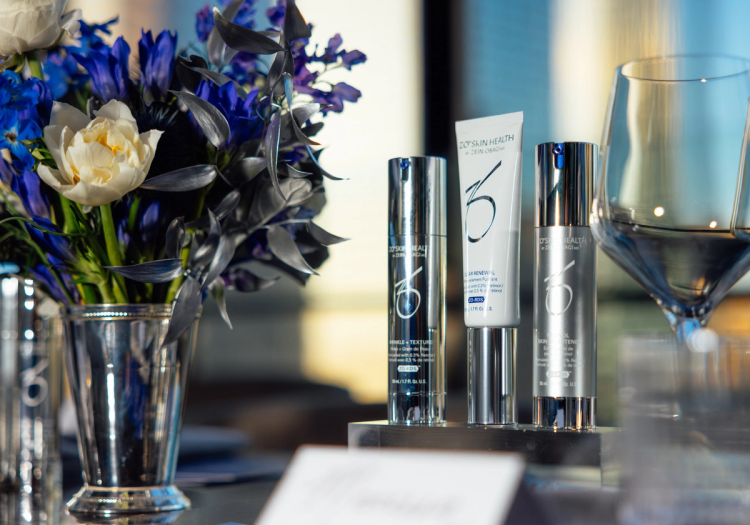
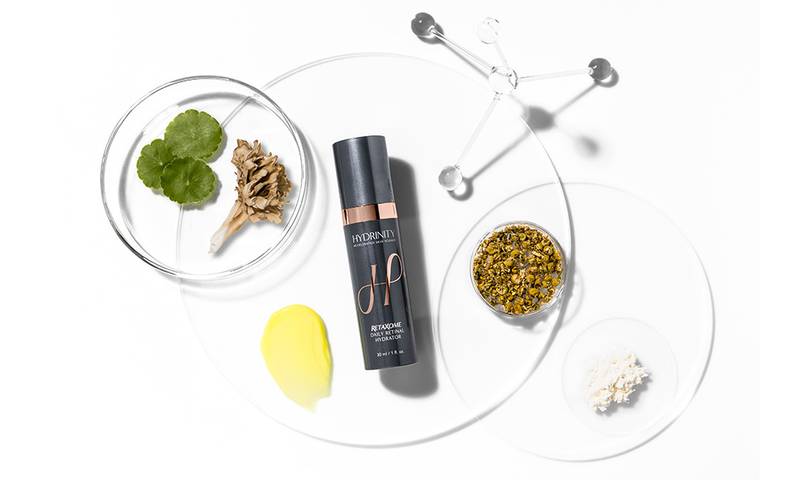
"The skin can register that rapid loss in less welcome ways,” says Dr. Erickson, noting sagging and sinking are the most common concerns she hears. For these patients, the treatment focus is clear. "My focus is replenishing hydration and stimulating collagen formation to restore luminosity and improve texture," says Dr. Erickson. "Hydrinity's Renewing HA Serum and RetaXome Retinal Hydrator are foundational, and patients often notice meaningful improvements in as little as two weeks."
Building the Right Routine
Perimenopausal and menopausal skin have different needs, and the routine has to reflect that. "Perimenopausal skin is, by definition, combination skin—it demands a strategy that addresses oily and dry zones simultaneously," says Dr. Erickson. "Over-exfoliation is the most common misstep I see. A gentle hydrating cleanser with mild AHAs is often the correction."
In menopause, when skin skews consistently drier, Dr. Erickson introduces retinal over retinoic acid—"a gentler but genuinely effective way to restore collagen, support turnover, and optimize skin health."
Dr. Joseph starts with a step that precedes any product decision. "I want to make sure my patients have a good understanding of their hormone levels, and I will often refer them for possible HRT if they are eligible. This is a non-negotiable."
Once that baseline is established, the focus shifts to barrier preservation, and that means understanding what the barrier actually needs. "The skin is not simply becoming dry," says Dr. Joseph. "It is becoming biologically less capable of maintaining hydration, repair and structural resilience on its own. Targeted hydration is about supporting skin function."
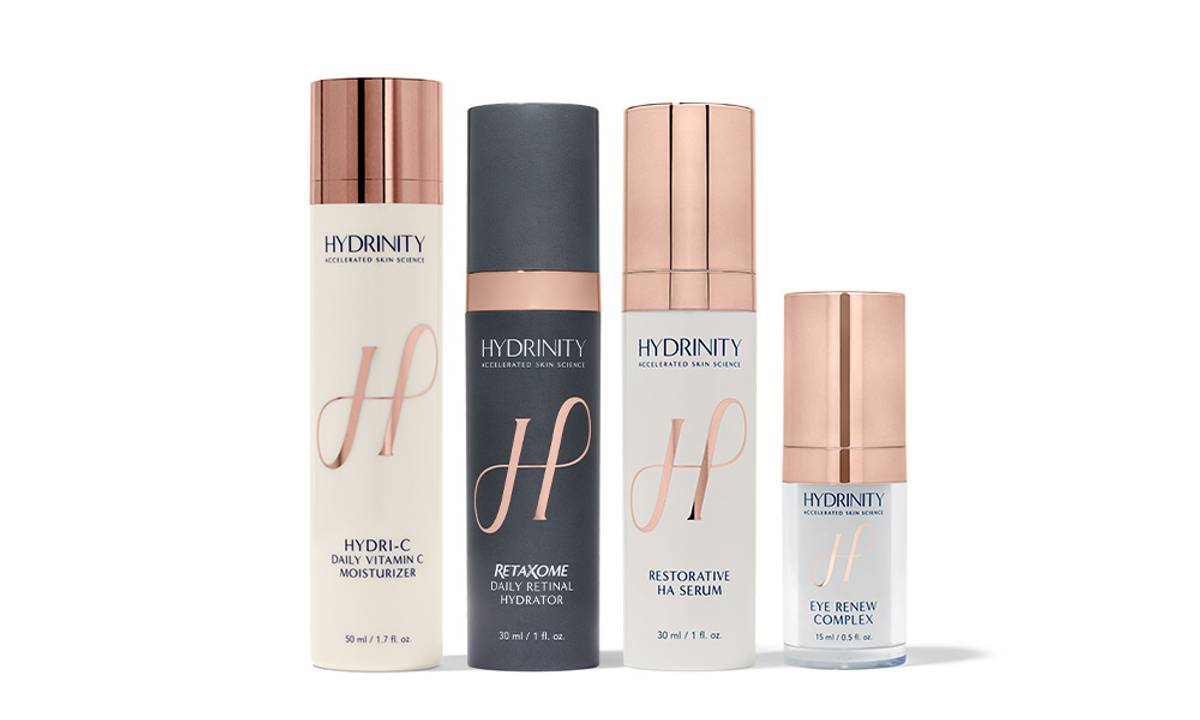
Both physicians turn to Hydrinity for exactly this. Their go-tos: Hydrinity’s Restorative HA Serum, followed by Hydri-C Daily Vitamin C and SPF in the morning, with RetaXome Daily Retinal Hydrator at night. "Women don't need ten-step regimens," says Dr. Erickson. "They need products that adapt with a shifting hormonal environment."
"These changes are real, they are biologic, and they are extremely common," encourages Dr. Joseph. "The best place to start is rebuilding the foundation—sun protection, targeted hydration, barrier support and collagen-stimulating skin care. Products like what Hydrinity offers can be especially helpful during this stage because they support hydration and skin recovery in a way that hormonally changing skin often needs. Once the skin is healthier and more resilient, we can layer in treatments like lasers or biostimulatory injectables if appropriate. But the foundation has to come first."