
Remember the days of unlimited tanning bed passes? Or slathering on coconut oil before basking in the sun? We’ve come a long way in protecting our skin from the elements. Going without a layer of SPF seems criminal today, yet even now that the practice has become second nature for so many of us, we still can’t seem to avoid the long-term effects of sun exposure.
The unfortunate truth is, we begin accumulating sun damage from the day we’re born. “People often say, ‘I was born with these freckles,’” says Washington, D.C. dermatologist Tina Alster, MD. “However, no one is actually born with freckles. They appear when the skin is exposed to the sun. So, while people may recall having them, that’s only because they went outside when they were young. Regrettably, children are not as protected from the sun as dermatologists want them to be.”
Recent studies have shown that sun damage can happen in less than an hour. Even when we’re cautious to avoid sunburns, the cumulative effects of the sun’s harmful rays can last for what seems like eternity. However, all is not lost, and our experts say there are a number of effective ways to hit the reset button on aging skin.
What Sun Exposure Does
There are three different types of ultraviolet rays: UVA, UVB and UVC. UVA rays penetrate skin to its deepest layers, into the dermis, and damage the cells which leads to premature aging. UVB rays have a shorter wavelength and don’t get past the epidermis; they’re largely responsible for sunburns. Both types can play a role in the formation of skin cancer. UVC rays are the most harmful, but the ozone layer blocks us from them.
“Sun damage is associated with UV radiation and causes damage to the skin called photoaging,” explains Eagan, MN dermatologist Charles Crutchfield III, MD. “Some of the typical changes that occur include brown spots, uneven tone and texture, thinning of the skin, and wrinkling.”
“Those with fairer skin are most at risk,” says Denver dermatologist Joel Cohen, MD. “The reason is that melanin helps attenuate UV rays. This doesn’t mean if you have melanin-rich skin you aren’t at risk. There are a lot of misconceptions about skin cancer and sun-protection, and everyone should be wearing sunscreen with the right ingredients like zinc.”
Erasing the Damage
Most of us will begin to see the effects of sun damage in our 30s, in the form of age spots, wrinkles, and rough skin texture. So, how can you turn back the clock to reveal younger, brighter-looking skin?
Protect
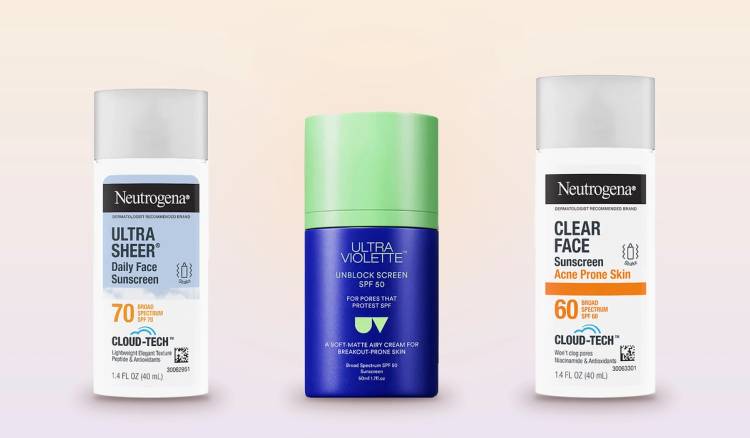
Using an SPF of 30 or above will help fight cellular damage caused by the sun. “Wear a broad-spectrum sunscreen to reflect UV rays,” advises Dr. Alster. “Not protecting the skin while in the sun can make laxity and hyperpigmentation worse.” She also recommends avoiding tanning of any kind before undergoing at-home or in-office treatments: “I avoid performing laser treatment on anyone with an active suntan because the skin cells that produce pigment will be more prone to injury and increase the risk of blistering and discoloration. Sunscreen is an important part of the process.”
Hydrate
“Dry skin will always look older,” says Dr. Crutchfield. “Keeping skin hydrated with a high-quality moisturizer can reduce the appearance of fine lines and wrinkles. If you have oily skin, look specifically for oil-free and noncomedogenic products.”
“Cleansers, creams and serums with hyaluronic acid are great hydrators that lock in moisture and plump up the skin,” adds Dr. Alster.
Repair
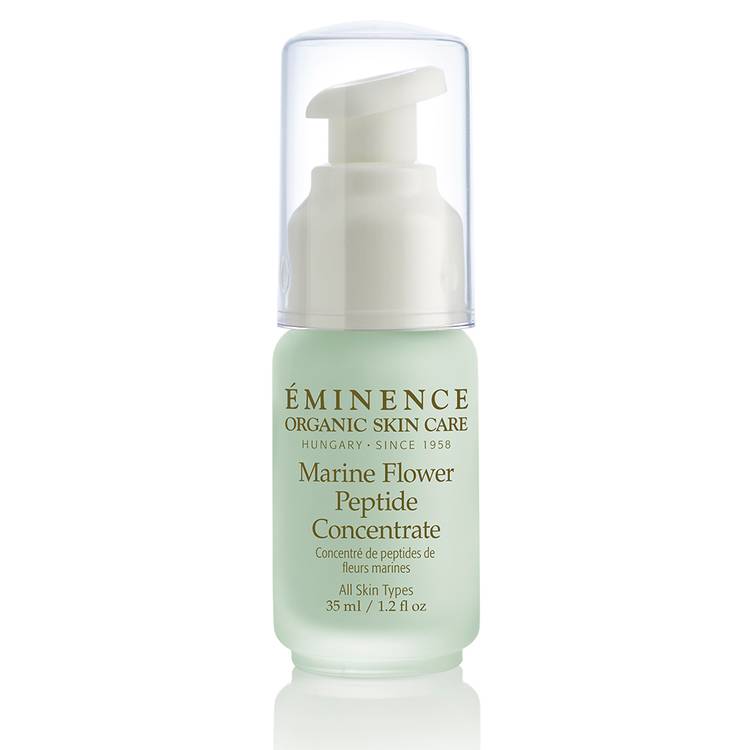
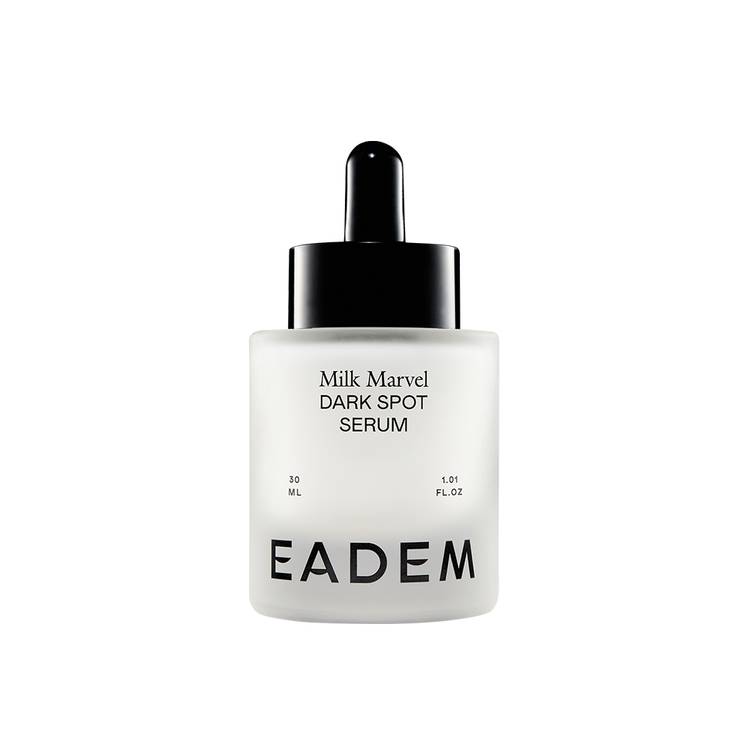
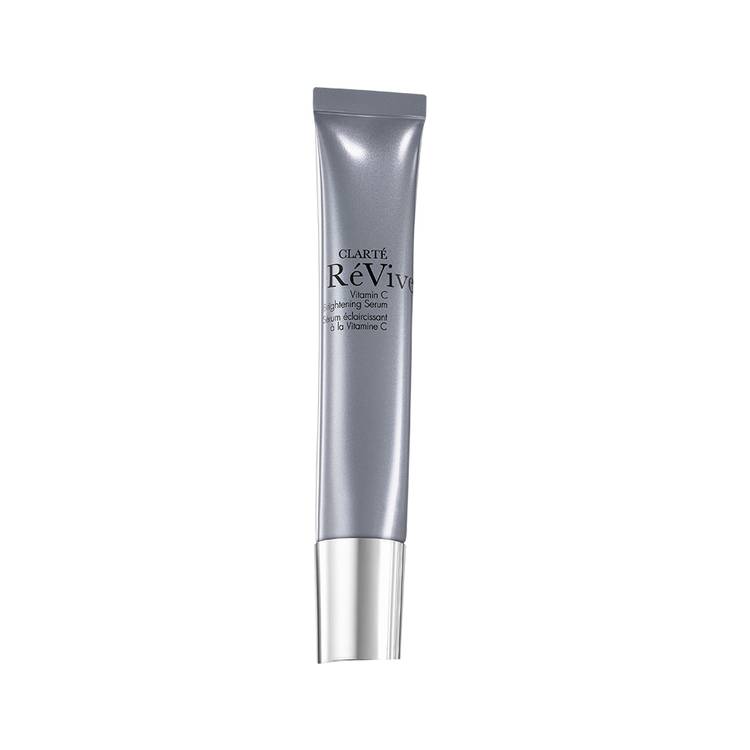
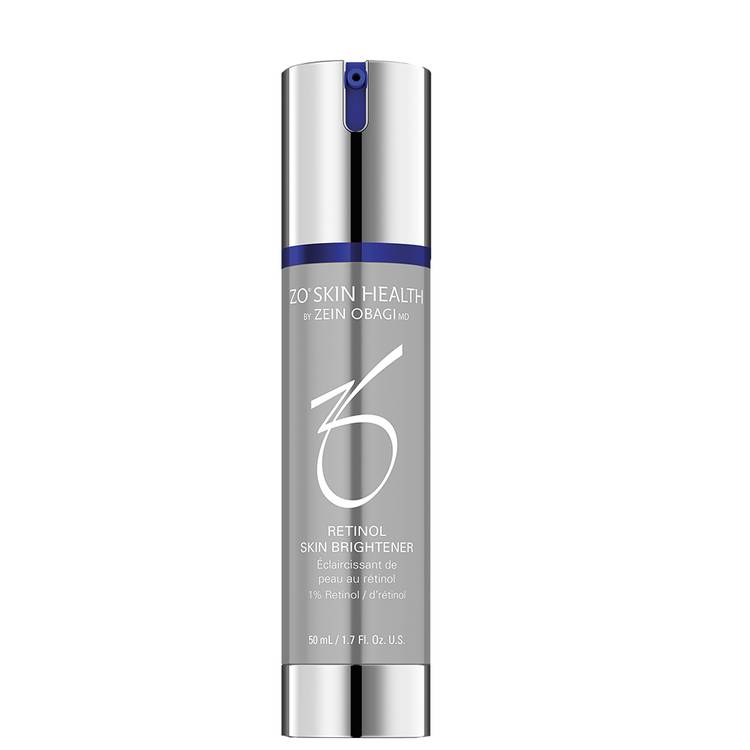
To reduce the look of sunspots, melanin-inhibiting hydroquinone may be prescribed by a doctor. While effective, there are many hydroquinone-free options that are helpful in lightening dark spots, too, like arbutin, licorice root extract, vitamin C, lactic acid, niacinamide, and kojic acid. “A good skin-care plan should prep the canvas and amplify the in-office treatments that we perform,” says Dr. Alster. “Use an antioxidant under your SPF during the day—like vitamin C—and repair your skin at night with a retinol to encourage new collagen formation.”
“Antioxidants help quench free radicals caused by sun damage, smoke and environmental pollutants. THD ascorbate tends to be a more stable vitamin C formulation and can help with sun damage pigmentation as well,” adds Dr. Cohen.
Dr. Alster also likes tranexamic acid, a powerhouse ingredient that has recently been proven in clinical studies to reduce pigmentation, and niacinamide, which can also help improve uneven skin tone. “Both of these ingredients target discoloration to visibly brighten skin.”
Treat
In-office light-based and laser treatments work wonders at targeting spots and improving skin tone. According to Dr. Cohen, an Intense Pulse Light (IPL) or Broadband Light (BBL), treatment can reduce sun damage that is resistant to skin care and at-home treatments. “I use BBL and other light devices for benign pigment, and laser skin resurfacing works best for treating lines, wrinkles and crepey skin,” he explains. “A Thulium laser can also help with pigmentation, but in addition make the skin feel smoother. It also has FDA clearance to help minimize pre-cancer skin lesions. Microneedling with radio frequency—with or without PRP (platelet-rich plasma)—is also great for collagen induction.”
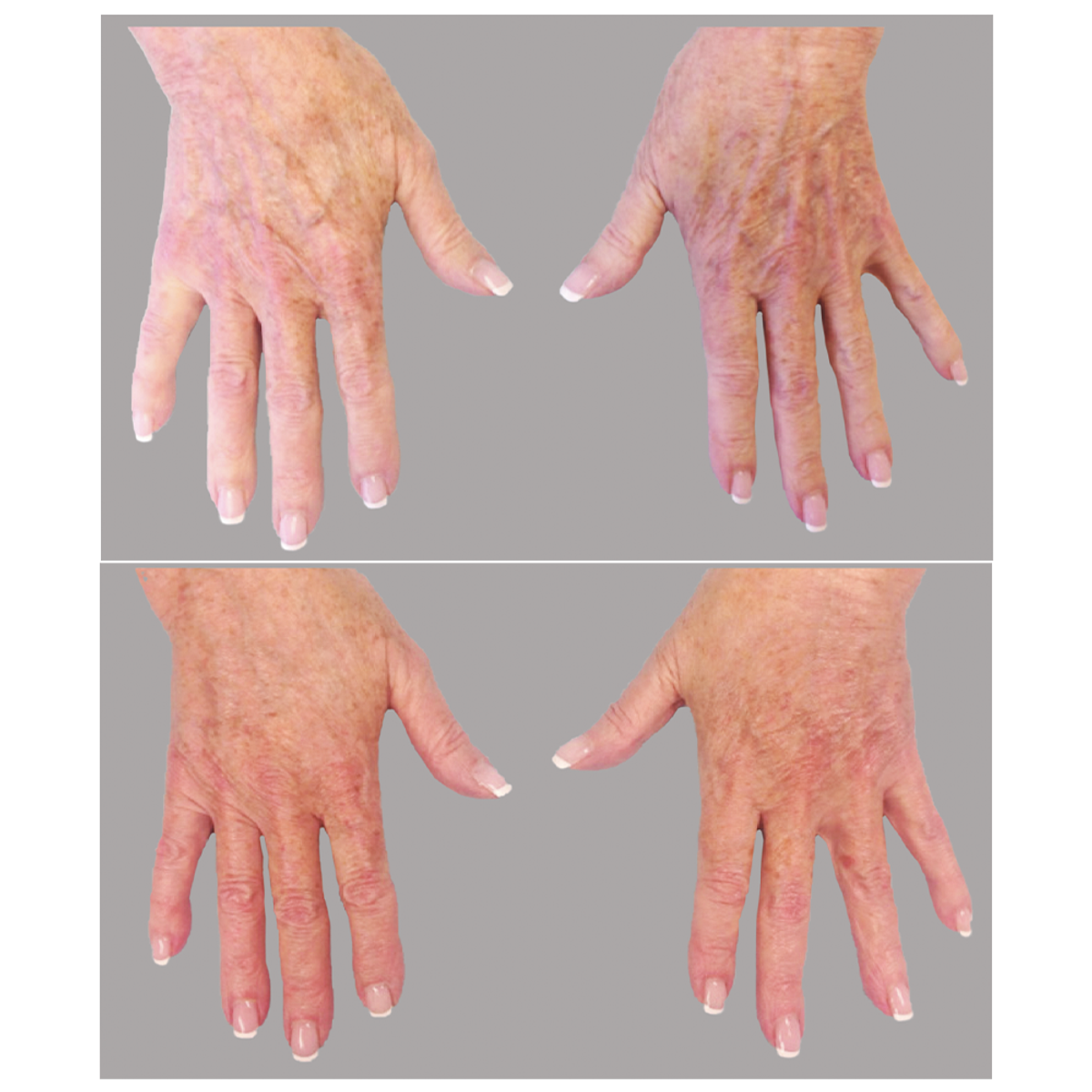
Dr. Cohen used the Spectra Q-Switched laser to reduce brown spots on this 73-year-old patient’s hands, along with Radiesse injections to smooth lines and improve skin texture.
Dr. Alster performs a lot of nonablative fractionated laser treatments because many people don’t want to take the time off for recovery, which is often required for more intense ablative lasers. “I typically use Clear + Brilliant and Fraxel DUAL, which I suggest for anyone over the age of 30 because we all have some form of sun damage,” she says. “I will often combine them with microneedling in areas where there are deeper wrinkles, large pores, or acne scars to further enhance clinical results. If there is pronounced redness in the skin, IPL or vascular laser treatment can also be done during the same session so you have just one recovery period with a few days of redness and dryness, but you won’t need to hide out.”