Sensitive skin and anti-aging skin care don’t always play nicely together. I know this firsthand. At 48, my already reactive skin has become drier and duller, and I’m noticing changes in texture and firmness that weren’t there a few years ago. I still want all the things I’ve always wanted from my skin care, like hydration, firmness, bounce and glow, but increasingly, my skin gets the final say.
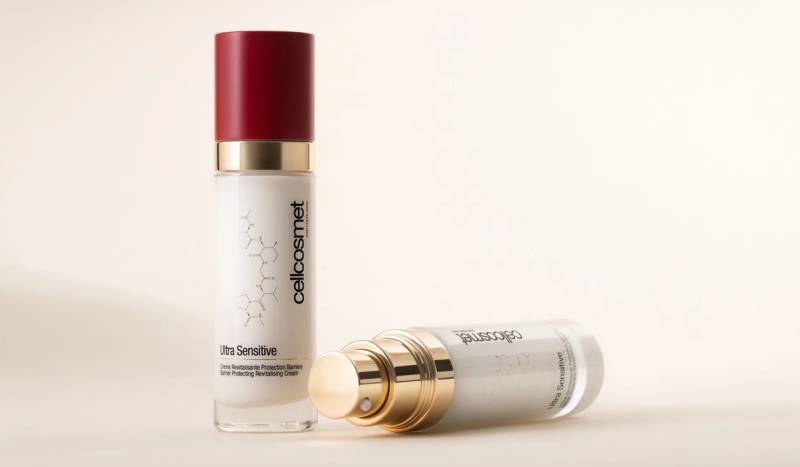
For the past three months, I’ve swapped out my daily moisturizer for Cellcosmet’s new Ultra Sensitive Cream ($265), which officially launches today. It’s lighter than I expected from the Swiss brand, but still moisturizing enough for my dry skin, and the fragrance-free formula sinks in without the sting or flush I can sometimes get when introducing something new. What I noticed over time was that my skin looked less depleted. It felt softer and more comfortable, and some of the dullness I’ve been fighting lately gave way to a healthier-looking glow.
According to the brand, a 28-day clinical study showed an 11.2-percent increase in hydration and a 17.1-percent reduction in transepidermal water loss, meaning skin was better able to hold on to moisture. Redness decreased 6.5 percent, while elasticity increased 4.9 percent and firmness improved 4.2 percent.
A New Take on a Classic
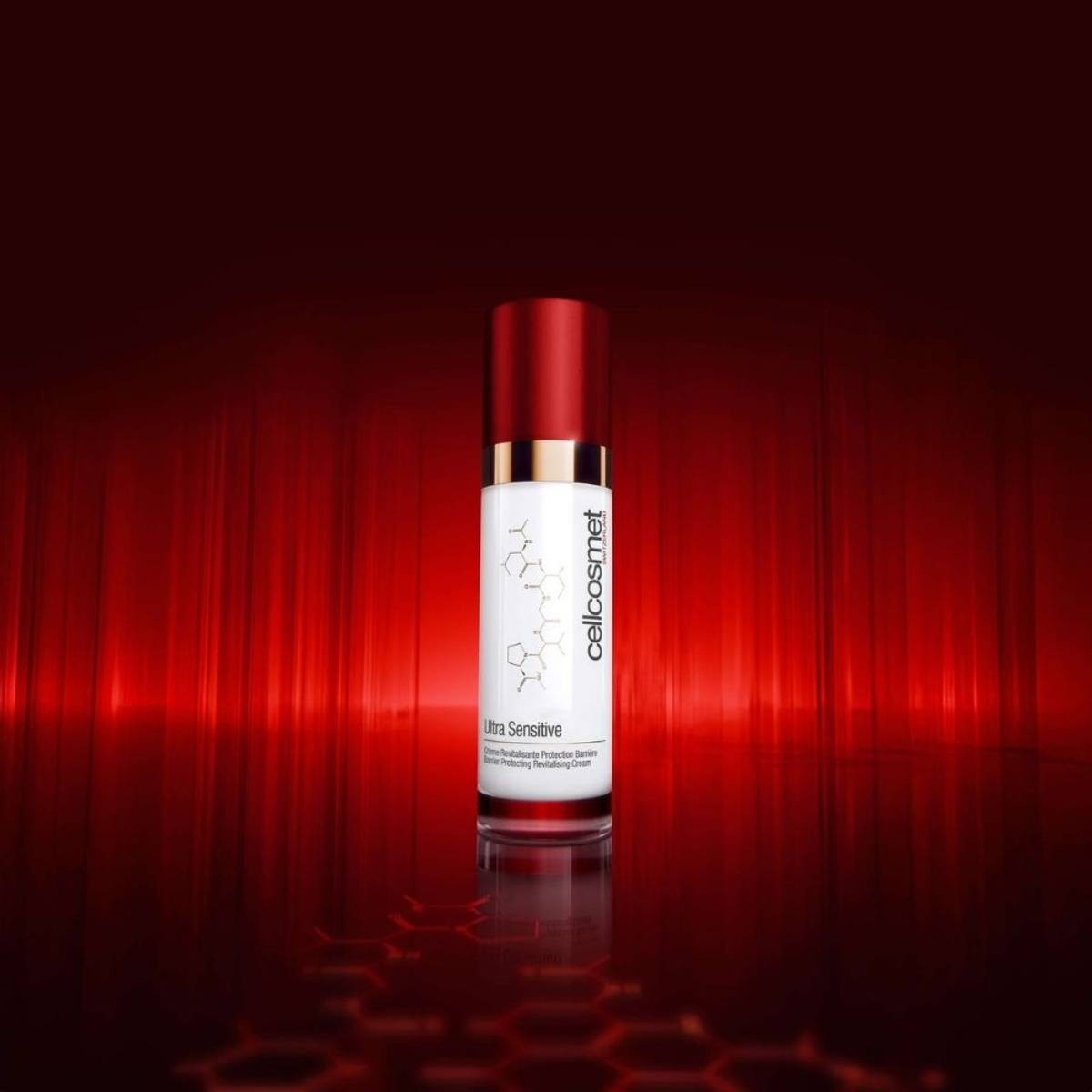
Cellcosmet’s cult-classic Ultra Vital is rich, luxurious and made for skin that needs serious moisture. Ultra Sensitive builds on the same cellular approach. That’s where the “cell” in Cellcosmet comes in: Both creams contain CytoPep, the Swiss brand’s proprietary blend of peptides, proteins and amino acids, which it says helps support hydration, elasticity and the skin barrier.
What interests me here is what surrounds that blend. Ultra Sensitive pairs it with ceramides, cholesterol and phytosphingosine, lipids that help support the skin barrier and keep moisture from escaping. Hyaluronic acid draws in water, while oat oil helps soften dry skin and allantoin helps soothe it. The formula also includes ophiopogon japonicus root extract, which the brand says supports hydration and the skin’s microbiome. The formula addresses both the dryness and discomfort of sensitive skin, alongside the texture and elasticity concerns that brought me to an anti-aging cream in the first place.
The Bottom Line
What makes this cream stand out for me is that I haven’t had to choose between keeping my skin comfortable and liking how it looks. The formula gives me a reason to understand those results, but it’s the softer feel and healthier-looking glow that have kept me reaching for it.
Is it the ultimate anti-aging cream for sensitive skin? Skin is far too individual for me to make that declaration for everyone. But after putting it to the test for three months, I haven’t been tempted to swap my old moisturizer back in. Considering how particular my skin has become lately, that’s a pretty strong endorsement.