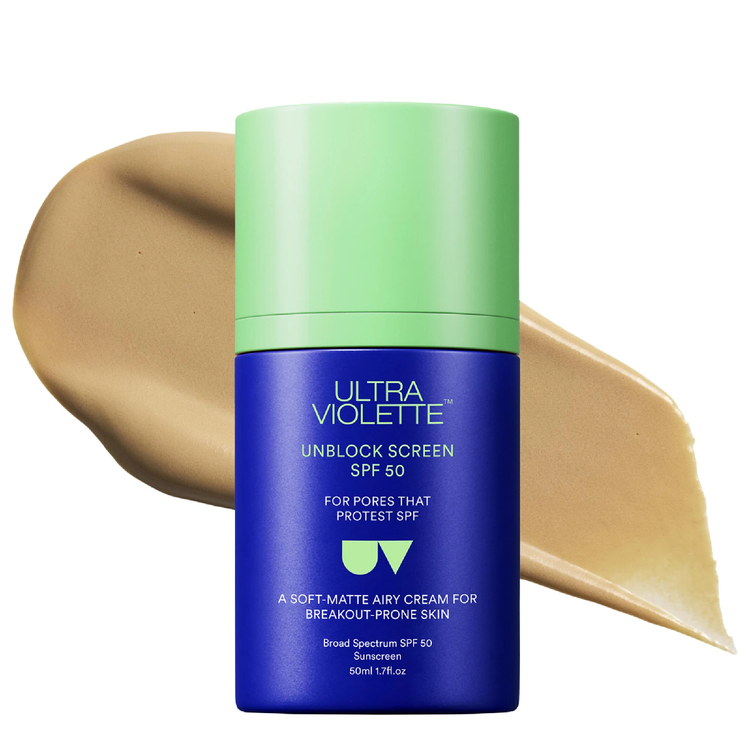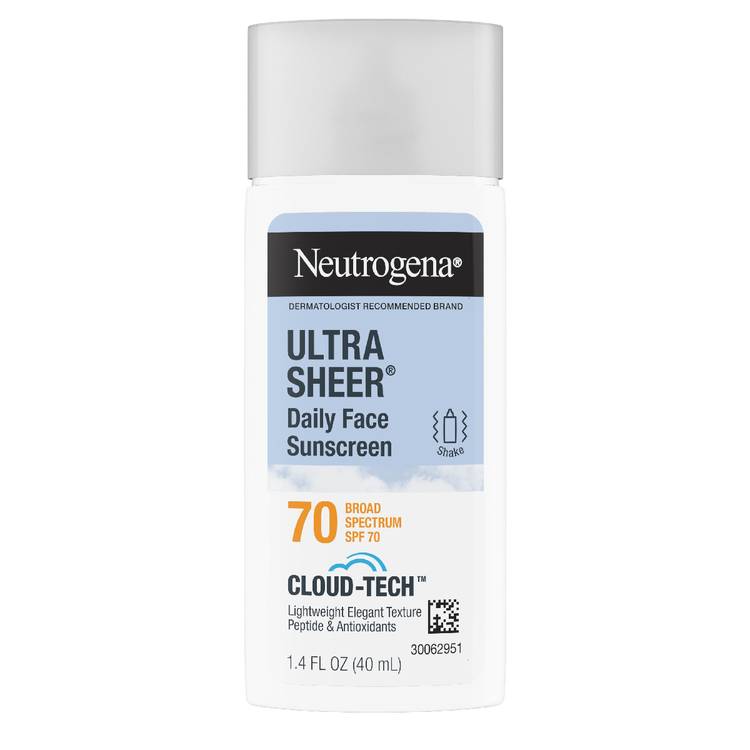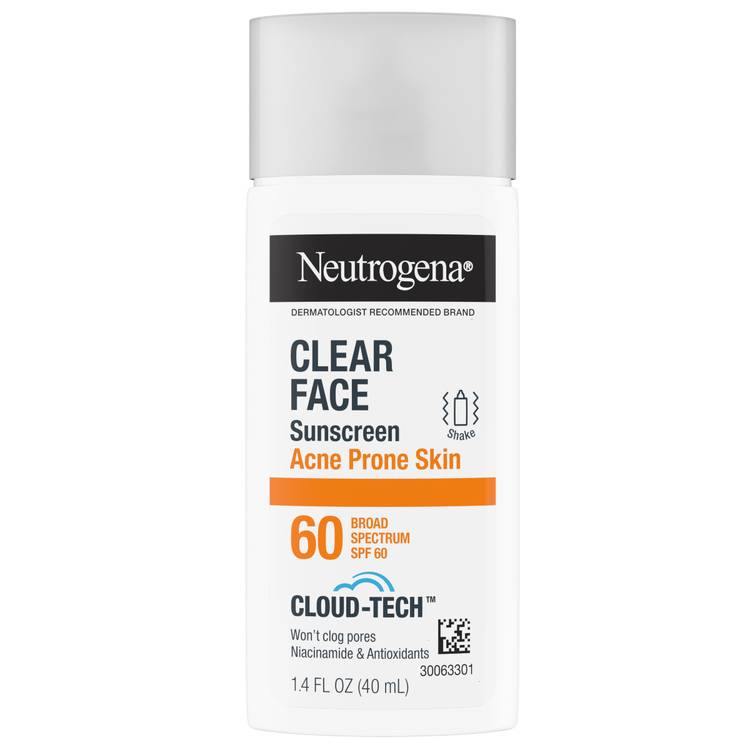
Everyone’s talking about bemotrizinol (aka BEMT, or Tinosorb S), and sunscreen brands are listening. The ingredient is a broad-spectrum filter, meaning it protects against both UVA and UVB rays, and it doesn’t break down in the sun the way some filters do. In June, the FDA added it to its list of permitted sunscreen ingredients, making it the first new filter available in the U.S. in about 20 years.
“When compared with existing U.S. filters, bemotrizinol really shines in the UVA department,” says Omaha, NE dermatologist Joel Schlessinger, MD. “That’s important because UVA rays penetrate deeper into the skin and are major contributors to premature aging and skin cancer.”
A reminder: SPF only measures protection from UVB, the rays that cause sunburn. UVA rays don’t burn, but they’re present year-round, even through clouds and windows. Until now, U.S. sunscreens have relied mostly on two UVA filters: avobenzone, which breaks down in sunlight, and zinc oxide. Bemotrizinol fills that gap, and the first U.S. formulas are already hitting shelves.
Below, whether it’s good for sensitive skin, how to spot it on a label and the best bemotrizinol sunscreens to shop now.
Featured Experts
- Daniel Schlessinger, MD and Joel Schlessinger, MD are board-certified dermatologists in Omaha, NE
Is Bemotrizinol Good for Sensitive Skin?
“Bemotrizinol appears to have a low potential for irritation and very little systemic absorption, which may make it an appealing option for sensitive skin, although we do not yet have enough real-world U.S. experience to say it is categorically better for acne-prone skin,” says Omaha, NE dermatologist Daniel Schlessinger, MD.
The good news: Because bemotrizinol is an organic filter (in other words, a chemical filter that absorbs UV light, rather than a mineral filter like zinc oxide that sits on top of skin), “it does not inherently create the white cast associated with some mineral sunscreens,” Dr. Daniel Schlessinger adds. “But greasiness, breakouts and cosmetic elegance will still depend on the entire formulation.”
How to Find Bemotrizinol on a Sunscreen Label
Three things to know when you’re shopping:
Check the active ingredients.
Look for “bemotrizinol in the active ingredients section of the Drug Facts label, where it may be listed at concentrations up to 6 percent,” Dr. Daniel Schlessinger says. That percentage appears right next to the ingredient name on the sunscreen label, and 6 percent is the most the FDA allows. (Europe allows up to 10 percent.)
A lower number isn’t a red flag, though. The SPF reflects all the filters working together, so check for “broad spectrum” and an SPF of 30 or higher on the front of the bottle.
Know its other names.
“Parsol Shield and Tinosorb S are supplier trade names, but ‘bemotrizinol’ is the name that matters on the label,” Dr. Daniel Schlessinger explains. (Tinosorb S is made by BASF, and Parsol Shield by dsm-firmenich; both are the same ingredient.)
On sunscreens made in Europe, Asia or Australia, you may see it listed by its chemical name, bis-ethylhexyloxyphenol methoxyphenyl triazine. Keep in mind that imported formulas weren’t reviewed by the FDA, even if they contain the same filter.
Expect other filters alongside it.
Bemotrizinol “is not a magic bullet that will replace all of your existing sunscreen ingredients,” Dr. Daniel Schlessinger says. “Bemotrizinol generally is not potent enough by itself to create the high-SPF products most consumers want, so you should expect to see it combined with ‘old’ ingredients such as avobenzone, octocrylene or zinc oxide.”
To be clear: That’s not a downside. Combining filters is how sunscreens cover the full range of UVA and UVB rays. Bemotrizinol also helps keep avobenzone stable in sunlight, since avobenzone tends to break down on its own.
The Best Bemotrizinol Sunscreens of 2026