Adding acids to your skin-care routine can sound kind of scary. Think about it—you’re adding products with additional ingredients to help exfoliate your skin morning and night. It sounds a little intimidating, but it will help your skin in the long run to achieve that healthy-looking glow.
“Acids are commonly used in skin care to exfoliate the skin, promote cell turnover and address specific skin concerns,” says San Diego, CA dermatologist Whitney Tolpinrud, MD. Birmingham, AL dermatologist Corey L. Hartman, MD explains that the most common acids in skin care are beta-hydroxy acids (BHAs) and alpha-hydroxy acids (AHAs). “They can be derived from natural sources or produced synthetically, categorized into different types based on their properties and functions.” Both Dr. Tolpinrud and Dr. Hartman recommend adding acids to your skin-care routine to get all benefits for your skin.
Featured experts
- Whitney Tolpinrud, MD is a board-certified dermatologist in San Diego, CA
- Corey L. Hartman, MD is a board-certified dermatologist in Birmingham, AL
- Helen M. Torok, MD is a board-certified dermatologist in Medina, OH
Alpha-Hydroxy Acids (AHAs)
Best for: All skin types
AHAs are water-soluble acids that exfoliate the skin's surface by "loosening the bonds between dead skin cells," says Dr. Tolpinrud. These acids improve skin texture, reduce the appearance of fine lines and wrinkles and promote a brighter complexion, she adds. They suit most skin types, but she suggests that people with sensitive skin start with lower concentrations and gradually increase usage. Dr. Tolpinrud explains that adding a chemical exfoliant to dry or sensitive skin could cause additional dryness or irritation. Those with rosacea or eczema should avoid using AHAs.
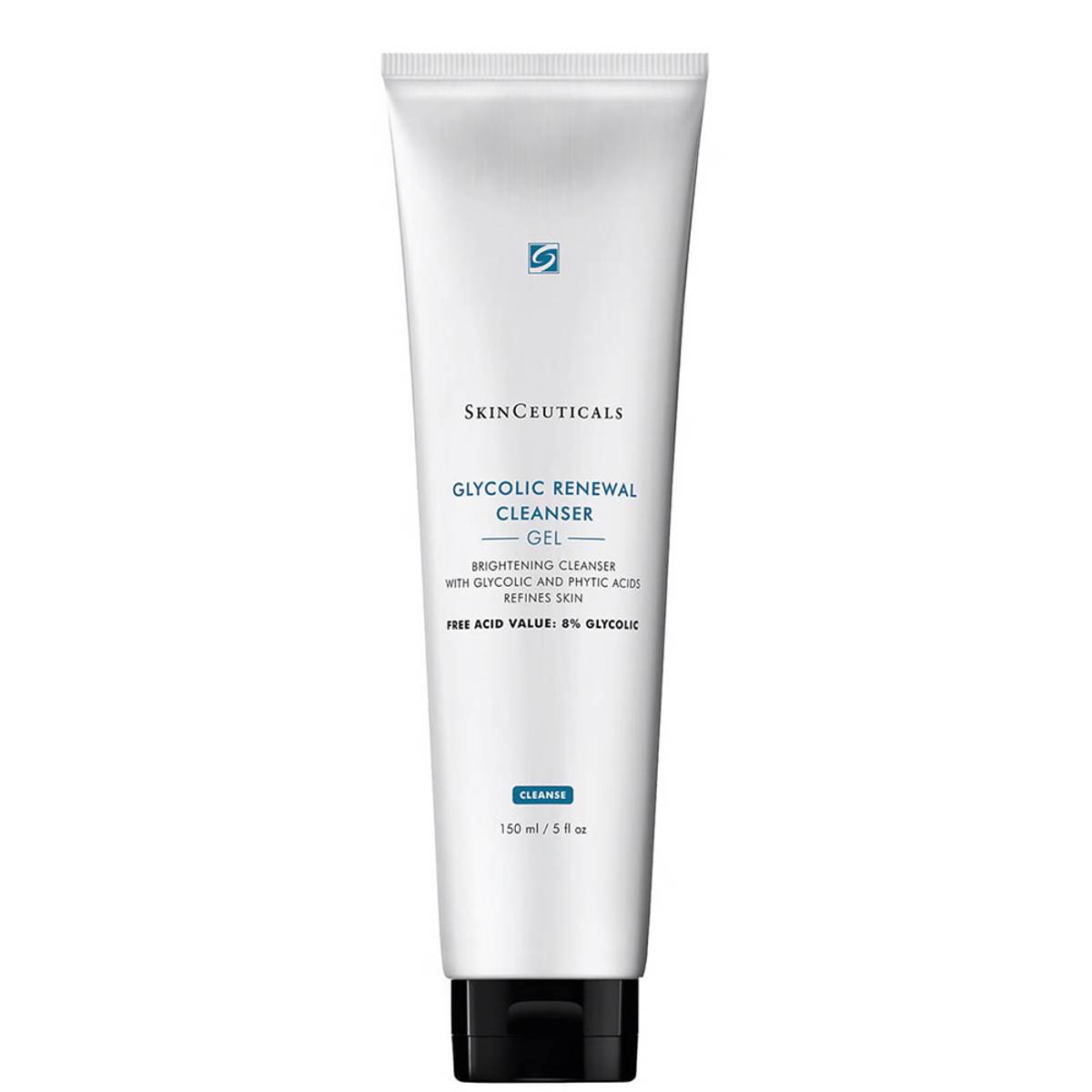
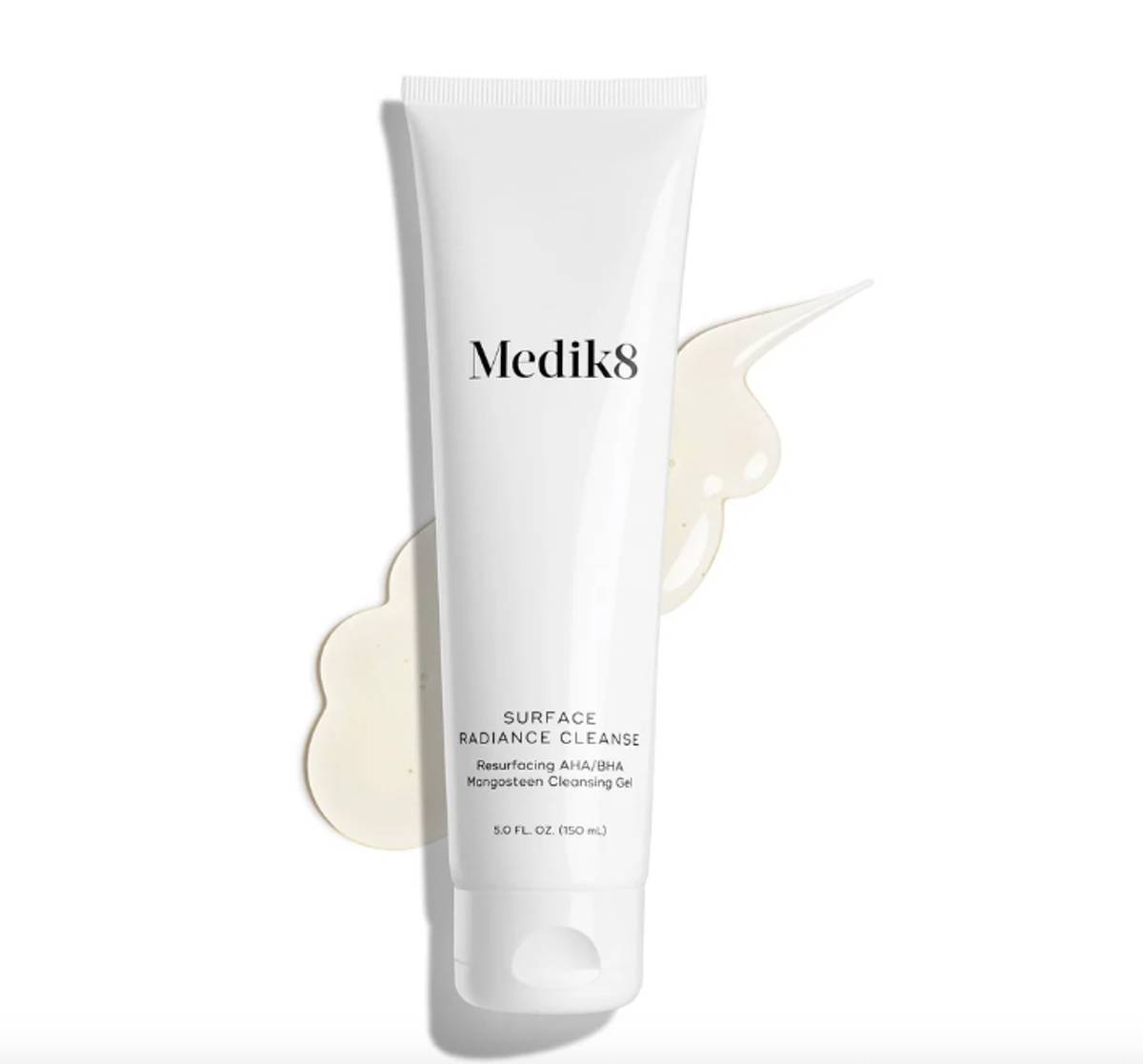
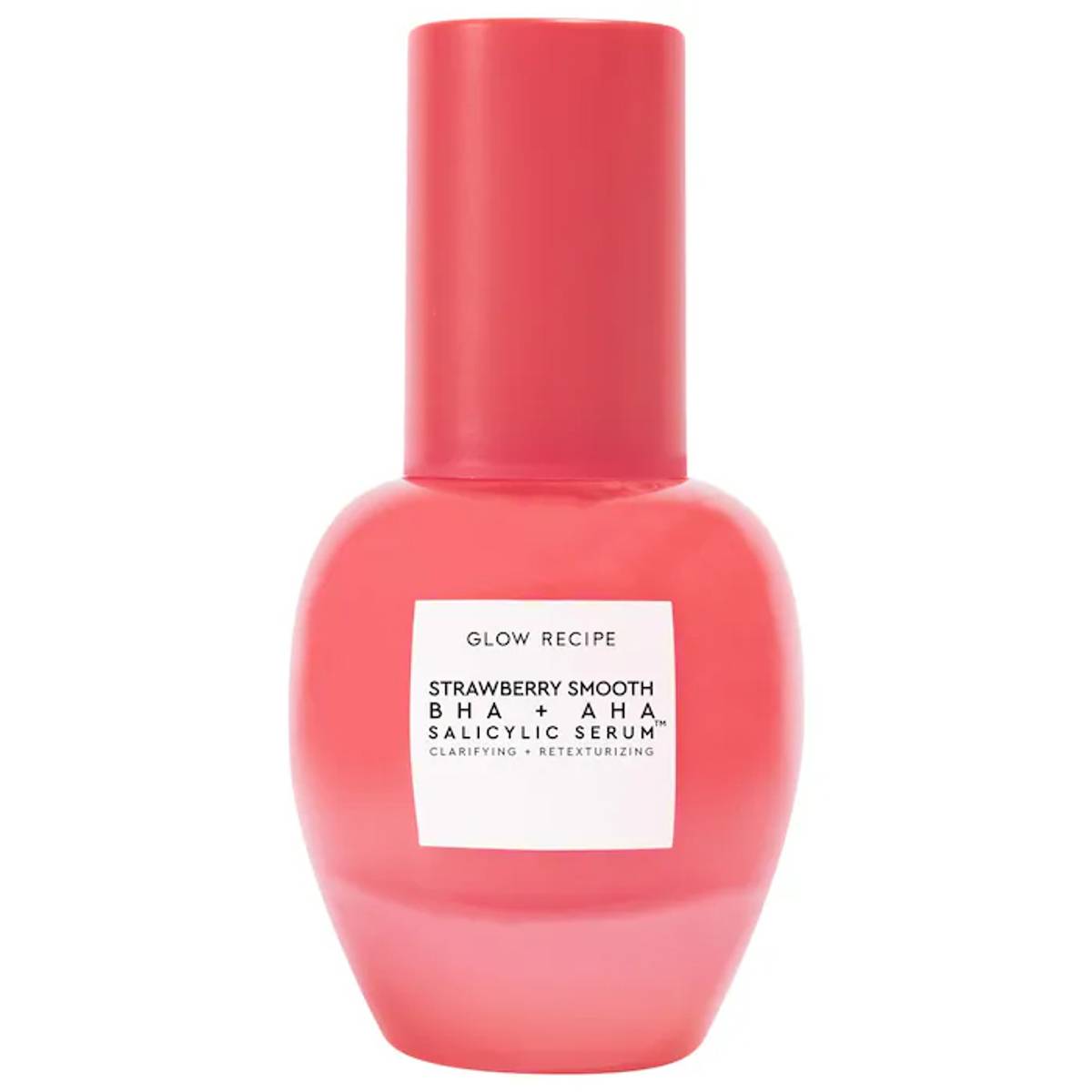
Dermatologist recommended products: SkinCeuticals Glycolic Renewal Cleanser ($42), Medik8 Surface Radiance Cleanse ($27), Glow Recipe AHA BHA Salicylic Acid Serum ($42)
Beta-Hydroxy Acid (BHAs)
Best for: All skin types, including acne-prone skin
BHAs are oil-soluble acids that effectively exfoliate the skin to remove dead skin cells. Dr. Hartman notes that BHAs “help remove excess oil and build-up on the skin and in the pores.” They also have anti-inflammatory properties, which makes them a great choice for anyone with acne-prone skin and can work for all skin types.
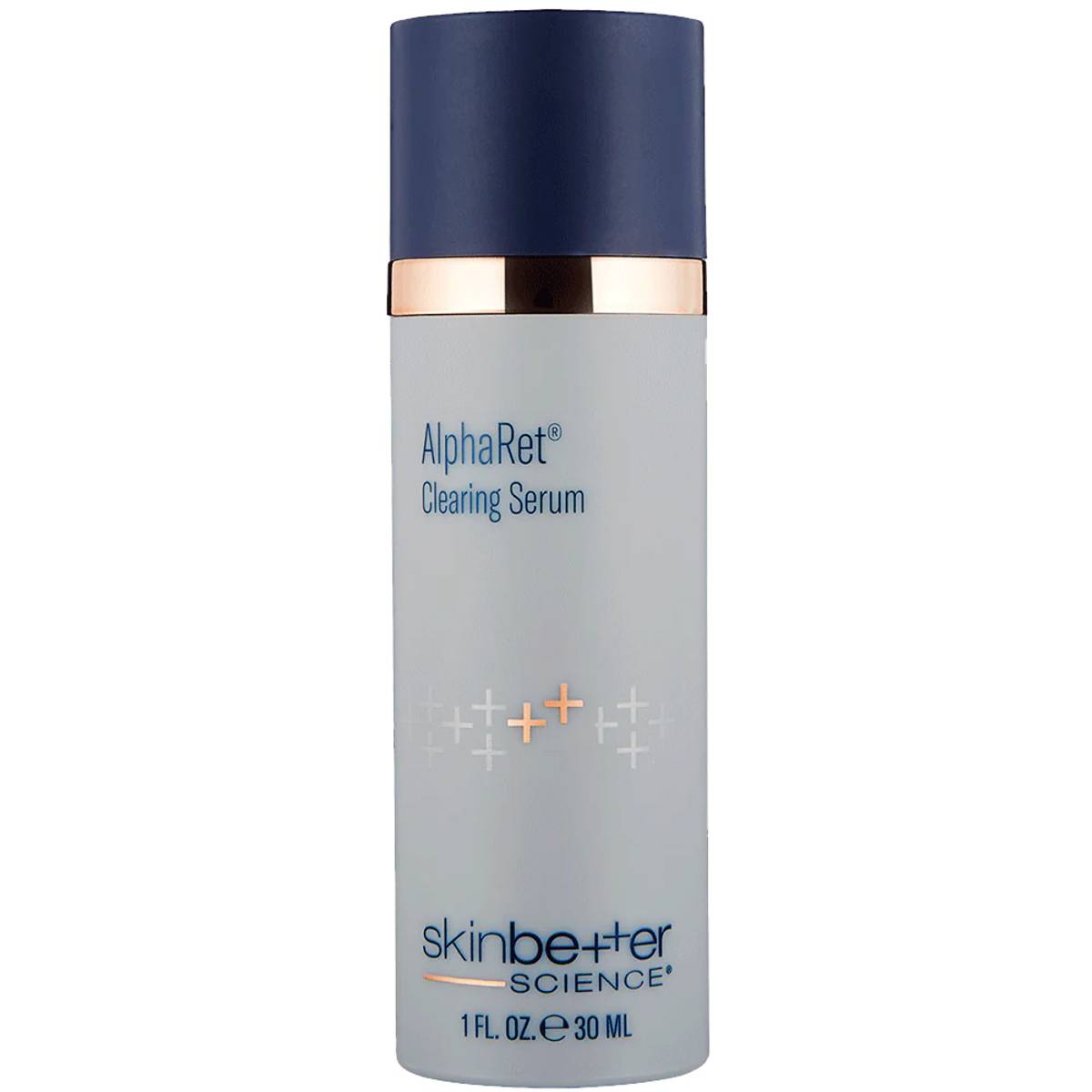
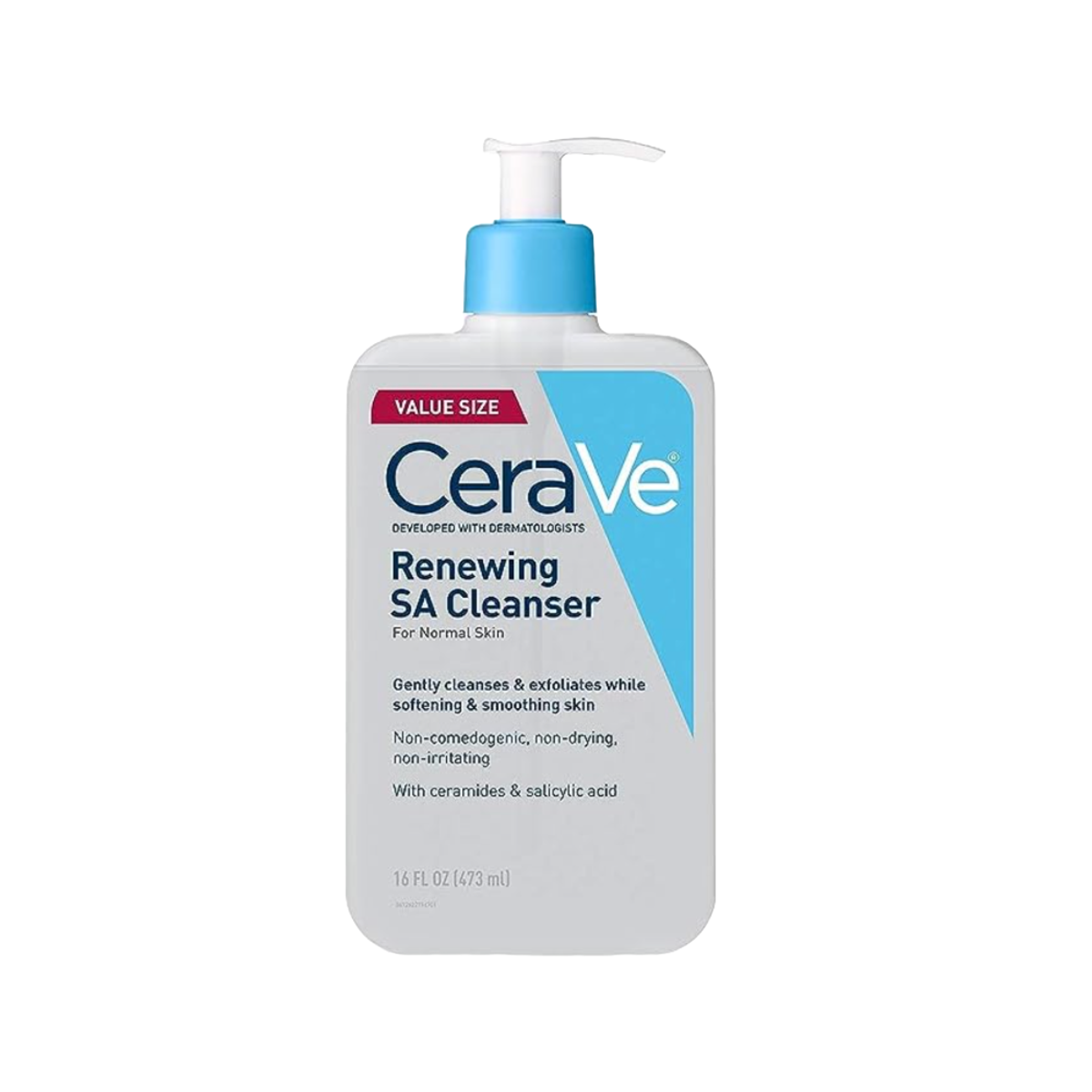
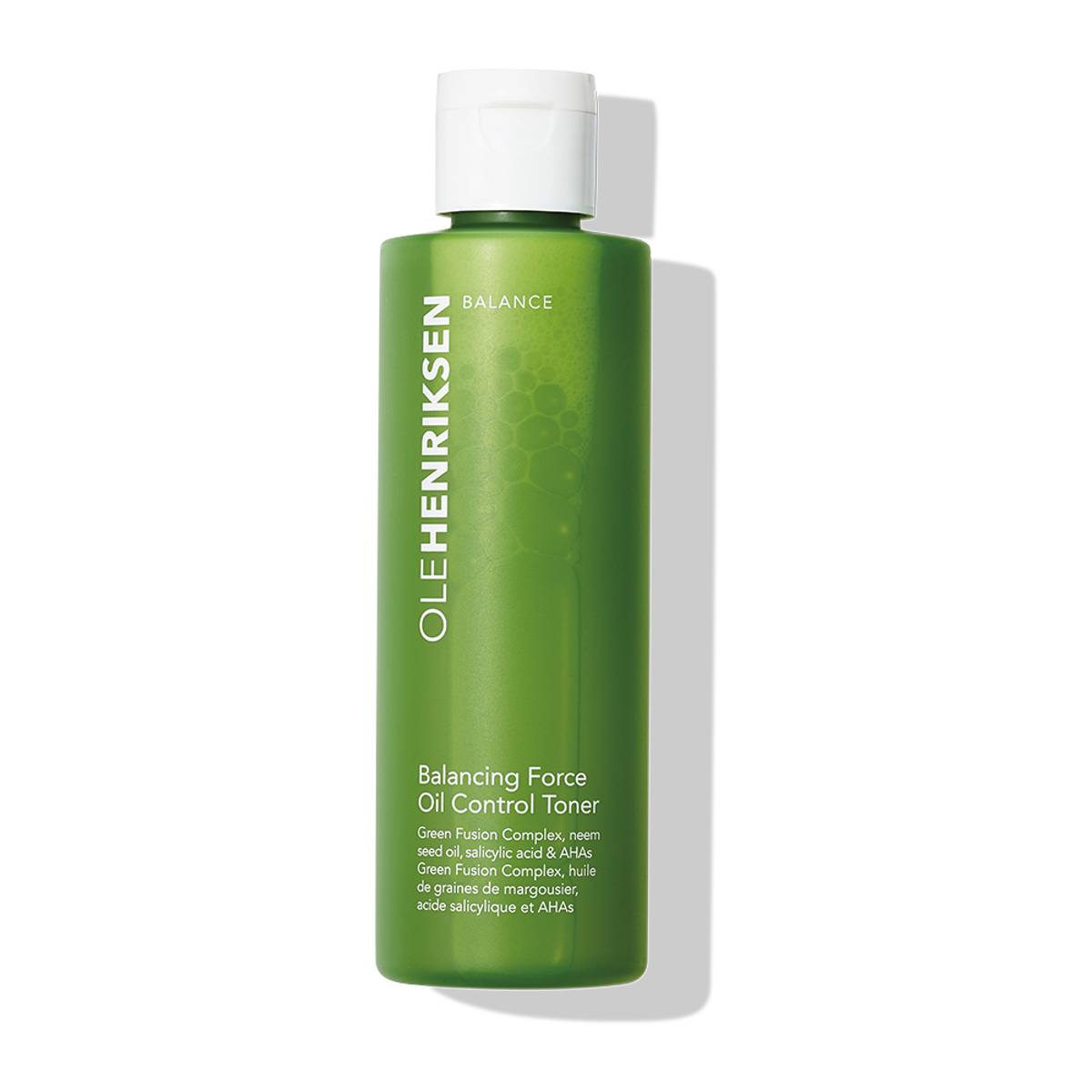
Dermatologist recommended products: SkinBetter AlphaRet Clearing Serum ($140), CeraVe Renewing SA Cleanser ($16), OLEHENRIKSEN Balancing Force Oil Control Toner ($35)
Salicylic Acid
Best for: Oily and acne-prone skin
Dr. Tolpinrud and Dr. Hartman say salicylic acid is the most common BHA used in skin care. This acid is oil-soluble, which Dr. Hartman notes means it can penetrate into the pores, making it effective for treating acne and controlling excess oil production. Salicylic acid is generally suitable for oily and acne-prone skin types, but it can also be used by individuals with other skin types.
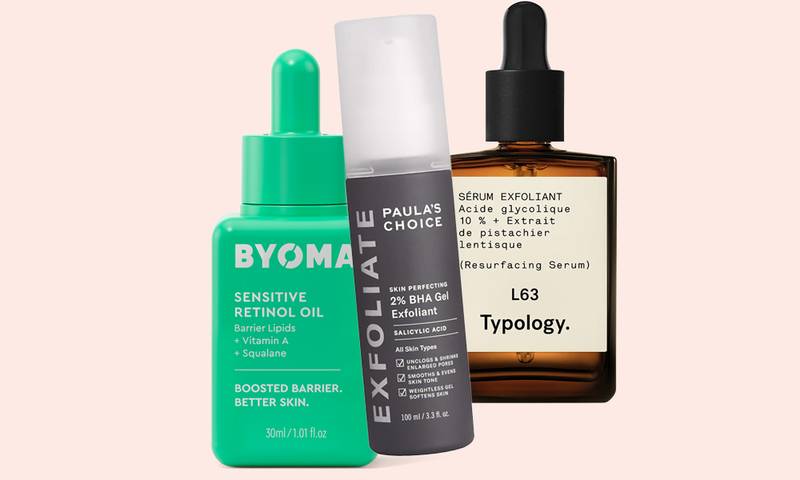
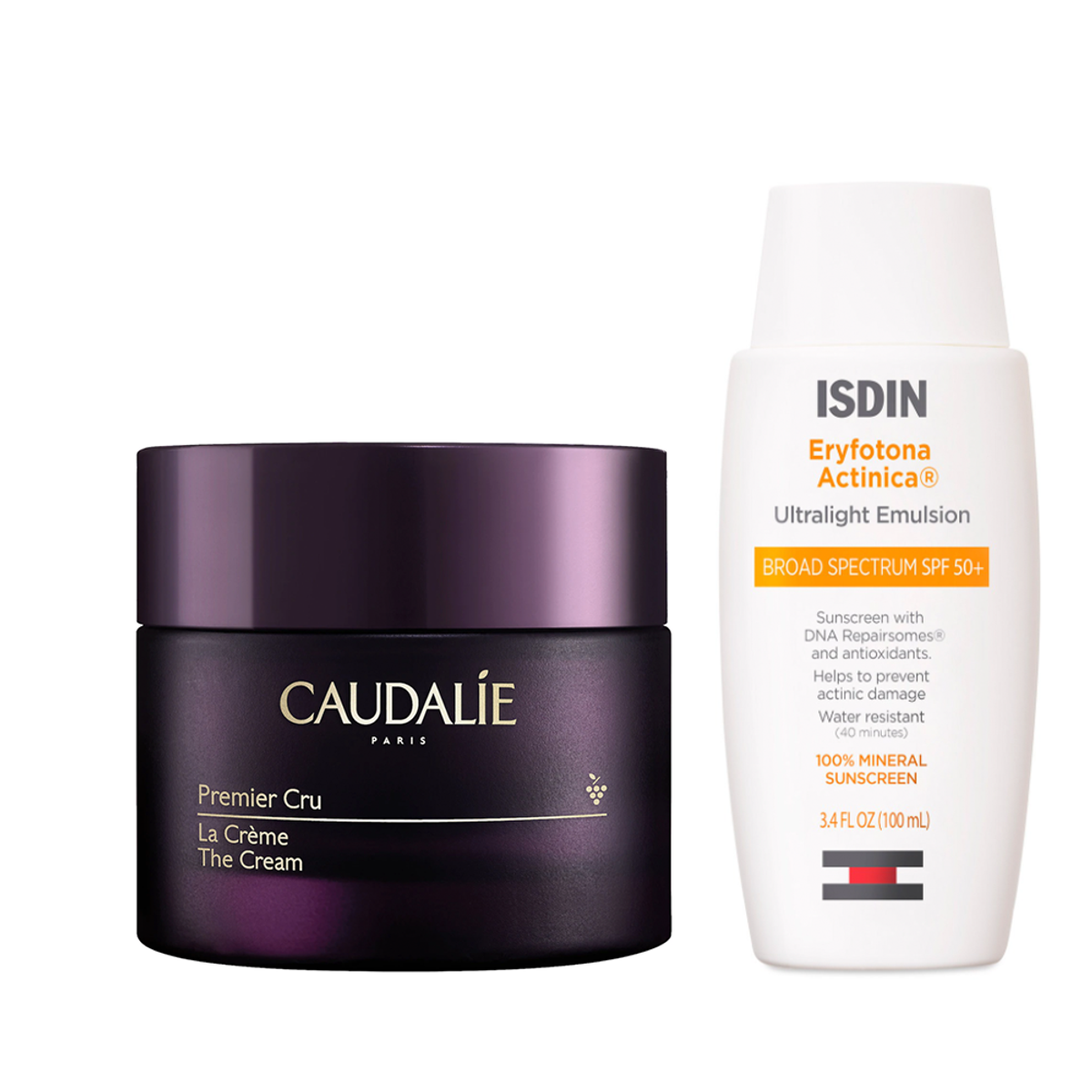
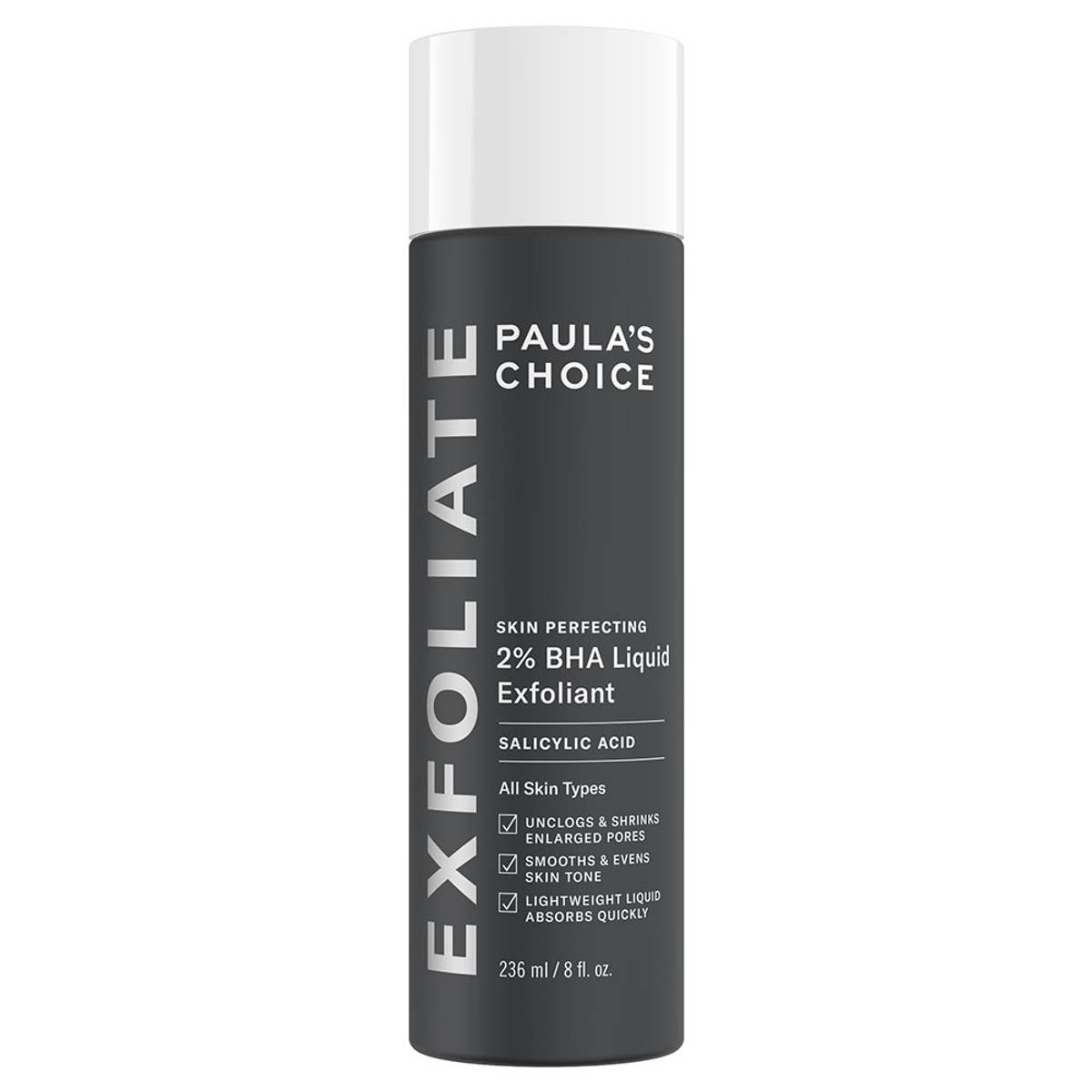
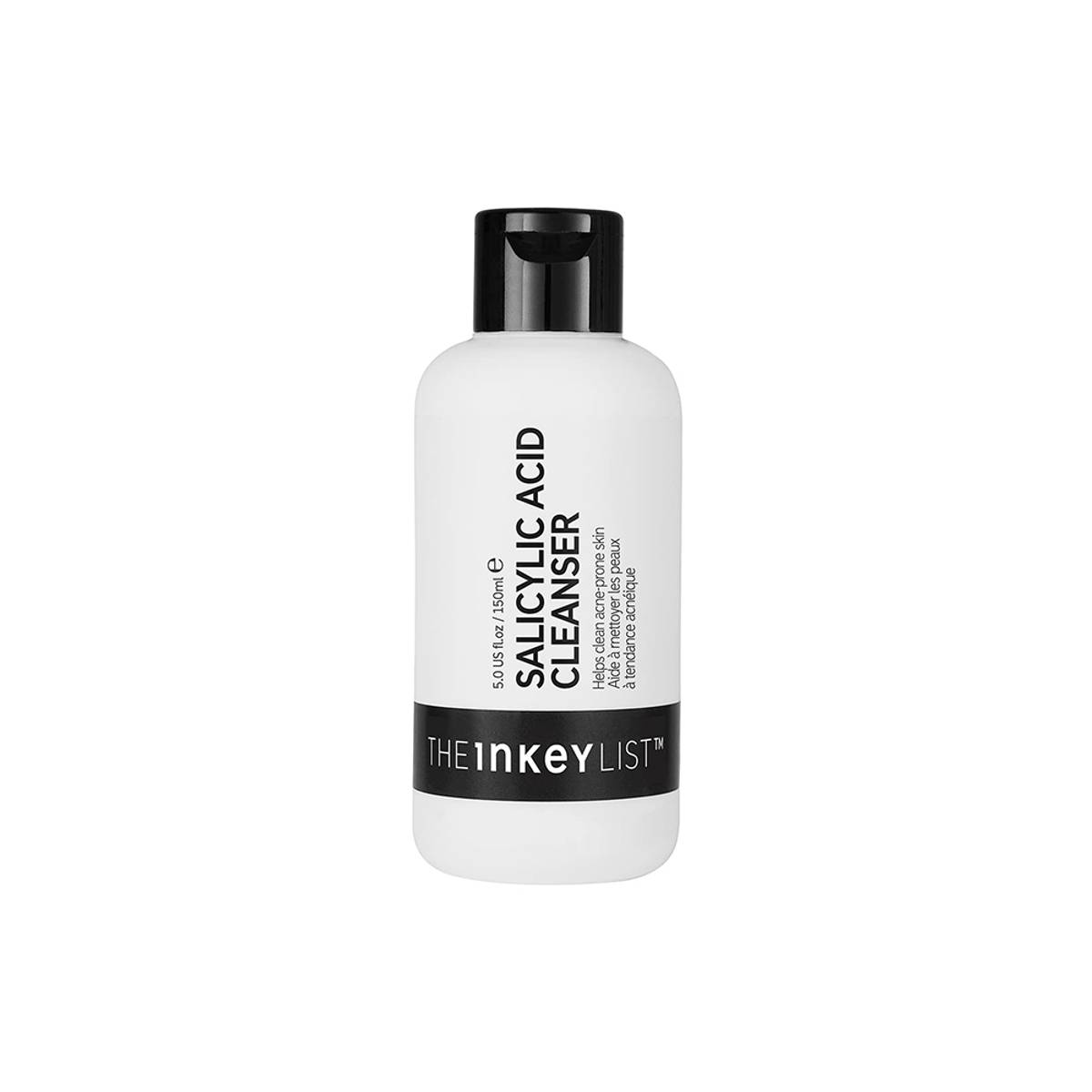
Dermatologist recommended products: Caudalie Vinopure Natural Salicylic Acid Pore Minimizing Serum ($52), Paula's Choice Skin Perfecting 2% Bha Liquid Salicylic Acid Exfoliant ($35), The INKEY List Salicylic Acid Acne + Blackhead Cleanser ($13)
Polyhydroxy acids (PHAs)
Best for: Dry and sensitive skin
PHAs are similar to AHAs, but Dr. Tolpinrud notes that PHAs have “larger molecular sizes, making them gentle on the skin.” They exfoliate by removing dead skin cells, hydrating the skin while promoting a smoother and brighter complexion. PHAs may be more suitable for individuals with sensitive skin or those who may not be able to tolerate stronger exfoliating acids.
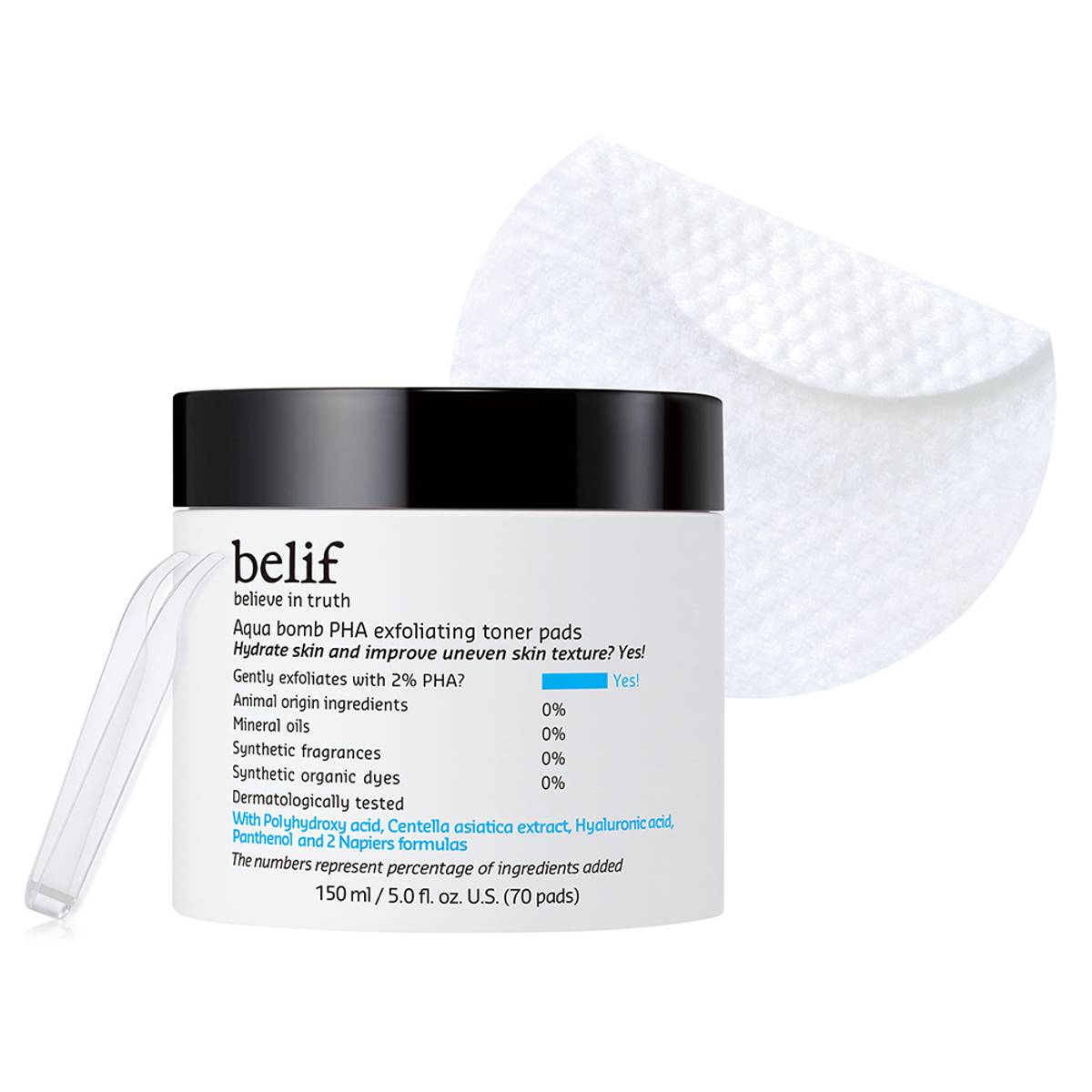
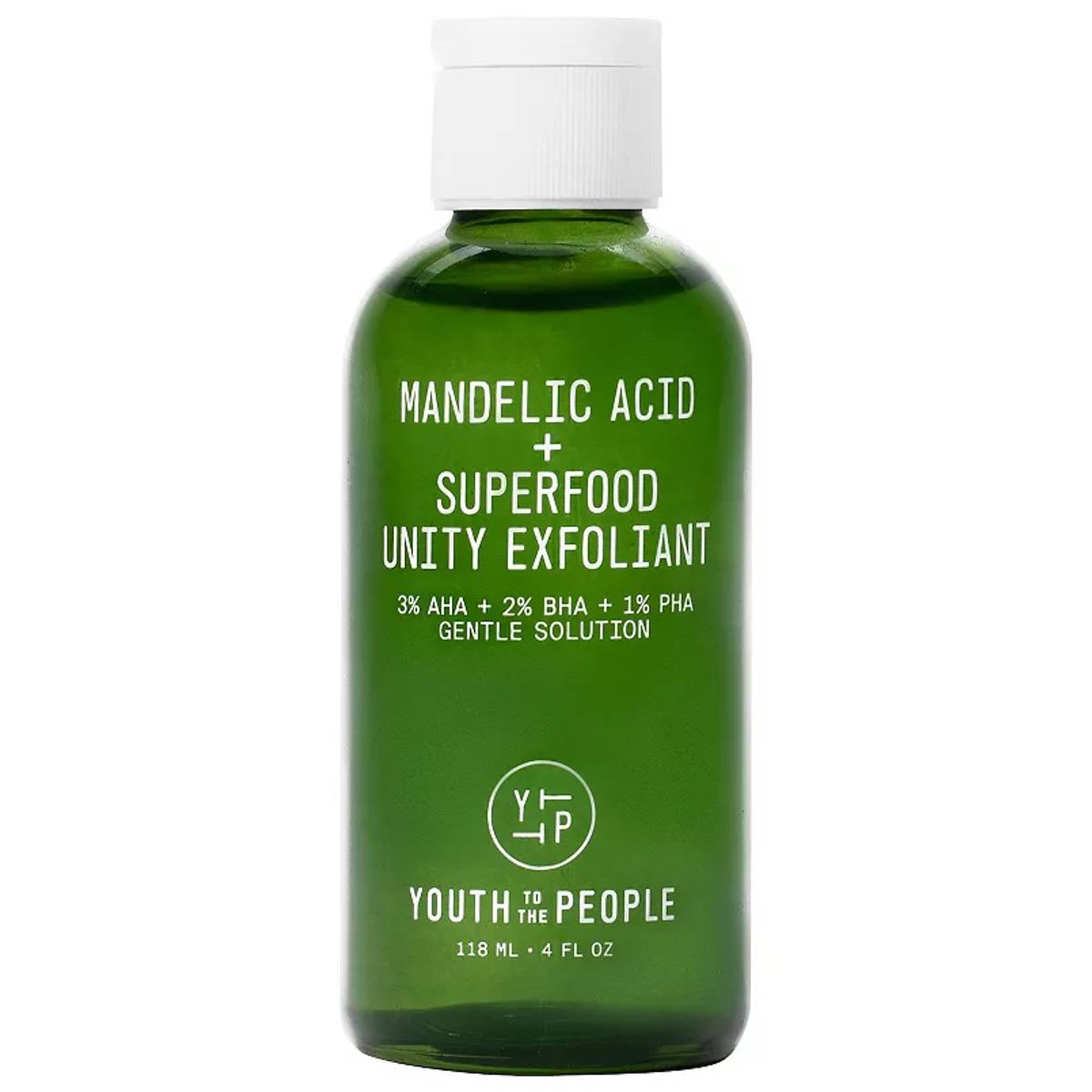
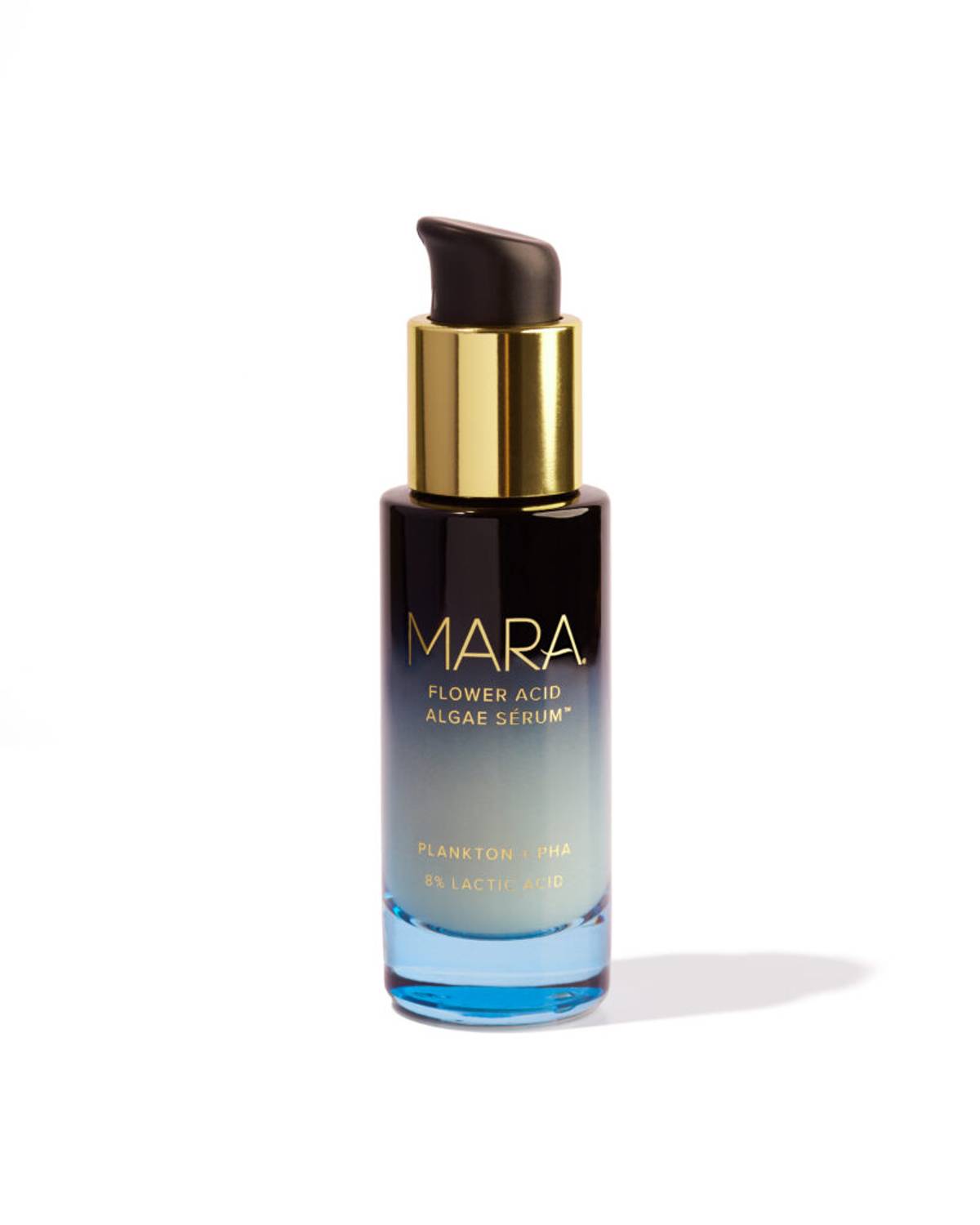
Dermatologist recommended products: belif Aqua Bomb PHA Exfoliating Toner Pads ($24), Youth To The People Mandelic Acid + Superfood Unity Exfoliant ($42), MARA Plankton + PHA Flower Acid Algae Serum ($74)
Hyaluronic Acid
Best for: All skin types
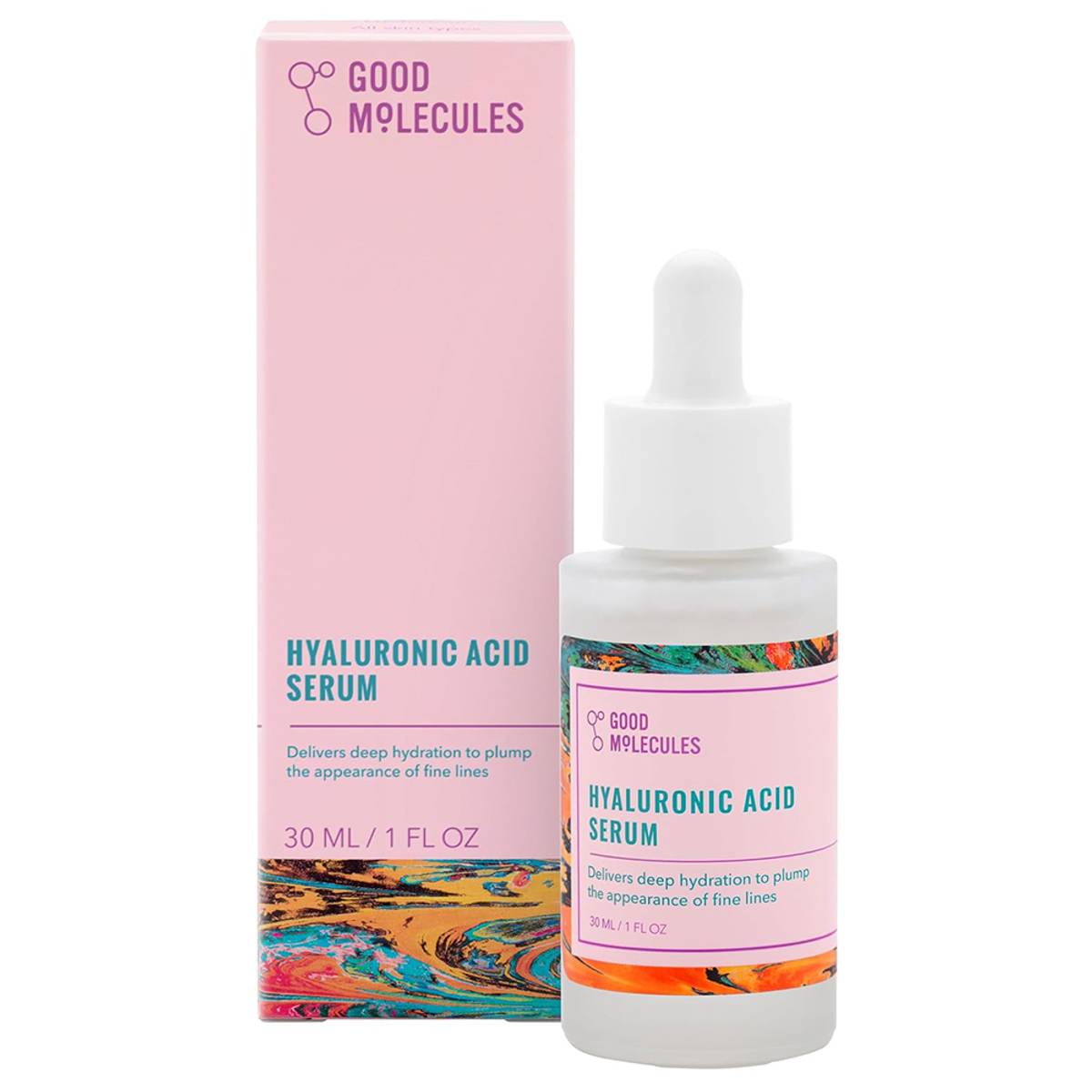
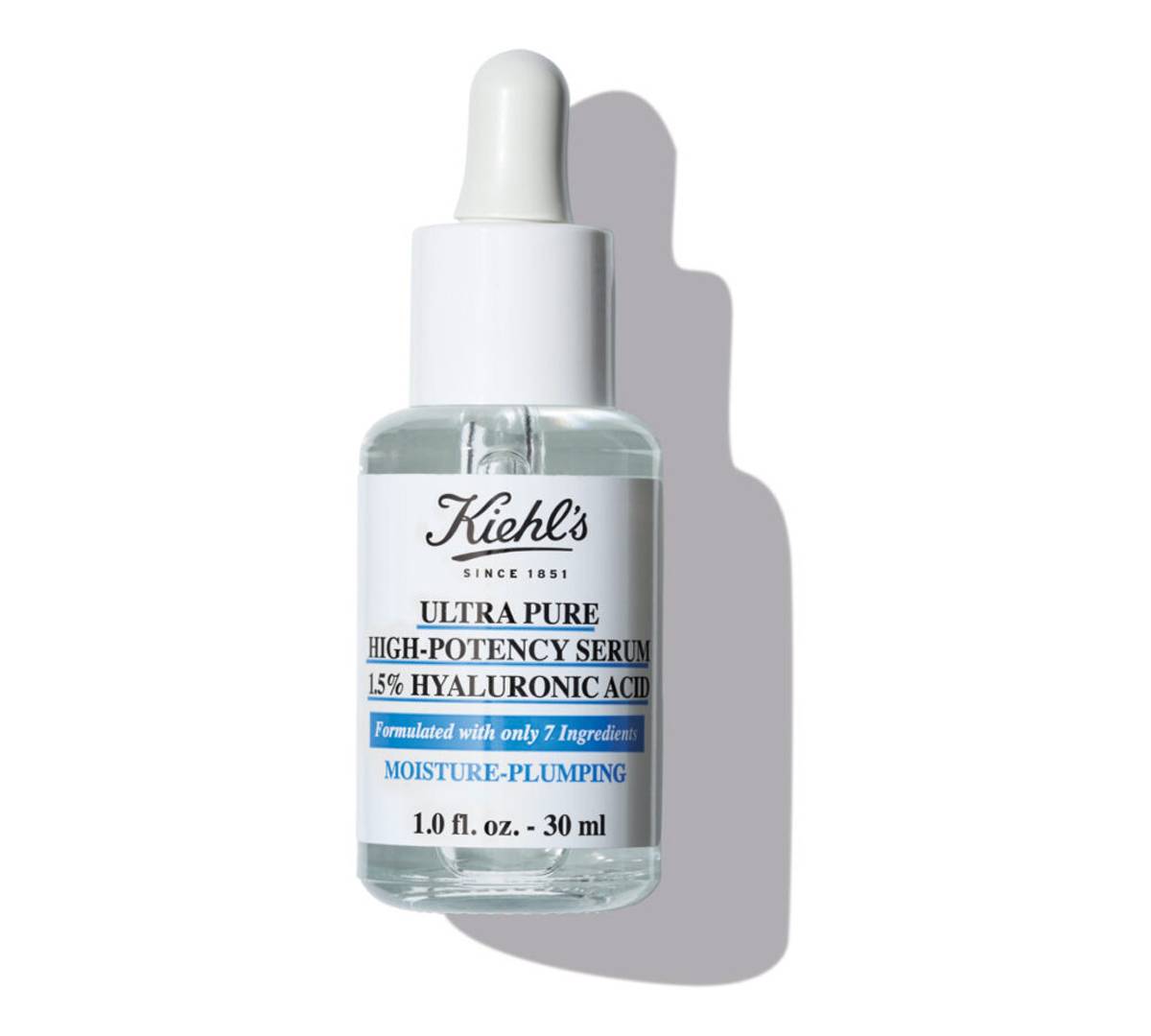
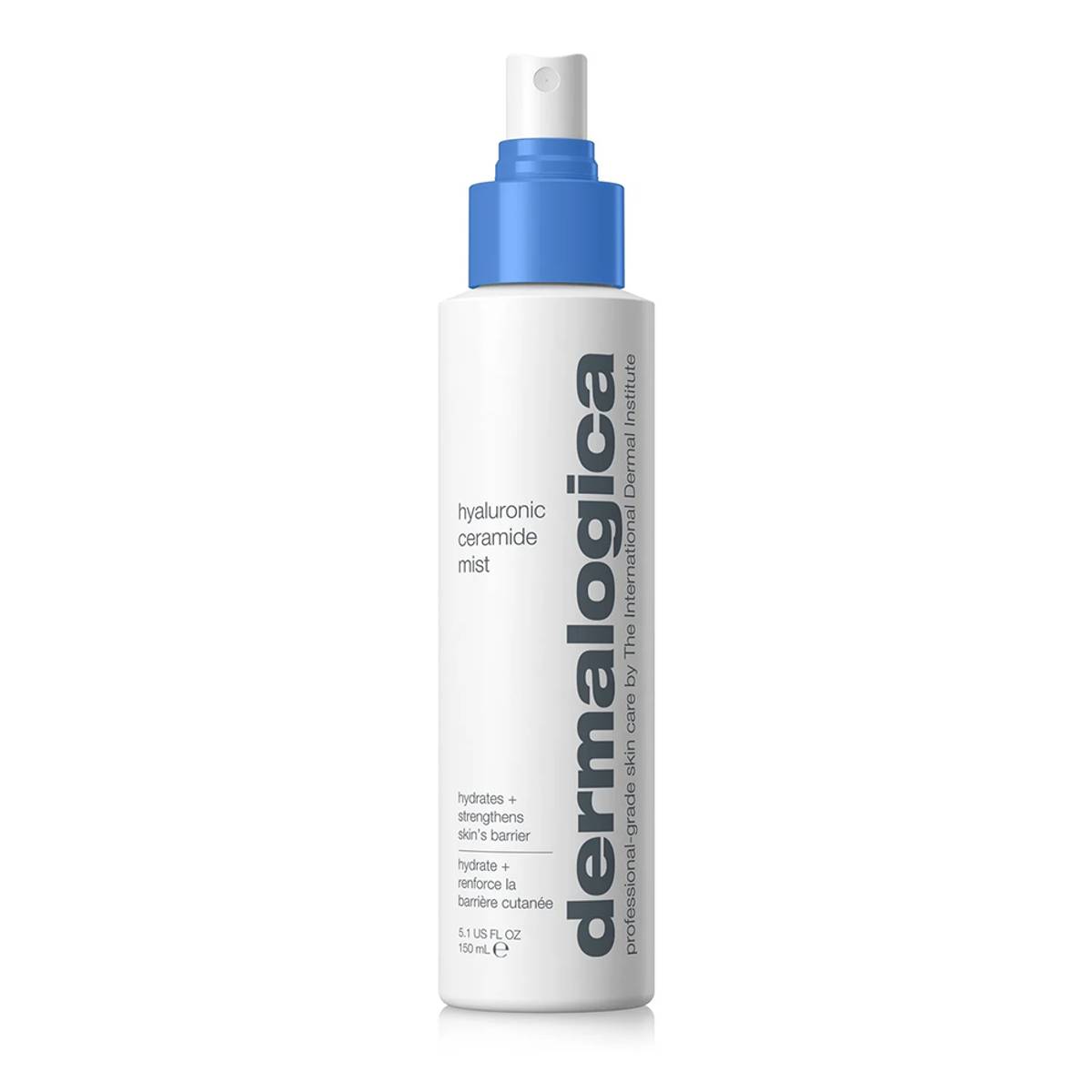
Hyaluronic acid is a hydrating acid that occurs naturally in the skin. Dr. Tolpinrud says hyaluronic acid can “hold up to 1,000 times its weight in water,” thereby moisturizing and visibly plumping the skin. Hyaluronic acid is often used in moisturizers and serums and is generally suitable for all skin types.
Dermatologist recommended products: Good Molecules Hyaluronic Acid Serum ($6), Kiehl's Ultra Pure High-Potency 1.5% Hyaluronic Acid Serum ($35), Dermalogica Hyaluronic Ceramide Mist ($48)
Ascorbic Acid (Vitamin C)
Best for: All skin types
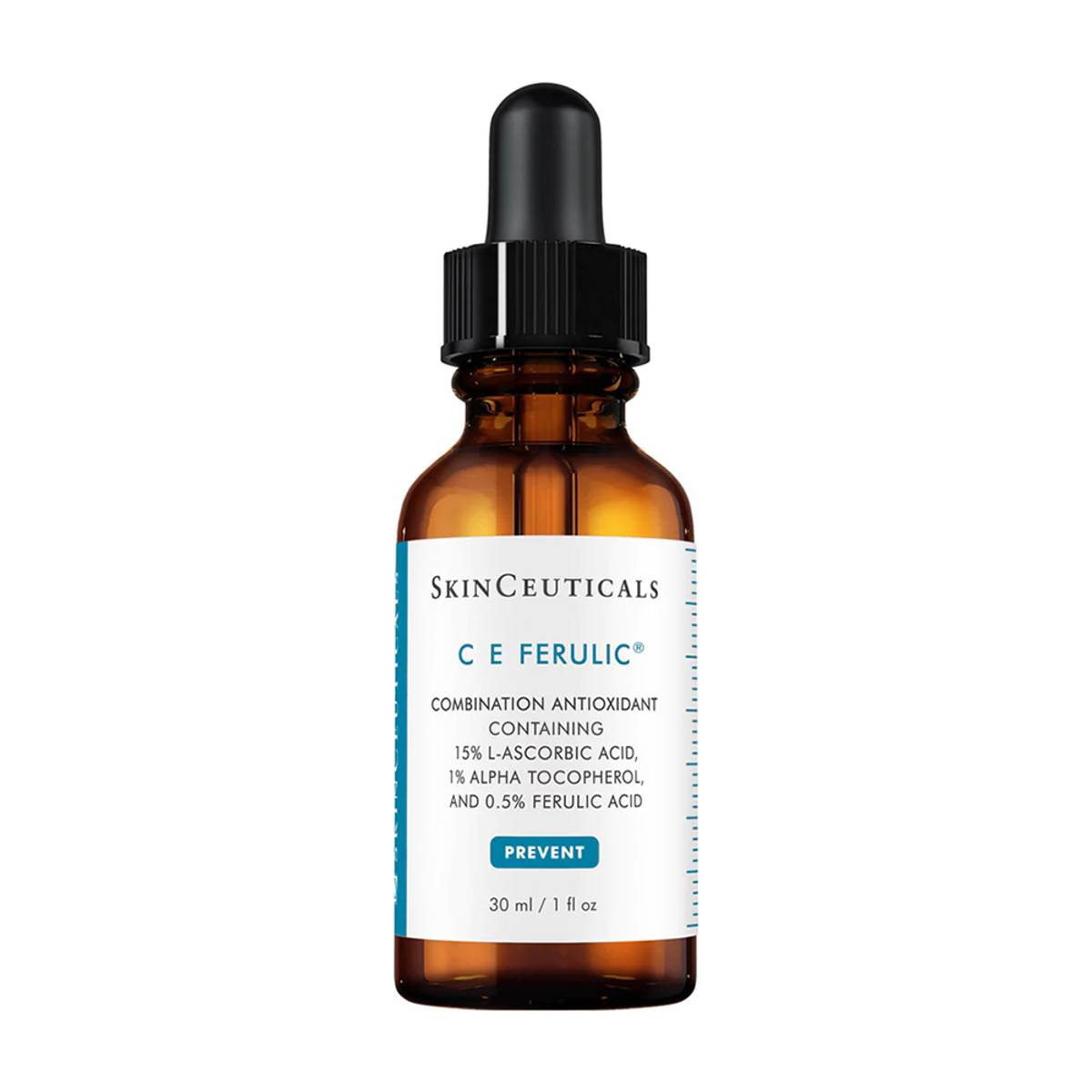
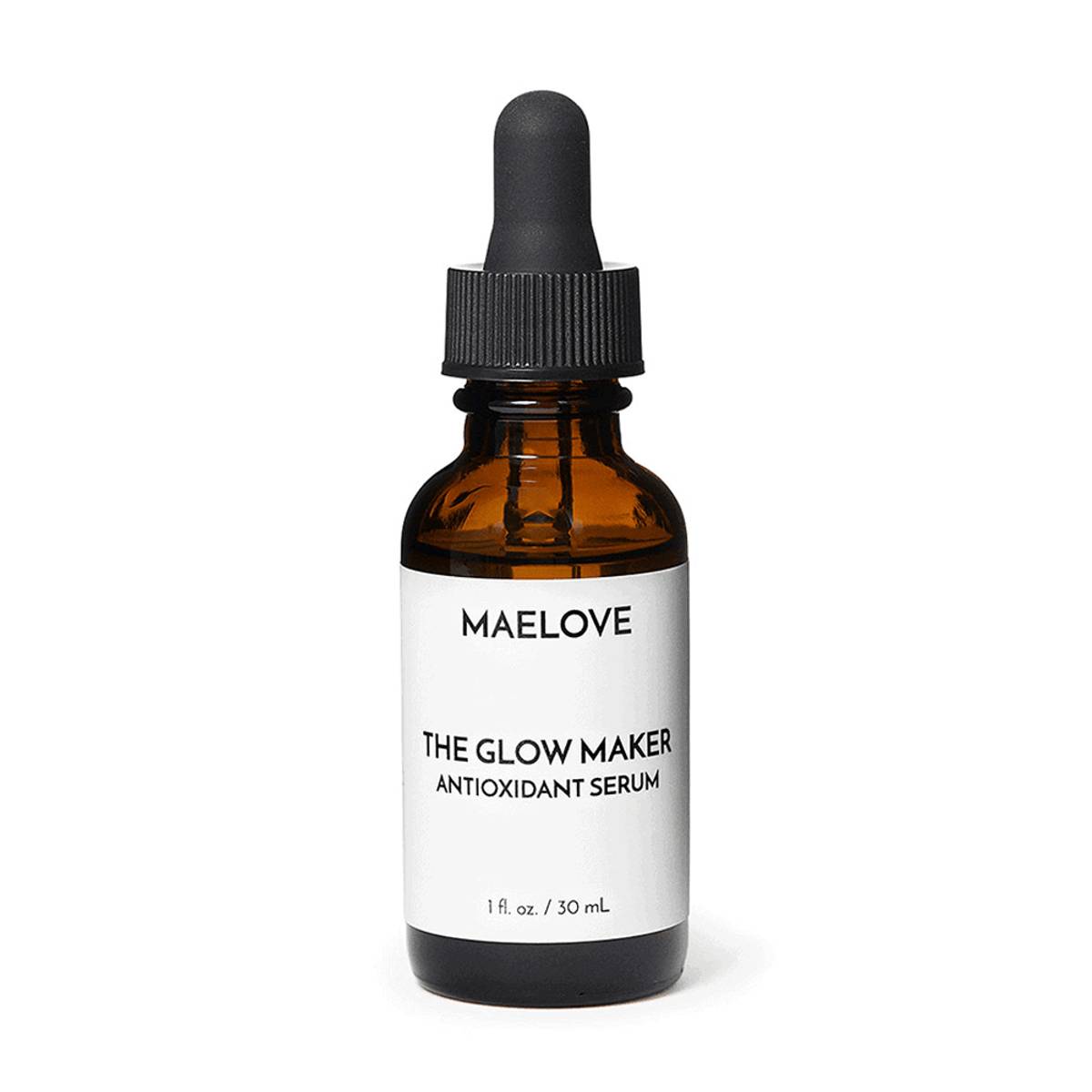
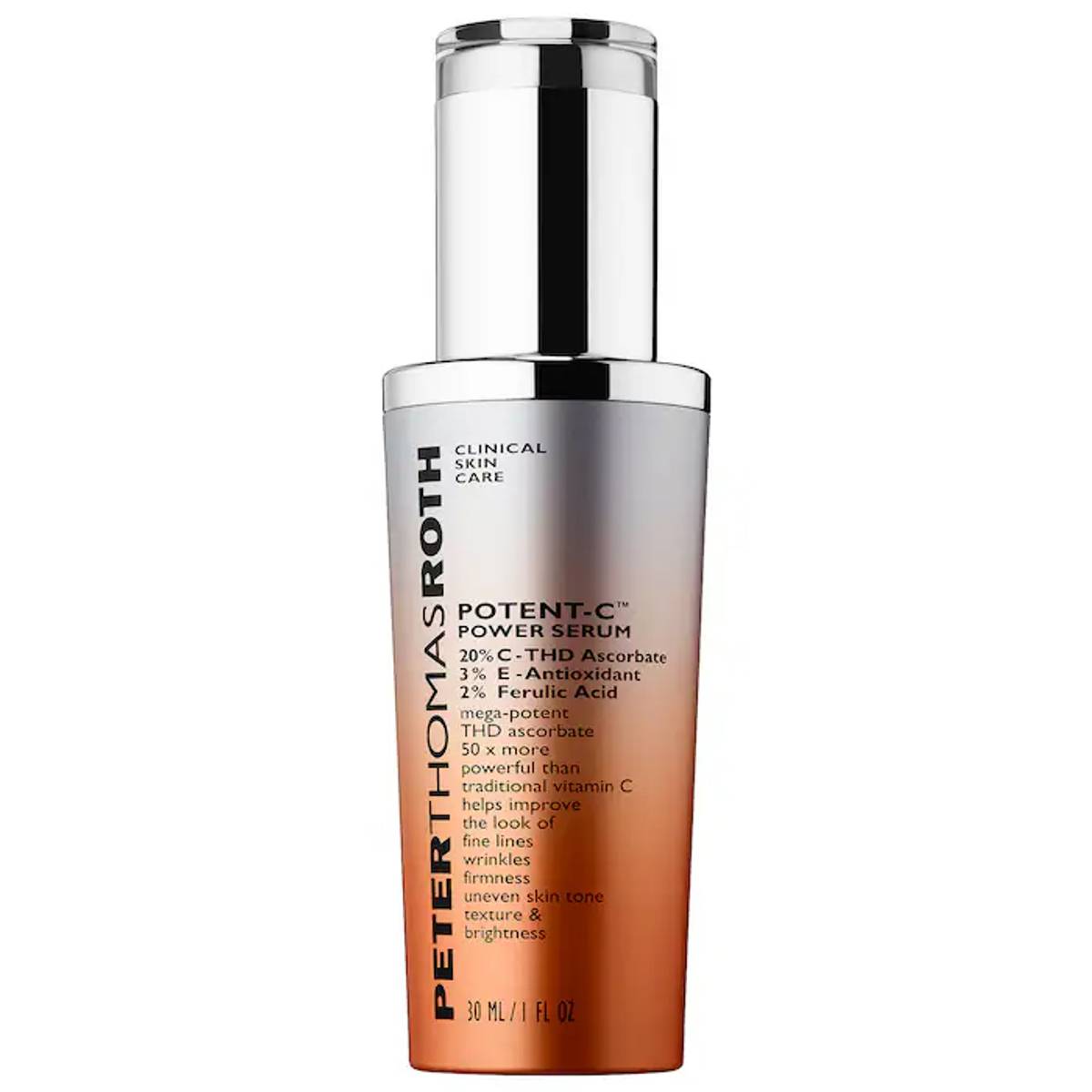
Both Dr. Hartman and Dr. Tolpinrud explain that ascorbic acid, known as vitamin C, is a powerful antioxidant that helps protect the skin and has brightening properties to even out skin tone. Dr. Hartman explains that vitamin C is “the most effective in a skin-care routine,” and all skin types can use this acid. He also advises to start out slowly with vitamin C if you haven’t used it before, as it can feel “a bit irritating to skin” if used too frequently.
Dermatologist recommended products: SkinCeuticals CE Ferulic ($182), Maelove Glow Maker ($33), Peter Thomas Roth Potent C Serum ($105)
Azelaic Acid
Best for: All skin types
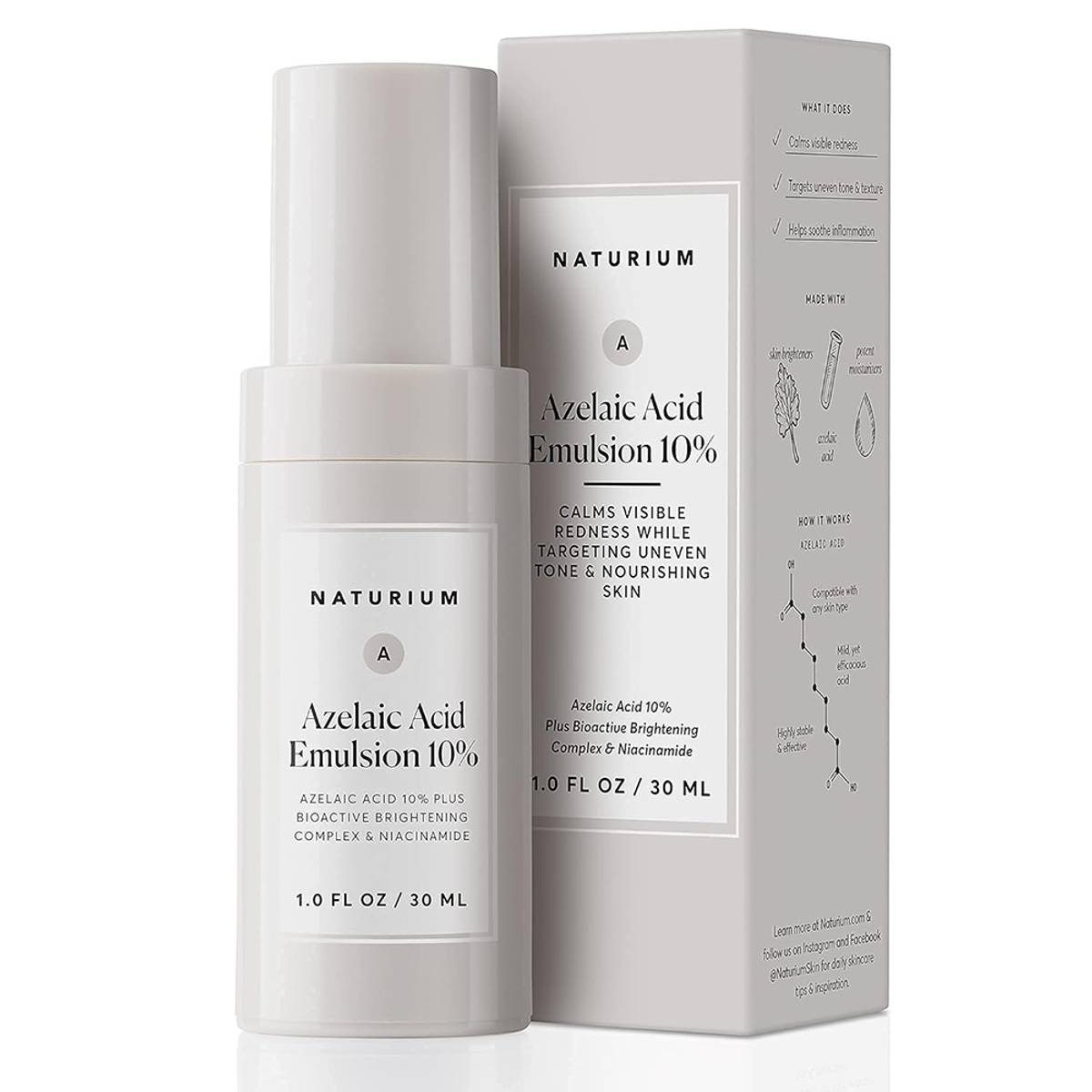
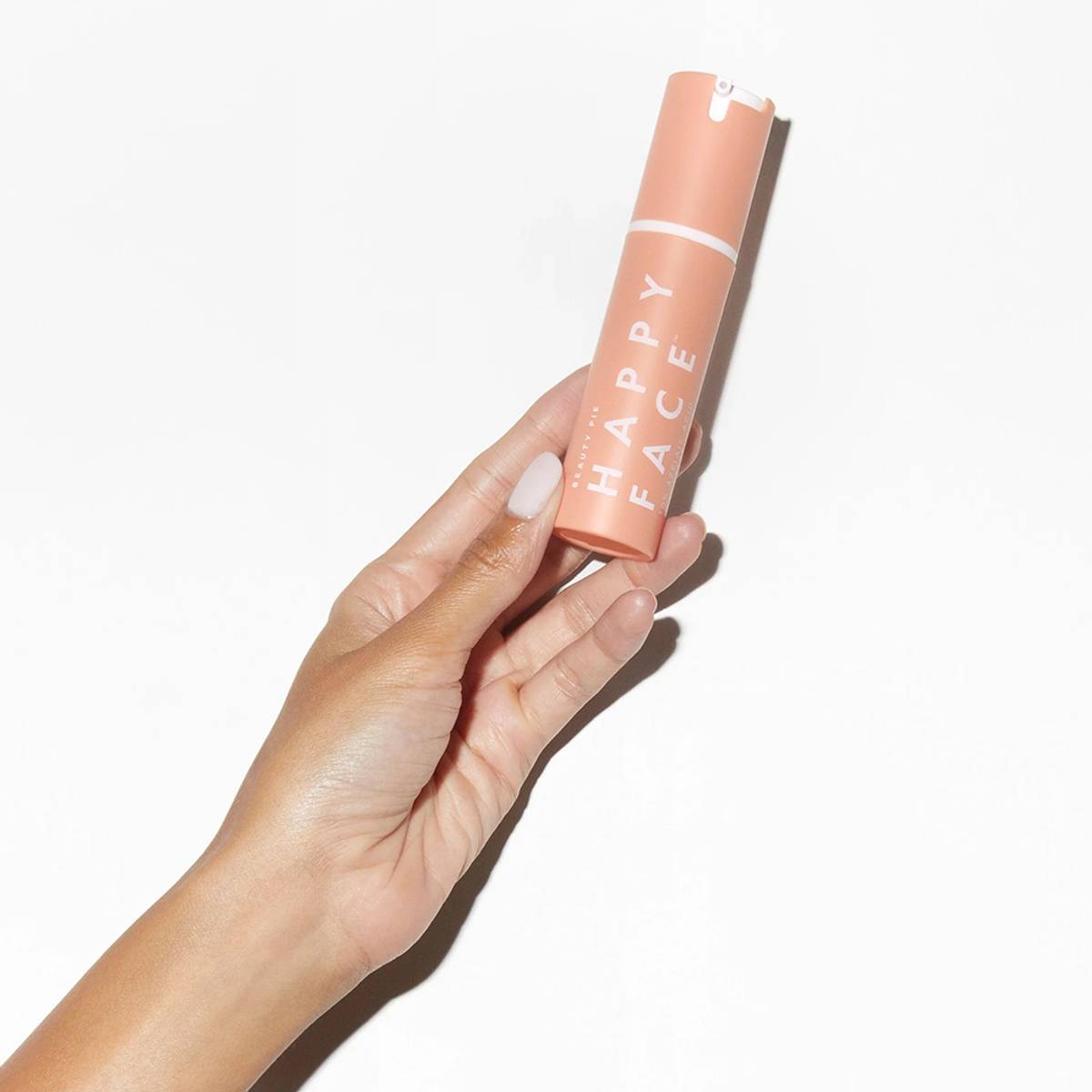
Azelaic acid is an acid that “has anti-inflammatory and antimicrobial properties” to treat acne, rosacea and hyperpigmentation, says Dr. Tolpinrud. It also improves skin tone, is well-tolerated and is suitable for different skin types.
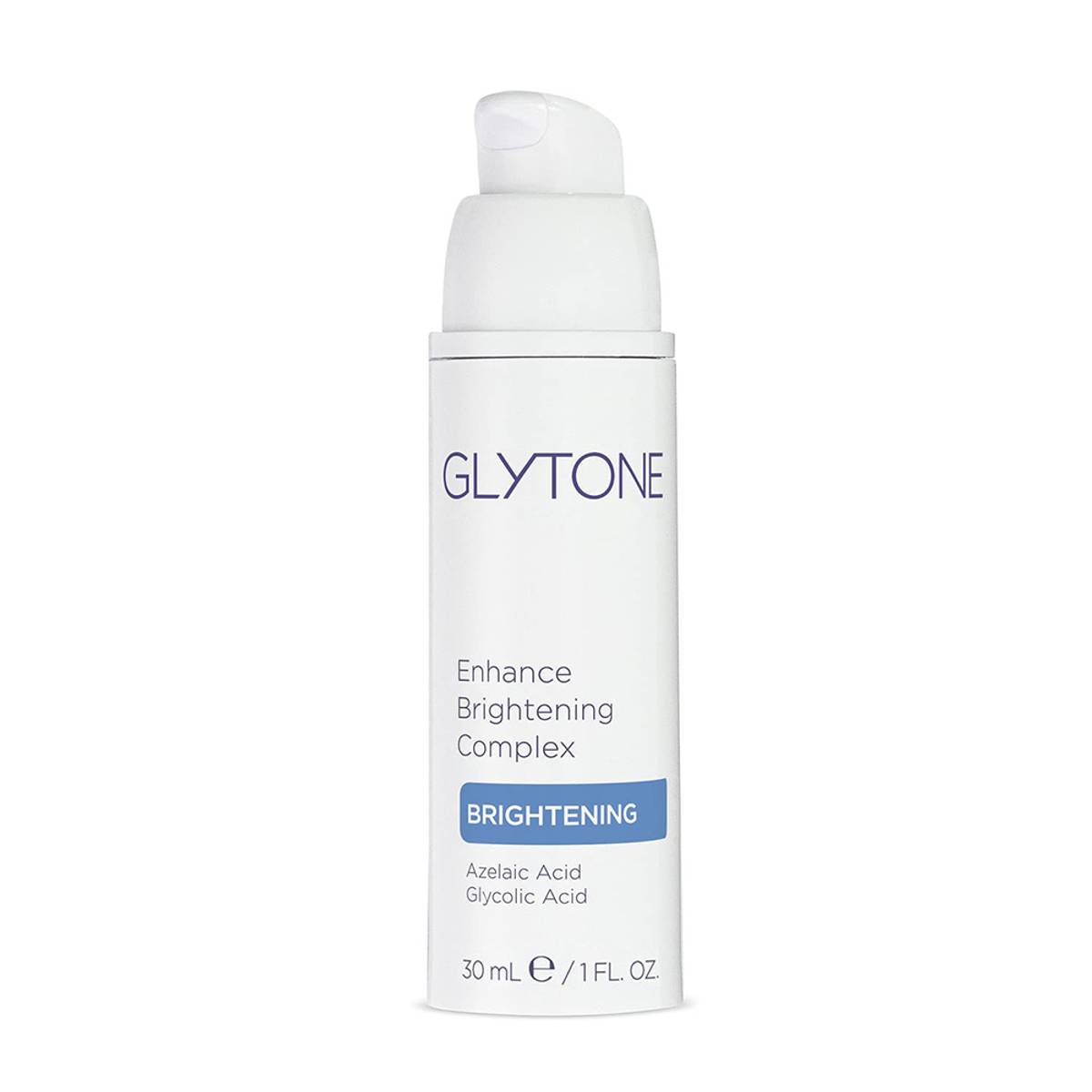
Dermatologist recommended products: Naturium Azelaic Acid Emulsion 10% ($22), Beauty Pie Happy Face 10% Azelaic Acid Skin-Clearing Gel-Cream ($28), Glytone Enhance Brightening Complex ($82)
Retinoic Acid (Tretinoin)
Best for: Normal and sensitive skin
Retinoic acid helps stimulate collagen production, reduce the appearance of wrinkles and improve skin texture. Known as a form of vitamin A, Dr. Tolpinrud explains that this acid has anti-aging benefits. You can get a tretinoin prescription from a dermatologist. She also recommends that you use tretinoin slowly because it can cause skin irritation, especially for people with sensitive skin.
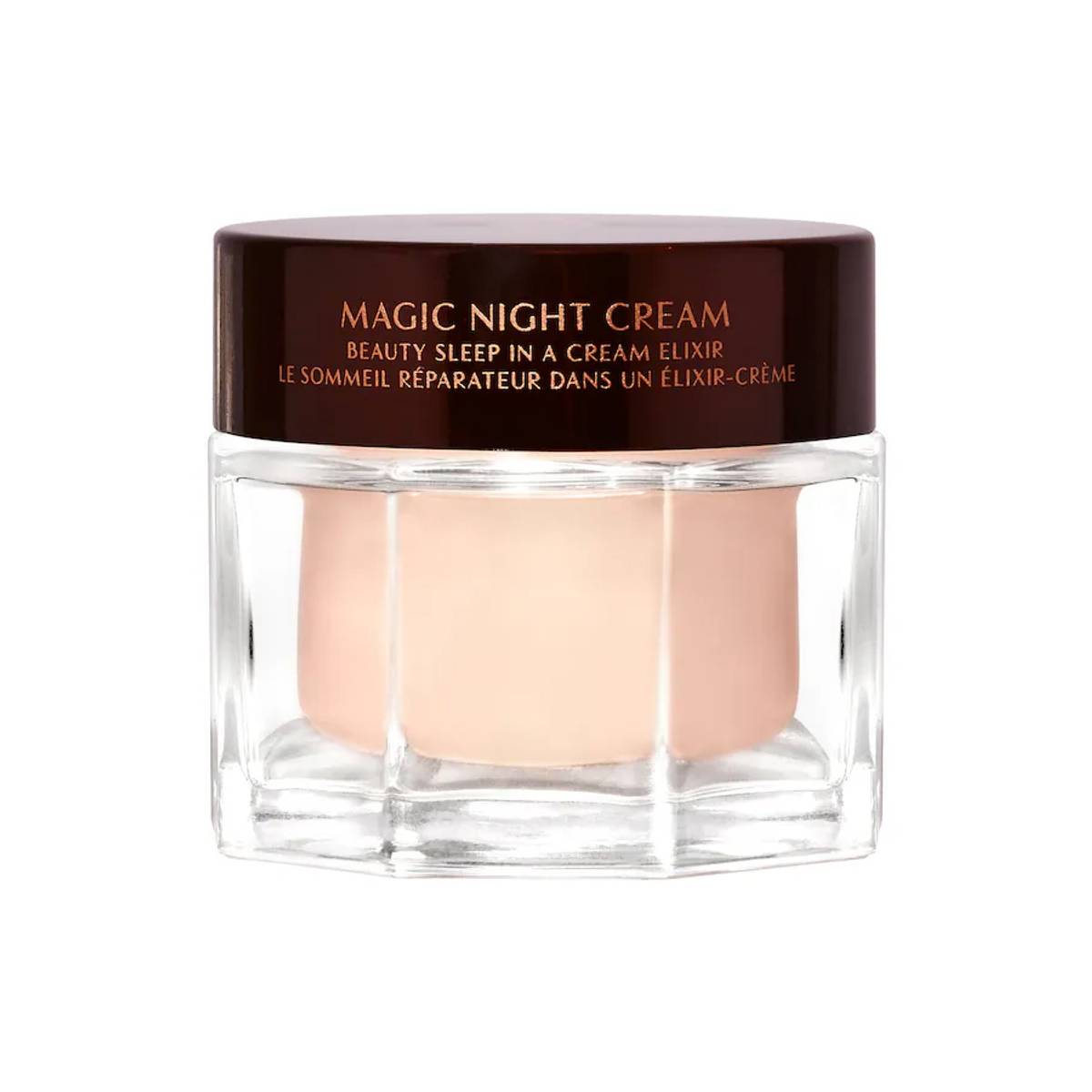
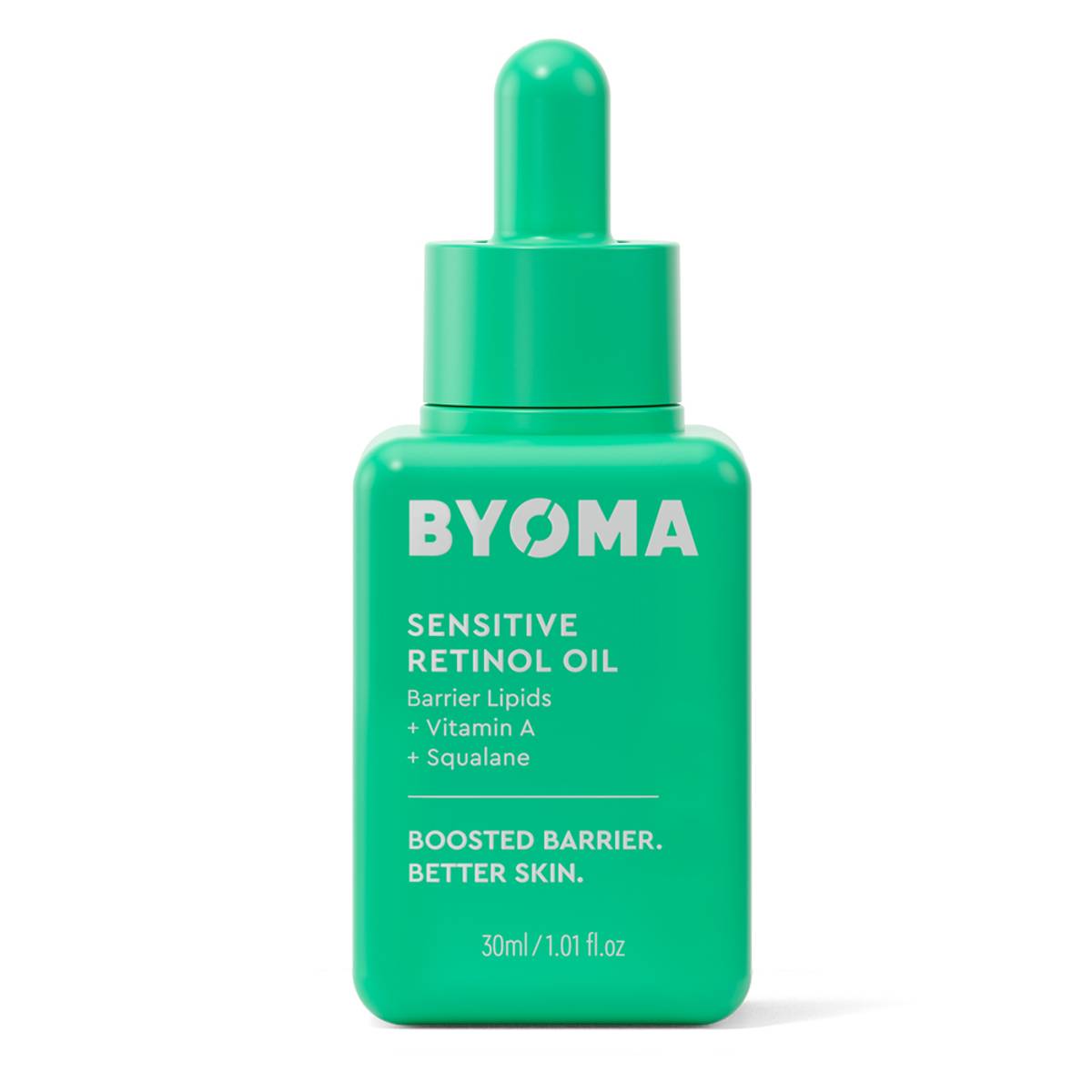
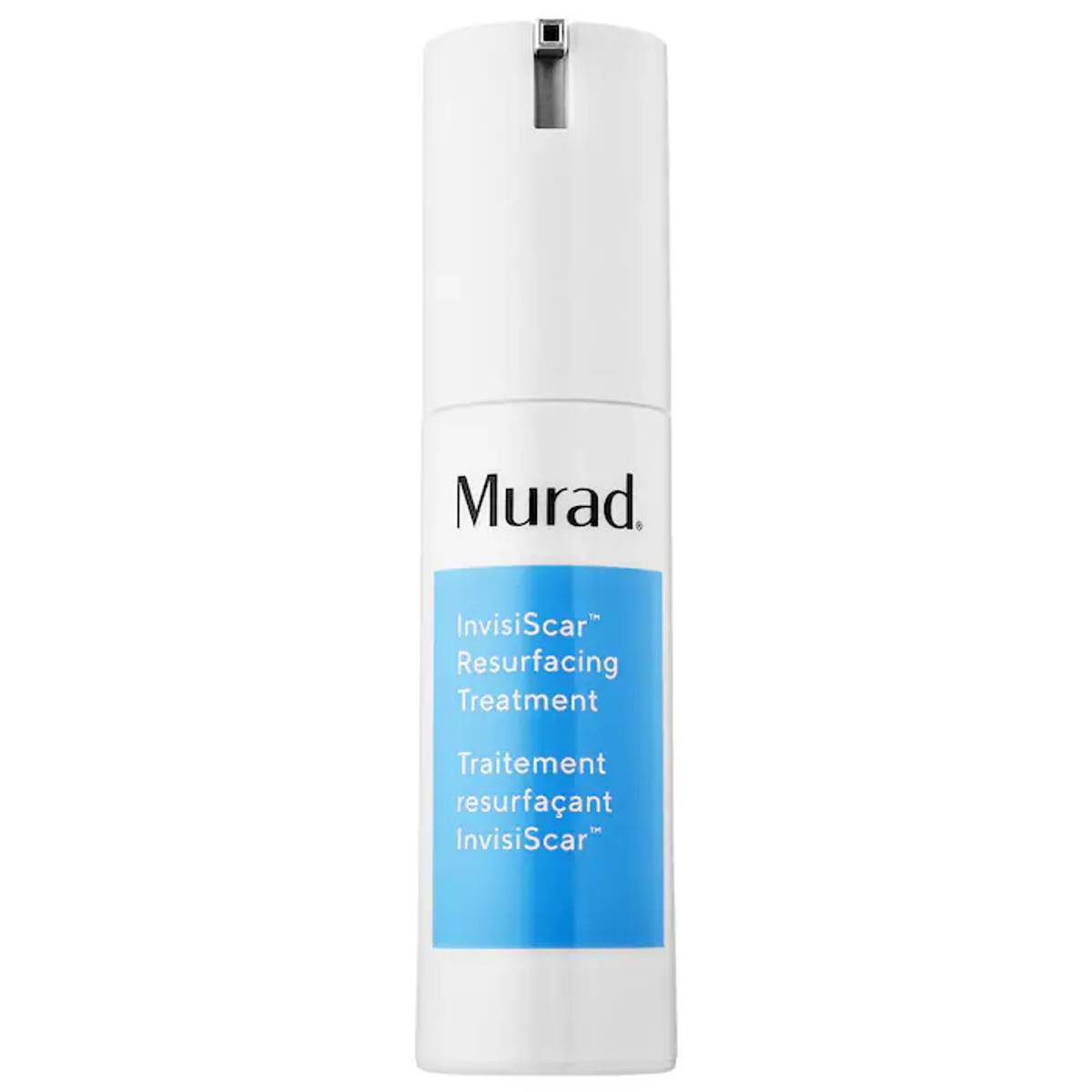
Dermatologist recommended products: Charlotte Tilbury Refillable Magic Night Moisturizer ($145), BYOMA Reviving Retinol Face Oil ($18), Murad InvisiScar Resurfacing Treatment ($39)
Kojic Acid
Best for: All skin types, especially dealing with hyperpigmentation and dark spots
Dr. Tolpinrud explains that kojic acid is a natural metabolite derived from fungi, and it inhibits tyrosinase, an enzyme involved in melanin production and “helps to lighten hyperpigmentation.” Kojic acid is often used in combination with other acids for increased efficacy, fading dark spots and hyperpigmentation.
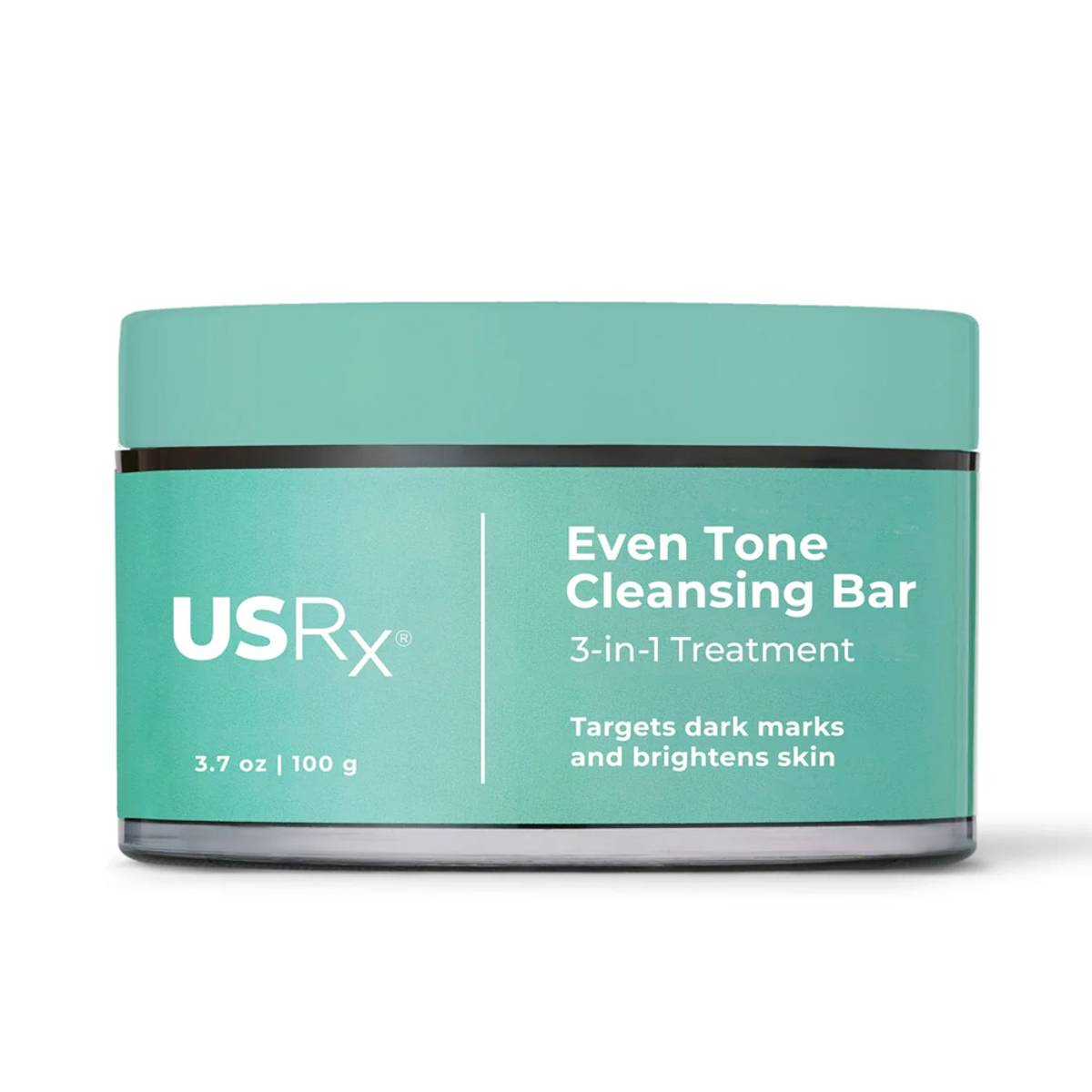
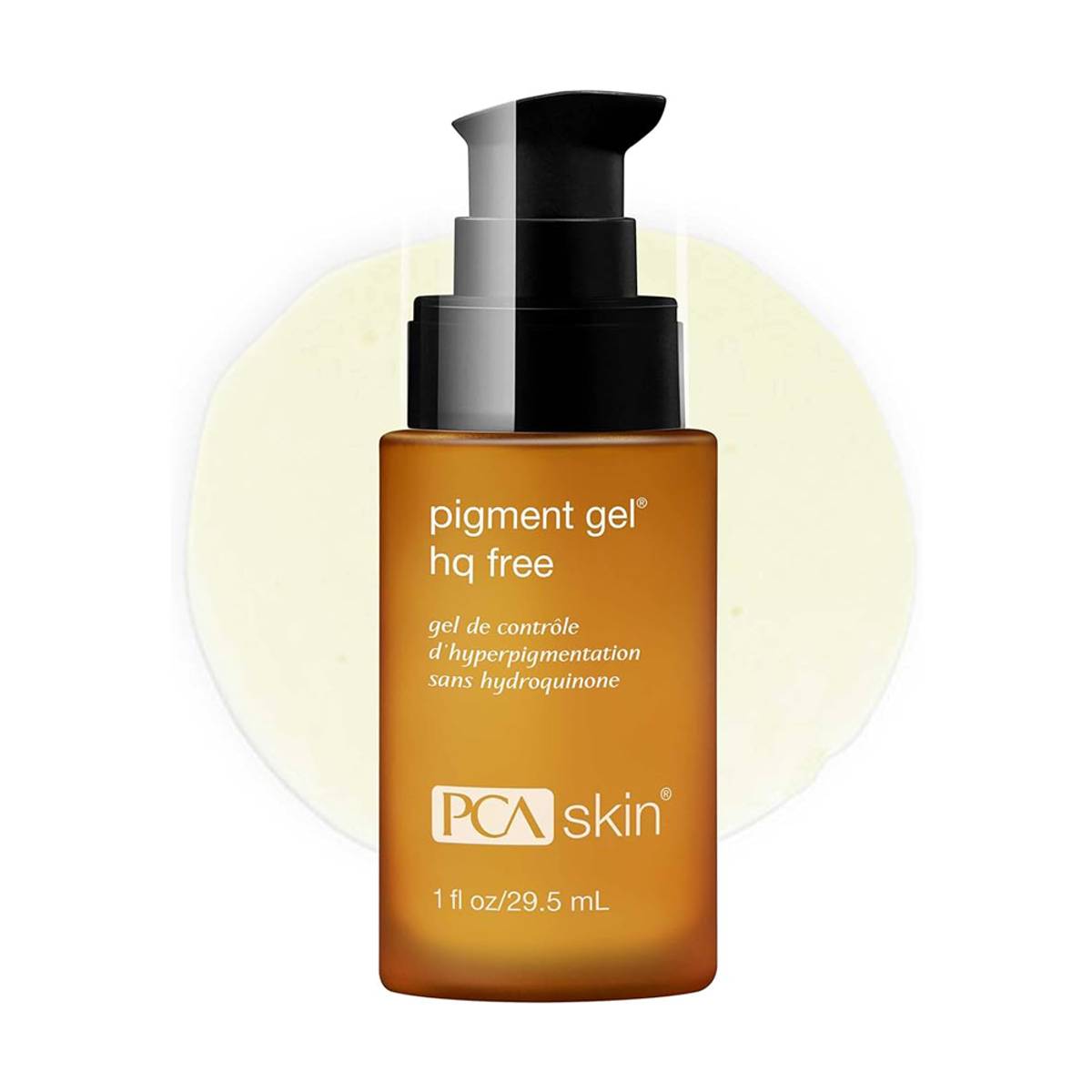
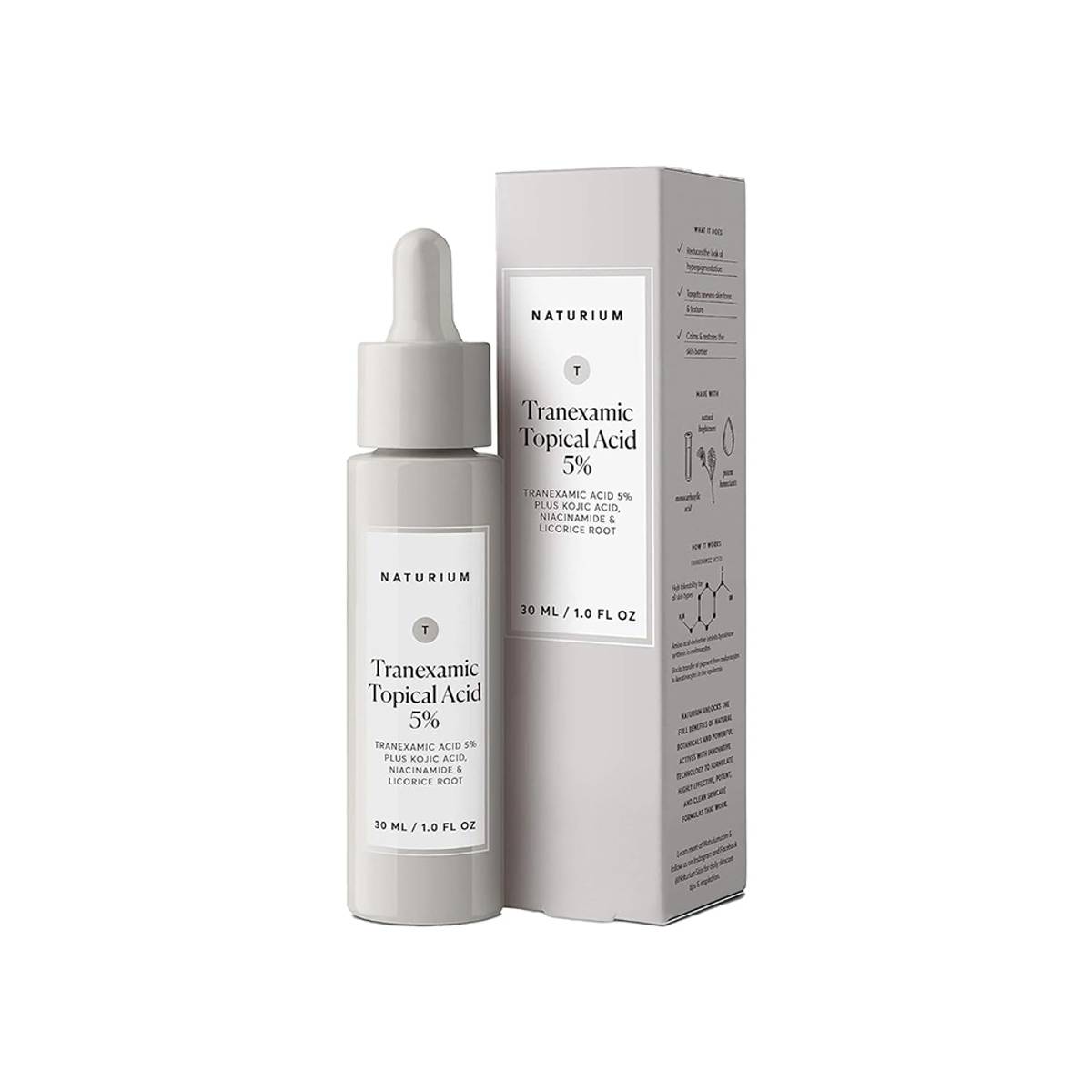
Dermatologist recommended products: Urban Skin Rx Even Tone Cleansing Bar ($25), PCA SKIN Hydroquinone-Free Pigment Gel Dark Spot Corrector ($90), Naturium Tranexamic Topical Acid 5% ($20)
Tranexamic Acid
Best for: All skin types, especially for melasma, hyperpigmentation and discoloration
Tranexamic acid, known as TXA, is an ingredient that, according to Medina, OH dermatologist Helen M. Torok, MD works to “even out pigmentation, reduce inflammation and fight breakouts.” Both Dr. Torok and Dr. Tolpinrud say this acid works for all skin types and is well-tolerated.
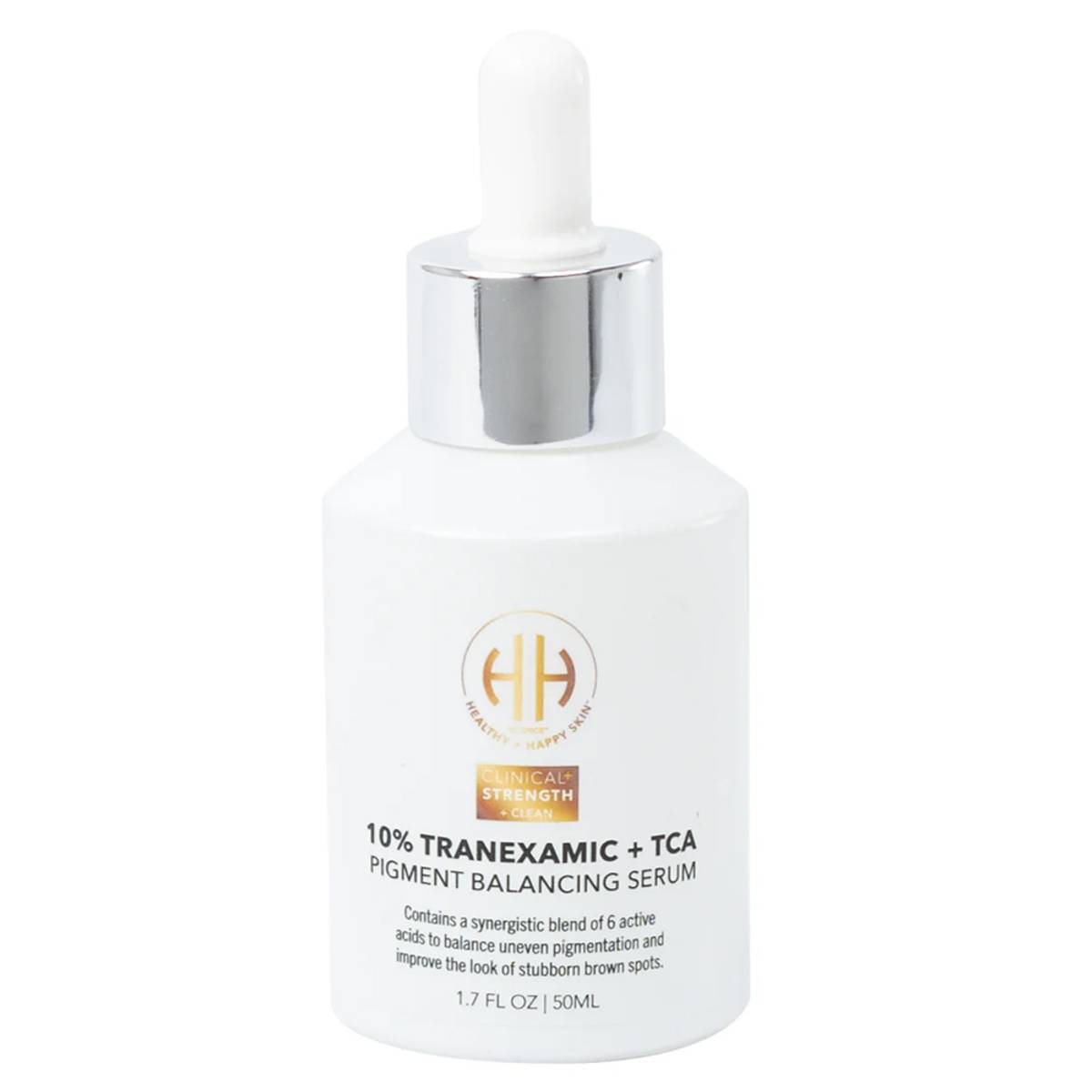
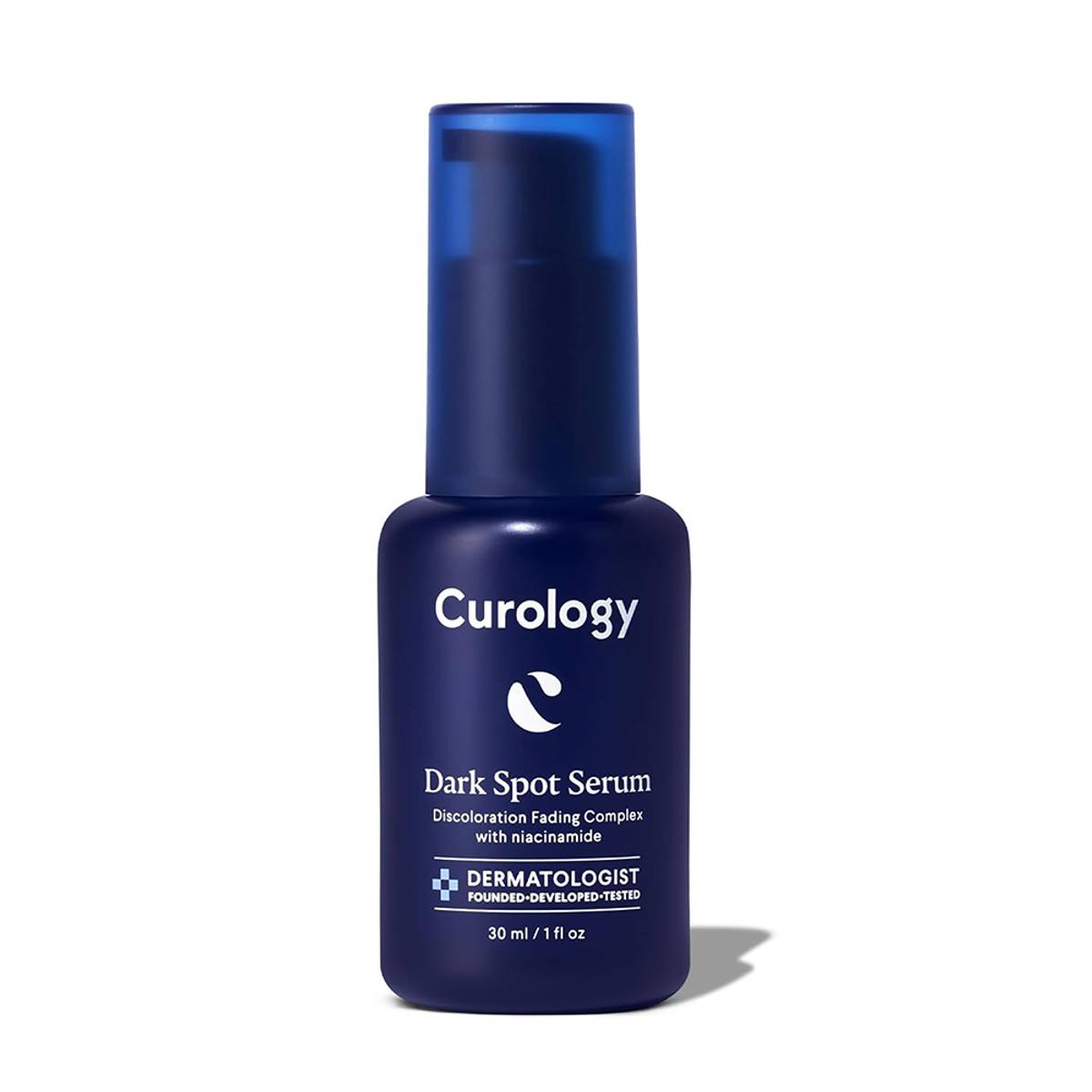
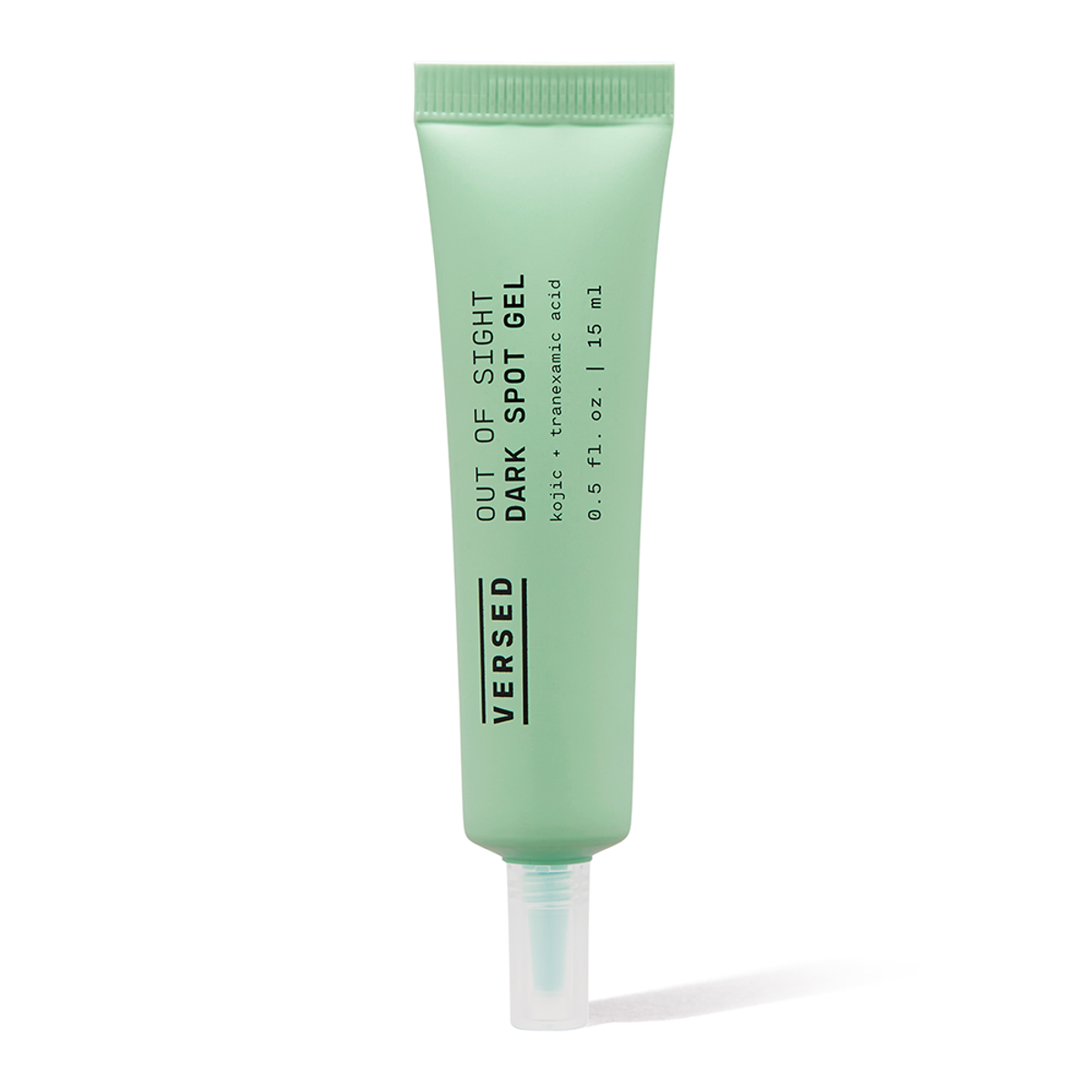
Dermatologist recommended products: HH Science 10% Tranexamic + TCA Pigment Balancing Serum ($149), Curology Dark Spot Serum ($23), Versed Skincare Out Of Sight CI Dark Spot Facial Gel ($15)
Glycolic Acid
Best for: All skin types, including hyperpigmentation
Glycolic Acid is an AHA that has exfoliating and brightening benefits for the skin, according to Dr. Tolpinrud. Dr. Torok says you can use glycolic acid daily as it's “the most gentle” acid and can be used by all skin types.
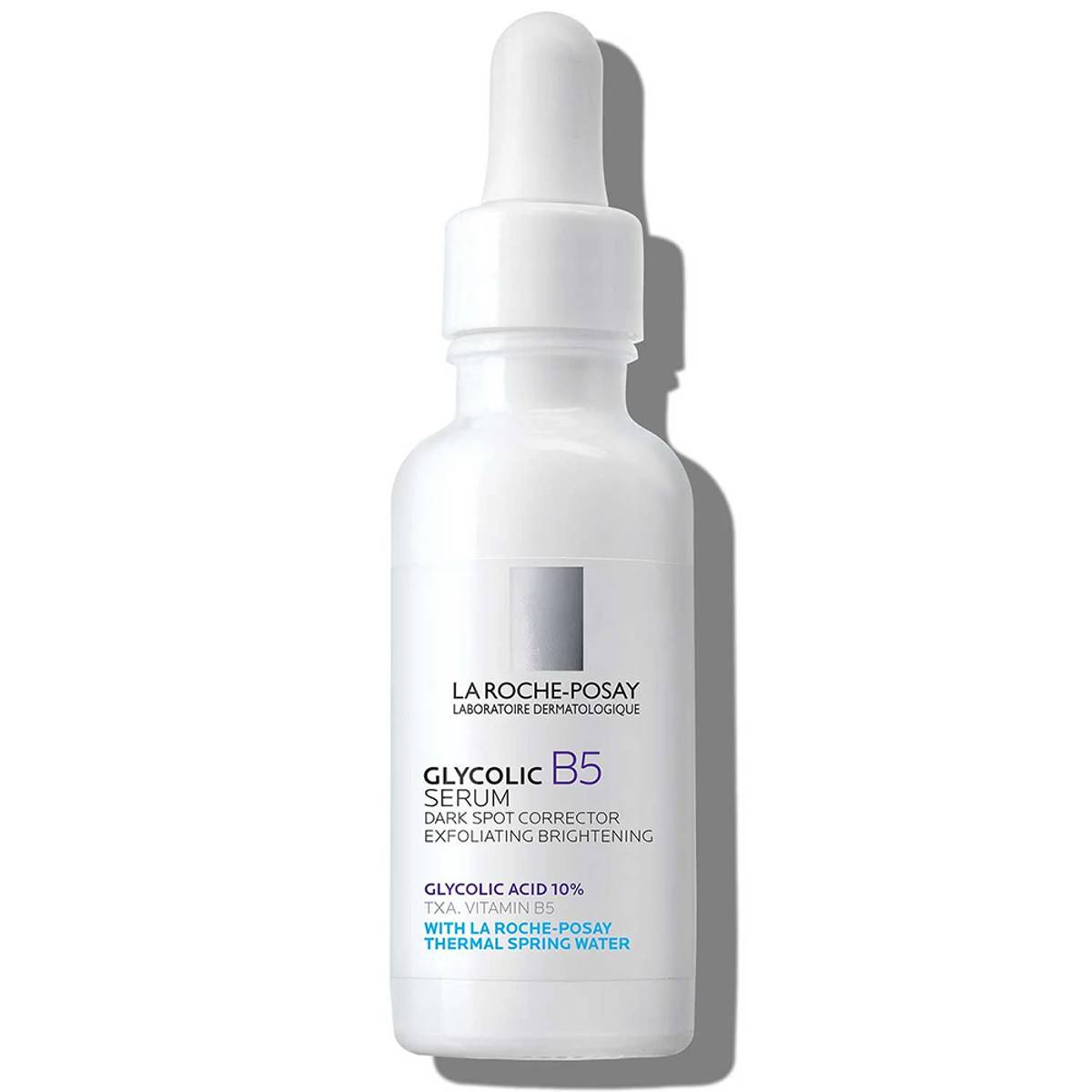
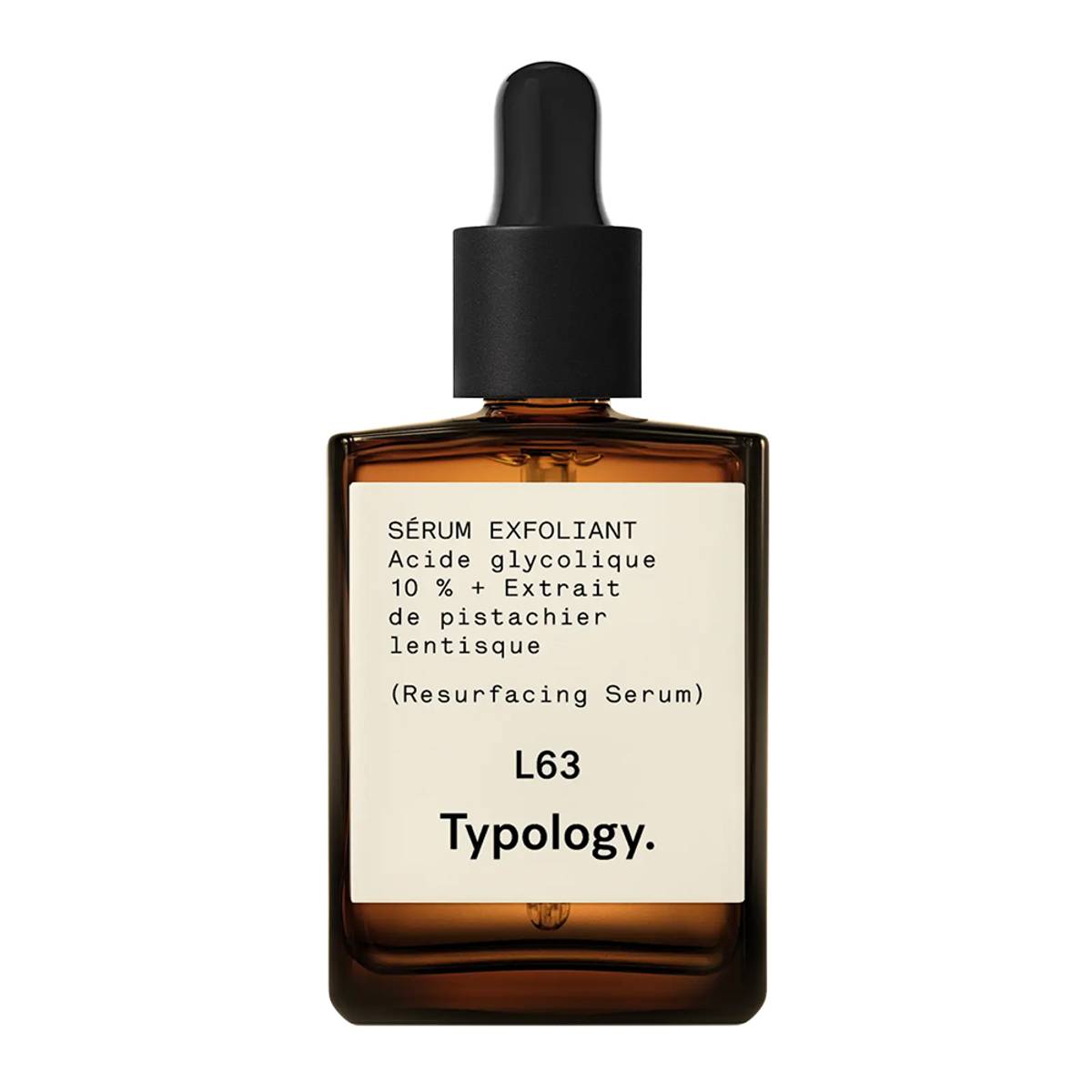
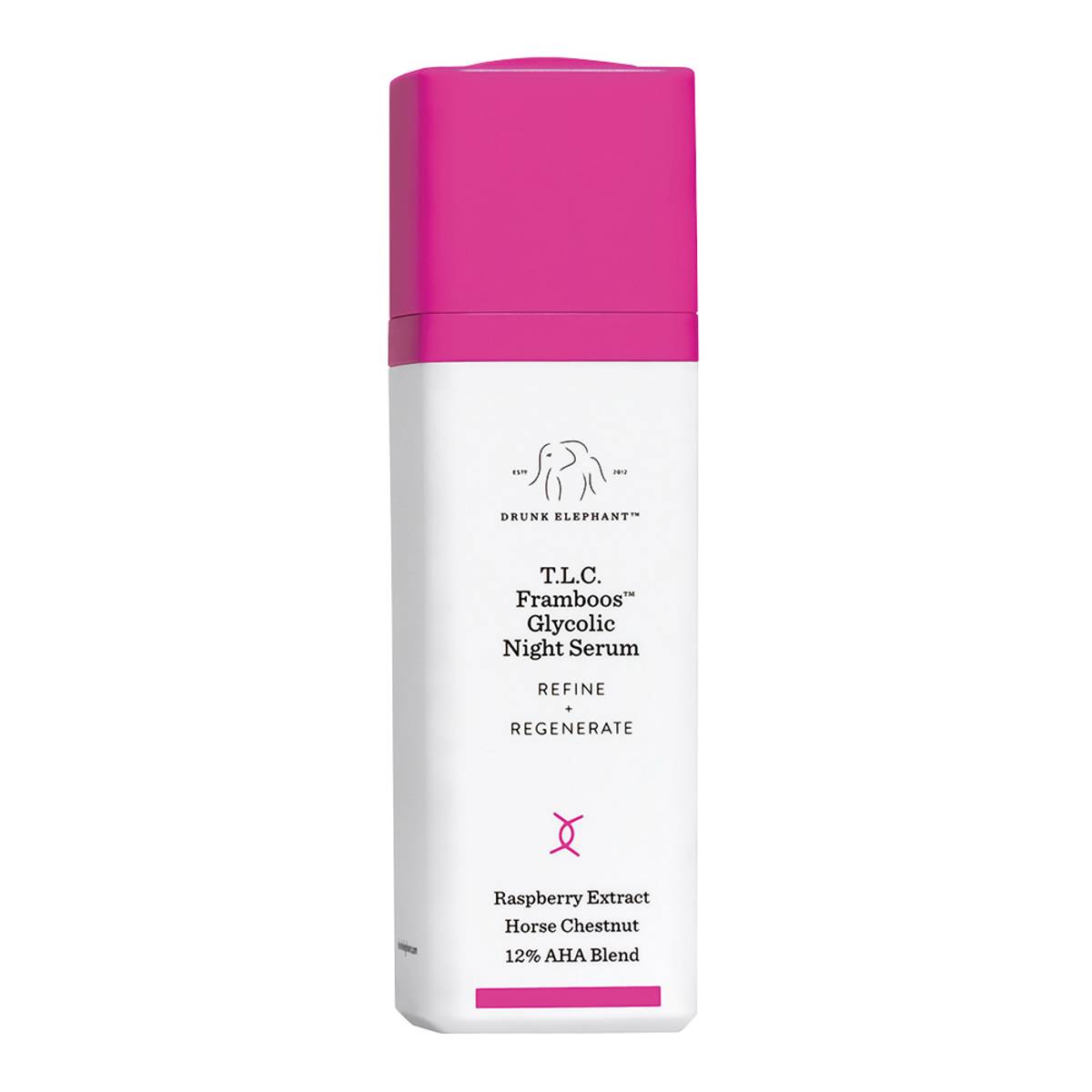
Dermatologist recommended products: La Roche-Posay Glycolic B5 Dark Spot Corrector ($45), Typology Exfoliating Serum ($40), Drunk Elephant T.L.C. Framboos Glycolic Resurfacing Night Serum ($90)