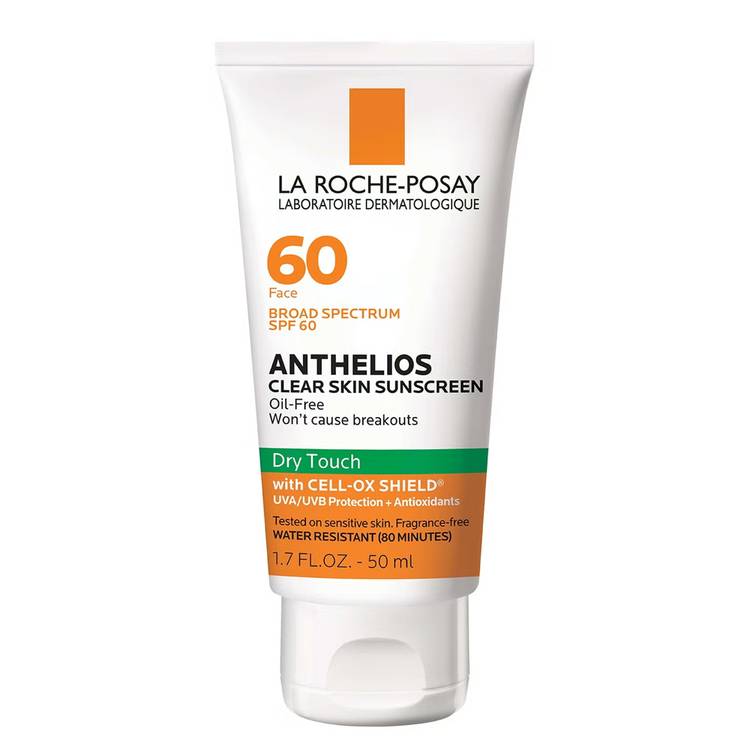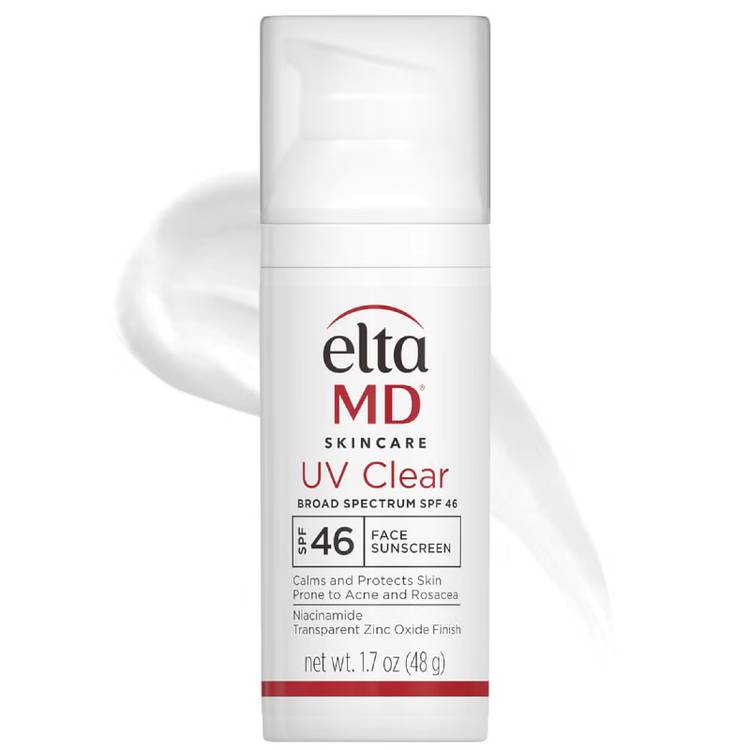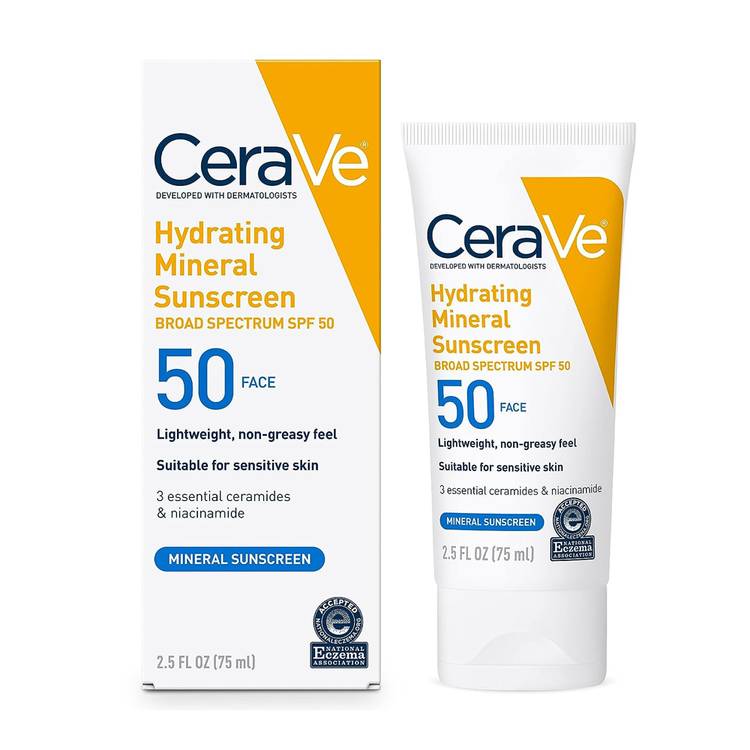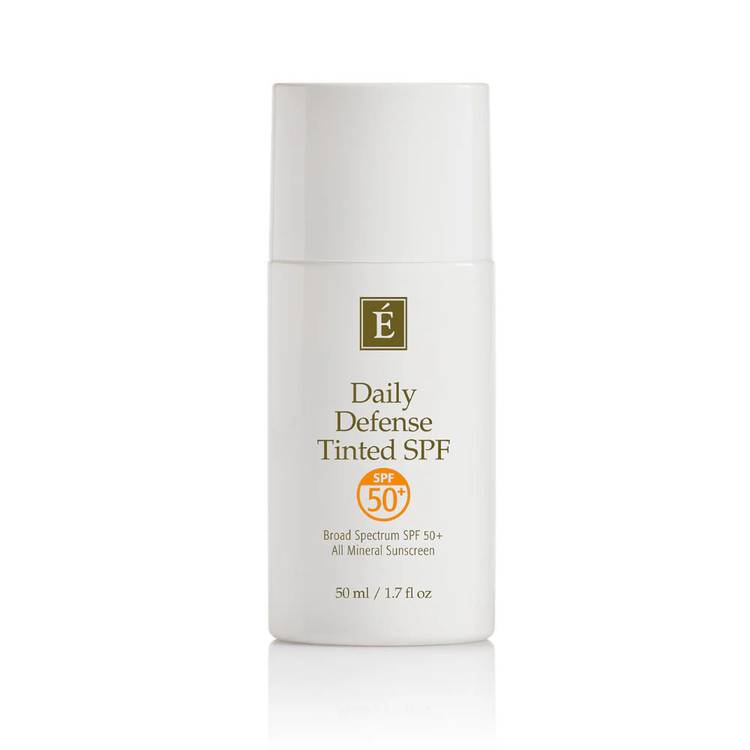
Not all sunscreens are created equal. As you likely already know, the American Academy of Dermatology recommends using a broad-spectrum, water-resistant sunscreen with an SPF of 30 or higher for adequate sun protection. And, of course, reapplication is a must.
However, if you have acne-prone skin, wearing sunscreen can sometimes feel like a one-way ticket to breakout city. Some people experience clogged pores and additional pimples when using certain formulas, which can turn them off from wearing it altogether. Even though sunscreen has developed a reputation for causing breakouts, the issue is often using the wrong formula for your skin type. Choosing one formulated for acne-prone skin takes this into account and is less likely to trigger those pesky breakouts.
So, back to the original point: Not all sunscreens are created equal. Some are specifically designed for acne-prone skin, avoiding potentially pore-clogging ingredients and incorporating soothing ones instead. Ahead, everything you need to know about what makes a sunscreen acne-safe, plus product recommendations you can shop with confidence.
Acne-Safe Sunscreen Ingredients
When purchasing a sunscreen, there are several choices. In terms of UV filters, you can opt for mineral (like zinc oxide or titanium dioxide) or chemical (like avobenzone, octisalate and more). Then there’s the formula itself—gel-based textures, liquid fluids and beyond. For acne-prone skin, “Gel-based, fluid or mineral sunscreens tend to work best because they don’t clog pores or feel heavy on the skin,” says Miami dermatologist Anna Chacon, MD. Choosing these formats can help minimize the risk of breakouts.
In general, “Both mineral filters, like zinc oxide and titanium dioxide, as well as certain chemical filters, are safe,” she says. While she often recommends mineral formulas, the most important thing is choosing a sunscreen you enjoy and will use every day. For sensitive and acne-prone skin, “Mineral sunscreens are especially gentle and often less irritating, which is helpful if you’re dealing with inflammation or sensitivity,” she adds. In other words, both types of filters can work, but mineral options may have an edge.
On top of that, many sunscreens are now formulated with skin-care ingredients that support the skin while protecting it from the sun. “I also look for added ingredients that calm the skin, like niacinamide or antioxidants such as vitamin E, which help protect the skin without aggravating acne,” says Dr. Chacon. These additions only enhance your sunscreen’s benefits.
No matter which UV filter or format you choose, when it comes to acne-prone skin, Dr. Chacon recommends “lightweight, oil-free and non-comedogenic formulas.”
Does Zinc Oxide Cause Breakouts?
A common question among sunscreen users—especially those with acne-prone or oily skin—is whether zinc oxide causes breakouts. In short, the answer is no. “In my experience, zinc oxide is very safe for acne-prone skin,” says Dr. Chacon. The reason it’s safe is that it’s “non-comedogenic, anti-inflammatory and provides broad-spectrum protection,” she adds.
However, if a zinc oxide-based sunscreen is causing pimples or breakouts, the issue is likely the formulation rather than the ingredient itself. “The only time it might feel heavy is if it’s in a thick formulation, but in most sunscreens designed for the face, it does not cause breakouts,” Dr. Chacon explains.
Ingredients That Are Not Acne-Safe
Now that you know what makes a sunscreen acne-safe, here’s what to avoid. When you’re looking for a lightweight, non-comedogenic sunscreen for acne, certain ingredients are best skipped. Skip “heavy oils like coconut oil or cocoa butter, which can clog pores,” says Dr. Chacon. You’ll also want to avoid “fragrances or denatured alcohol, which can irritate sensitive skin,” she adds.
While a sunscreen may be labeled fragrance-free, it could still contain fragrance to create a neutral scent. To ensure it’s truly fragrance-free, check the ingredient list for terms like fragrance or parfum. Lastly, sunscreens with high concentrations of silicones aren’t acne-safe, as they “sometimes trap sebum and worsen breakouts,” Dr. Chacon says.
Acne-Safe Sunscreens to Buy