When you have eczema, finding something that stops the itch is only half the battle. Keeping it from coming back is often the bigger challenge. For decades, topical steroids have been a go-to treatment for eczema flares. While effective, prolonged or inappropriate use can cause side effects like skin thinning, particularly on delicate areas like the eyelids and face. Some patients and parents also prefer to limit steroid use whenever possible. Fortunately, there are more options than ever, from once-daily prescription creams to a topical eczema treatment in ointment form approved for babies as young as 3 months.
Ahead, dermatologists break down how today’s steroid-free prescriptions work, who they’re approved for and how to choose the right one for your skin.
Featured Experts
- Kathryn Durham, MD, is a board-certified dermatologist in Fort Worth, TX
- Dr. Anna Karp is a board-certified dermatologist in New York
- Marina Peredo, MD, is a board-certified dermatologist in New York
Is It Eczema or Just Dry Skin?
If you’ve been slathering on moisturizer and still can’t stop scratching, something more than dry skin may be going on. “Eczema is actually an umbrella term for a whole group of inflammatory skin conditions,” explains New York dermatologist Dr. Anna Karp. “Atopic dermatitis is the specific type most people mean when they say eczema.” Because the two can look alike, a basic dry skin treatment like a thick moisturizer may soothe everyday dryness but often isn’t enough to calm true eczema.
While everyday dryness can result from cold weather, harsh soaps or overexfoliating, atopic dermatitis involves a combination of genetics, immune system activity, environmental triggers and a compromised skin barrier. The skin loses moisture and allows irritants and allergens to enter more easily. “That’s why it’s chronic and tends to come back in the exact same spot,” says Dr. Karp.
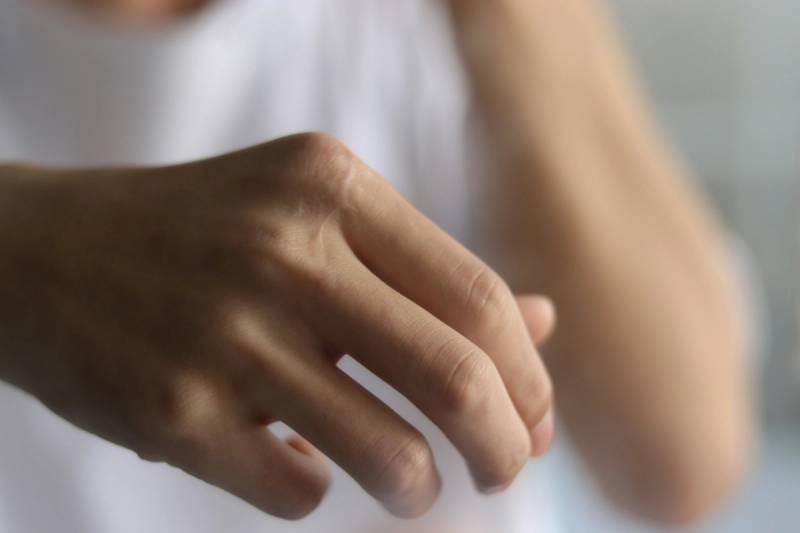
Common areas include the elbow creases, behind the knees, the wrists and the eyelids. One of the biggest clues is when the itching starts. “The itch actually comes before the rash. It wakes you up at night,” says Dr. Karp. A personal or family history of eczema, hay fever or allergies is another indicator, as are patches of skin that become thickened, cracked or begin to ooze rather than simply flake.
“If you’ve been moisturizing consistently for a couple of weeks and it’s still not improving, or it’s spreading, or it’s affecting your sleep, that’s when you need a dermatologist,” she adds.
Can You Treat Eczema Without Steroids?
In the past, oral and topical steroids were the mainstay of treatment, says Fort Worth, TX dermatologist Kathryn Durham, MD. Today there are many new atopic dermatitis treatment options. “There are new nonsteroidal anti-inflammatory creams that can be applied to the skin one to two times daily.”
Unlike moisturizers, these prescription treatments address the inflammation behind eczema symptoms. Some have been available for decades, while others have been approved within the last few years. Ahead, the steroid-free prescriptions worth knowing, from longtime staples to newly approved options
The Steroid-Free Eczema Treatments to Know
Elidel (Pimecrolimus) and Protopic (Tacrolimus)
Two of the longest-established steroid-free eczema treatments, Elidel cream and Protopic ointment belong to a class of medications called topical calcineurin inhibitors. They help calm the skin’s immune response without causing the skin thinning associated with prolonged steroid use, making them particularly useful on areas like the face, eyelids and skin folds. Both are approved for patients ages 2 and older, although the recommended strengths and uses vary. They’re typically applied twice daily, carry boxed warnings and may cause temporary burning or stinging when first applied.
Eucrisa (Crisaborole)
One of the steroid-free options available for infants, Eucrisa is approved for mild-to-moderate atopic dermatitis in adults and children as young as 3 months. The ointment works by blocking an enzyme called PDE4 that plays a role in skin inflammation. It’s typically applied twice daily, although application may be reduced to once daily after symptoms improve. Burning or stinging where it’s applied is a possible side effect.
Zoryve (Roflumilast)
Like Eucrisa, Zoryve targets the PDE4 enzyme, but it comes in a once-daily cream, which may be more convenient for some patients and parents. It’s approved for mild-to-moderate atopic dermatitis in two strengths: a 0.15 percent cream for adults and children ages 6 and older and a 0.05 percent cream for children ages 2 to 5.
Vtama (Tapinarof)
Originally approved to treat plaque psoriasis in adults, Vtama is also approved for atopic dermatitis in adults and children ages 2 and older. The once-daily cream activates a receptor that helps regulate inflammation and supports skin-barrier function. One potential side effect is folliculitis, which can appear as small, pimple-like bumps around hair follicles.
Opzelura (Ruxolitinib)
Opzelura belongs to a class of medications called JAK inhibitors, which interrupt signals involved in itching and inflammation. Studies have shown that some patients experience itch relief within days of starting treatment. The twice-daily cream is approved for mild-to-moderate atopic dermatitis in patients ages 2 and older without weakened immune systems when other prescription topicals haven’t worked well enough or aren’t suitable.
Opzelura is intended for short-term or intermittent use and should be applied to no more than 20 percent of the body. It also carries a boxed warning regarding potentially serious risks, including infections, certain cancers, cardiovascular events and blood clots.
Anzupgo (Delgocitinib)
For people whose eczema primarily affects their hands, July 2025 marked the first FDA approval of a medication specifically for chronic hand eczema. Anzupgo is a twice-daily JAK inhibitor cream for adults with moderate-to-severe chronic hand eczema who haven’t responded adequately to topical steroids or for whom steroids aren’t advisable. Hand eczema can be particularly difficult to manage because everyday activities like handwashing, cooking and cleaning can aggravate symptoms.
Adquey (Difamilast)
Approved in February 2026, Adquey joins Eucrisa and Zoryve in the PDE4 inhibitor category. It’s approved for mild-to-moderate atopic dermatitis in adults and children ages 2 and older and is applied twice daily. Unlike Zoryve, it comes in an ointment rather than a cream, which may appeal to patients who prefer a richer consistency. Clinical studies showed improvement in eczema severity at four weeks.
Which Steroid-Free Eczema Treatment Is Right for You?
Your age, the location and severity of your eczema and how well you’ve responded to previous treatments will all factor into what your dermatologist prescribes. There are practical considerations, too, like how often you can realistically apply a medication, whether you prefer a cream or an ointment and what your insurance covers. Generic versions of these calcineurin inhibitors, pimecrolimus and tacrolimus, are available.
Having a steroid-free prescription doesn’t necessarily mean giving up steroids altogether. Some patients benefit from a combination of both, using a short course of a topical steroid to get a stubborn flare under control and a nonsteroidal treatment as part of their ongoing management plan. Ask your dermatologist whether your prescription is intended to treat active flares or help manage eczema between them, as instructions vary by medication. There’s no single best eczema medication, only the one that fits your age, flare pattern and lifestyle.
What If Eczema Creams Aren’t Enough?
For patients who experience frequent flares, lose sleep or have eczema that affects large areas of the body, topical treatments alone may not be enough. Oral medications and injectable biologic eczema treatments offer additional options.
“These injectable medications target specific parts of the immune system known to cause atopic dermatitis,” explains Dr. Durham. “They work by reducing inflammation and itch.” Many biologic treatments can also be administered at home, meaning patients don’t necessarily need to visit their dermatologist’s office for every injection.
How to Reduce Eczema Flare-Ups
“Eczema comes back because it’s a chronic inflammatory condition,” says New York dermatologist Marina Peredo, MD. Changes in weather, dry air, stress, fragrance and fabrics like wool or synthetics are among the common triggers she sees. Being sick and taking long, hot showers can also make flares worse.
“The best way to manage eczema flares is kind of to stay ahead of the curve,” says Dr. Peredo, who recommends sticking to a simple routine even when your skin is clear. “Moisturize every time after the shower.” Applying a fragrance-free eczema moisturizer while the skin is still damp helps lock in moisture. She also recommends wearing soft, breathable fabrics like cotton or silk.