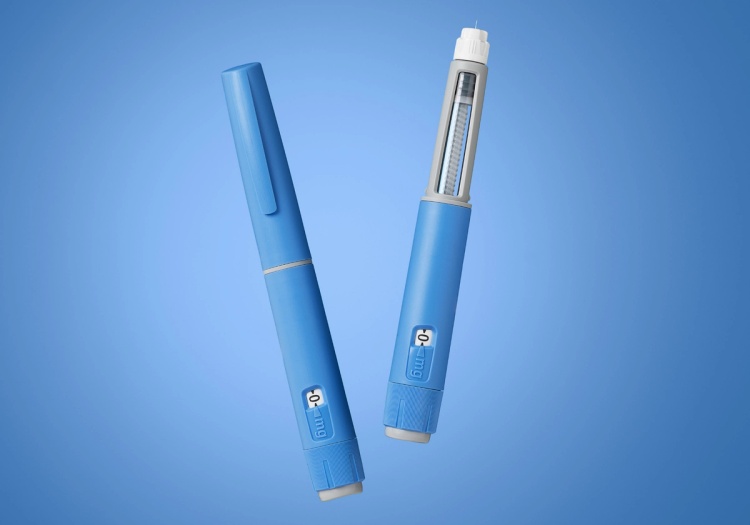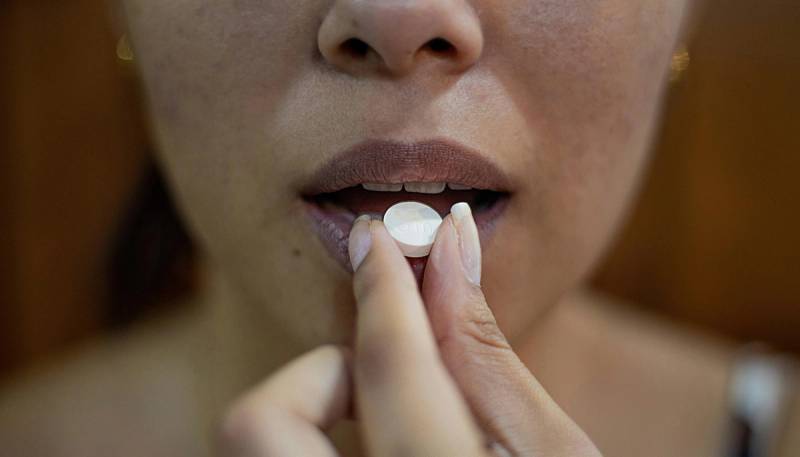
The American Diabetes Association's annual scientific sessions 2026 confirmed what many of us have been anticipating for years. We’re entering a new era of obesity medicine: triple agonists, oral GLP-1s, monthly injections and therapies targeting obesity, diabetes and fatty liver disease simultaneously.
This is exciting. But it also means treatment is becoming more complex. The question is no longer, “Which medication causes the most weight loss?” The question is: How do we use these medications safely and effectively while preserving muscle, improving body composition and helping patients achieve long-term success?
That’s exactly why I wrote Weightless and why I built WeightlessAI, my clinical guidance platform. The more options we have, the more important education becomes—for BOTH clinicians and patients. The medications are evolving. The way we guide patients must evolve too. But most importantly: sophisticated medications require sophisticated guidance. Full Stop.
1. Retatrutide (Eli Lilly)
What it is: A triple agonist targeting GLP-1, GIP and glucagon receptors.
Why everyone is talking about it: It has produced the highest weight-loss results we've seen to date among obesity medications.
ADA update: Phase 3 data is now being presented.
Top-line results: Up to 28 percent weight loss in people with obesity without diabetes.
My take: This has the potential to become the most powerful obesity medication we've seen, but body composition data remains critical. Weight loss is only part of the story—we also need to understand what happens to muscle and overall metabolic health.
2. CagriSema (Novo Nordisk)
What it is: A combination of semaglutide and the amylin analog cagrilintide.
What's unique: It attacks appetite through two different biological pathways.
ADA update: Ongoing REIMAGINE trials continue to provide new data.
What we've learned: It appears to perform better than semaglutide alone, though it has not demonstrated the same level of weight loss seen with tirzepatide.
My take: An effective therapy, but the obesity treatment landscape is becoming increasingly competitive, giving patients more options than ever before.
3. Berobenatide (Pfizer)
What it is: A once-monthly GLP-1 agonist.
What's unique: Monthly dosing instead of weekly injections.
ADA update: New information from the VESPER trials.
Results so far: Approximately 12 to 14 percent weight loss.
Potential advantage: Convenience may improve adherence and could potentially improve tolerability for some patients.
4. Survodutide (Boehringer Ingelheim)
What it is: A dual GLP-1 and glucagon agonist.
What's unique: It has a strong focus on fatty liver disease, including MASLD and MASH.
ADA update: Phase 3 SYNCHRONIZE trials continue to move forward.
Why it matters: This therapy could become an important option for treating both obesity and liver disease simultaneously.
5. CT-868 (Genentech)
What it is: A dual GLP-1/GIP agonist.
What's unique: It is being studied specifically in people with Type 1 diabetes who also have overweight or obesity.
ADA update: Phase 1 and Phase 2 data were presented.
Why it matters: Very few obesity medications are being specifically evaluated in Type 1 diabetes, making this an important area of research.
6. Orforglipron (Eli Lilly)
What it is: The first oral, non-peptide GLP-1 therapy.
What's unique: No injections required.
ADA update: Multiple Phase 3 ACHIEVE trials are underway.
Why it matters: An effective pill could dramatically increase access to obesity treatment because many patients prefer pills over injections.
One to watch: This has the potential to become a major competitor to injectable GLP-1 medications.
7. AZD5004 (AstraZeneca)
What it is: An oral small-molecule GLP-1.
What's unique: Another promising oral competitor entering the pipeline.
ADA update: Phase 2b data.
Why it matters: It reinforces that the future of obesity treatment is not limited to injections. Oral therapies will likely become an increasingly important part of the landscape.
My biggest takeaway from ADA 2026
We have more medications, more options and more complexity than ever before. As obesity treatments become increasingly powerful and accessible, the conversation can no longer be centered on weight loss alone. The future is about preserving muscle, reducing visceral fat, improving metabolic health and helping patients achieve long-term success. The medications are evolving, and the way we guide patients must evolve, too. Sophisticated medications require sophisticated guidance.