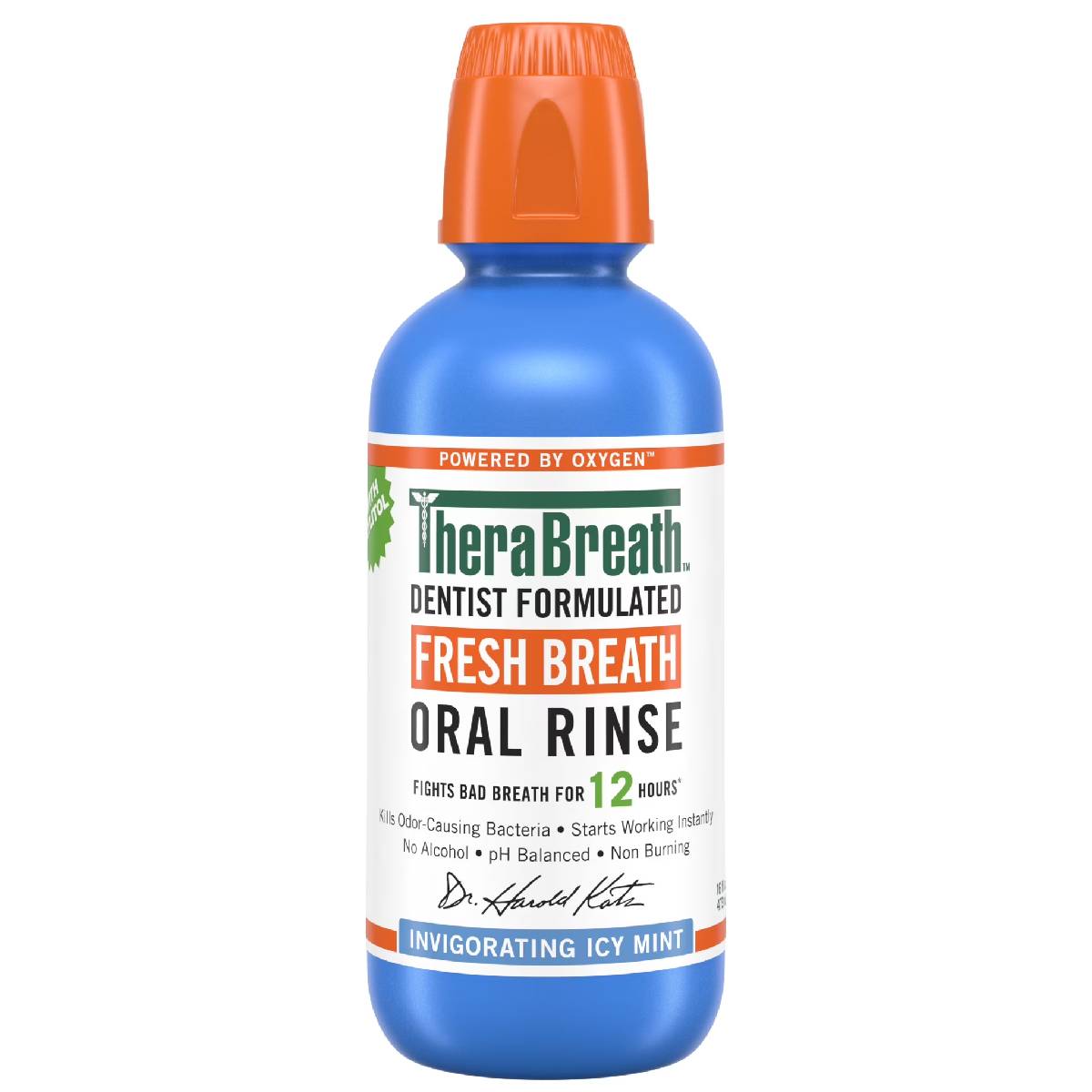
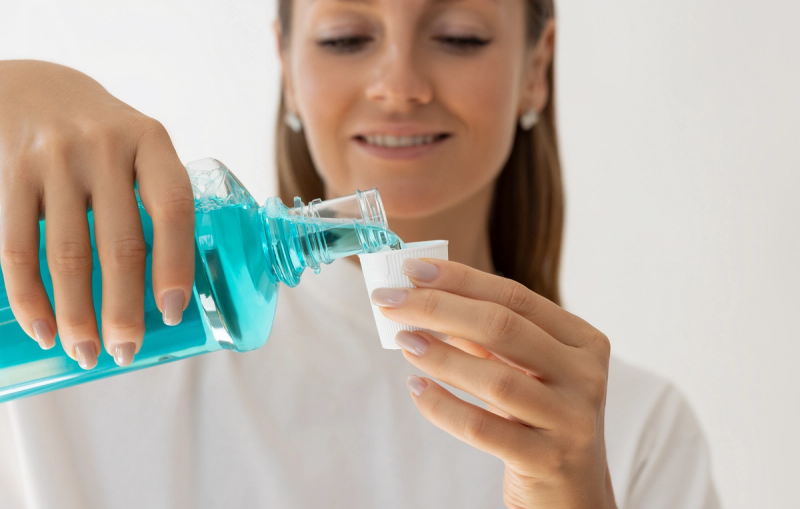
I have a professional confession to make. As a longtime beauty editor, I’m supposed to have most of the answers—makeup, skin care, wellness—yep, even oral health. But it was only recently that I learned there are multiple types of mouthwash, and each one does something different within your oral-care routine. My whole life, I’ve simply reached for whatever’s in front of me—hyped up on social, on sale or eye-catching enough to land in my Target cart.
And as it turns out, mouthwash wasn’t the only thing I was getting wrong. Apparently, when you use mouthwash matters just as much as which one you grab—and right after brushing, it seems, isn’t the move either. Ahead, I’m sharing what I learned from dentists in the process, including the different types of mouthwash, when to actually use each one and more.
Featured Experts
- Arthur Glosman, DDS is a cosmetic dentist in Beverly Hills
- Jon Marashi, DDS is a cosmetic dentist in Los Angeles
What Are the Different Types of Mouthwash?
There are three main categories of mouthwash, says Los Angeles cosmetic dentist Jon Marashi, DDS. They go as follows: “Fluoride rinses are about strengthening enamel and preventing decay,” he explains. “Antiseptic or antibacterial rinses—things like chlorhexidine or cetylpyridinium chloride—are targeting bacteria and reducing gum inflammation. Then you have your cosmetic rinses, which freshen breath and make your mouth feel clean, but they're not actually changing the bacterial environment in any meaningful way.”
Should You Use Mouthwash Before or After Brushing?
Whether you use mouthwash before or after brushing depends on which type you’re using, says Dr. Marashi. (Which, fair warning, was already more nuanced than I was expecting from a question I assumed had a one-word answer.)
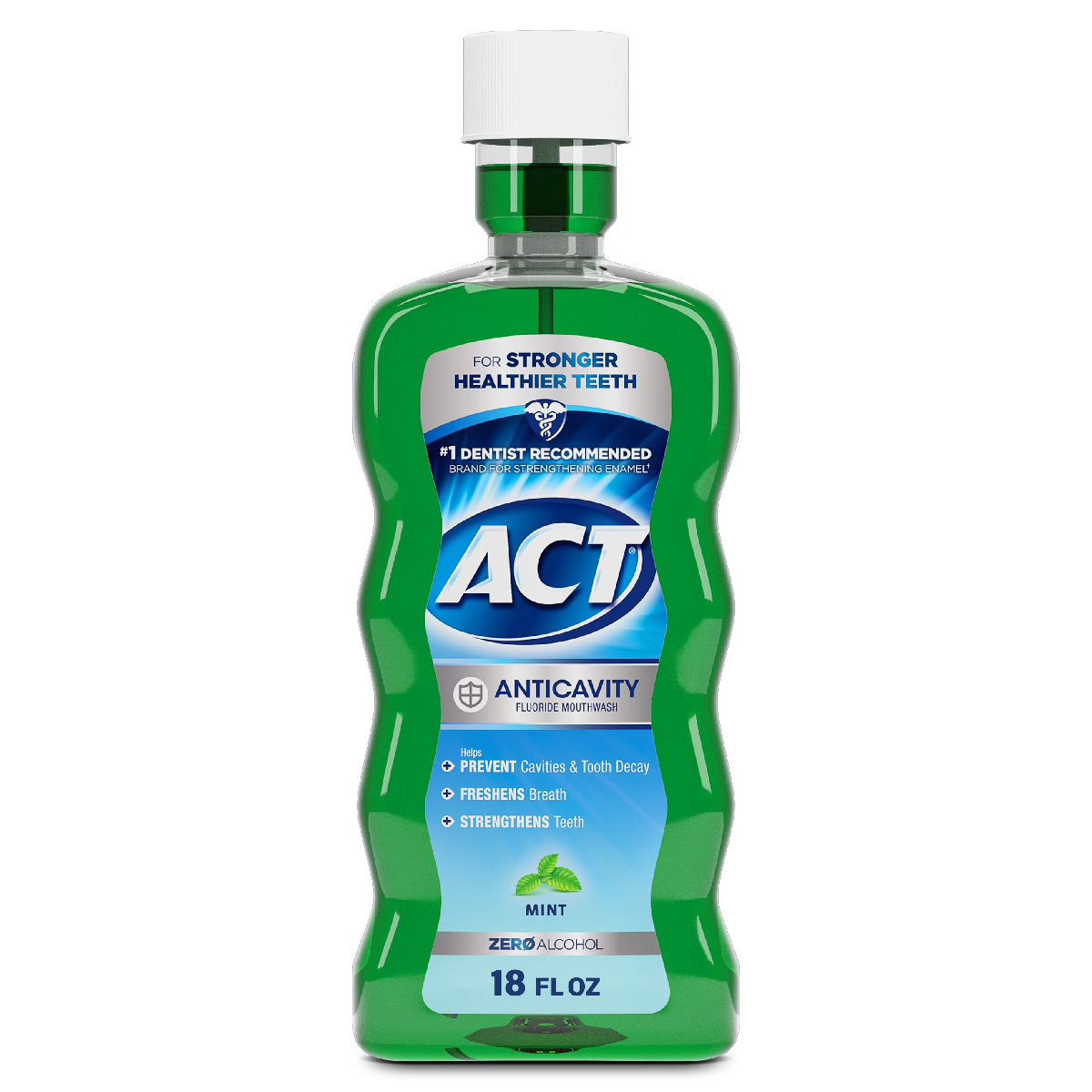
Use fluoride mouthwash on its own, at least 30 minutes after brushing—otherwise it gets diluted or rinsed away before it can actually work. “The intent is to give it its own window to do its job without being washed away or diluted,” Dr. Marashi explains.
Antiseptic rinses are the opposite: Use those before brushing, as loosening up the bacteria first gives your toothbrush an actual fighting chance. “Using them before brushing can actually be beneficial because you're loosening the bacterial load before you physically disrupt it with the brush,” Dr. Marashi adds.
Cosmetic rinses, meanwhile, are the low-stakes option. Use them whenever. “The timing matters a lot less because the therapeutic impact is limited regardless,” says Dr. Marashi.
A Fluoride PSA
If you're using a fluoride toothpaste (which most people are, as it's recommended by the American Dental Association), there’s a special rule to follow: “You want that fluoride to sit on the tooth surface for 30 minutes to continue working,” Dr. Marashi says. Rinse too soon, whether it’s with water or mouthwash, and you've cut that window short.
So resist the urge to rinse, tempting as it is. “Spit. Don't rinse,” adds Dr. Glosman. As he explains it, “it can reduce the concentration of fluoride remaining in the mouth,” whether that rinse is water or mouthwash. That advice extends to fluoride mouthwash, too. Both dentists suggest saving it for a separate part of your day entirely, like after lunch, rather than stacking it on top of brushing.
Does Mouthwash Need to Burn to Work?
Short answer: no. “Burning is not proof that something is working,” Dr. Glosman says. “We've somehow been trained to think that if our eyes are watering after thirty seconds, the bacteria must really be frightened. That's not how oral health works.” He recommends alcohol-free formulas, especially if you're prone to dry mouth. (Not because alcohol-based rinses are dangerous, but because they can make dryness worse.)
What Does an Ideal Mouthwash Routine Actually Look Like?
Here's the stripped-down gist: Brush twice a day, floss, use fluoride toothpaste, and spit out what’s left (crucially, don't rinse with mouthwash immediately after). If you do want to use mouthwash, use it 30 minutes after brushing, or ditch it from your routine entirely. What matters most is that your plaque is gone, your gums are happy and your enamel has a chance to remineralize—not that you’re just masking bad breath.
Shop Mouthwash Picks, by Category
As someone who’s apparently tried products from every mouthwash category over the years (albeit unknowingly), here are my top picks.
The Antiseptic Mouthwash
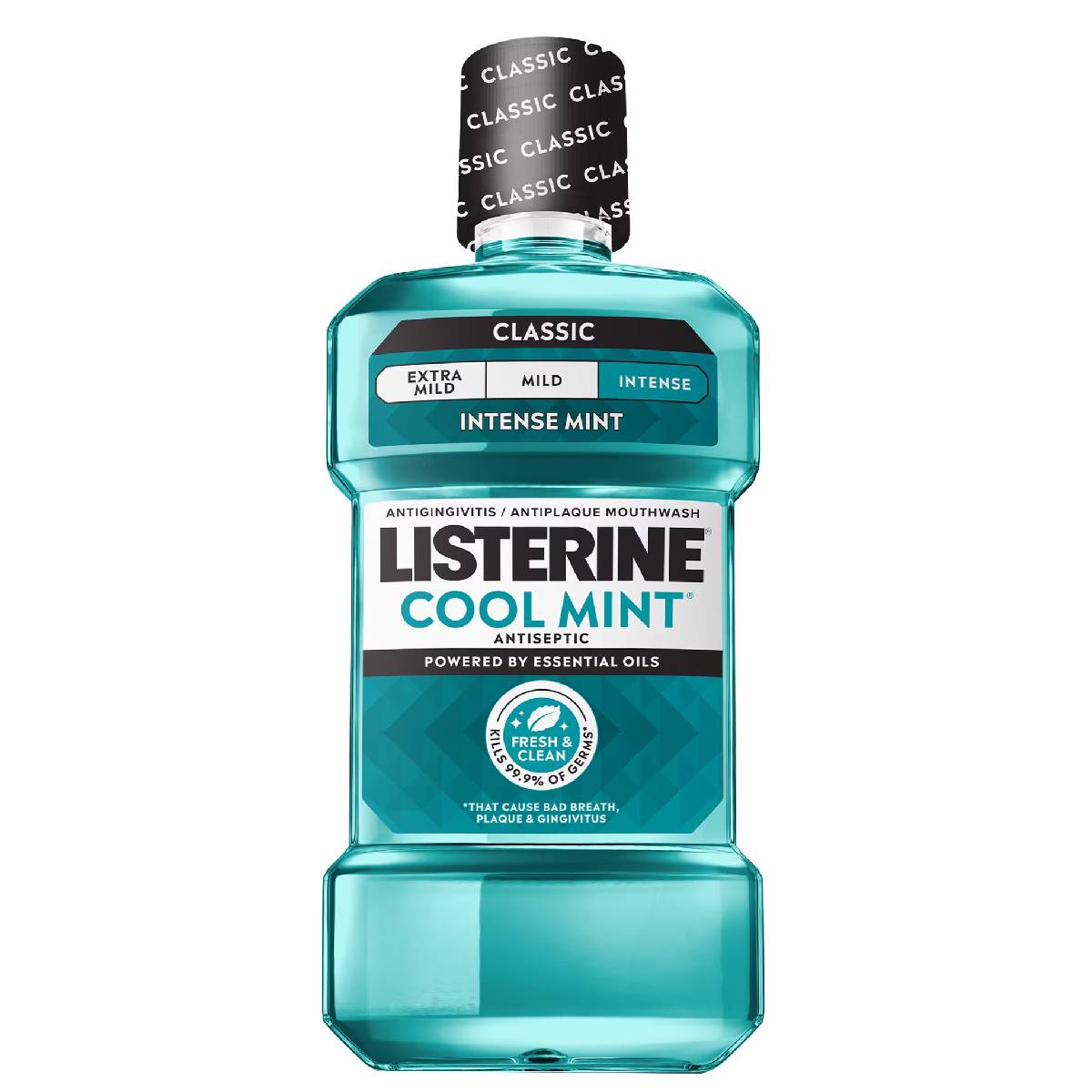
Listerine
Cool Mint Antiseptic Mouthwash