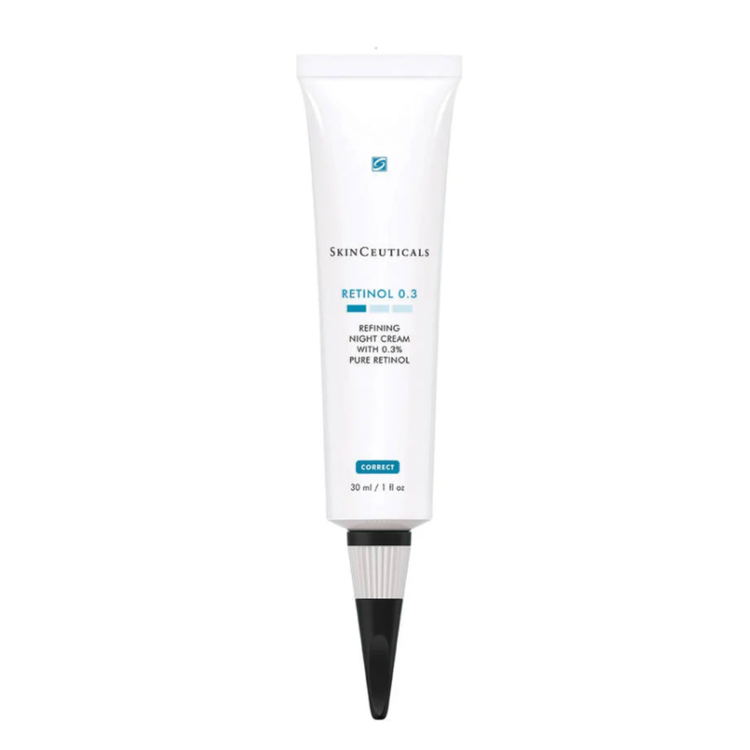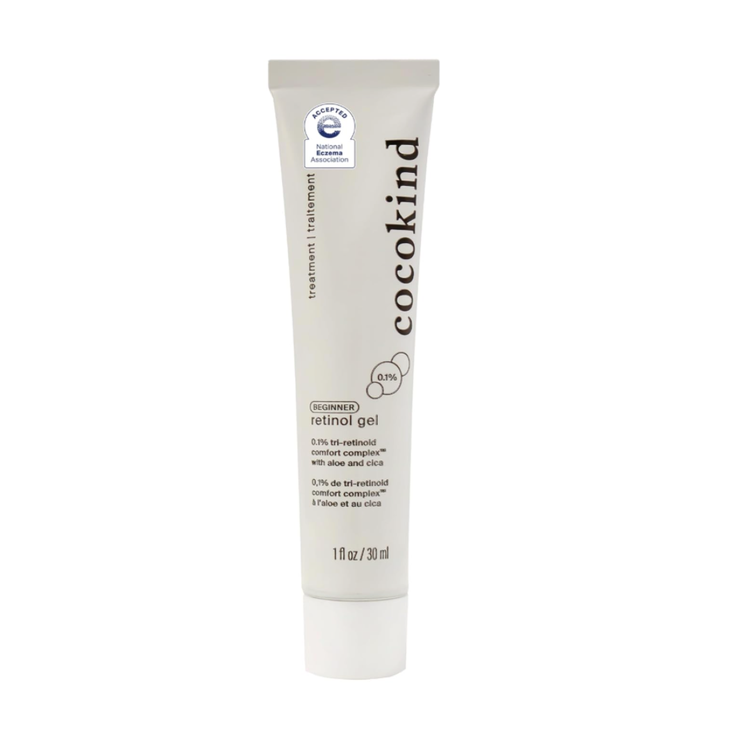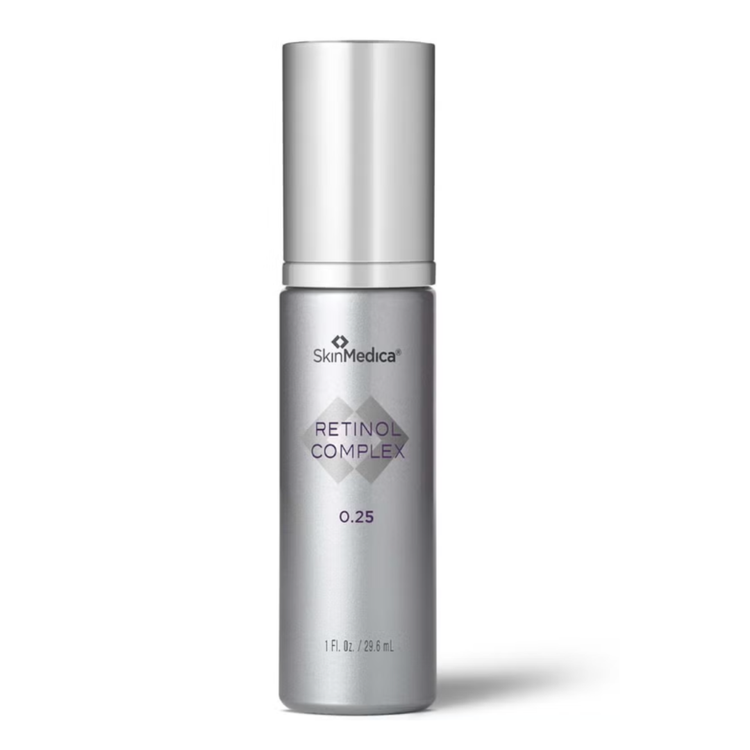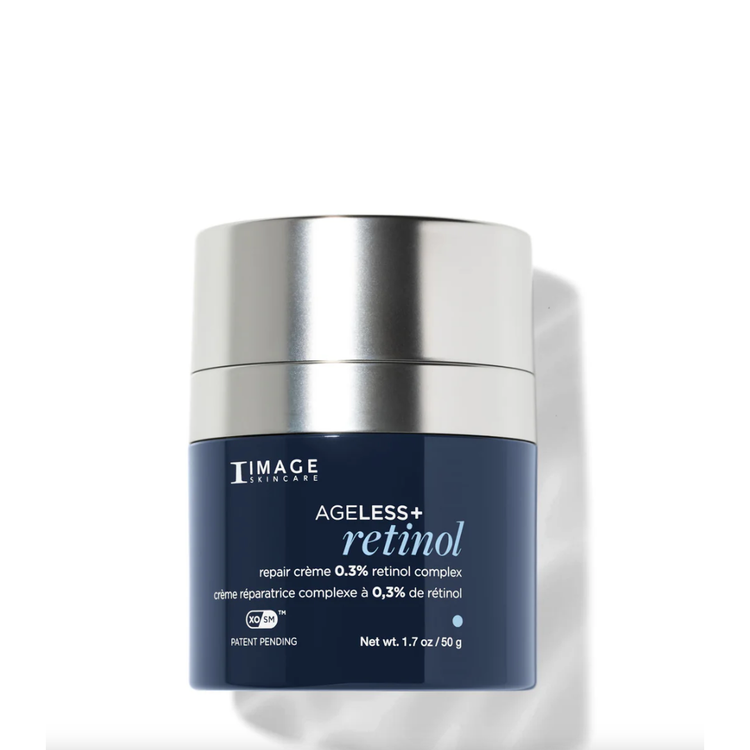
We know retinol as one of the best skin-care ingredients on the market. But if you're someone with sensitive skin, getting started can be a little intimidating. From dry and peeling skin to redness and irritation, you've probably heard plenty of horror stories. But this anti-aging star is beloved by experts for a reason, and there are plenty of ways to go about starting retinol with your skin's sensitivity in mind. If you want to skip the "retinol uglies" and go straight to the skin benefits, you need this guide on the best starter retinols for beginners! Learn how to start safe and introduce your skin to this gold star ingredient the right way.
Featured Experts
- Jody Levine, MD is a board-certified dermatologist in New York
- Kathleen Hamilton is a certified aesthetician and education director at Woodhouse Spa
- Ursula Diaz is a cosmetic chemist and co-founder of Honor MD
- Kelly Dobos is a cosmetic chemist
What Causes the "Retinol Uglies"
"The rapid turnover of skin cells can temporarily disrupt the skin barrier leading to dryness and retinoic acid can also stimulate inflammation leading to redness and irritation," explains cosmetic chemist Kelly Dobos. "These effects are usually transient and subside as skin adapts."
And if your skin is sensitive, that's more likely to happen. "Retinol can sometimes feel like too much, too fast," says New York dermatologist Jody Levine, MD. "You might experience redness, peeling, dryness or a burning sensation—especially in the first few weeks."
The good news is that there are careful formulations created with retinol beginners in mind, minimizing the chances of irritation and slowly introducing you to this powerhouse ingredient.
How to Start Using Retinol
"Low and slow is my motto!" says aesthetician and education director at Woodhouse Spa, Kathleen Hamilton. "Start with a lower concentration and apply it just two to three times per week in the evening, gradually increasing frequency as your skin builds tolerance."
Opting for formulas with moisturizing ingredients and switching up your skin care order can also help prevent irritation. "You can apply a moisturizer before the retinol," says cosmetic chemist and co-founder of Honor MD, Ursula Diaz. "Once your skin acclimates, usually in about four weeks, you can switch to applying moisturizer after, which may enhance the benefits. And of course, daily broad-spectrum sunscreen is essential, since retinol can make your skin more sun-sensitive."
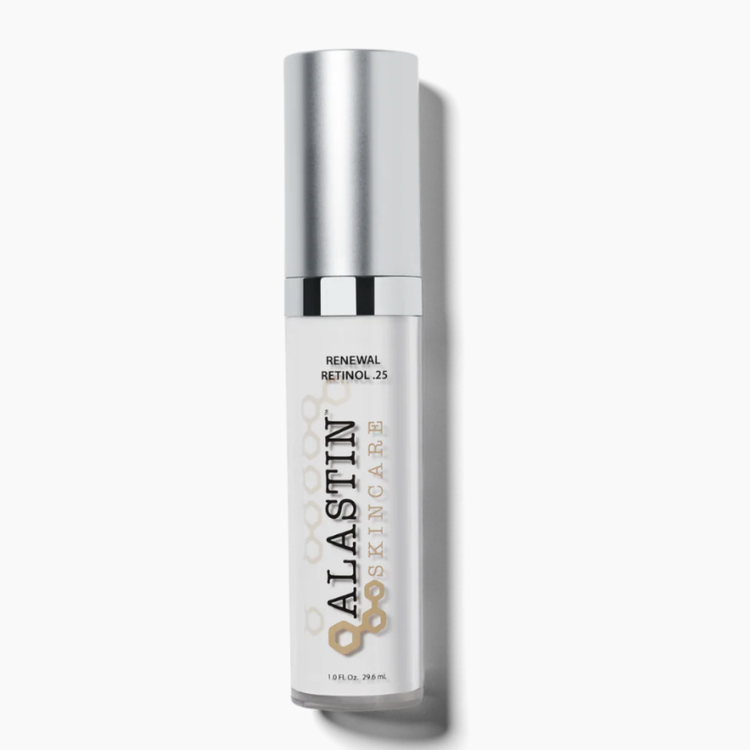
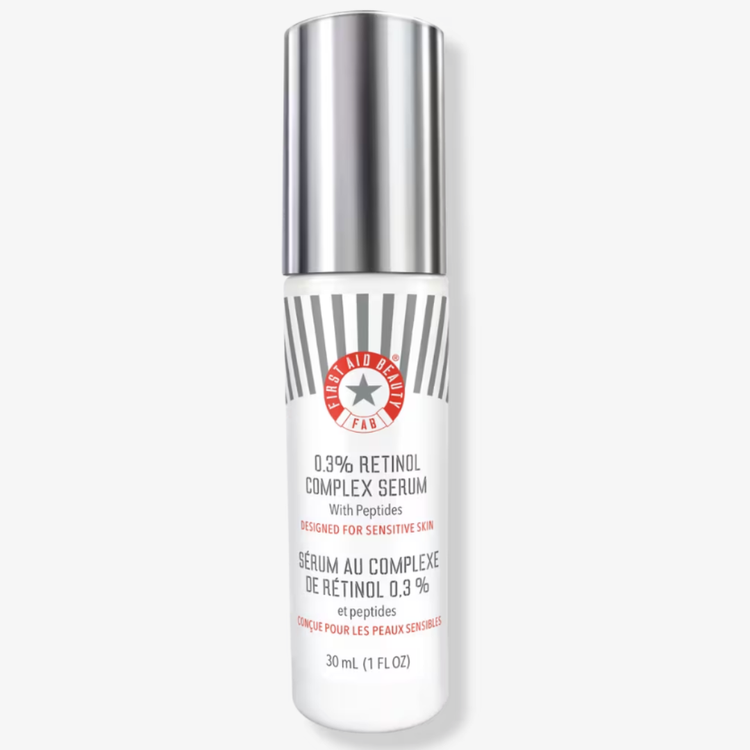
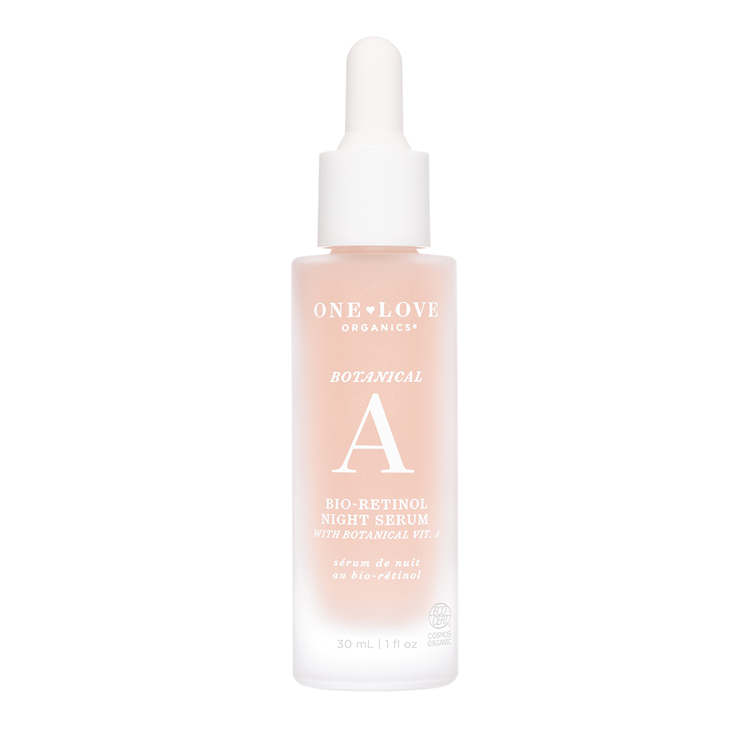
You'll want to start with retinol percentages of under .5 percent. That, combined with the low-and-slow method, will help keep your skin safe from drying out while you get acclimated to retinol.
Of course, there are those that just don't vibe with retinol. Whether your skin is too sensitive or you're taking a break from retinol while pregnant or nursing, there are great alternatives out there. "Honor MD’s Genetically Blessed ($175) is formulated with lactic acid which offers a gentle exfoliation, brightening benefits and a hydration boost without the irritation often caused by stronger retinoids," adds Diaz.
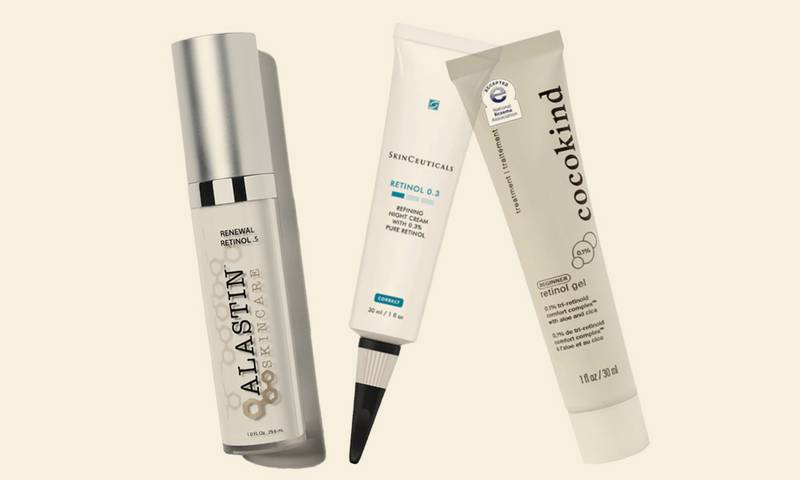
Our Favorite Starter Retinols