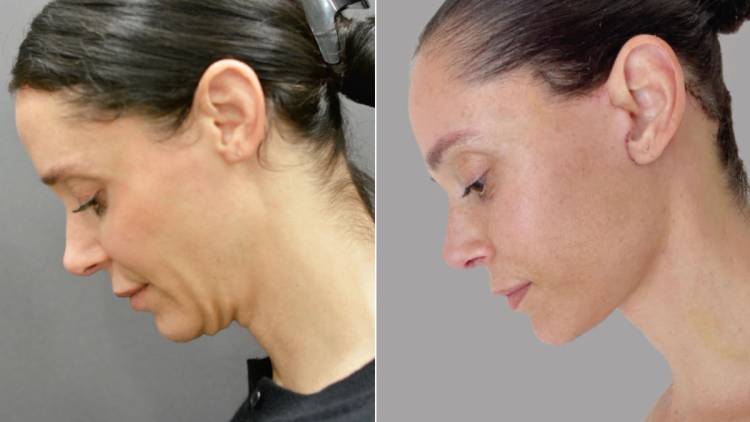

Not every puffy area beneath the eyes is actually an under-eye bag. One of the most commonly misunderstood concerns is a festoon, a condition that develops lower on the cheek and often doesn’t respond to filler, lasers or other popular treatments. On the latest episode of The Beauty Authority, New York plastic surgeon Mokhtar Asaadi, MD who has spent more than 35 years treating the condition, explains why getting the diagnosis right is the most important first step. “The lower eyelid stops at the crease,” he says. “The festoon starts just below that.”
Know the Terms: Malar Bags vs. Festoons
Part of the confusion, he says, is that “malar bags” is actually an umbrella term that encompasses several different conditions, each with its own cause and treatment approach. Congenital malar mounds are inherited and often appear early in life. Malar edema refers to swelling caused by fluid buildup, often related to allergies or inflammation. Malar festoons develop with age as the skin, muscle and underlying tissues lose support.
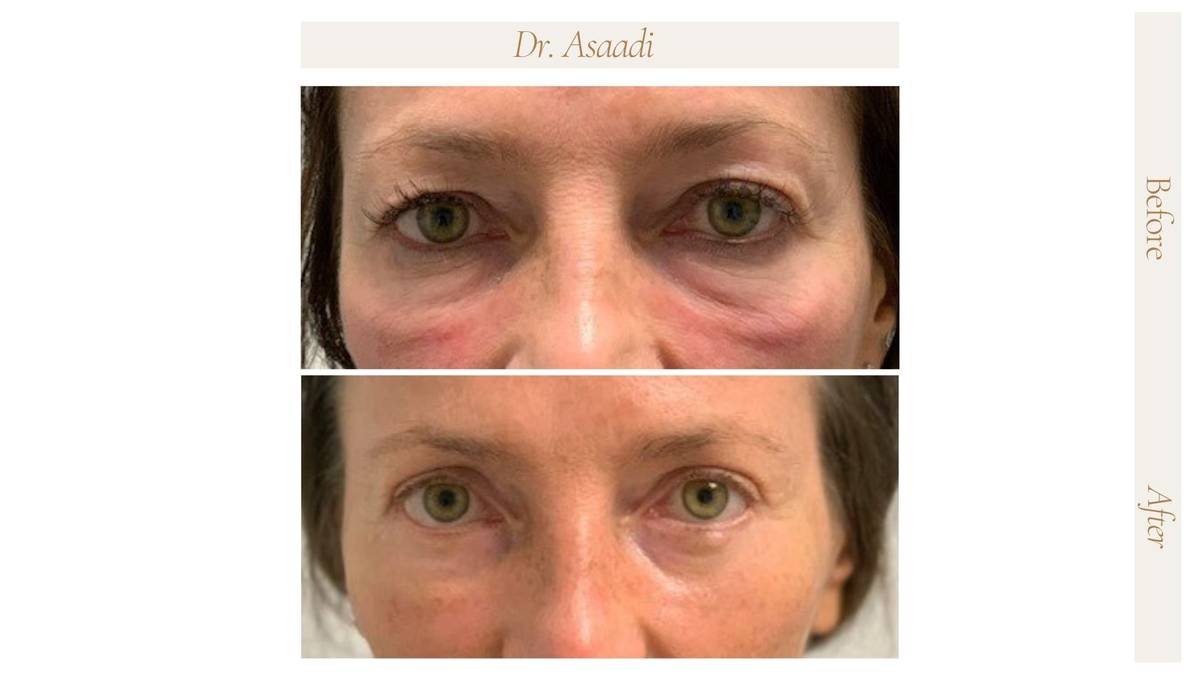
He also describes iatrogenic malar bags, which can occur when cosmetic treatments like fillers or neurotoxins worsen existing puffiness rather than improve it. “You have to know which category the patient is in order to do the right treatment,” he says.
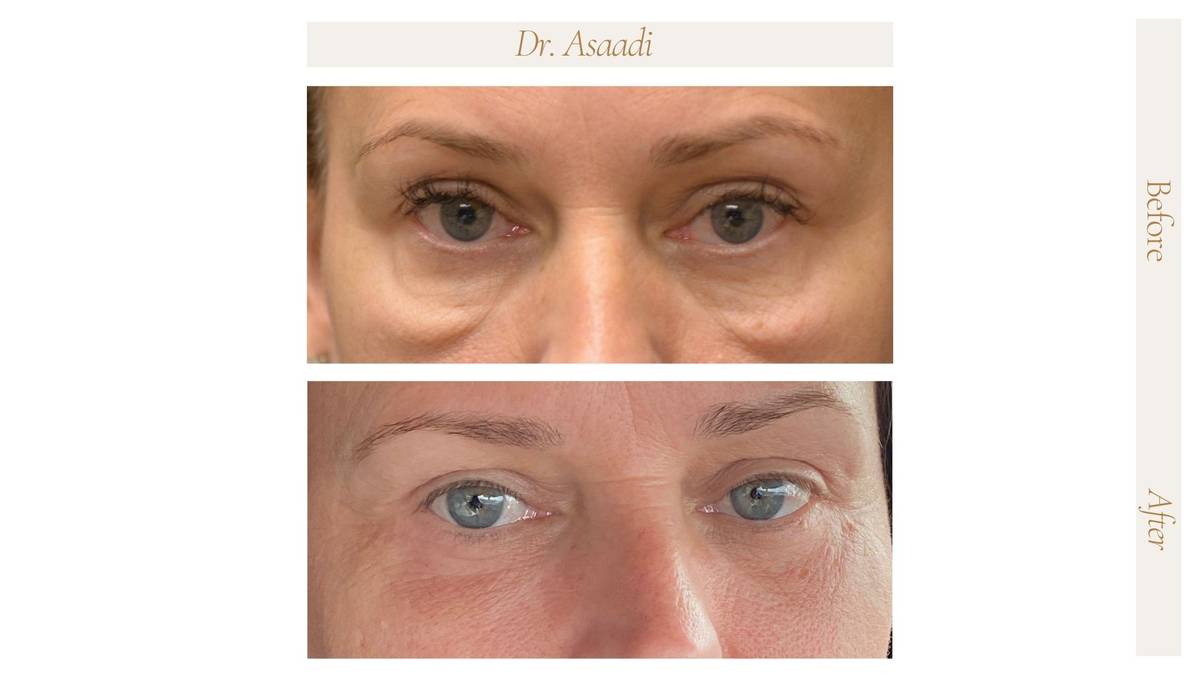
That’s why Dr. Asaadi cautions against assuming every treatment will work for every patient. “There is no way you can correct this with nonsurgical treatment,” he says. “Everything you do is going to cause more scarring.”
Why Treatment Isn’t One-Size-Fits-All
Because every patient’s anatomy is different, Dr. Asaadi says there’s no one-size-fits-all solution. The procedure often requires careful evaluation of the skin, muscle and underlying fat, and in many cases can be combined with other facial rejuvenation procedures. While the surgery itself is meticulous, recovery may be shorter than many people expect. “You can go back to work after a few days,” he says.
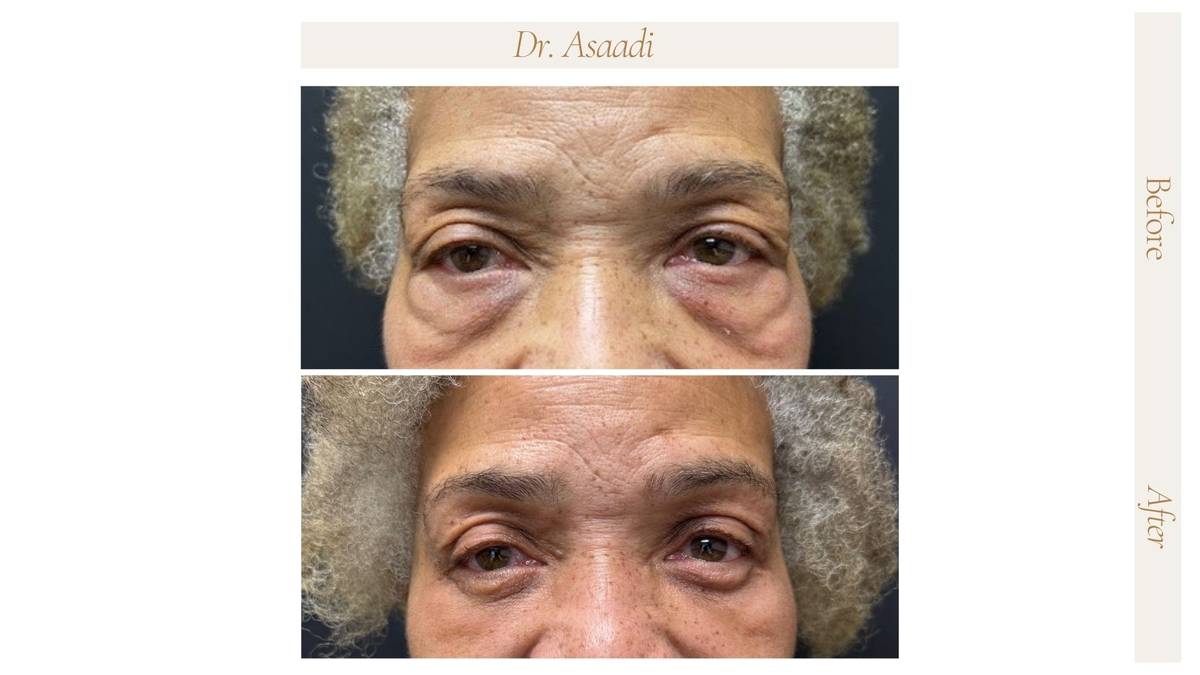
For Dr. Asaadi, treating festoons isn’t just about improving appearance. It’s about restoring confidence. Many of the patients he sees have spent years searching for answers after unsuccessful treatments elsewhere. “They’re always upset. They’re crying. They’re not functioning,” he says of some revision patients. “If you know the anatomy and you know safe surgery, you can help them tremendously.” Watch the full episode above as Dr. Asaadi explains the anatomy behind festoons, why they’re so often misdiagnosed and what patients should know before considering treatment.