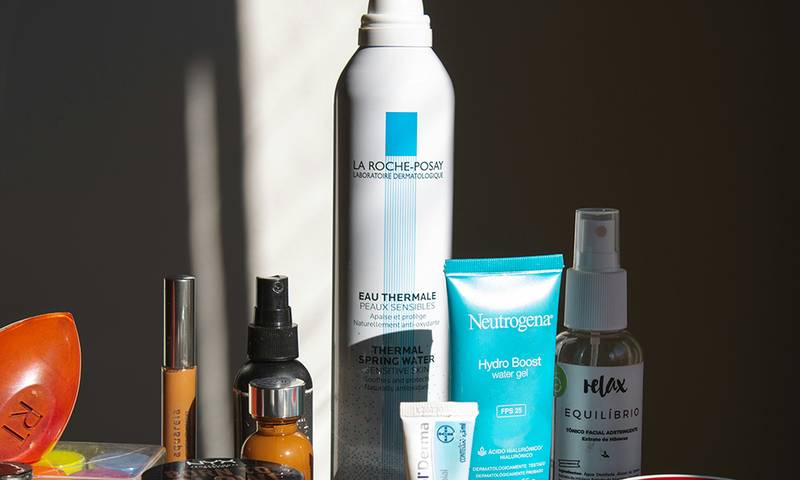
If you get neurotoxin injections such as Botox, Dysport or Xeomin, the right at-home skin-care routine can help support smoother, healthier-looking skin after your appointment and beyond. “In my practice, I remind patients that neuromodulators relax the muscle, but the quality of the skin on top is what people actually see,” says New York dermatologist Julie Russak, MD. “It’s important to build a supportive routine that enhances both the injected result and the underlying skin biology.”
Crucially, topical products won’t change how neurotoxins work in the muscle or necessarily make results last longer, but they can help the skin look healthier between appointments. “Research continues, however, so it may be possible at some point that we have a true neurotoxin extender,” says Omaha, NE dermatologist Daniel Schlessinger, MD. For now, the best at-home approach is to focus on skin quality. “I usually recommend a routine that focuses on hydration, skin strengthening and long-term collagen support,” says Miami dermatologist Anna Chacon, MD. “Neurotoxins smooth expression lines, but the skin itself still needs to be in its healthiest state to look its best.”
Ahead, dermatologists break down what’s actually worth using before and after your appointment.
Featured Experts
- Julie Russak, MD is a board-certified dermatologist in New York
- Anna Chacon, MD is a board-certified dermatologist in Miami
- Jody A. Levine, MD is a board-certified dermatologist in New York
- Joel Schlessinger, MD is a board-certified dermatologist and the CEO of LovelySkin in Omaha, Nebraska
- Daniel Schlessinger, MD is a board-certified dermatologist and the Medical Director of LovelySkin in Omaha, Nebraska
Peptides
Peptides can be helpful after neurotoxin injections because they support the skin itself, not the muscle movement that neurotoxins target. “Peptides work synergistically with neurotoxins by supporting the skin’s natural collagen and elastin,” says Dr. Chacon. “They help reinforce firmness and give a subtle ‘lifted’ appearance over time.” Some peptide products are often marketed as “Botox in a bottle,” which, to be clear, is more of a marketing phrase; they may help soften the look of lines, but they do not replace injectables.
Dr. Russak says she often pairs neurotoxins with targeted signaling peptide serums “because they work on a different part of the wrinkle pathway than the injection itself.” In simple terms, signaling peptides are meant to help cue skin-repair processes. Some peptides Dr. Russak looks for include hexapeptides, which “influence neuromuscular communication,” and dermal-signaling peptides, which “support collagen, elasticity and skin smoothness.”
Peptides may also support skin longevity. New York dermatologist Jody A. Levine, MD, points to senotherapeutic peptides, a newer category designed to help address aging or stressed cells before they contribute to visible skin changes. These peptides can be “designed to target senescent cells, improve cellular signaling and strengthen the barrier, helping reduce low-grade inflammation and enhance the skin’s ability to repair itself.” As she explains, “When inflammation is lower and the barrier is resilient, the skin reflects light more evenly and holds moisture better, and the neurotoxin result appears smoother and more refined.”
Peptide serums and moisturizers can be used morning and night, though thicker creams may be best saved for evening to help avoid pilling under makeup.
Retinoids
Retinoids are widely considered the gold standard of anti-aging skin care, and they can help support texture, tone and collagen while neurotoxins work on movement-related lines. “Retinoids improve texture, boost cell turnover and support collagen. Used consistently, they complement neurotoxins by keeping the skin firm and refined,” explains Dr. Chacon.
If you’re already using one, make sure to pause use for a few days before your neurotoxin appointment. Dr. Levine recommends incorporating a topical retinoid into your skin-care routine once the skin has healed, whether prescription or over-the-counter, and after asking your provider when it’s safe to start again after injections.
And remember: Retinoids are best saved for nighttime because they can make skin more sensitive to the sun, and some forms can become less stable when exposed to light.
Hydrating Products
It sounds simple, but hydration can make a visible difference in how smooth and fresh skin looks between neurotoxin appointments. “Most skin-care that changes the appearance of the skin for the better works by moisturizing dry or cracked skin to allow for the best look,” says Omaha, NE dermatologist Joel Schlessinger, MD.
Dr. Chacon says lightweight hyaluronic acid is one of the quickest ways to boost radiance post-treatment. “It pulls water into the skin, softens fine lines and helps maintain the smooth, rested look neurotoxins create,” she says. Use hydrating products morning and night.
Barrier-Repairing Products
Dr. Russak says it’s important to pair neurotoxins with a barrier-repairing moisturizer that contains ingredients such as ceramides, niacinamide and hyaluronic acid. While these ingredients won’t change the pharmacology of the toxin—meaning they won’t alter how the injectable works or how long it remains active—they can help preserve skin quality between visits. These richer barrier creams can be used at night as the final step in your evening skin-care routine to lock in moisture.
Sunscreen
Wearing sunscreen every day is a must in any skin-care routine. “If patients want longevity from their neurotoxin, sunscreen is non-negotiable,” says Dr. Chacon. “UV exposure is one of the fastest ways to undo the smoothness and clarity they’re trying to preserve.”
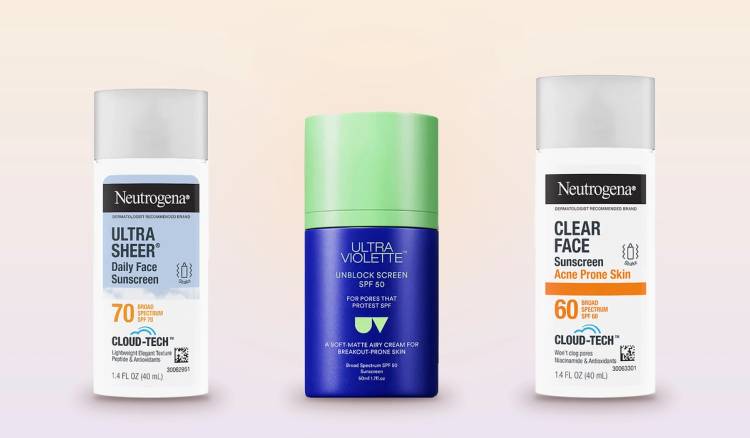
Dr. Chacon recommends a broad-spectrum formula with SPF 30 or higher—and, just as important, one you’ll actually want to use. If you’re looking for a place to start, serum or fluid-textured formulas tend to feel especially easy to wear. Apply SPF as the final step of your skin-care routine and before makeup every morning.
Regenerative Products
Regenerative skin care is designed to support the skin’s repair and renewal processes more directly than a basic hydrator or barrier cream. “For patients combining neurotoxins with in-office procedures like lasers or microneedling, I often add regenerative skin care,” says Dr. Levine, who points to peptide- and exosome-based products.
“These technologies can support collagen production, improve texture and accelerate post-procedure recovery by enhancing communication between skin cells,” she explains. That makes peptide- and exosome-based formulas especially relevant if neurotoxins are part of a broader treatment plan, rather than a standalone appointment. These products can be used morning and night.