
It seems like every few months we learn something new about what GLP-1 medications may be able to do beyond weight loss. Now, researchers are taking a closer look at one of the biggest questions yet: Could they actually slow down how quickly we age?
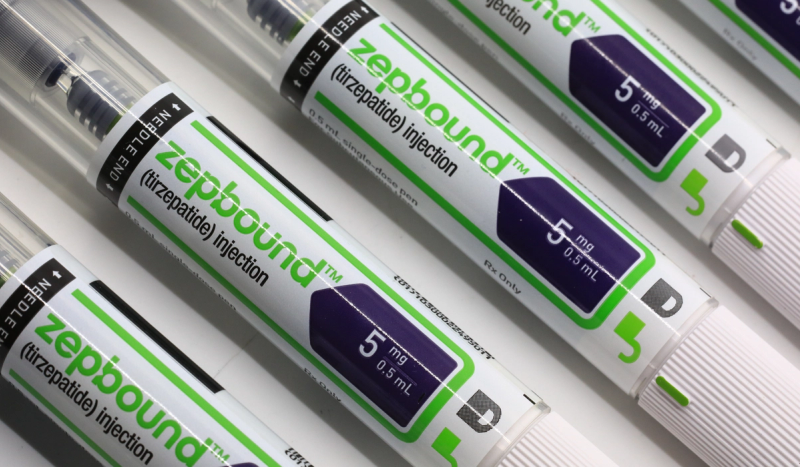
Previous research has suggested that semaglutide may have an effect on biological aging. A separate clinical trial is taking that idea a step further, this time with tirzepatide, the active ingredient in Zepbound.
What the New Trial Is Looking For
According to a new report from ABC News, researchers at the University of Texas Medical Branch in Galveston are leading one of the first clinical trials specifically designed to examine whether tirzepatide can affect how we age.
The trial will follow adults ages 55 to 70 who qualify for weight-loss treatment and look at much more than the number on the scale. The team plans to track biological age markers along with inflammation, cognitive function, strength and mobility, aiming to determine whether the medication can measurably slow the aging process.
The idea isn’t entirely out of left field. GLP-1s are already being studied for a growing list of effects beyond weight management, from cardiovascular and metabolic health to inflammation. More recently, research has explored potential links between the medications and lower cancer risk, while other studies have looked at everything from addiction to brain health.
What We Know So Far
The new tirzepatide trial builds on the semaglutide research conducted last year. In that study, adults with HIV-associated lipohypertrophy who took semaglutide for 32 weeks showed changes in several DNA-based aging markers that suggested their biological aging had slowed.
That early signal was promising, but it didn’t prove that GLP-1s make people live longer or that healthy people should take them for longevity. The new trial should give researchers a more direct look at the question, particularly in an age group where preserving muscle, strength and overall health while taking a GLP-1 becomes increasingly important.
For now, GLP-1s aren’t longevity drugs. But as researchers continue to uncover what these medications may be doing beyond weight loss, whether they can influence how we age is becoming a question worth watching.