Whether you're dealing with mild or severe redness, rosacea can be hard to treat. Although it's chronic, that doesn't mean it's unbeatable. When redness, bumps, skin thickness and irritation have got you down and your typical rosacea treatments aren't cutting it, experts say it's time to take a combination approach.
What Is Rosacea?
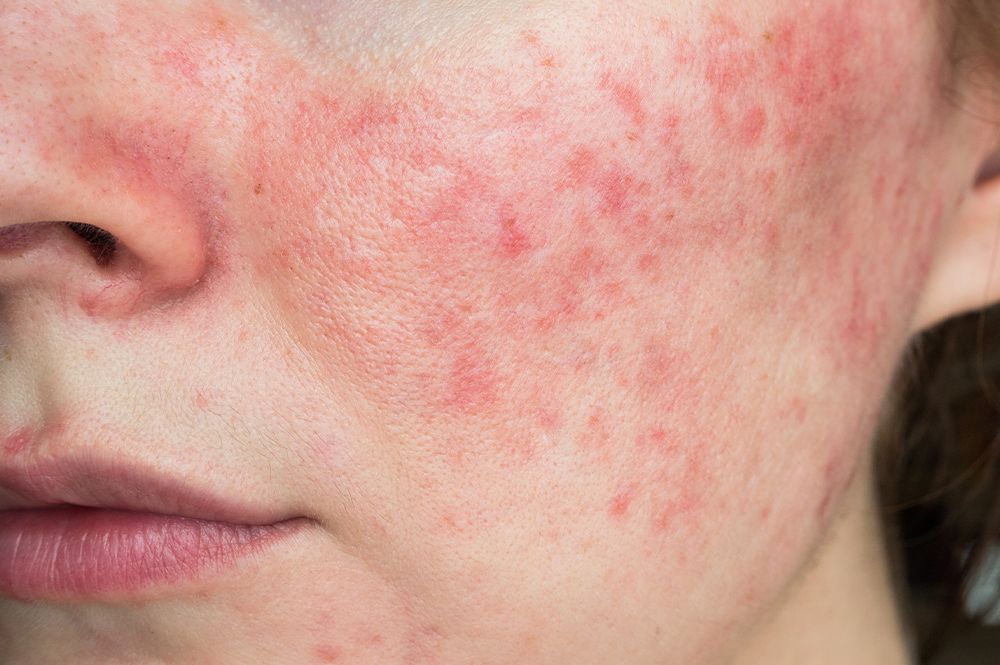
Rosacea is a chronic inflammatory skin condition that primarily affects the face and eyes, characterized by redness, pimples, and broken blood vessels. An estimated 415 million people worldwide suffer from the condition. It often begins with easy blushing and flushing of the facial skin, progressing to persistent redness around the nose and extending to the rest of the face. It can manifest in different types, including pre-rosacea, vascular rosacea, inflammatory rosacea and rhinophyma. Eye symptoms like redness, burning, tearing and inflamed eyelids are also common symptoms.
How Do You Treat Rosacea?
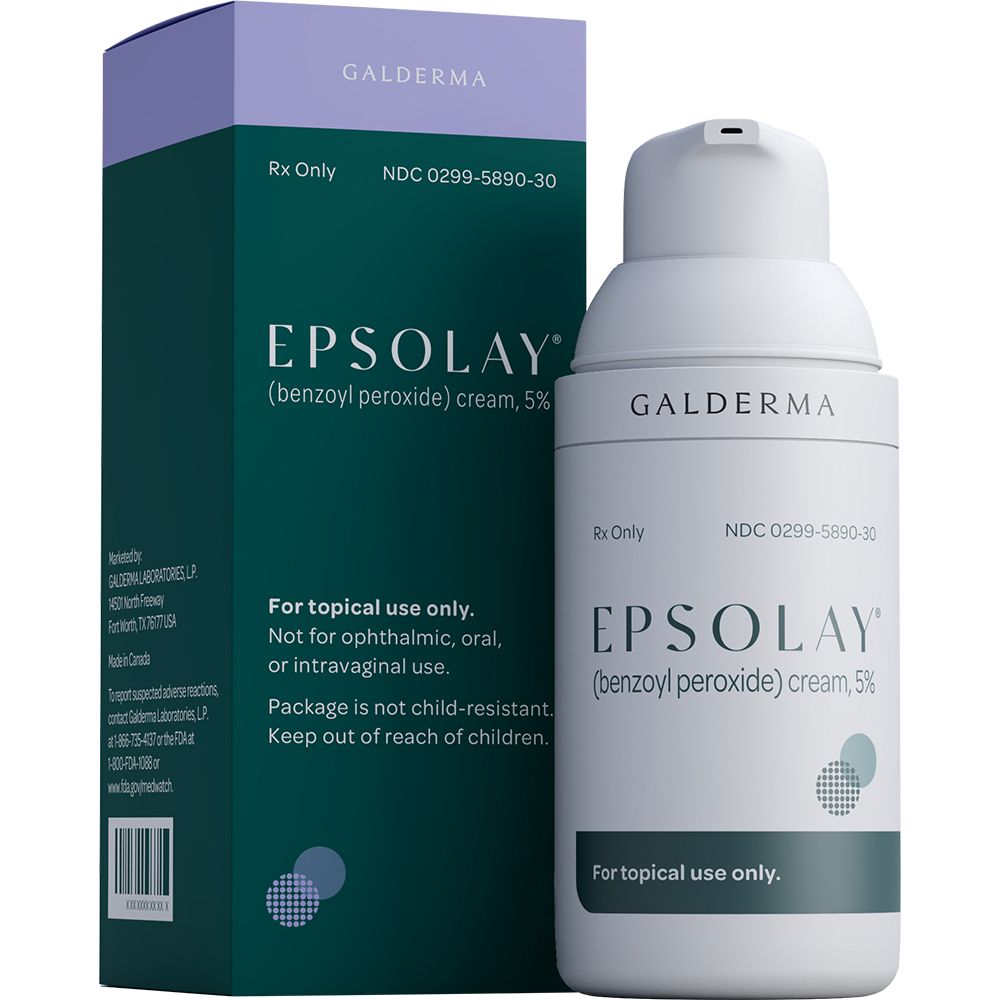
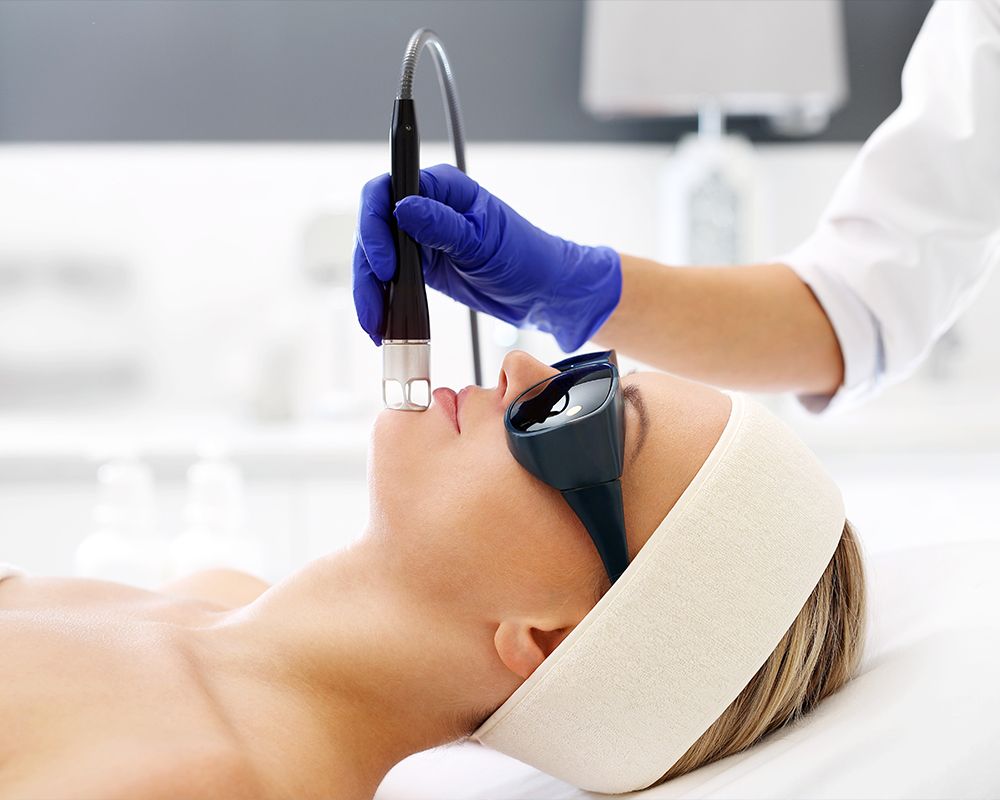
The most common rosacea treatments include topical medications like azelaic acid, metronidazole, sodium sulfacetamide, and sulfur, as well as oral medications such as doxycycline and isotretinoin. Additionally, brimonidine gel and encapsulated benzoyl peroxide are used to address specific symptoms of rosacea like redness and inflammation. Laser treatment and light therapy can also be employed to target visible blood vessels.
Expert-Approved Tips and Products
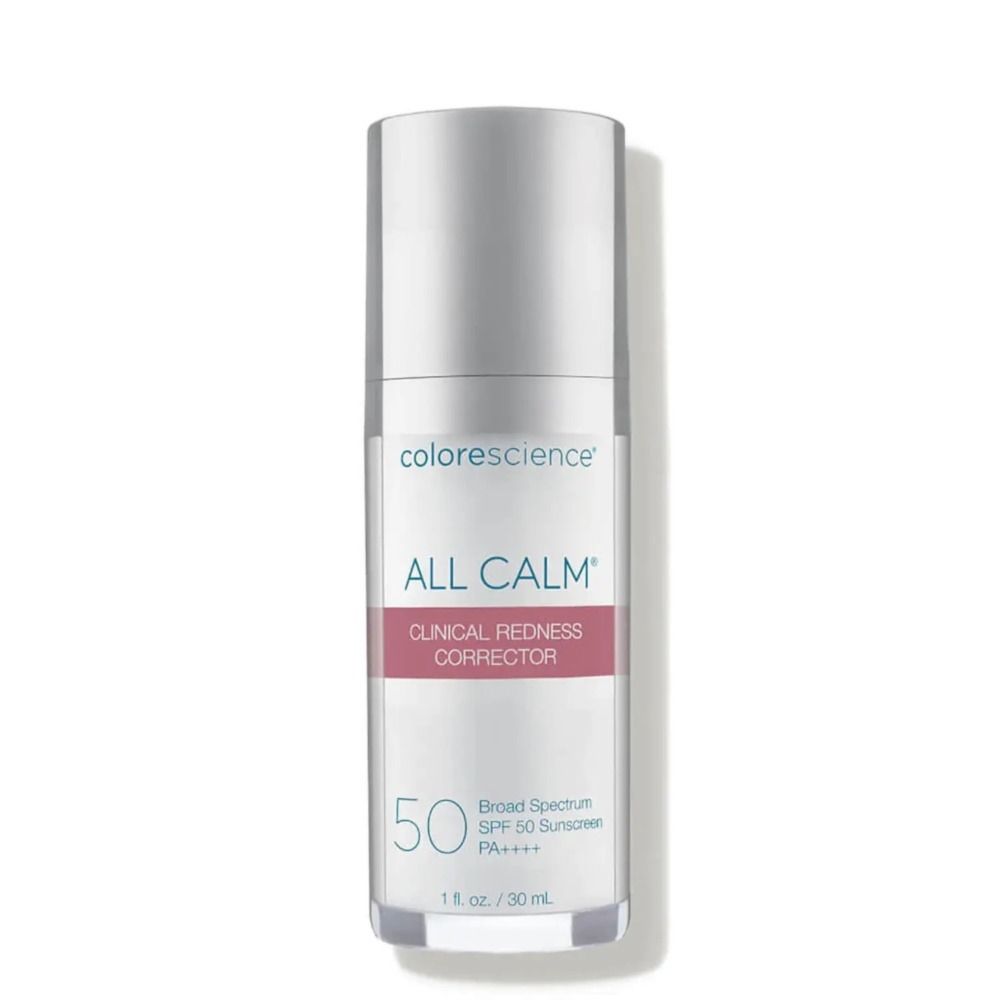
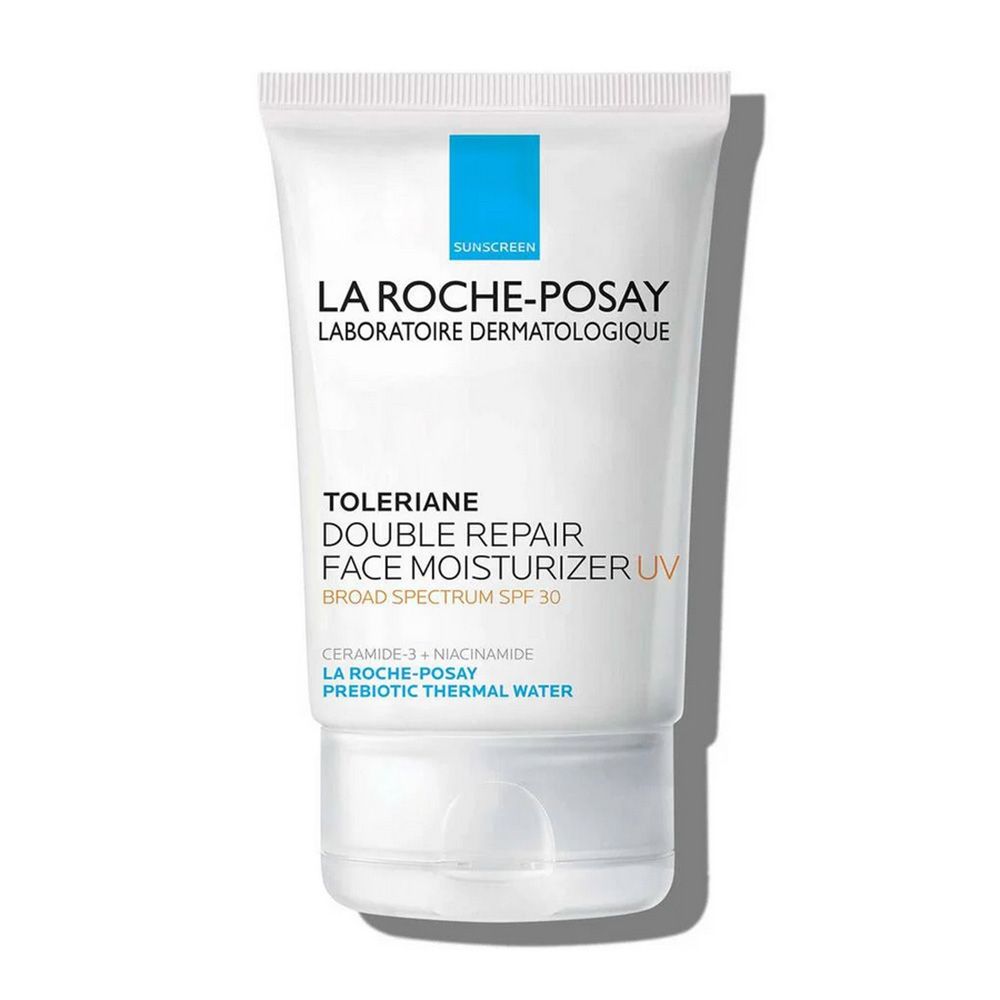
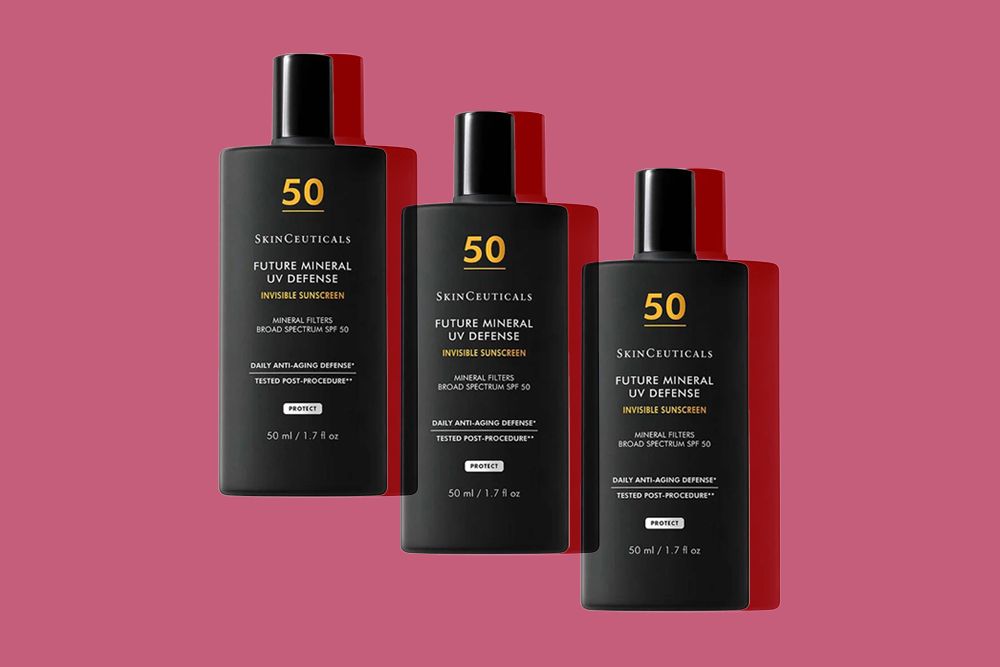
Here, a few tips from our experts on what you can do to bring the redness down.