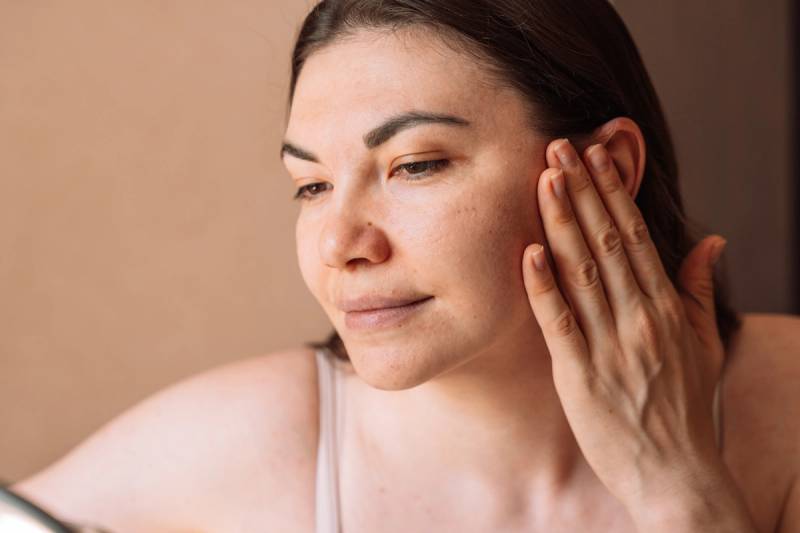
Breakouts may be frustrating in the moment, but for many patients, other concerns become visible after the acne clears. Lingering dark spots, redness, uneven texture and scarring can stick around for months or even years. The good news? The way dermatologists treat acne today looks very different than it did even a few years ago.
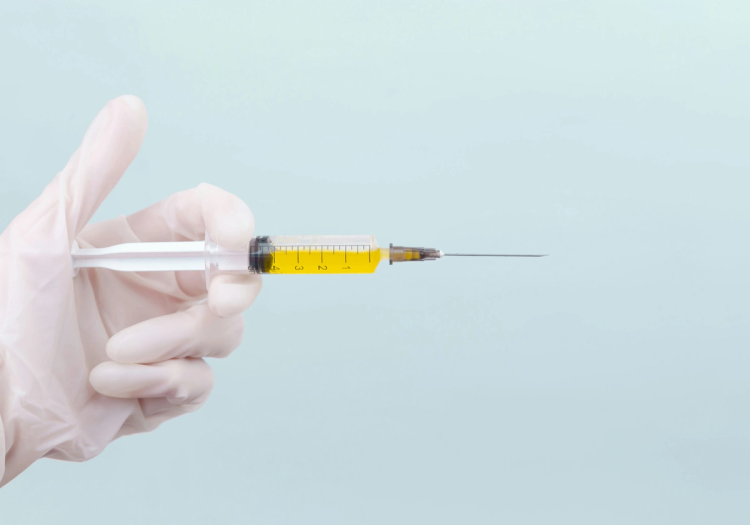
For decades, patients with persistent acne had limited options beyond topical prescriptions, oral medications and, in more severe cases, isotretinoin. While highly effective, isotretinoin comes with a long list of considerations, including potential side effects and routine monitoring.
Now, advances in energy-based technology are giving dermatologists another way to address acne at its source— and the skin concerns that can persist after breakouts resolve.
A shift toward treating the root cause
One reason acne can be so difficult to manage is that many treatments focus on controlling symptoms rather than addressing the underlying causes. Excess oil production from the sebaceous glands remains one of the biggest contributors to acne development.
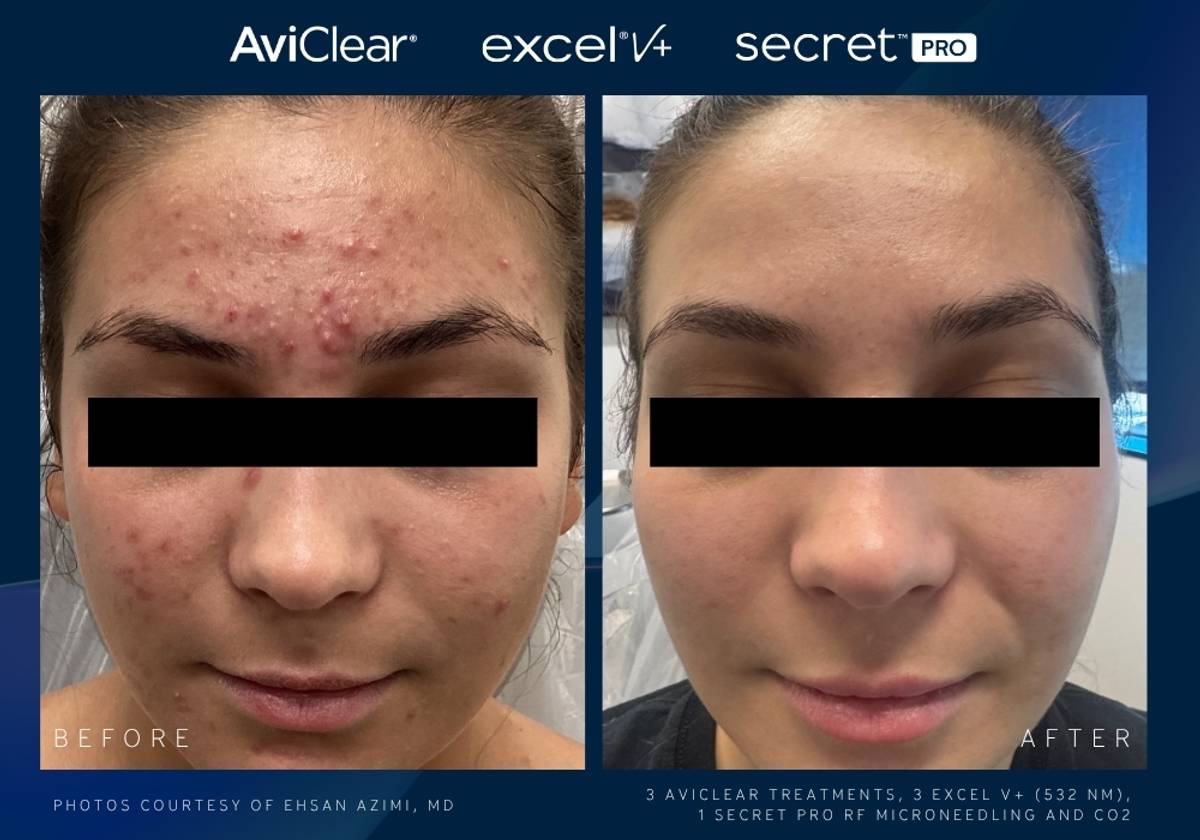
According to Beverly Hills, CA dermatologist Ehsan Azimi, MD, AviClear has changed the conversation because it specifically targets the sebaceous glands using a 1726-nm wavelength laser designed for acne treatment.
“Historically, isotretinoin was the only treatment capable of providing long-term acne clearance because it targets the sebaceous glands,” says Dr. Azimi. “AviClear offers a different approach by targeting those glands directly without the systemic side effects associated with oral medication.”
The treatment is FDA-cleared for mild, moderate and severe inflammatory acne and is typically performed in a series of 30-minute treatment sessions. Because it targets the root cause of acne rather than simply managing symptoms, it represents a significant shift in how dermatologists approach treatment.
When skin-care products aren’t enough
Over-the-counter acne products can play an important role in managing occasional breakouts, but there comes a point when professional intervention may be warranted.
If acne persists despite consistent use of skin-care products for several weeks, a dermatologist can help determine whether something more complex is contributing to the condition. That’s especially important because untreated acne can lead to permanent textural changes and discoloration.
“Many patients don’t realize that delaying treatment can increase the likelihood of acne scars and pigmentation changes,” says Dr. Azimi.
Early intervention may not only help clear current breakouts but also reduce the chances of long-term skin concerns developing later.
The next step: treating what acne leaves behind
One of the biggest misconceptions about acne treatment is that the work is done once breakouts stop. In reality, many patients are left with acne scars, enlarged pores, uneven texture and discoloration that require a different treatment strategy altogether.
“The first step is getting acne under control,” says Dr. Azimi. “If patients continue developing new breakouts, they can continue developing new scars.”
Once active acne has improved, dermatologists can create a customized treatment plan based on the type of scarring and skin concerns present. Every patient’s skin tells a different story, which is why treatment plans often combine multiple technologies to achieve the best outcome.
How lasers and radio-frequency treatments fit in
No two acne scars are exactly alike, which is why dermatologists often combine multiple technologies to achieve the best outcome.
For textural irregularities and acne scars1,2, treatments like Secret DUO can help remodel the skin at different depths while improving overall skin quality1,2. Beyond scarring, these technologies can also address enlarged pores, signs of aging and uneven texture1,2.
Laser Genesis is another option frequently incorporated into treatment plans. Because it requires little to no downtime, it can be used to support overall skin quality while helping maintain results achieved with other procedures.
“One of the advantages of Laser Genesis is that it can address multiple aspects of skin quality while fitting easily into a patient’s routine,” says Dr. Azimi.
Addressing dark spots and redness after acne
Even when acne clears, the aftermath can stick around. Dark spots, redness and uneven tone are among the most common complaints dermatologists hear from patients whose breakouts are finally under control.
“Acne is associated with significant inflammation in the skin, which can lead to post-inflammatory pigmentation and discoloration that may persist for an extended period,” says Dr. Azimi.
Addressing these concerns often requires a different strategy than treating active acne, which is why many dermatologists incorporate laser and energy-based treatments once breakouts have improved. Treatments like Secret DUO can help improve uneven pigmentation and skin texture, while Laser Genesis and excel V+ can address redness and support healthier-looking skin overall. Depending on the patient’s needs, these treatments may also improve sun damage, enlarged pores and other lingering signs of inflammation.
A more personalized approach to clear skin
Today’s acne treatment landscape is no longer limited to choosing between a face wash and a prescription medication. Dermatologists now have access to a range of technologies that can address active acne, scarring, pigmentation and skin texture as part of a comprehensive treatment plan.
The key is understanding that acne treatment doesn’t end when a breakout disappears. For many patients, achieving clearer skin means treating both the acne itself and the marks it leaves behind.
With more options available than ever before, patients can work with their dermatologist to create a personalized strategy that targets current concerns while helping support healthier-looking skin long term.
References:
- Singh A, Yadav S. "Microneedling: Advances and widening horizons." Indian Dermatol Online J. 2016 Jul-Aug;7(4):244-54. doi: 10.4103/2229-5178.185468. PMID: 27559496; PMCID: PMC4976400.
- Cho, Soo Ick, et al. “Evaluation of the Clinical Efficacy of Fractional Radiofrequency Microneedle Treatment in Acne Scars and Large Facial Pores.” Dermatol Surg., vol. 38, no. 7, 2012, pp. 1017–1024., https://doi.org/10.1111/j.1524-4725.2012.02402.x. “
__________________________________________________________________________________________________
AviClear:
Indications for Use: AviClear is FDA-cleared for the long-term treatment of mild to severe inflammatory acne vulgaris. Contraindications: Pregnant patients and patients undergoing treatment for skin cancer. Important Safety Information: The following treatment-related side effects may occur during or after treatment with AviClear: Discomfort, erythema and edema, transient acne flareups, temporary skin dryness, blisters, crusting/scabbing, hyperpigmentation, skin texture changes, infection, scarring, hypopigmentation and altered hair growth. Warnings: Do not treat over dysplastic nevi or questionable pigmented lesions; do not treat over or close to tattoos or permanent make-up.
__________________________________________________________________________________________________
Secret DUO:
Indications for Use: Secret DUO 1540 nm is indicated for dermatologic procedures requiring the coagulation of soft tissue, as well as for skin resurfacing procedures. Secret DUO RFMN is FDA cleared for dermatologic and general surgical procedures for electrocoagulation and hemostasis. Contraindications: Patients using a pacemaker or another implantable metal medical device; Patients with an unknown skin disease; Pregnant women; Patients who have a piercing on the treatment area; Patients with a hemostatic disorder; Patients who are receiving treatment for skin cancer or have a history of cancer; Patients who have symptoms such as sores, psoriasis, eczema, or a rash on the treatment area; Patients who are sensitive to hot sensation or who have any type of suspected lesions on the treatment area; Patients who have any immunosuppressive disease such as AIDS and HIV or any immune system disorder due to the use of immunosuppressants. Treat only known benign lesions. (Do not treat dysplastic nevus or suspected pigmented lesions) Treatment should not be performed on an area of skin with a tattoo or permanent make-up. Important Safety Information and Warnings: The following adverse effects can occur when treating with the Secret DUO: (i) Laser Treatment --- Pigmentation change (Dark skin patient), Temporary pain (recommend anesthesia cream), Erythema, and Edema. (ii) RF Treatment --- Discomfort/pain, swelling, redness, skin color changes, milia/acne, wounds, contact/allergic dermatitis or skin sensitivity, infection, scarring, treatment pattern, petechiae, dialated pores, sun exposure / tanning beds / artificial tanning, allergy.
__________________________________________________________________________________________________
Laser Genesis:
Indications for Use: The xeo+, excel V+ and excel HR (1064 nm Nd:YAG - Laser Genesis Treatment) is indicated for: removal of unwanted hair; stable long-term, or permanent hair reduction through selective targeting of melanin in hair follicles; treatment of pseudofolliculitis barbae (PFB); coagulation and hemostasis of benign vascular lesions such as, but not limited to, hemangiomas, port wine stains, telangiectasias, rosacea, venous lakes, leg veins, spider veins and poikiloderma of Civatte; treatment of wrinkles such as, but not limited to, periocular and perioral wrinkles; reduction of red pigmentation in hypertrophic scars where vascularity is an integral part of the scar; treatment of warts; treatment of mild to moderate inflammatory acne vulgaris. Important Safety Information: The following treatment-related expected transient side effects and possible adverse events may occur during or following treatment with xeo+, excel V+ and excel HR (1064 nm Nd:YAG - Laser Genesis Treatment): Erythema; Edema; Purpura; Hyperpigmentation; Hypopigmentation; Burns; Erosion; Epidermal crusting; Blistering; Scarring; Deep tissue injury; Prolonged wound healing; Temporary or permanent gray hair; Stimulation of terminal hair growth; Undesired hair loss in hair-bearing areas; Red rash/bumps; Hemosiderin staining; Textural changes; Cutaneous indentations; Itching/dry skin; Sun exposure, tanning beds, and artificial tanning mat increase the risk of side effects and adverse events. Some discomfort may be experienced during treatment. Pain may include the feeling of burning, stinging, and radiating pain. Contraindications: Pregnant patients; patients undergoing treatment for skin cancer. In Canada, contraindications also include dysplastic nevi; Accutane if taken in the prior 6 months; photosensitizing drugs (Tetracycline, etc.); bleeding disorders or history of coagulopathies. Warnings: Do not treat over dysplastic nevi or questionable pigmented lesions. Do not treat over open wounds. Do not treat over or close to tattoos or permanent make-up. Do not treat over or close to metal or electronic implants. Do not treat over tanned skin. Treatment of tanned skin should be delayed to avoid complications.