Current biologics for moderate to severe hidradenitis suppurativa (HS) target TNF or IL-17, two drivers of inflammation. A new injectable headed toward larger trials takes a different approach, and its early results are turning heads.
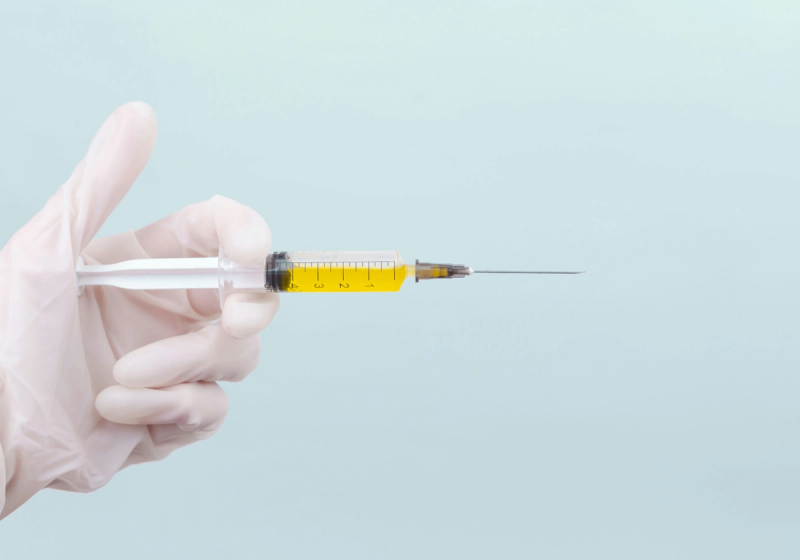
As reported by Dermatology Times, Avalo Therapeutics announced positive results from a phase 2 trial of abdakibart, an injectable treatment for adults with moderate to severe HS.
What the trial found
The study followed 253 adults over 16 weeks. Participants received abdakibart on one of two schedules, every four weeks or every two weeks, or a placebo.
By week 16, about 43 percent of people on either schedule saw at least a 75 percent drop in the combined number of inflamed bumps and abscesses, compared with about 26 percent on placebo.
Abdakibart also significantly improved draining tunnel counts and overall disease severity. Pain results favored the treatment, but were not reported as statistically significant. Response rates on the trial’s main measure were similar whether or not patients had tried other biologics before, and both dosing schedules performed consistently.
Why this one is different
Abdakibart is a lab-made antibody that blocks IL-1β, an inflammatory messenger that may help fuel the bumps and abscesses of HS. That’s a different target than current HS treatments use, which could make it an option for people who haven’t responded well to what’s available now.
“We are proud to report that abdakibart has delivered a strong, consistent, and deep response across both the HiSCR75 and HiSCR50 endpoints in our phase 2 trial. This achievement powerfully validates the clinical promise of IL-1β inhibition for HS,” said Garry Neil, MD, chief executive officer of Avalo Therapeutics. “This de-risking data set gives us tremendous confidence to advance abdakibart into a pivotal phase 3 registrational program. With a differentiated and patient-friendly potential monthly dosing regimen, we aim to offer a truly innovative mechanism of action to the HS community.”
John Frew, PhD, professor of dermatology at the University of New South Wales in Sydney, Australia, called the findings encouraging for people who are still searching for relief. “These phase 2 results are highly promising for the HS community,” Frew said. “Achieving this level of improvement suggests that IL-1β inhibition with abdakibart may offer a meaningful new therapeutic option for people with HS who continue to struggle with this disease. The physical and emotional burden of HS is profound, and I am encouraged to see an investigational therapy showing such robust and clinically relevant results.”
How it held up on safety
Side effects showed up at similar rates in the treatment and placebo groups and were mostly mild to moderate, with headache and nausea the most common. There were no unexpected safety concerns during the 16-week trial. No serious or opportunistic infections were reported, nor were adverse events related to neutropenia, a drop in infection-fighting white blood cells.
What happens next
Avalo plans to move abdakibart into phase 3 trials, and full results from this study are expected at an upcoming medical meeting, so it’s still a ways from being available. For people with HS who haven’t found relief with current treatments, it’s one to watch.