Most of us are born with naturally smooth, soft skin, but as we age moisture levels drop, often resulting in dryness and rough, uneven texture. Rough skin may also be the result of sun damage, which depletes collagen and moisture, or a chronic skin condition such as rosacea or eczema that causes bumpiness and inflammation. Whatever the cause, there are a variety of topical treatments and noninvasive procedures that address poor texture at the source.
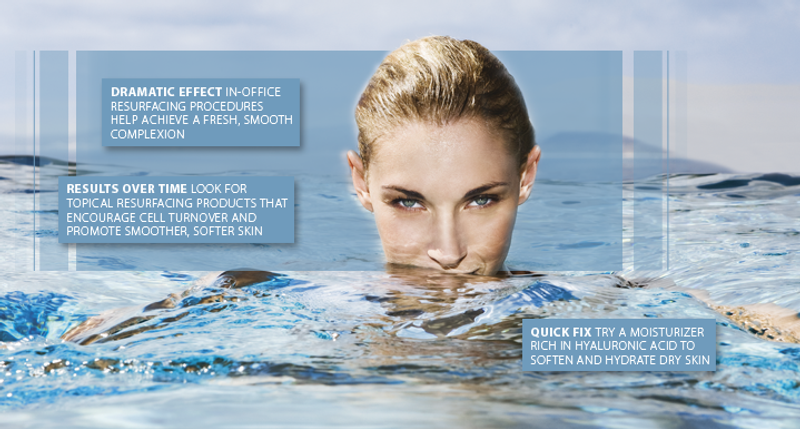
1. For a Quick Fix: Try a moisturizer rich in hyaluronic acid to soften and hydrate dry skin2. For Results Over Time: Look for topical resurfacing products that encourage cell turnover and promote smoother, softer skin3. For a Dramatic Effect: In-office resurfacing procedures help achieve a fresh, smooth complexion. Especially effective for sun-damaged skin, fractional resurfacing treatments, like Fraxel re:fine, target the skin’s deeper layers with microscopic laser light, removing damaged skin and allowing fresh, healthy skin to emerge. You may experience redness and swelling for a couple of days post-treatment, and several sessions are usually needed. Suitable for all but very sensitive skin, microdermabrasion uses tiny abrasive crystals to polish away the uppermost layer of skin, eliminating roughness as well as fine lines and wrinkles. Chemical peels, another option, are often performed with glycolic, retinoic or alphahydroxy acids; they help smooth out uneven texture by removing the upper layer of skin. “I have found that a series of glycolic acid peels works well to restore soft, even texture to the skin,” says Staten Island, NY, dermatologist Michael Kurzman, MD. “However, these peels should be done conservatively for those with rosacea or inflamed skin to avoid making redness worse.” 4. For Relief From Redness:
If you experience persistent red blotchiness, dryness or bumpy, rough skin—more than just the occasional dry patch or inflammation—rosacea may be the cause. A chronic inflammatory condition that can develop at any age but is typically found in those older than 30, rosacea is often triggered by alcohol, heat, stress or spicy foods.Irritation, swelling, dryness and inflammation may be signs of a flare-up, and in severe cases, thickening of the skin and red, raised patches, known as plaques, may occur. Rosacea is often rated by grades one to four to indicate its severity, four being the worst. Your dermatologist or plastic surgeon may suggest a series of five or more painless Intense Pulsed Light (IPL) treatments, which use a broad spectrum of light to repair the deeper layers of skin and reduce redness.
The Four Best Ways To Achieve Smoother Skin
Most of us are born with naturally smooth, soft skin, but as we age moisture levels drop, often resulting in dryness and rough, uneven texture. Rough skin may also be […]
- NewBeauty EditorsAbout NewBeauty
NewBeauty Editors
Related Posts

1976 Called. It Built Your Beauty Cabinet
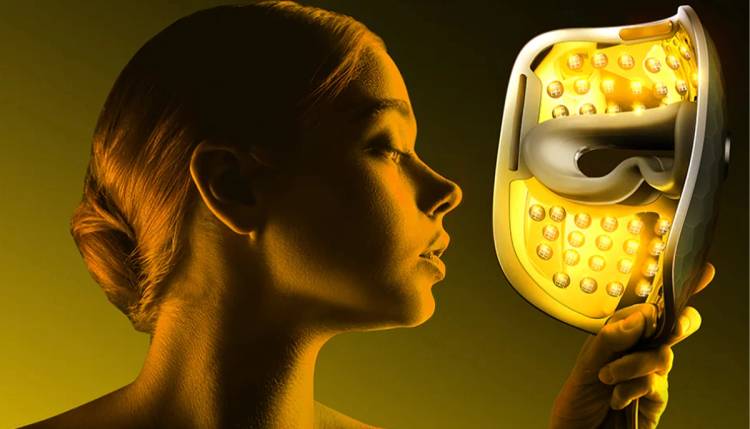
Why Yellow Light Deserves a Spot in Your Skin-Care Routine
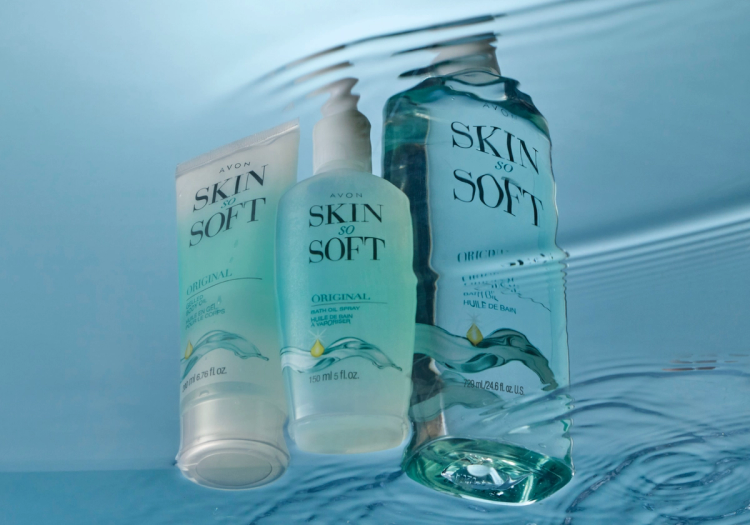
Avon’s Skin So Soft Is Having a Very Nostalgic Comeback
A TikToker's At-Home 30 Percent TCA Peel Has 25 Million Views—and Doctors Are Worried
This Soothing Gel Is Skin's Best Friend After Lasers and Peels

Launch List: The Best New Beauty Products in June, From YSL's Cushion Foundation to Beauty Pie's Blurring Body Lotion

These Are the Safest Sunscreens, According to EWG's 2026 Annual Report
Kendall Jenner Just Became Anua's First-Ever Global Brand Ambassador
Marilyn Monroe's Facialist's Secrets Have Been Turned Into Skin Care
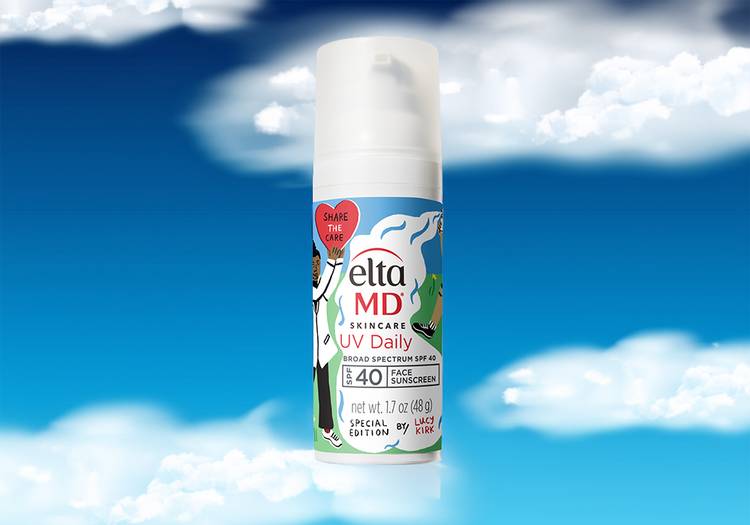
EltaMD Gives Its Cult-Favorite Sunscreen a Purpose-Driven Makeover

The Science of How Your Skin Shapes First Impressions
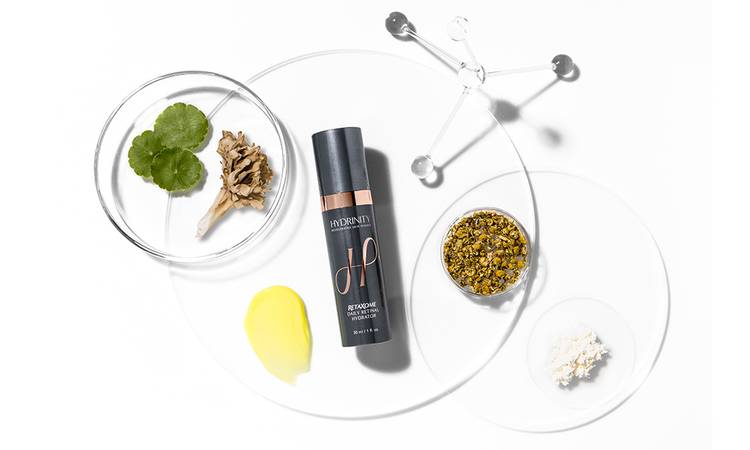
Rethinking Skin Care in the Perimenopause and Menopause Years
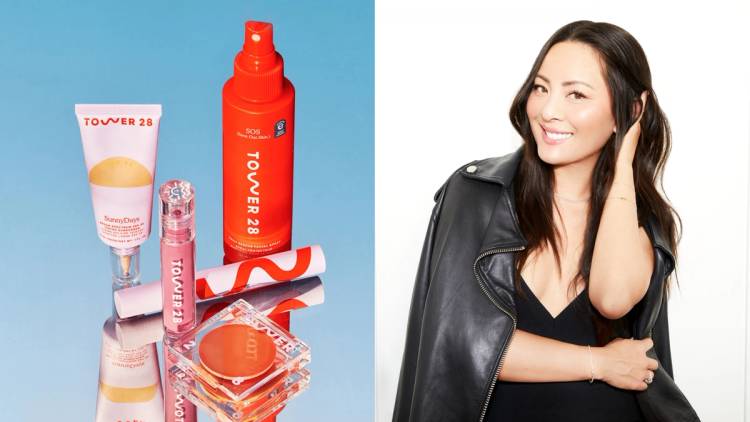
Tower 28 Founder Amy Liu Wants Sensitive Skin to Feel Seen
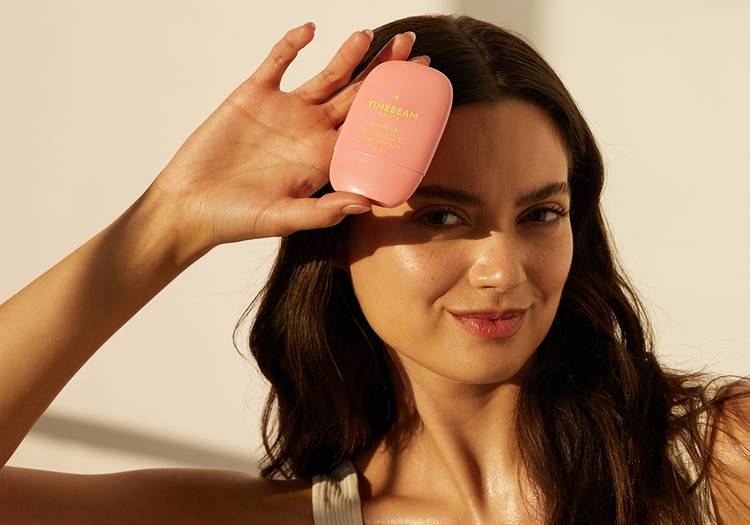
This Pink Mineral Sunscreen Is an Antioxidant Powerhouse
AAPI Beauty Brand Founders on the 20 AAPI-Owned Products They Can't Live Without
The K-Beauty Brand Behind Ciara Miller’s Soft-Smoky Reunion Glam
FIND A DOCTOR
Find a NewBeauty "Top Beauty Doctor" Near you